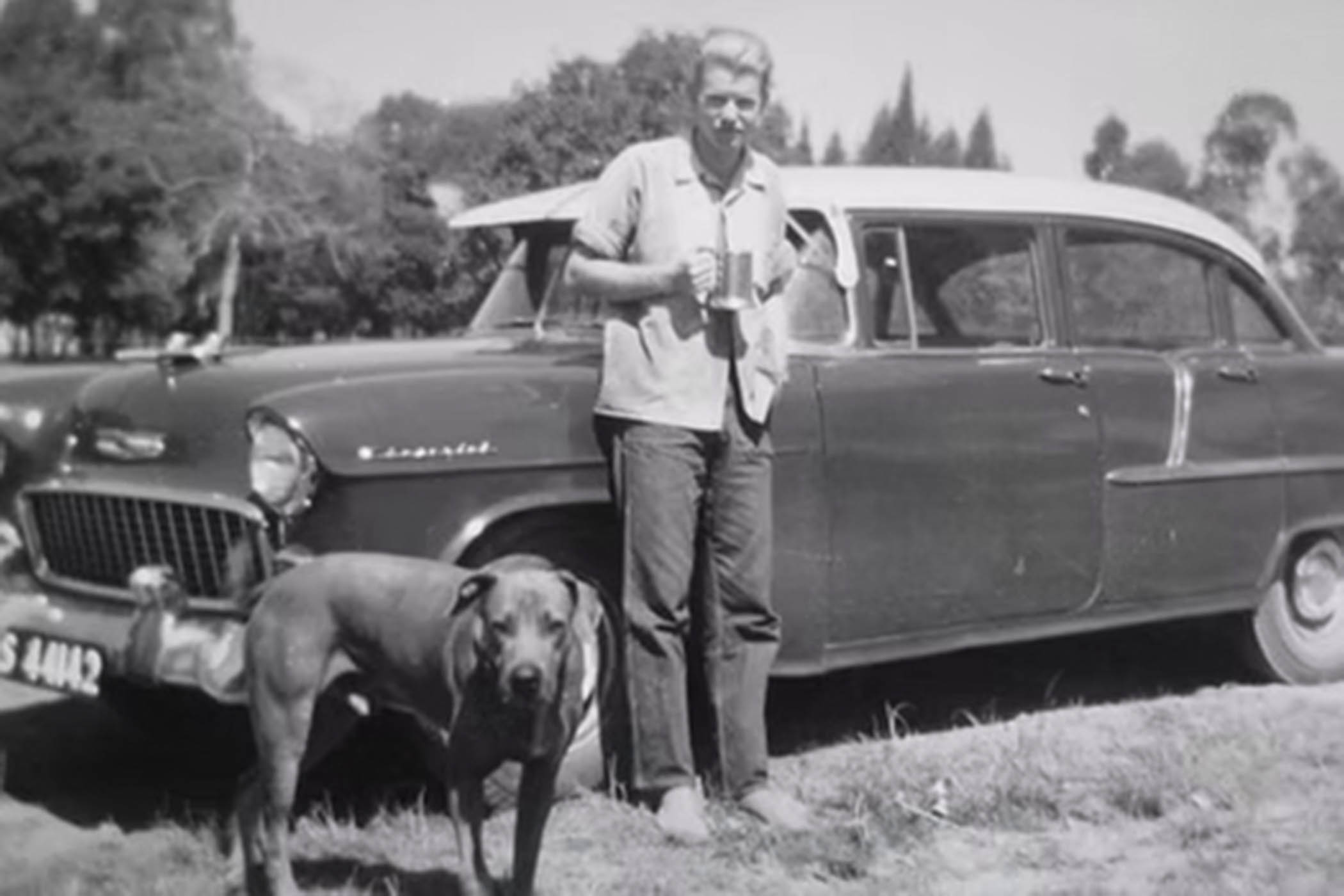

In his cell at Leyhill open prison, an 82-year-old man with prostate cancer is preparing to set an unhappy record. Next January Clive Freeman will become, by his account, the victim of the worst miscarriage of justice in British history by overtaking the 38 years, seven months and 19 days the current record-holder, Peter Sullivan, spent in jail. Sullivan’s sentence was quashed last year.
Since his conviction in 1989 Freeman has argued he was found guilty of a murder that never happened, but was a death from natural causes. The body of a man was found in his flat, and Freeman was accused of planning an insurance fraud by pretending it was his corpse. At trial, a pathologist said he had used a technique known as “burking” – plying a victim with alcohol before suffocating them without leaving a trace.
Five times, between 2000 and 2021, the Criminal Cases Review Commission (CCRC) turned down Freeman’s case. It finally relented in August, saying new expert opinion meant it could be argued that “it was not safe for the jury [at the original trial] to place any weight” on pathology evidence that convicted him. It referred his case to the court of appeal.
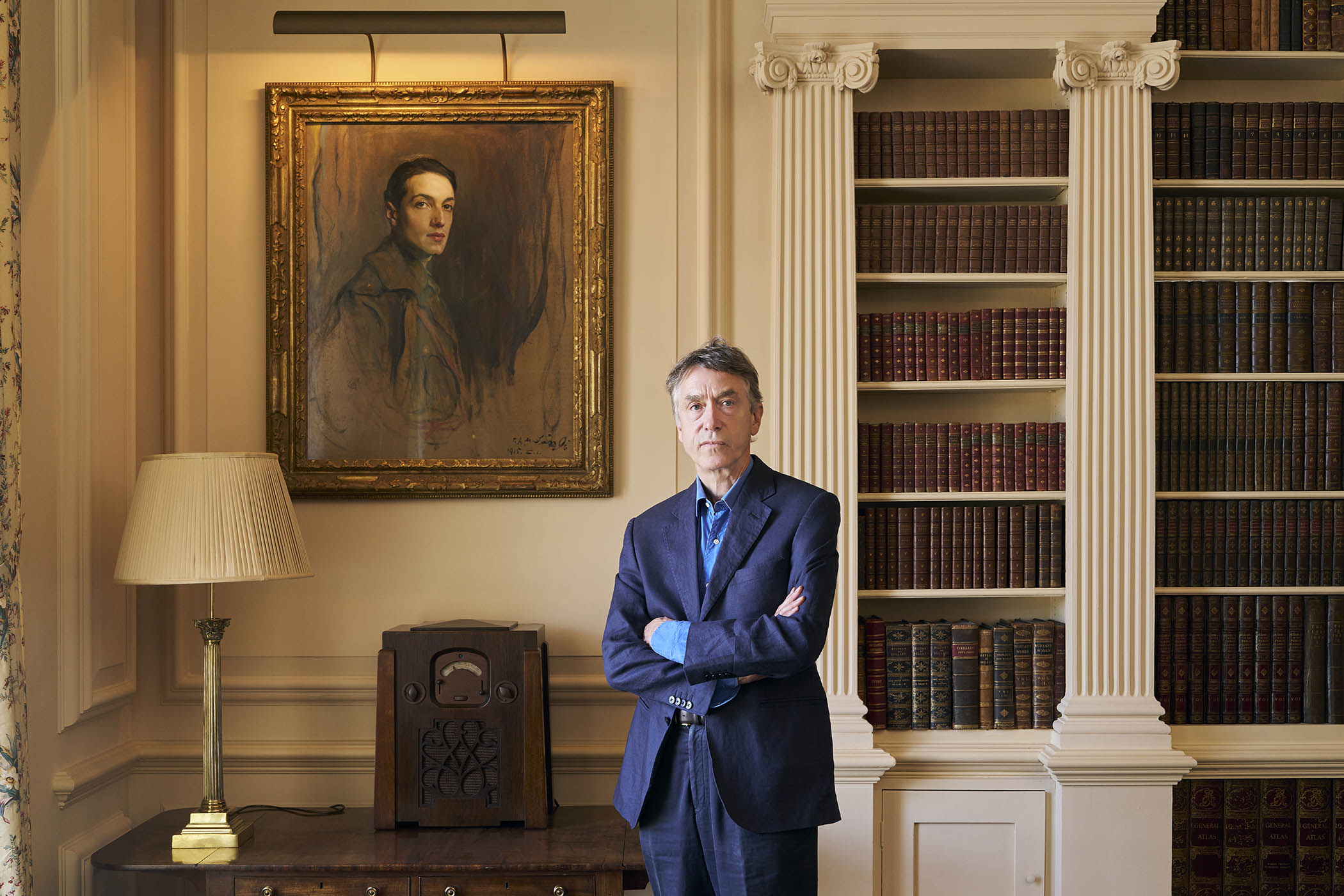
Freeman’s legal representative is Tony Thompson, a former police officer who picked up his case after a chance meeting in prison. For two years, Thompson has been petitioning the government to release Freeman on compassionate grounds. The government has not listened.
In his quarters at Leyhill, Freeman has built a filing system and pigeon holes out of cardboard to hold the mass of his case documents. He does not want a pardon, Thompson says, but insists on being exonerated: “He keeps on about promising his late wife that he’d prove he didn’t do it.”
The CCRC’s role is to refer wrongful convictions to the court of appeal. From the very first, it has given the same reason for rejecting Freeman: that whatever new evidence he produced would not “give rise to a real possibility that the court of appeal would not uphold the conviction”.
The Law Commission, which recommends changes to the legal system in England and Wales, is looking into concerns that the “real possibility” test forces the CCRC to decide a case like Freeman’s not on its own merits but on an educated guess about what the court of appeal might think.
As the paperwork is prepared for Freeman’s appeal, Thompson believes the chance of it being heard before January is slim, saying the whole process is “a merry-go-round of absolute bollocks”.
Newsletters
Choose the newsletters you want to receive
View more
For information about how The Observer protects your data, read our Privacy Policy