


Listen to Unjust: How the Court of Appeal failed an innocent man now on The Observer app or wherever you get your podcasts
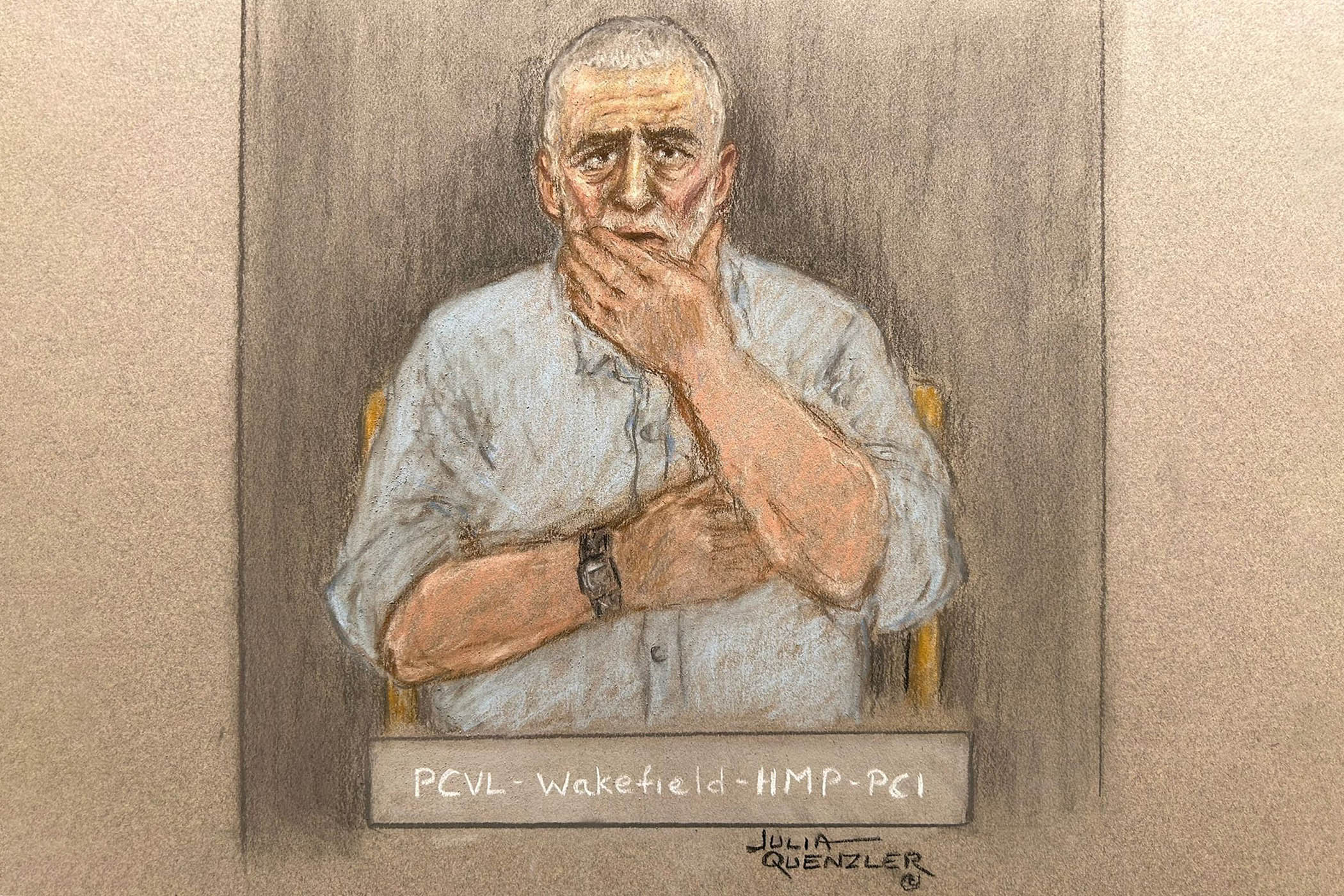
In June 2023, Merseyside Police reopened their investigation into the murder of Diane Sindall whose dreadfully abused body had been found in Birkenhead nearly 37 years earlier. Peter Sullivan, the man who had been convicted of killing her, heard the news in a high-security prison across the Pennines in Wakefield. At that point, he had served 36 years for a crime he did not commit.
He would serve two more. While the Criminal Cases Review Commission (CCRC) held new DNA evidence to show he should never have been convicted, while the police searched again for the man responsible for the killing that had put him there, Peter Sullivan remained in jail for 23 more months. To observers of his predicament, the tragedy that had trapped him in prison turned into something closer to farce.
On the simple measure of his 38 years behind bars, Sullivan is the victim of the worst miscarriage of justice in British legal history. But there is no public clamour for an inquiry or systemic reform: Merseyside police have told The Observer that their original investigation was thorough; the CCRC has found no fault with its actions; and the court of appeal, which first rejected Sullivan’s case before it was left with no choice but to free him a few years later, has gone out of its way to say that its judgement was right on both occasions. Other major miscarriages have transformed criminal justice. Why not this one?
Sindall was 21 when she was murdered “because she was a woman”, says the small memorial stone to her on Borough Road in Birkenhead. Toys and flowers still keep it company in the straggly grass.
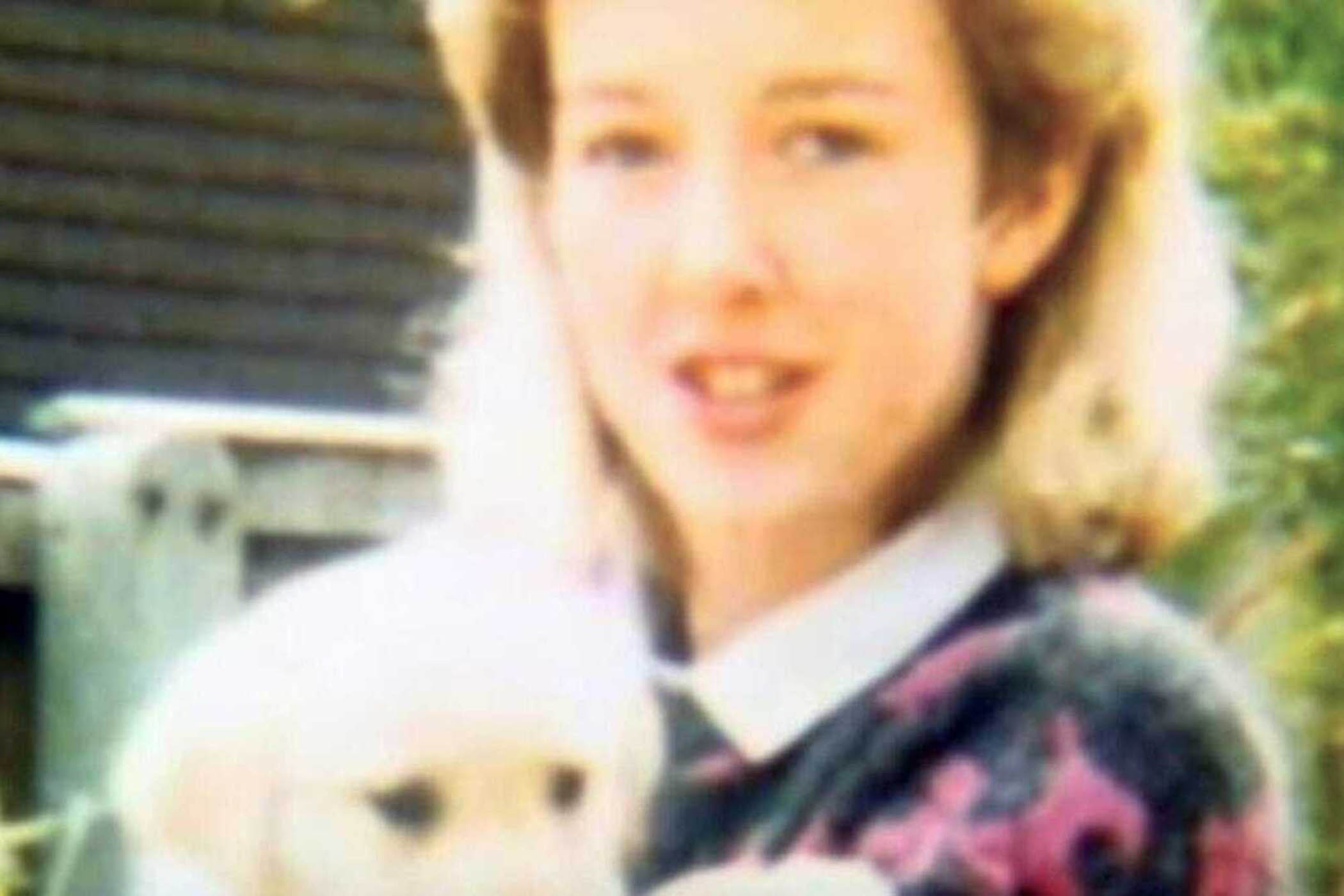
Diane Sindall, 21, was killed Saturday 2 August 1986.
She had worked late on a Friday evening in August 1986 behind the bar at the Wellington Hotel – a second job to help save for her wedding – and ran out of petrol around midnight on the short drive home. Her body was found in an alleyway the next day
At the time, the reports filed by John Thompson, a 28 year-old district reporter for the Liverpool Daily Post and Echo, trod a careful line between the awful details his police contacts passed on about “an evil, crazed killer… an attack so frenzied and depraved” and what it was possible to print in a family newspaper. But “people would have been aware from the tone of the reporting and from the grapevine that this was a really appalling killing”, he says.
“The men in the communities would turn up on doorsteps to pick wives and daughters up from school, from work, just to make sure they didn’t step out on to the streets until this person had been caught.”
An enormous police investigation seemed at first to have a few promising leads, but the early optimism fizzled out and by mid-September, six weeks after the murder, it had evaporated almost entirely. The police turned to the BBC’s Crimewatch for help.
It seemed to work. A witness came forward to say he had seen a man he knew as Pete or Pedro acting suspiciously, and Sullivan was arrested. At an identity parade, the witness failed to pick him out but the police pressed on.
Newsletters
Choose the newsletters you want to receive
View more
For information about how The Observer protects your data, read our Privacy Policy
Sullivan was questioned late into the night, and denied access to a solicitor. He confessed and retracted; was granted a solicitor, confessed, retracted, and confessed again. His learning difficulties were well known, and so were his invented stories
Sullivan was questioned late into the night, and denied access to a solicitor. He confessed and retracted; was granted a solicitor, confessed, retracted, and confessed again. His learning difficulties were well known, and so were his invented stories
Sullivan was questioned late into the night, and denied access to a solicitor. He confessed and retracted; was granted a solicitor, confessed, retracted, and confessed again. His learning difficulties were well known, and so were his invented stories. The owner of a small beer belly, he had told some friends recently that he had been given a trial by Wolverhampton Wanderers football club, and others that he had won £500 by beating the darts world champion, Eric Bristow.
DNA testing began to transform criminal cases in the UK in 1987, but the samples of semen recovered from Sindall’s body were too degraded by rainwater to be analysed, so when the case went to trial in September that year the straws it was built from were the confessions to police, and another allegedly to a cellmate while Sullivan was on remand. There were brown fibres found on Sindall’s body that seemed similar to those in a pair of his trousers (“of limited significance,” the prosecution admitted), and there was a crowbar Sullivan had borrowed that could have inflicted some of her injuries, but carried no trace of blood when it was tested.
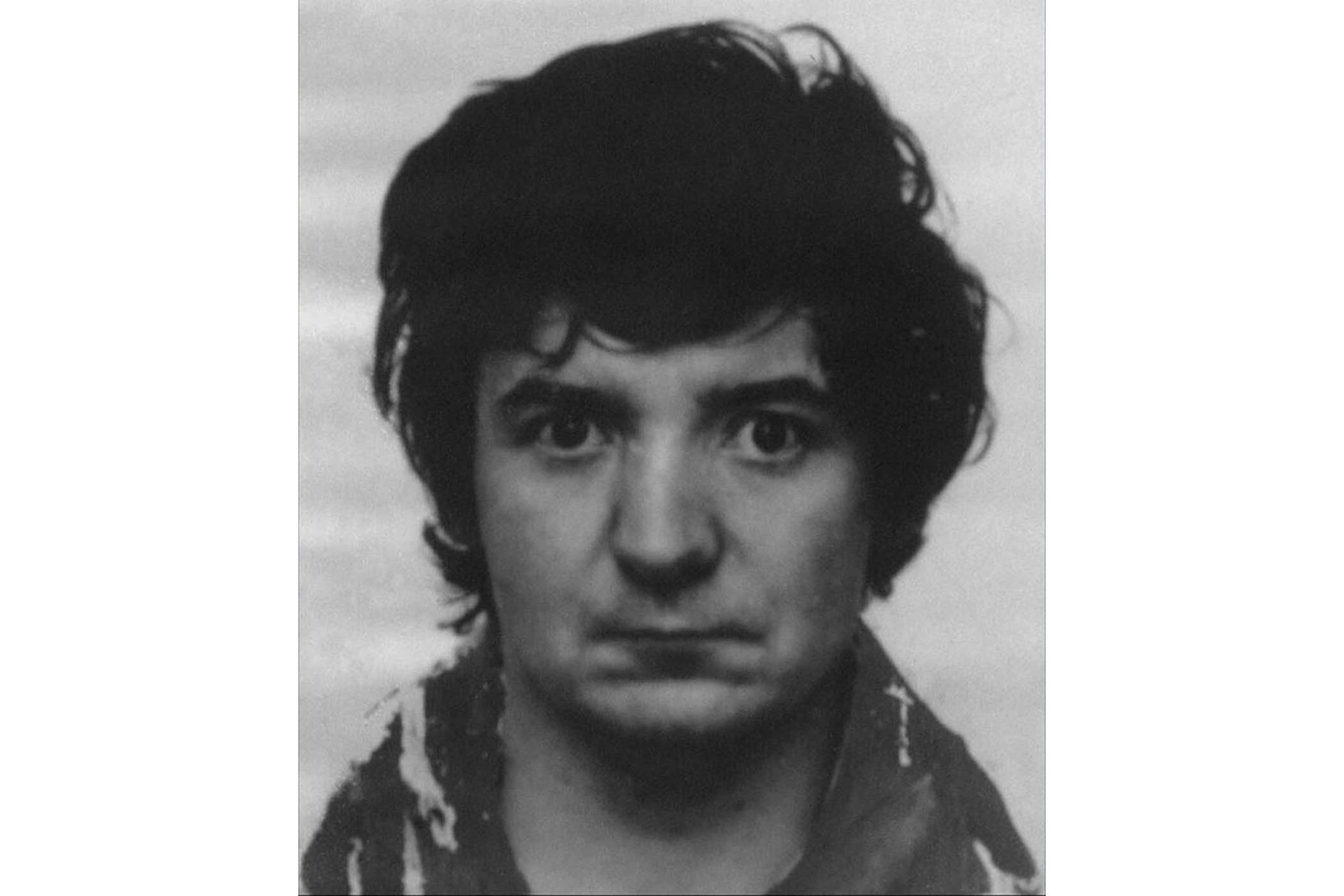
Peter Sullivan’s headshot taken in 1986 by Merseyside Police.
Beneath the straws holding up the entire prosecution case lay a single, solid plank, or what was presented as one to the jury: bite-mark evidence. Parts of Sindall’s body had been savagely bitten – her left nipple had been bitten off, and her right nipple nearly severed – and from photographs of this mauling, not from a physical examination, and using a plaster cast of Sullivan’s teeth, one of Britain’s leading lights in the emerging science of forensic odontology passed judgement on what he saw.
“He has absolutely no doubt,” said the prosecution QC in his opening remarks, “the defendant caused those bite marks. He murdered Diane Sindall, beyond argument. That is how important the evidence of bite marks is. This is the critical part of the case, so critical that in my submission you can forget the rest of the case.”
Sullivan was jailed for a minimum of 16 years. His family believed in his innocence but there was no campaign to free him; nothing to compete with the headlines that shouted, “Hang the Beast” as he began his sentence. His many requests for parole were turned down because he would not admit his guilt.
There is blame enough to go round for Sullivan’s ordeal. Enough for the police who took a vulnerable man and, as Sullivan claimed at his trial and ever since, beat and bullied confessions out of him. And plenty for the Criminal Cases Review Commission, whose very job is to examine miscarriages of justice. It turned Sullivan down in 2008 when he asked it to re-test the DNA samples from Diane Sindall’s body, and did not revisit its decision – as it should have done – in the years that followed as techniques for analysing DNA improved.
But the world moves on. Today it is reasonably certain that Sullivan would have access to a solicitor if he was questioned by police, and would have an appropriate adult at his side. And it is absolutely certain that the CCRC has been found out. Its chair and chief executive were forced to resign last year after it failed Andrew Malkinson (17 years for a rape he did not commit) in ways alarmingly similar to Peter Sullivan. An inquiry into the CCRC’s shortcomings is being overseen by a judge.
So there is movement in the system, but not in every part. At its apex sits the court of appeal. Dr Hannah Quirk, reader in criminal law at King’s College London, and editor of the Criminal Law Review, sees it as a singular presence. “Every other part of the criminal justice system has been reformed over the last 50 years and, I think, has looked at its own practice. The court of appeal has not.”
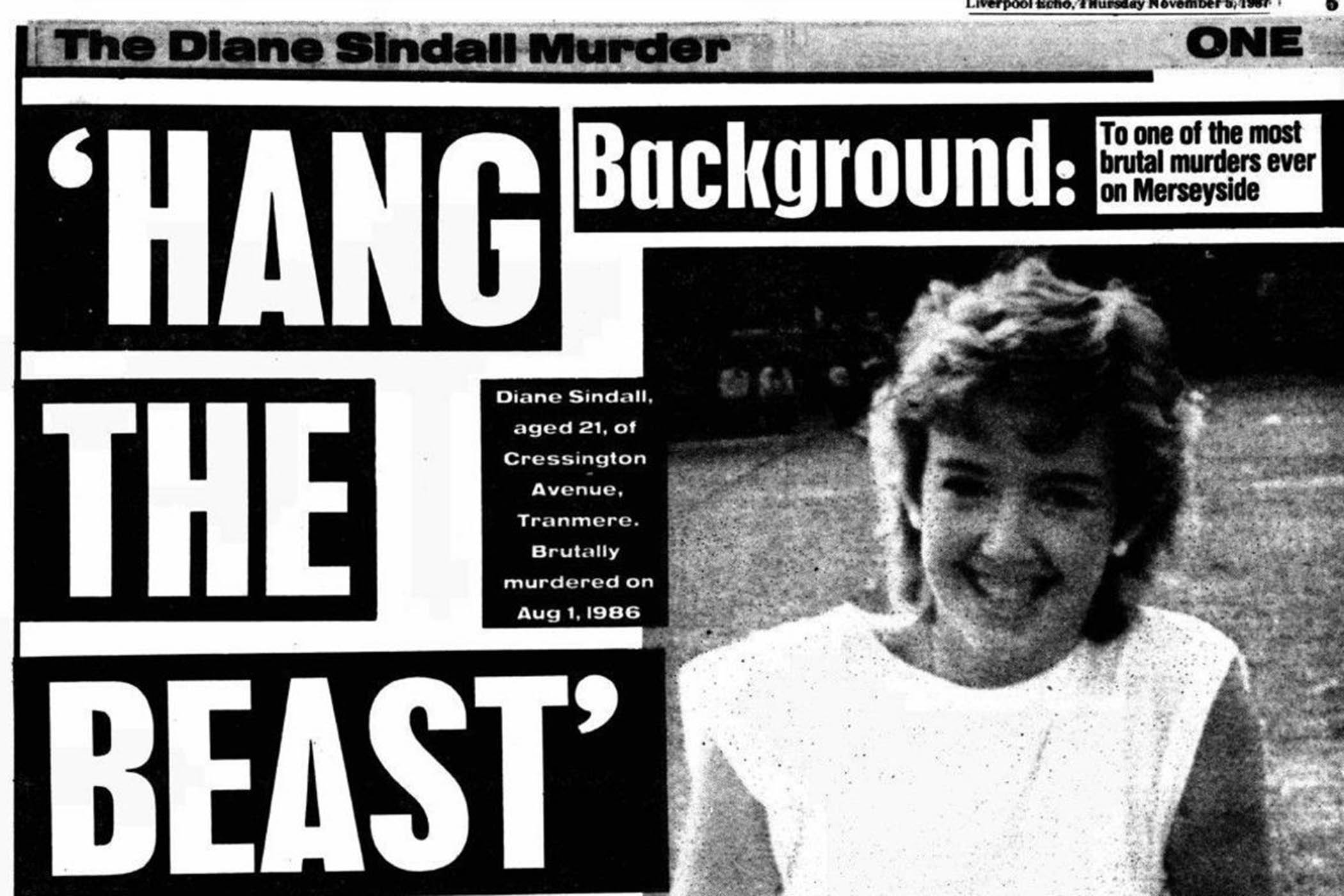
Peter Sullivan took his case to the court of appeal twice, in 2019 and 2023, and heard its verdict two years later each time. Any single judgement from the court can speak volumes about its mindset but, to its critics, what makes Sullivan’s history of appeals uniquely significant is the interplay between his two applications. Relatively hot on each other’s heels, one keeping him in jail, the other freeing him, they offer a window into the court’s appetite for learning lessons, and (as surprising as this might seem to say) for seeing justice done.
At the court of appeal a single judge hears a case first, and rules on it. If the applicant is dissatisfied with the ruling, the case goes to a full panel of three judges. So it was with Peter Sullivan.
On 28 January 2019, in prison, he received a report from a dental expert that dismantled the bite-mark evidence (the idea that it is possible to identify a perpetrator from injuries inflicted by teeth had been widely discredited by then); in June, a second report from a consultant psychologist highlighted Sullivan’s learning difficulties and suggestibility in the original police interviews. Sullivan submitted the reports to the court of appeal in December, but he had missed the standard deadline.
More than a year later, in March 2021, the three-judge panel delivered its findings in a hearing marked as a “non-counsel application”, meaning Peter Sullivan had represented himself.
“No explanation has been given for the delay between the obtaining of the reports … and the lodging of the application for leave to appeal,” said Justices Macur, Sweeney and Field. “The single judge concluded that the reasons given for the delay in this case are wholly inadequate and he therefore refused to grant the extension of time requested.”
Even seasoned campaigners against miscarriages of justice, such as Glyn Maddocks KC, were wearied by seeing a familiar pattern of behaviour. “The court of appeal in that decision was just keeping the drawbridge up. They don’t want too many cases to come towards them. They don’t want – sad to say – justice to be served. They’re blaming the innocent person – Peter Sullivan – for not getting on with it earlier, and we all know he wasn’t capable of doing that as well as other people might have been.”
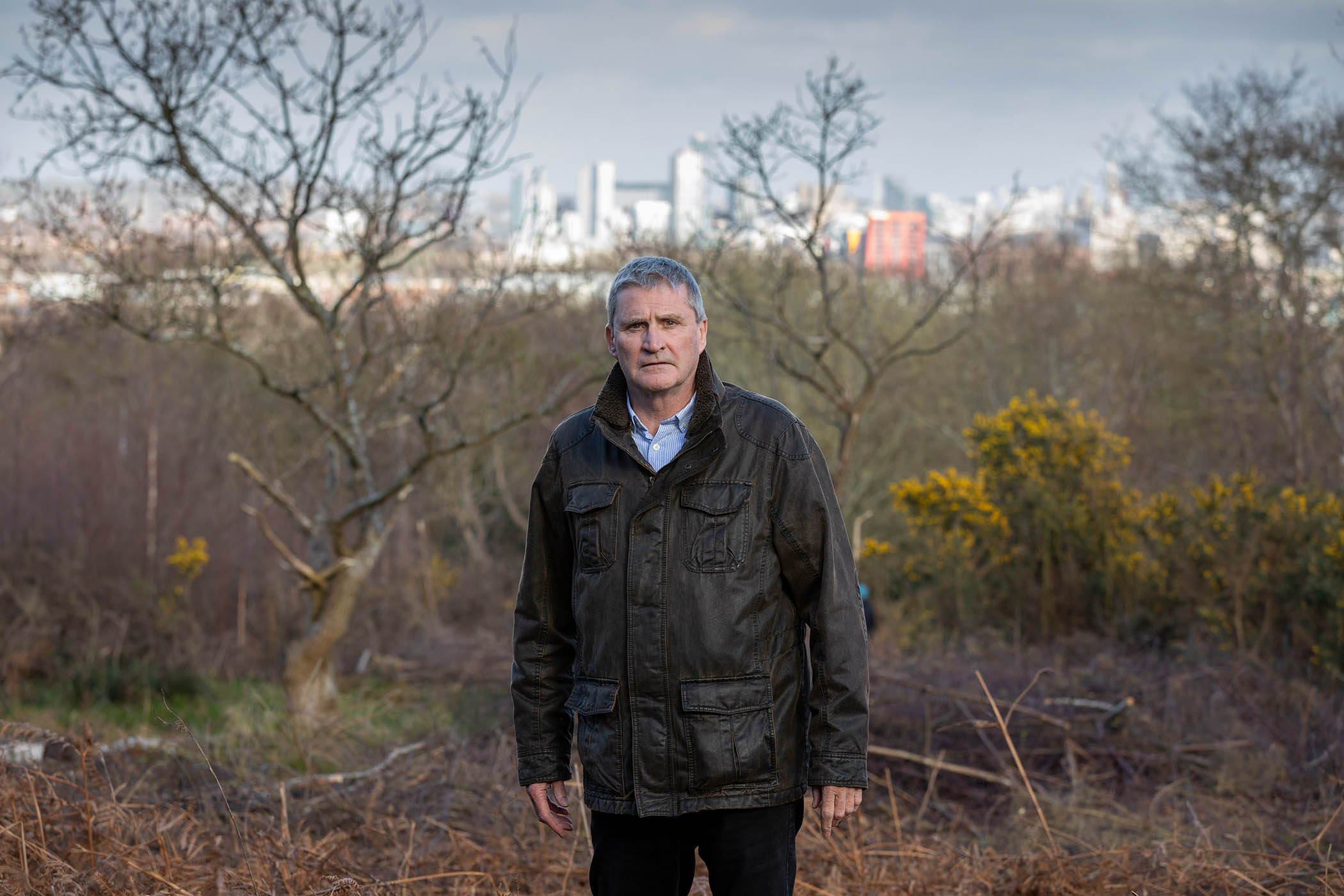
John Thomas a reporter on the Liverpool Echo newspaper at the time of the orginal investigation in Bidson Hill near Birkenhead where Diane Sindall’s clothes were found burned.
At the justice charity Appeal, which campaigns to rectify miscarriages, co-director Matt Foot despaired at the court’s obsession with process. “It’s a technical argument to set aside evidence which clearly had an impact on the jury, from a vulnerable man who’s spent many years in prison. It’s almost discriminatory.”
The single judge was thorough to a fault. Having decided that the application was timed-out he went on to say that it would have failed anyway. “He pointed out that the prosecution case did not depend upon the evidence relating to bite marks; [it] was but one element of a multi-faceted circumstantial case,” said his three colleagues. “We agree with this analysis.”
Given the near-impossibility of reconciling that view with newspaper reports of the prosecution case at the original trial (“you can forget the rest of the case”), The Observer asked Liverpool crown court for the transcripts. We were told they had been sent to the National Archives in Kew. Applying there, we learned that they have been sealed for 100 years for reasons that include protecting Diane Sindall’s family from further trauma. Our appeal against that decision has been rejected. We have only newspaper archives to rely on.
Sullivan had waited decades for this moment, and found himself dismissed in a judgement so curt as to be derisory. It ran to a little over a page of A4
Sullivan had waited decades for this moment, and found himself dismissed in a judgement so curt as to be derisory. It ran to a little over a page of A4
Sullivan had waited decades for this moment, and found himself dismissed in a judgement so curt as to be derisory. It ran to a little over a page of A4. By contrast, the court of appeal’s judgement in Lucy Letby’s case in 2024, which it also turned down, ran to 58.
Sent away by the court of appeal in 2021, Sullivan turned again to the CCRC. It agreed to re-test the semen found on Sindall’s body and, in May 2023, told Merseyside police that the new DNA analysis proved beyond doubt that it was not Sullivan’s. He watched on a video link from prison as the court of appeal finally – inevitably – set him free in May 2025.
On the recording of that judgement, Lord Justice Holroyde and his silent partners, Justices Goss and Bryan, circle the wagons around the appeals system. The CCRC was “plainly correct” to turn down Sullivan in 2008, they said. The only reason it could bring the case back to court now was because of “recent advances” in the science of DNA analysis.
Recent? At the very latest, the testing method that freed Sullivan had been in use since 2015.
Sullivan’s appeal also forced the court to confront an updated report from the dental expert who said it was now accepted that there was “no scientific basis” for using teeth marks to positively identify a suspect. This brought into play a very familiar argument. Was that evidence “fresh”? Because the court of appeal will only consider fresh evidence – evidence that was completely unavailable at the original trial.
If they accepted the bite-mark evidence as fresh, the judges in 2025 might have had to admit, implicitly, that their colleagues got it wrong when they set it aside in 2021. It was a trap they found two ways to dodge.
First, they said that the testimony about bite marks was challenged at Sullivan’s original trial. So this unequivocal statement that it was unreliable might be new, but it was not fresh; it was an extension of an old argument.
Secondly, they appeared to rewrite – again – the history of Sullivan’s original trial by asserting that, in 1987, the bite-mark evidence was used as “a circumstance forming part of a circumstantial case … rather than as definitive identification”.
Remember what the jury was actually told, and square it if you can: “He [the forensic odontologist] has no doubt. The defendant caused those bite marks.”
For anyone looking to the court of appeal for guidance on how to avoid another catastrophe like Sullivan’s, it provided none, not even a starting point for an inquiry. In court, Matt Foot of APPEAL, a charity that challenges wrongful convictions, witnessed proceedings with mixed feelings. “It’s sort of staggering but also not staggering. This goes on all the time at the court of appeal because they’re not being watched or held to account. After the hearing no one, publicly, spoke about the failure of the judgement. No one. Literally no one in the whole country. And yet when we reflect, it is clearly failing to correct very serious injustice.”
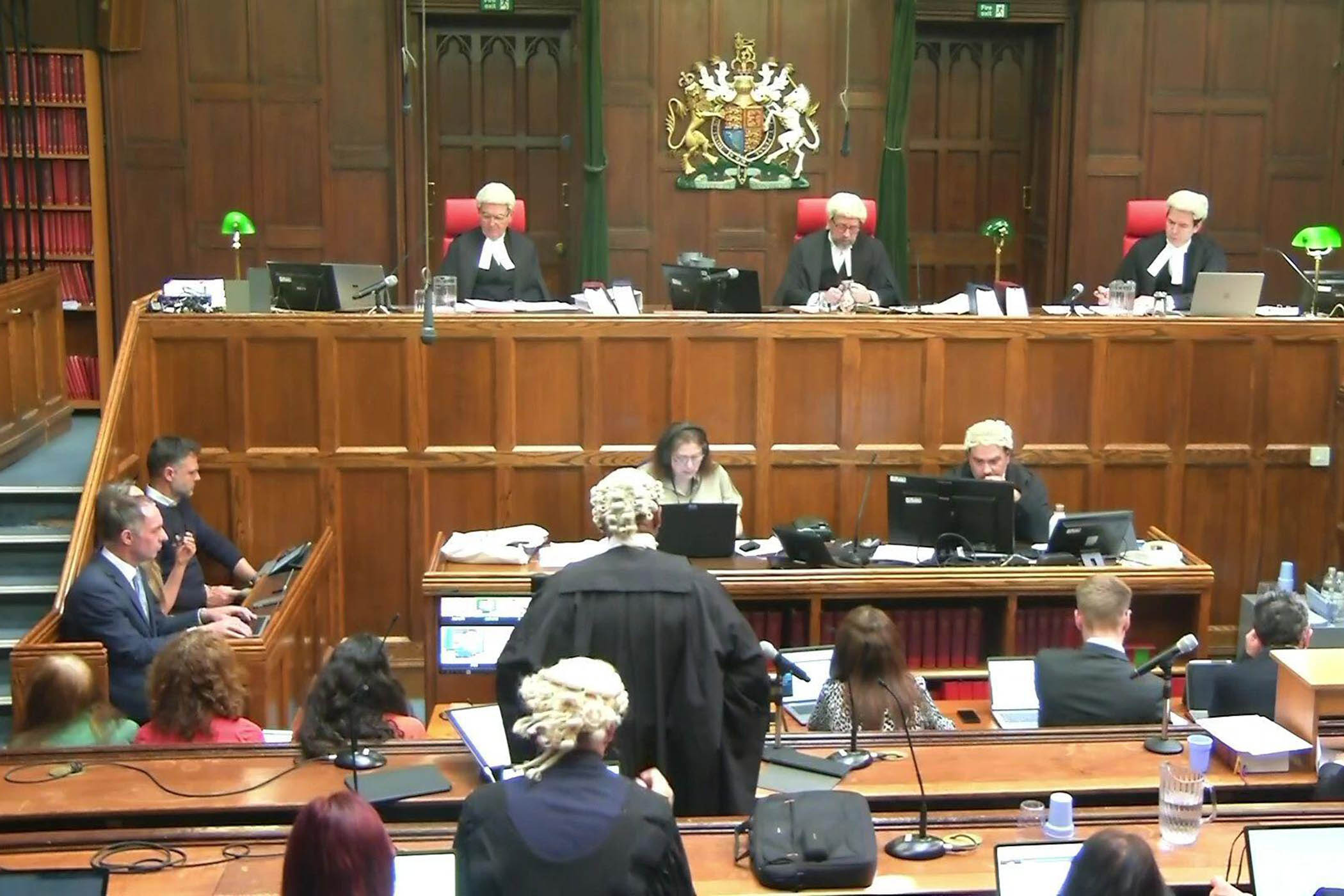
Mr Justice Goss, left, Lord Justice Holroyde, centre and Mr Justice Bryan, right, during the hearing for Peter Sullivan at the Court of Appeal, where his conviction was quashed.
Once the hearing was over, Sullivan’s solicitor read a statement on his behalf that confirmed what is often said about the life of a sex offender in prison: “I will not comment on the horrors done to me over that time, there are too many.” Some months later, Sullivan gave a single interview to the BBC, his face obscured from the camera: “All I want is an apology and the reason why they’ve done this to me… I can’t carry on with my life if I can’t get an answer out of them… Why have they done it to me?”
It would be easy to argue that the way the court of appeal conducts itself is a second-order issue. Sullivan is free. If he was freed grudgingly and disingenuously, he is no less free.
The counter-argument is clear, too. Knowing that it had before it an innocent man who had spent 38 years in jail, the court in 2025 went out of its way to say that no mistakes had been made by the appeal system. It said, quite clearly, that without the DNA evidence Sullivan would still be in jail, and rightly so.
“I think it’s really shocking,” says Foot, “the way the system has shrugged its shoulders and moved on in one of the worst cases ever; that there’s a lack of will to learn any lessons for this man and for the system as a whole.”
He, and others such as Dr Hannah Quirk, also worry that the court sets the terms for the institutions around it. The CCRC, for example, can only refer a case to the court of appeal if it believes it has a “real possibility” of succeeding. What determines that possibility? Only the actions and behaviour of the court of appeal. That test “inhibits the work of the CCRC,” Quirk says, and stops it “shining a light on the court of appeal because the court has a role in all these miscarriages of justice”.
The “real possibility” test and the requirement for fresh evidence are among the aspects of criminal appeals being scrutinised by the Law Commission for a report due later this year, which could lead to changes.
What price humility and decency as part of a package of reforms? The court of appeal quashed Sullivan’s conviction in a judgement that took more than half an hour to read aloud. It sent its condolences to Sindall’s bereaved family, and thanked the legal teams on both sides for the way the case had been conducted. To Sullivan it offered no apology. In fact, it said only four words: “Do sit down, please”.
Illustration Julia Quenzler/SWNS
Photographs by Steve Morgan / The Observer, Merseyside Police; PA Images/Alamy