Photographs by Gary Calton for The Observer
Most people call Platt Bridge a village, though it is not the picture-postcard kind. It is one of the eight or 10 towns and villages in a crescent around the southern edges of Wigan that form the Makerfield constituency.
This is where Andy Burnham set out his stall for the forthcoming byelection, even before his official campaign launch, because the experiences of its people dramatise his big themes; you have been under-resourced and overlooked; the place you call home has been left to decay; government – national as well as local – needs to step in to help you thrive again.
Burnham could win in Platt Bridge, but it is just as likely that he will lose. He may lose marginally and still win the seat overall because he will do better in other parts of the constituency – or lose badly and lose everything. For David Blunkett, Labour greybeard, the jeopardy of Makerfield is almost frightening: “If we lose this, we are really, really in trouble. Not just as a party, but as a country.”
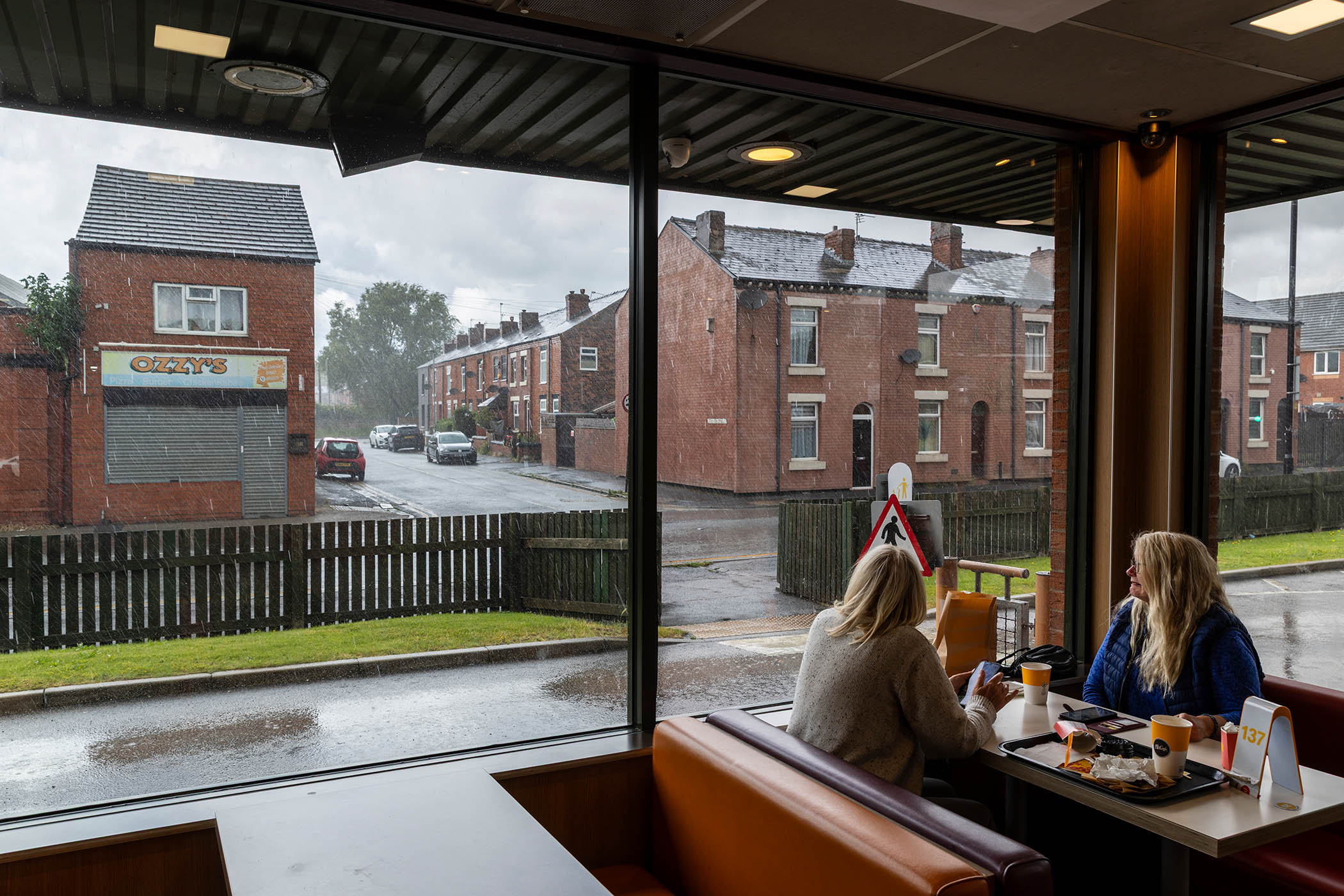
At the centre of the village is a McDonald’s drive-through and an Iceland supermarket, and here, early on New Year’s Day 2025, a torrent of water rushed downhill from the burst banks of Hey Brook just to the south, flooding at least 35 homes and 11 businesses. There were no defences to speak of, even though the last floods had been only 10 years earlier and the area was classified as relatively high risk.
That flood is the fountainhead of the case Burnham makes to be MP and prime minister, and beneath its surface lies all the questions about whether his huge gamble will pay off.
Dawn Royds got halfway downstairs that morning, saw the water in her front room, turned tail and collapsed in tears. Not again, surely. “We were told in 2015 that it was an act of God, that it would never happen again… and we believed them. So to wake up to that was a slap in the face.”
“Them”, the people Royds believed – the authorities, the council – had failed, in her view, to prevent a foreseeable disaster. The memory of it still moves her to wrenching tears and the trauma might have entrenched her view of an uncaring state, but instead, it flipped it.
“Up until that happened in 2025, I’d have said: ‘Any politician, I wouldn’t have trusted a word they said’ – but they’ve earned my trust,” she says. “They” are the constituency’s retiring MP, Josh Simons, and Burnham, the mayor of Greater Manchester. Simons in particular wins Royd’s unstinting admiration for being at her side, for being effective, but Burnham’s ears too would have been burning while she spoke.
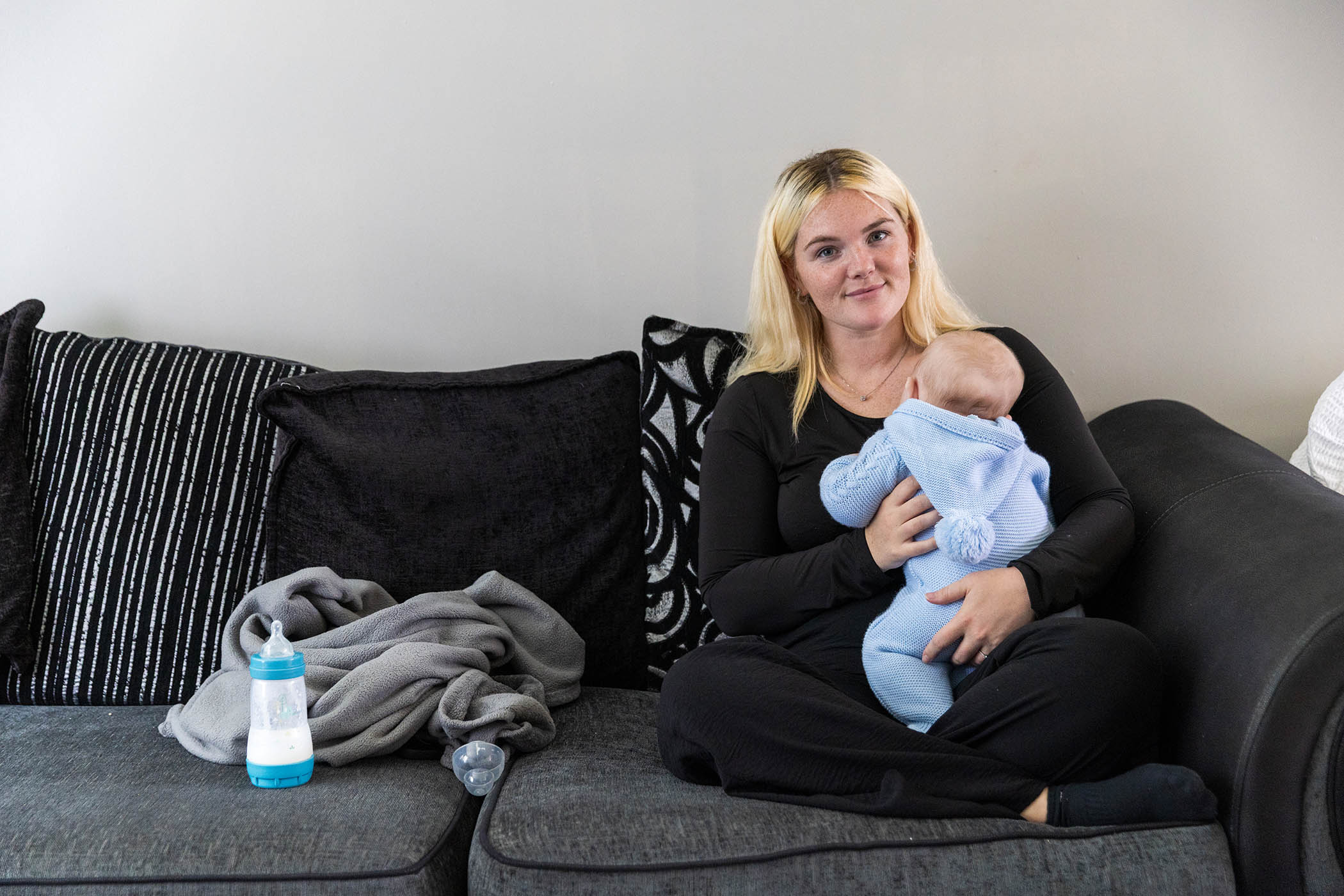
Leah Aldred and 3 month old son Ashton at home on the Woodcock Estate. The Platts Bridige area in The Makerfield Constituency
Has Royds always been political? “Not at all.” But she makes another heartfelt point that could have come from a Burnham crib sheet: “If it happened in London, they’d have got help straight away – there’s no ifs and buts about it.” As the waters subsided, it turned out there was more than grievance politics to this. The funding formula for flood defences relied on a calculation of economic damage that steered resources inevitably towards wealthier areas.
Newsletters
Choose the newsletters you want to receive
View more
For information about how The Observer protects your data, read our Privacy Policy
In the side room of St Nathaniel’s church, where she is talking, with a warm and noisy food pantry next door giving out hot drinks and the basics of life, Royds makes Burnham’s case for him: she is living proof, by her own account, that you can rebuild trust in politics by engaging in people’s lives, and that some places have indeed been left behind.
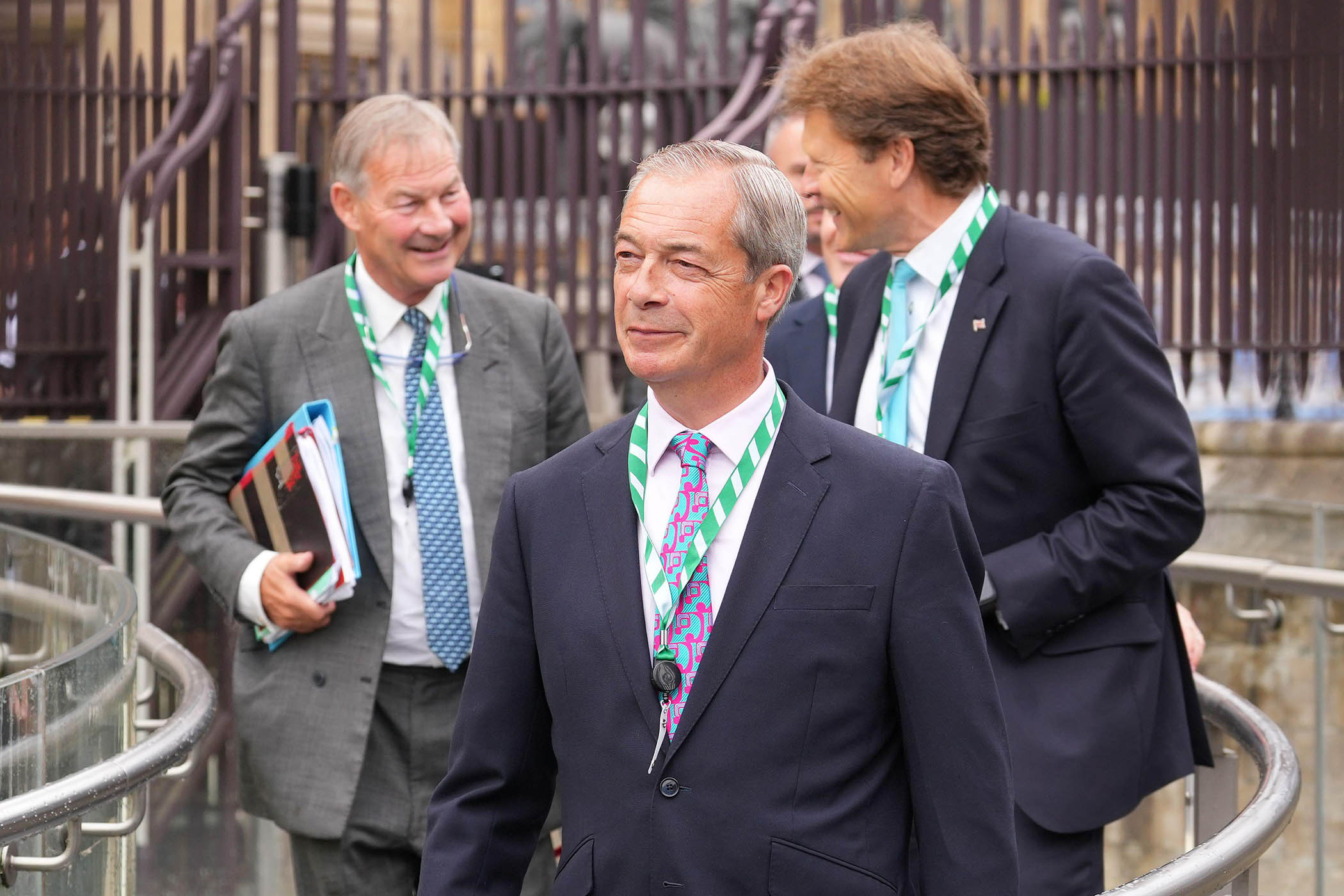
But last month’s local council election results across Makerfield, where Reform UK won every one of eight wards, showed that Labour could not turn the huge credit given to Simons into bankable votes. All of his efforts – a Reform activist told The Observer he was a “brilliant MP” – and Burnham’s support could not stand between Labour’s candidates and a different flood: a Reform tidal wave.
The party won more than 50% of the vote on mostly above-average turnouts. If you cannot turn good work by a Labour MP into votes in places just around the corner, the challenge for Burnham is stark here, and starker still when he tries to make the same argument on a bigger stage.
A huge weight has now settled on the shoulders of the people of Makerfield, and those such as Lisa Aldred, chair of the community group, feel it.
“It’s a massive burden, but I also feel it’s a privilege for us that we’ve been given that choice… But, yes, it is terrifying, because if we get Reform, it could change the trajectory of this country completely.”
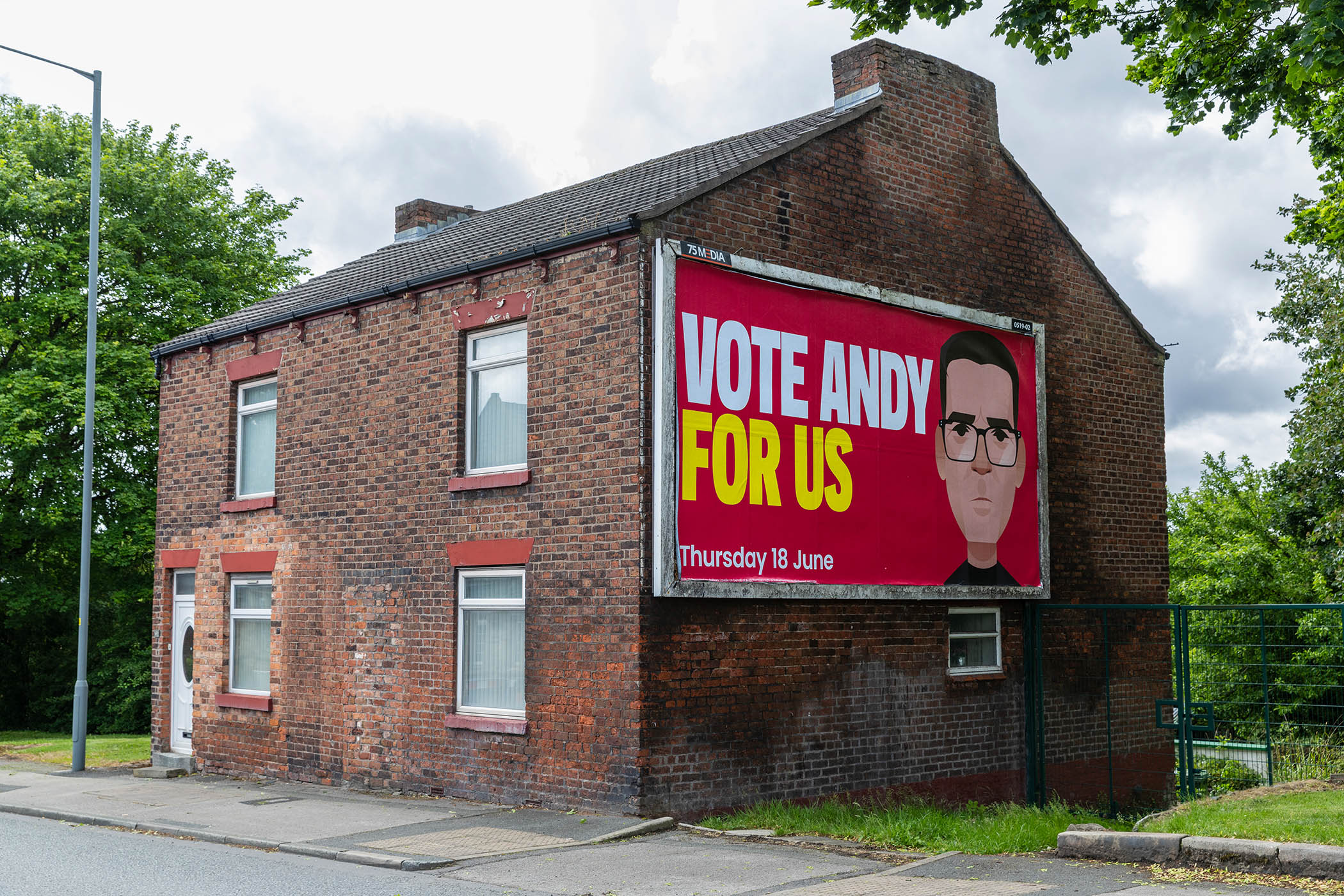
Vote Andy Burnham billboard near Hindley in The Makerfield Constituency
The dance between local and national issues is complicated. Reform activists accept that they won the local elections because of Keir Starmer. Both Aldred and Royds cried when they found out Simons was stepping down, but both are now reconciled to seeing him go for the greater good: to stop Reform winning the next general election.
Both get vertigo at the prospect of what they might lose locally if Reform’s Robert Kenyon – a man they regard as too inexperienced to be useful – is the new MP. Both want a Labour victory in the byelection but, if you push them, they think a Reform win may be more likely.
Perhaps Burnham’s greatest gamble is to put all this on the line in a constituency where trust seems to be at a premium. The spot where the flooding was at its worst now greets visitors with a newish metal arch proclaiming the Platt Bridge community garden. The fences, gates and benches near it are built only to be indestructible; to defend the quality of life that is left, without any ambition of adding to it.
Each one says, in effect: “We don’t trust you not to break this, or tear up the grass behind it with your quad bike.” The houses – many of them – are as neat as pins, but public spaces are overgrown with nettles and elder, strewn with empty bottles and cans.
In such a place it may take more imagination, and a greater leap of faith, to believe in a better version of the current system – the one Burnham says he is offering – than to think it should be torn down.
What if it turns out there is no “king of the north”? What if all Labour is left with after the flood is a broken Manchester mayor and a government wrecked by collateral damage? The party is going all-out to avoid that horror show.
A couple of days ago, the cabinet minister Douglas Alexander knocked on a door in the constituency, to be met by an older couple who jumped in before he could properly introduce himself: “Oh yes, we know exactly who you are – you’re the secretary of state for Scotland. We’ve already had a visit from Yvette Cooper and Wes…”
Would any of those politicians, with all their experience, tell you, hand on heart, that they are confident of winning here? Not remotely.