

Bacterial meningitis is an assassin. It kills and maims its victims because they realise too late how much danger they are in.
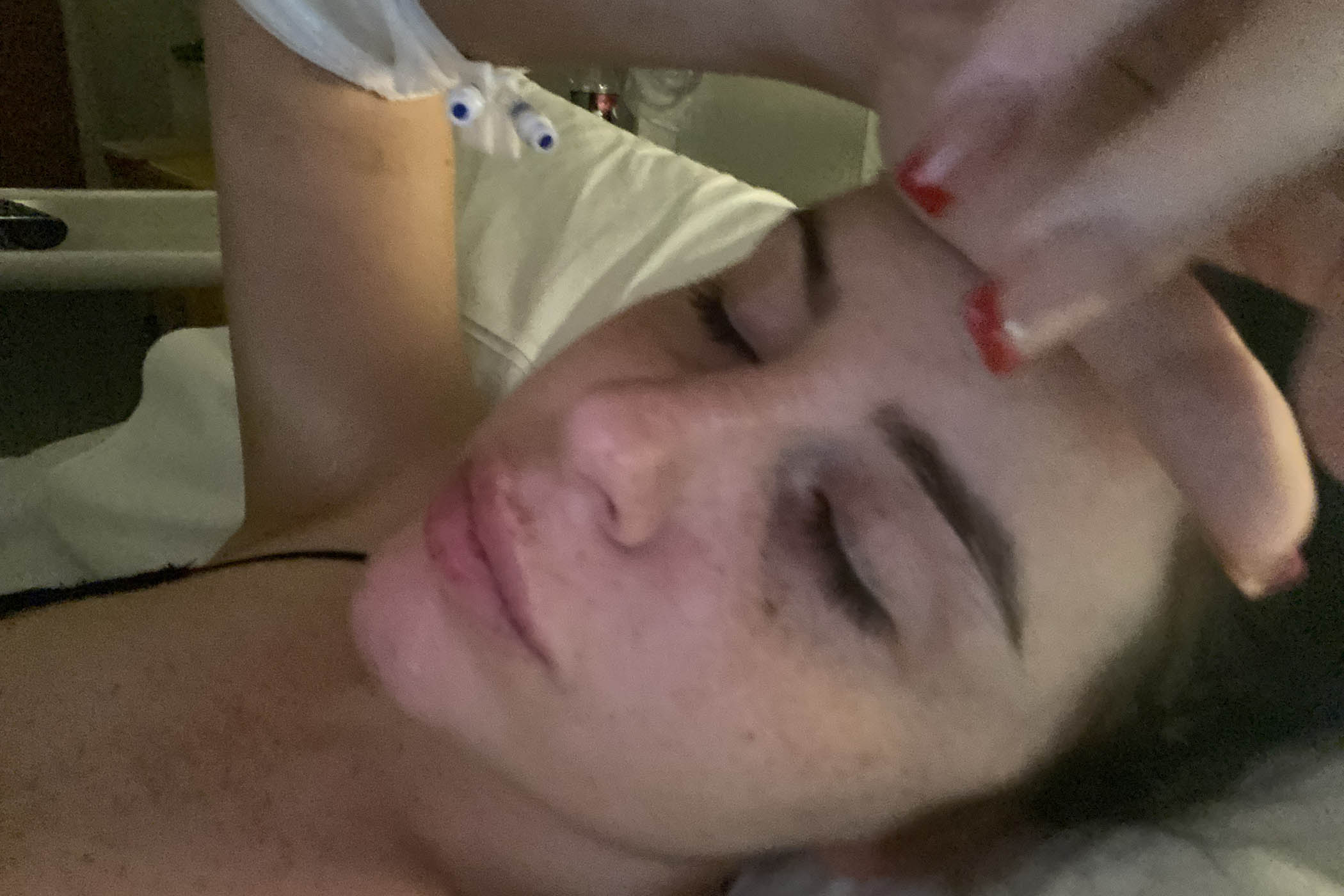
Olivia Griffiths had gone to A&E after getting a headache and stiff neck – the “exact same symptoms” as her first episode of meningitis B two years earlier. That had cost the teacher her hearing, left her in chronic pain and suffering three migraines a day. But she loved teaching, and was two weeks into her first term back.
After a triage nurse had reassured her, Griffiths “ended up stupidly leaving” hospital. “But I got worse and worse,” she said. She went back to A&E and demanded that the medics take the idea seriously. It was a struggle.
“I was going to be sent back home. They said, ‘You can’t get it again – it’ll probably just be flu.’ But the lumbar puncture confirmed it and I was in hospital for another three weeks.” Many of the tragedies of meningitis follow a similar path. Michael Rosen’s son Eddie didn’t seem to have the persistent rash or sensitivity to light that are among thedisease’s hallmark symptoms. He went to bed with a headache. But in the morning, the poet found the 18-year-old had died in the night from meningitis C.
Juliette Kenny started to vomit in the evening, a week after the outbreak at Club Chemistry in Canterbury began on 5 March; the next day, the sixth-former died in hospital.
Scientists know a lot about how meningitis works but not why. Meningitis B is caused by a bacteria called Neisseria meningitidis that lurks in the nose and throat in about 10% of the population and up to a quarter of young adults.
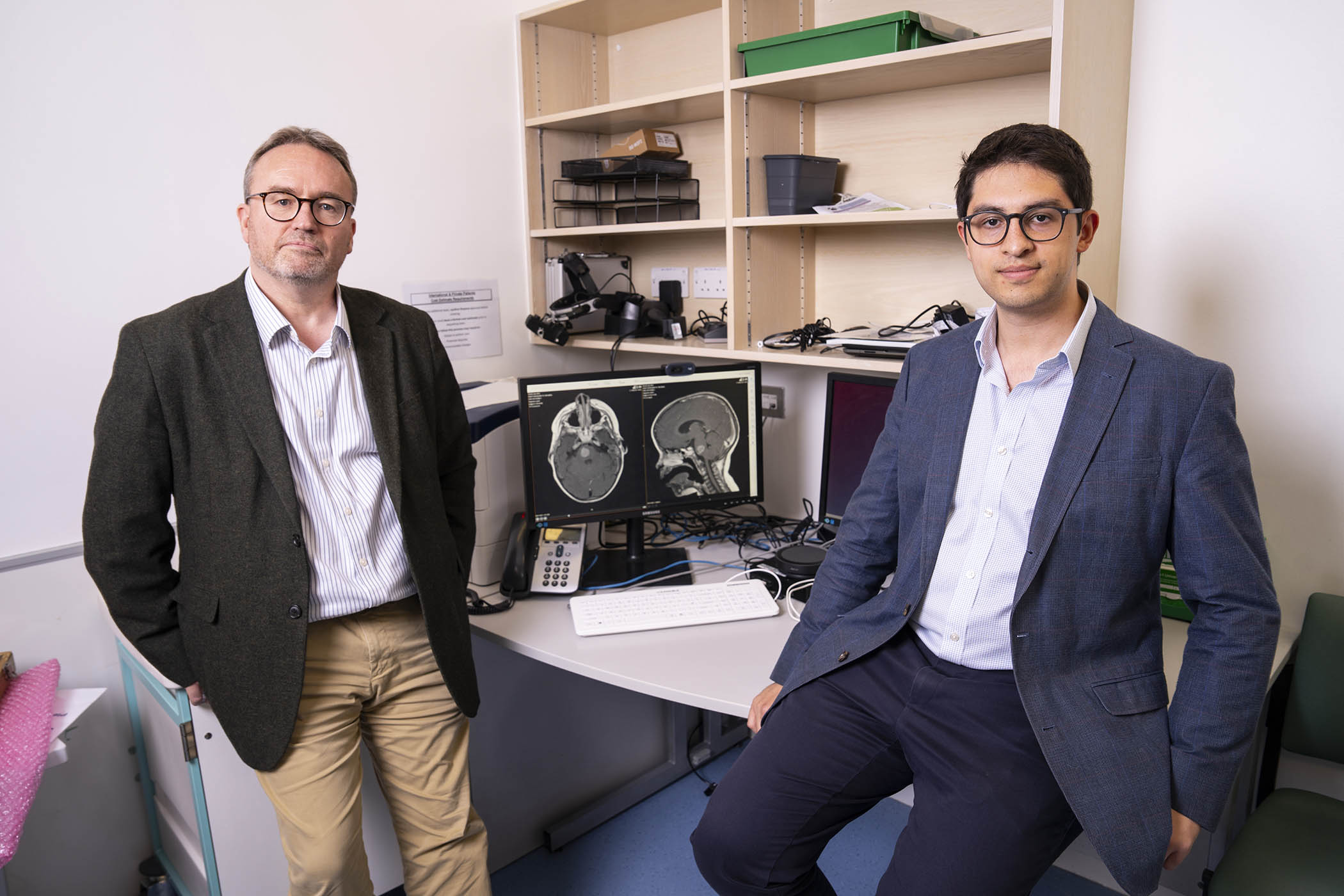
“Most people will never get the disease at all,” said Simon Clarke, associate professor of cellular microbiology at the University of Reading. “These bugs live on us. They don’t cause us any problems. So what makes them switch?”
Meningitis explained
Whatever the reason why the bacteria become invasive, when that switch happens, the bug spreads from the throat into the bloodstream and past the blood-brain barrier into our spinal fluid. With fewer immune defences to slow the bacteria down, the body tries to defend itself by inflaming the membranes that surround the brain and spinal cord.
But swelling from the inflammation puts pressure on the brain, damaging it – the reason why meningitis causes deafness, paralysis and seizures. Meanwhile, the bacteria cause blood poisoning, or meningococcal sepsis, which overwhelms other organs. Doctors treat the disease with antibiotics to kill the rapidly growing bacteria and steroids to calm the inflammation.
Newsletters
Choose the newsletters you want to receive
View more
For information about how The Observer protects your data, read our Privacy Policy
The outbreak in Kent has focused on the two students who died – the other was a 21-year-old student at the University of Kent – but some of the survivors may have life-changing after effects. Yesterday, the UK Health Security Agency said the number of cases had risen to 34.
“The students going through this will be scared,” Griffiths said. “If it’s the same treatment I was on, it is heavy.” They may not have much hope. “I was told this is going to be your new normal for ever – chronically ill for ever,” she said. “I didn’t want to believe it.”

Olivia Griffiths
How to tackle it
In 2024-25, there were 378 confirmed cases in England of invasive meningococcal disease, including 31 deaths. Even rapid treatment may not be enough to prevent more – but fortunately, we have vaccines.
We have them because Rino Rappuoli, an Italian immunologist, introduced a process called “reverse vaccinology”. The conventional approach of growing a weaker strain of the bacteria in a lab would not work. Instead, Rappuoli used genomic sequencing to understand the structure of Neisseria meningitidis and predict what molecule might combat it. The result was Bexsero, a GSK drug that has been given to infants in the UK since 2015. After the first year, it was shown to be 83% effective against all strains of meningitis B, halving the number of cases.
Trumenba, made by Pfizer, is typically the vaccine available to buy in pharmacies, and is similarly effective.
Since 2015, when Bexsero was rolled out for one-year-olds and a vaccine against most other types of meningitis – A, C, W and Y – was also introduced, about 90% of all cases have involved meningitis B. But older children remain unvaccinated – there are about 5.7m in the UK aged between 12 and 18. The Meningitis Research Foundation believes they should all be offered the jab.
Juliette Kenny’s father, Michael, has backed their campaign. “Juliette’s impact on this world must be lasting change,” he said last Friday. “Now is the time to ensure families are safe from the impact of meningitis B.”
Why vaccination won’t be easy
Wes Streeting, the health secretary, is under further pressure from MPs, with 40 urging him to begin a catch-up vaccination programme for university students. He has referred the issue to the joint committee on vaccination and immunisation to examine the evidence. Delivering such a programme would not be simple. Vaccinations are delivered by GPs and the School Age Immunisation Service and both are under pressure, says Greg Fell, president of the Association of Directors of Public Health.
For decades, health secretaries have talked about the “left shift”, moving resources from hospitals to communities to prevent illness, he said. “But the reality is we haven’t done that. We’ve invested in hospitals, not primary care, and primary care is under pressure.”
“Even though GPs deliver vaccinations very well, they do not have the resources to chase the harder cases,” Fell said. “If I missed a letter that goes into a school bag with a thousand other letters, who is going to follow up?”
Another issue may be supplies. Although Bexsero’s shelf life is three years, it takes many months for GSK to brew a batch at its plant in Marburg in Germany, and then go through quality checks. Both GSK and Pfizer have developed a five-in-one ABCWY vaccine, but neither is licensed for use in the UK and are not going through any approval process.
Yesterday, students continued to queue for a jab at ad hoc clinics set up in Canterbury and Faversham, with some waiting since 7am before doors opened at 9am.
“They should definitely take it. It shouldn’t have taken this for people to be aware of the risks,” Griffiths said. Her second meningitis infection forced her out of teaching and left her with brain fog, chronic fatigue anxiety and depression, as well as a fear that being in public places might leave her vulnerable to a third infection. She credits her recovery to changing her diet to whole foods and doing Pilates. She is now a Pilates instructor and is running the London marathon next month to raise money for the Meningitis Research Foundation.
“I’d like to visit universities and raise awareness of meningitis so that students can differentiate between a hangover and something more serious,” she said.
“Nobody seems to be aware of the impact the disease can have.”
Warning signs of meningitis
•
Sudden high temperature
•
Headache
•
Vomiting
•
Confusion
•
A rash that does not fade when pressed against glass
•
Stiff neck
•
Dislike of bright lights
•
Seizures
•
Muscle and joint pain
•
Rapid breathing