

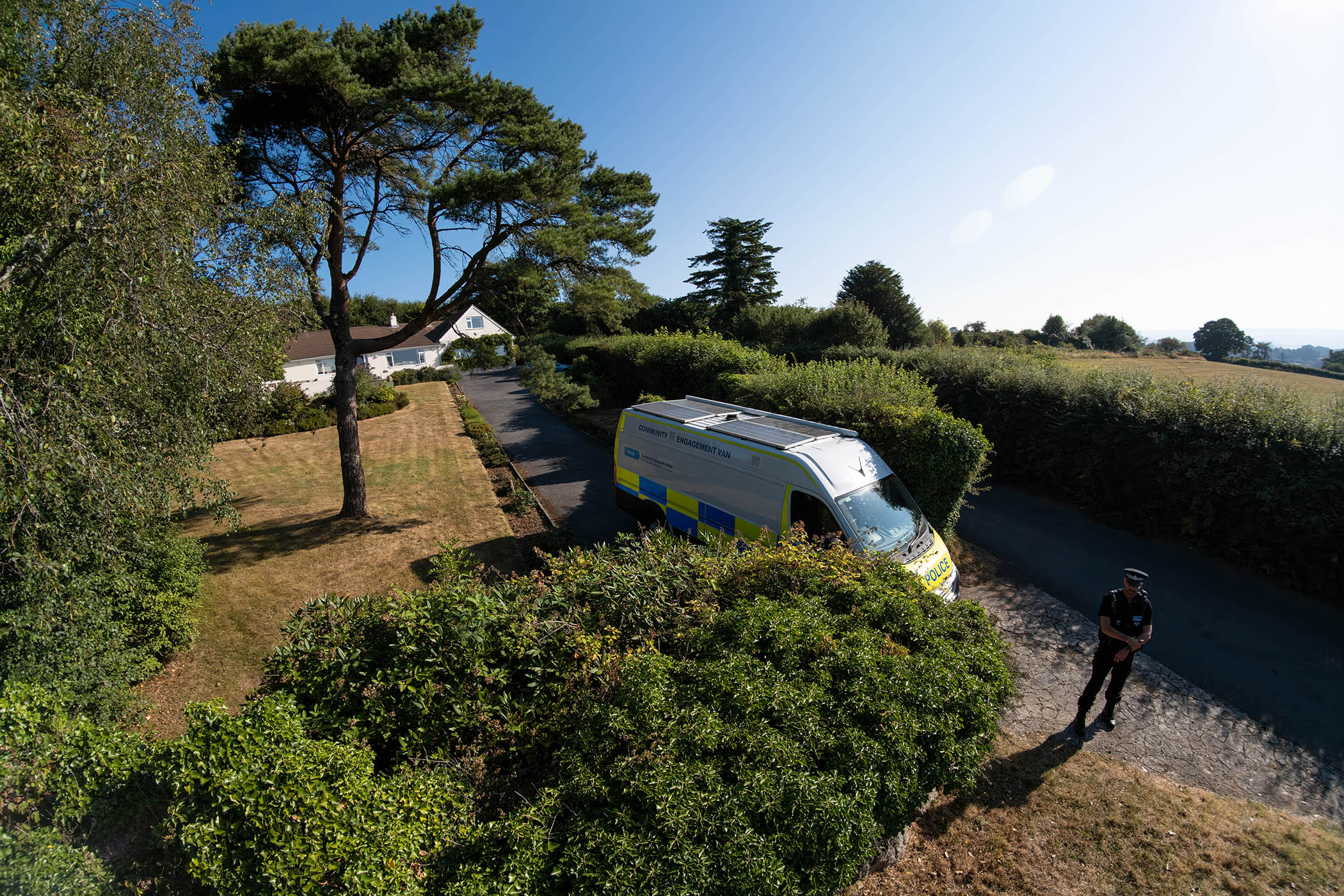
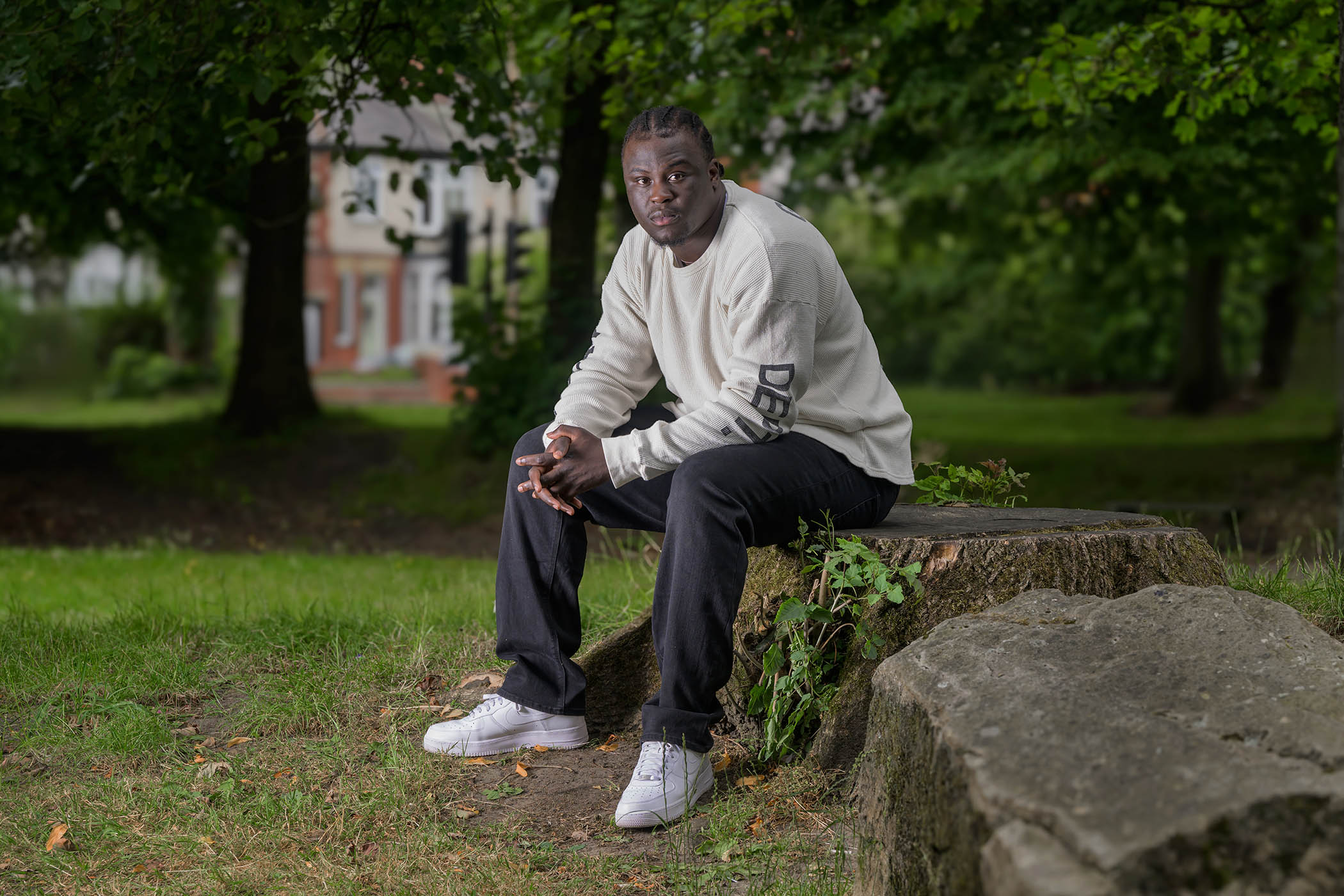
Photograph by Steve Morgan for The Observer
Detective Superintendent Rachel Wilson, head of Merseyside police’s major incident team, believes DNA evidence offers the best chance of finding the man who killed Diane Sindall in Birkenhead in 1986.
At the time, the semen found on Sindall’s body was too diluted by rain to be analysed, but techniques improved over the decades and three years ago the Criminal Cases Review Commission presented the police with a full DNA profile. It immediately ruled out Peter Sullivan, who was still serving time for the murder. A very cold case had to be reopened.
The fast and foolproof route to solving the crime would have been finding a perfect match between the murderer’s DNA and one of the 7.25m samples on the police national database. For DS Wilson and her team there was no such luck: the killer’s DNA is not there.
They have now spent nearly three years on a longer and less certain road, identifying men whose DNA on the database indicates a familial link to the man whose semen was found on Diane Sindall’s body and, through those samples, trying to work their way back to the killer himself.
Wilson describes the approach as building “a matrix... a location linked to the investigation, a witness, potentially, a name that’s been put forward”. At the heart of it are the closest DNA matches and people with links to places near the scene of the crime (Wilson thinks the evidence suggests the killer was a local man). From there, it moves outwards: less good matches, men who lived further away. One by one, the police contact them to rule them in or out. So far, about 550 men have been ruled out.
Some leads begin with old-fashioned policing – a tip-off, perhaps, or a name that came up in the original investigation – and end with a request for a man to provide a DNA sample. Others run in the opposite direction, starting with a familial DNA sample that is already on the database; they have to be followed up with a phone call or a visit.
The “signatures” of Diane Sindall’s killer were appalling. Both her murder and the mutilation of her body were sexually motivated. Wilson believes it is unlikely to have been her killer’s first offence, and it may not have been his last, so the inquiry is looking at other sexual assaults around the north-west of England before her death and since, “to see whether we can establish any other links”.
Wilson is unfazed when it comes to the difficulties of reopening one of the highest-profile murder investigations in the history of Merseyside police, and when it comes to acknowledging her predecessors got the wrong man.
“I’ve got no concerns about picking this investigation up,” she says. “We’re very experienced and I’ve got 30 years as a detective. In terms of that investigation at the original time, it was actually very thorough. But in terms of concerns about integrity, et cetera, I’ve got absolutely none.”
Newsletters
Choose the newsletters you want to receive
View more
For information about how The Observer protects your data, read our Privacy Policy
Wilson’s new team is smaller than one she would assemble for a murder today, she says, but highly experienced. “We have to just keep going until we can say, actually, we’ve done everything we can,” she adds. “And we are nowhere near that point in terms of identifying men who potentially could be our attacker. Ultimately, we’ve got a family who are still waiting for justice. We have an offender who’s still out there, so we’re absolutely determined to keep going.”
Crimestoppers is offering a £20,000 reward for information that leads to the arrest and conviction of Diane Sindall’s killer. Call 0800 555 111 or visit crimestoppers-uk.org.