
Trinity students are known for having a robust intellect, an ability to ace exams and a ferocious lust for learning. But one newcomer to the Cambridge college is leaving a rather different mark: “sparkly poo”, empty mussel shells and a trail of paw prints beside a brook that flows into the river Cam.
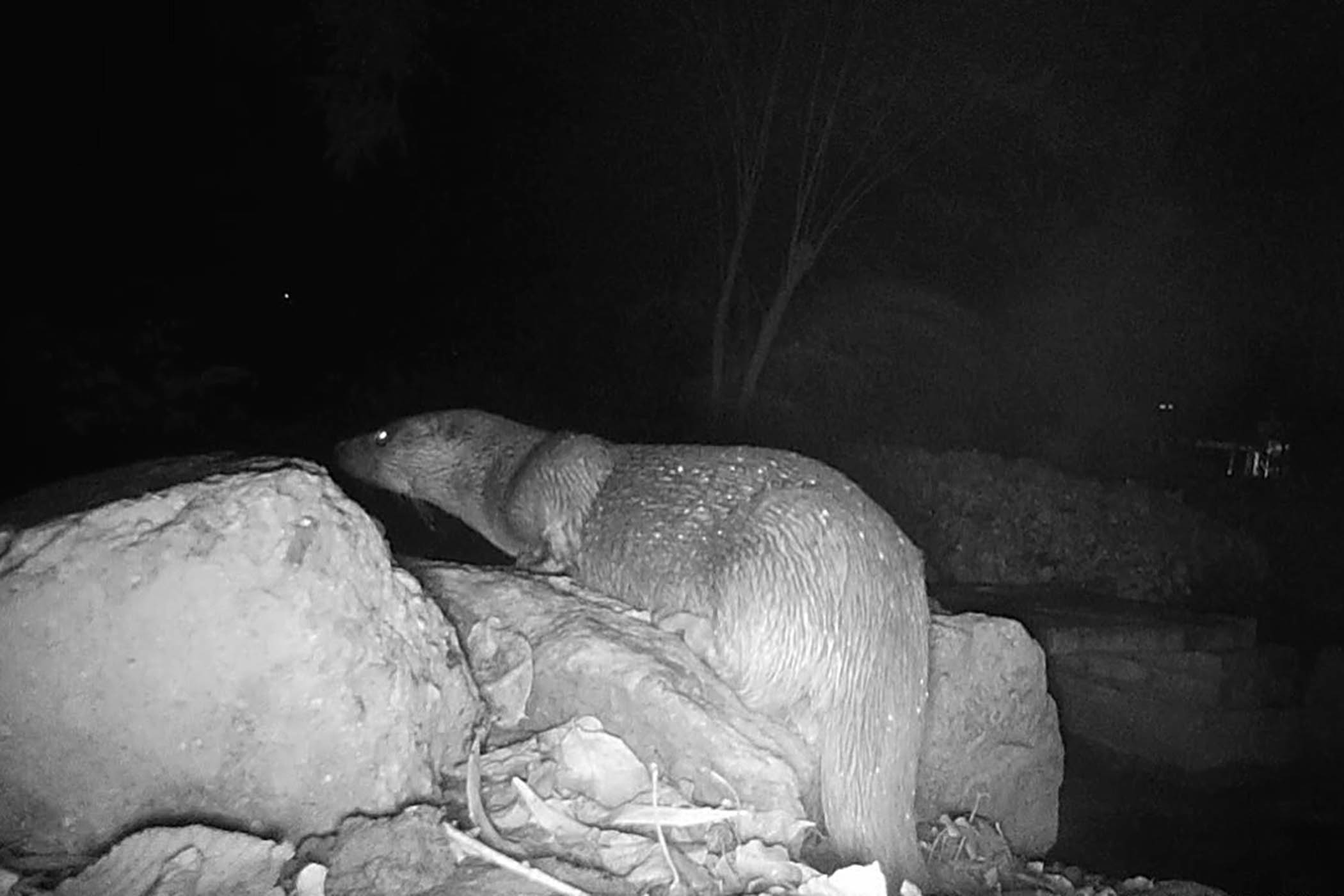
An otter has been spotted for the first time in the college grounds, caught on camera lurking in the Fellows’ Garden at night. There is no evidence yet that it was having a breather after a few too many Aperol spritzes at a student party.
The fresher with a difference is the first apex predator to grace Trinity since Lord Byron, prohibited as a student from bringing his dog into the college, instead brought a bear. In a letter in 1807, the poet wrote: “When I brought him here, they asked me what to do with him, and my reply was, ‘he should sit for a fellowship’.”
The otter may have its eyes on a similar prize. Historically, only senior academics at Trinity were permitted to access the Fellows’ Garden, situated in the Backs, the green area that backs on to the Cam, although it is now open to students and other staff.
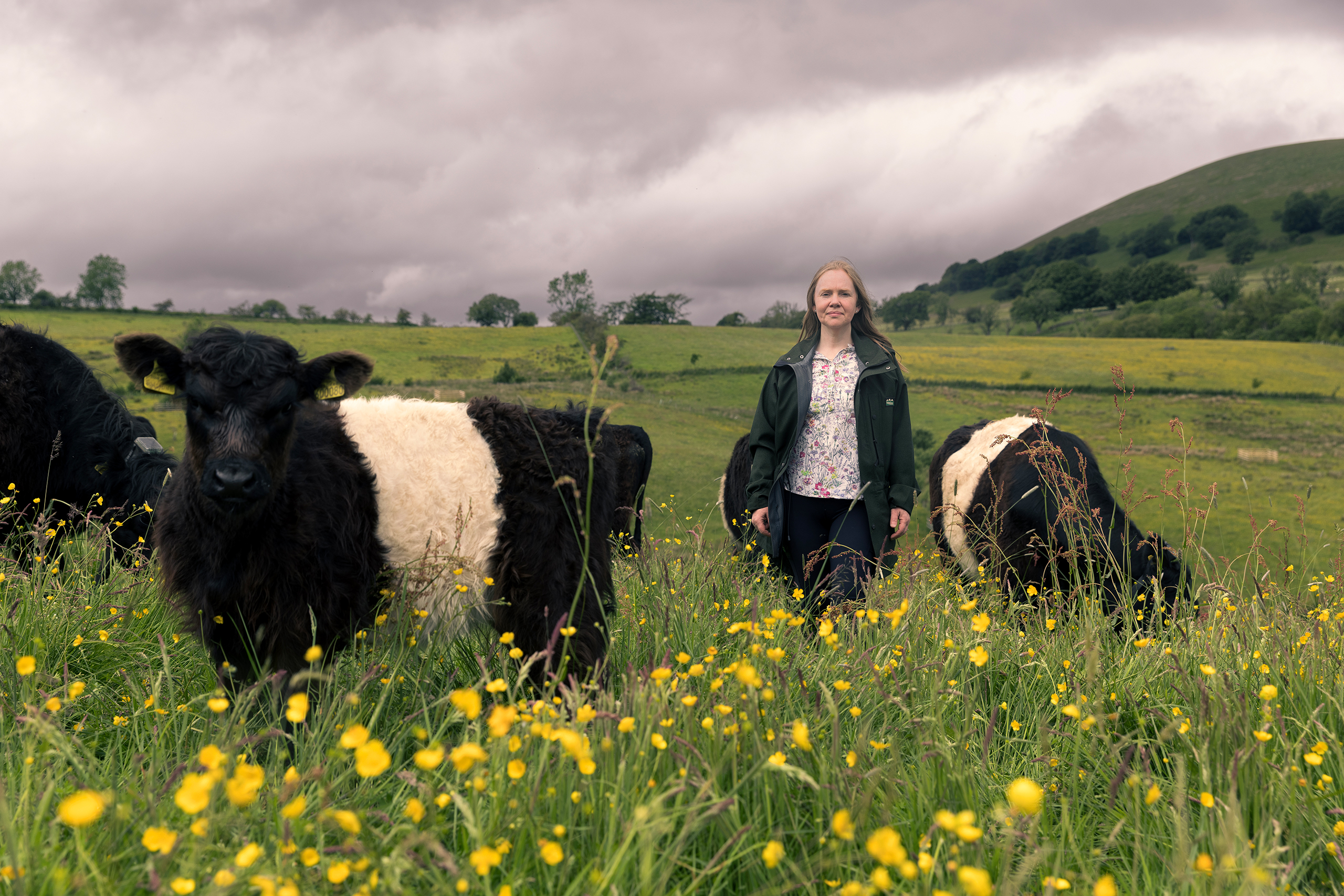
Trinity’s head gardener Karen Wells first identified the otter from its droppings, which sparkled with silver fish scales.
After observing fish bones, mussel shells, webbed paw prints and “a lot of otter poo” by a small slab bridge across the brook, gardeners set up a wildlife camera in December, hoping their nocturnal visitor would return.
“It took a good few weeks before we actually caught it on camera, and the first time we got just a millisecond of the otter’s bottom disappearing back into the river,” Wells said.
The adult male – known as a boar – was eventually filmed crossing the bridge, diving into the brook and looking about the eight-acre garden. The footage made her “squeal with delight”. Wells added: “It was absolutely magical and really exciting. It shows we’re doing the right things from a biodiversity and sustainability perspective.”
Once widespread, otters teetered on the brink of extinction in the UK in the 1970s after organochlorine pesticides caused catastrophic reproductive failures. Now a protected species, they have had a remarkable resurgence in England and were identified in the Cam in September after Cambridge city council created new wetlands in a local nature reserve.
The otter’s arrival in the Backs highlights how effectively college gardeners are working together to provide vital sanctuaries for wildlife along the river, forming a “green backbone” in the heart of Cambridge.
Newsletters
Choose the newsletters you want to receive
View more
For information about how The Observer protects your data, read our Privacy Policy
Wells said: “Everybody has a biodiversity aim, and all the head gardeners have regular meetings. We’re all trying to pull together on this.”
Photograph courtesy of Trinity College Garden Team