
‘The behaviour of a few risks our role being undermined and undervalued’
‘The behaviour of a few risks our role being undermined and undervalued’
Lord Bassam of Brighton
Lord Bassam of Brighton
Thank you for calling out the opponents of the assisted dying bill in last Sunday’s edition. Forcing concessions on a government bill using delay is a well-worn path, but filibustering on an industrial scale while pretending to scrutinise a bill is not.
Most peers know how to improve legislation because that is what we do. The behaviour of a few who are being well organised risks our historic role being undermined and undervalued.
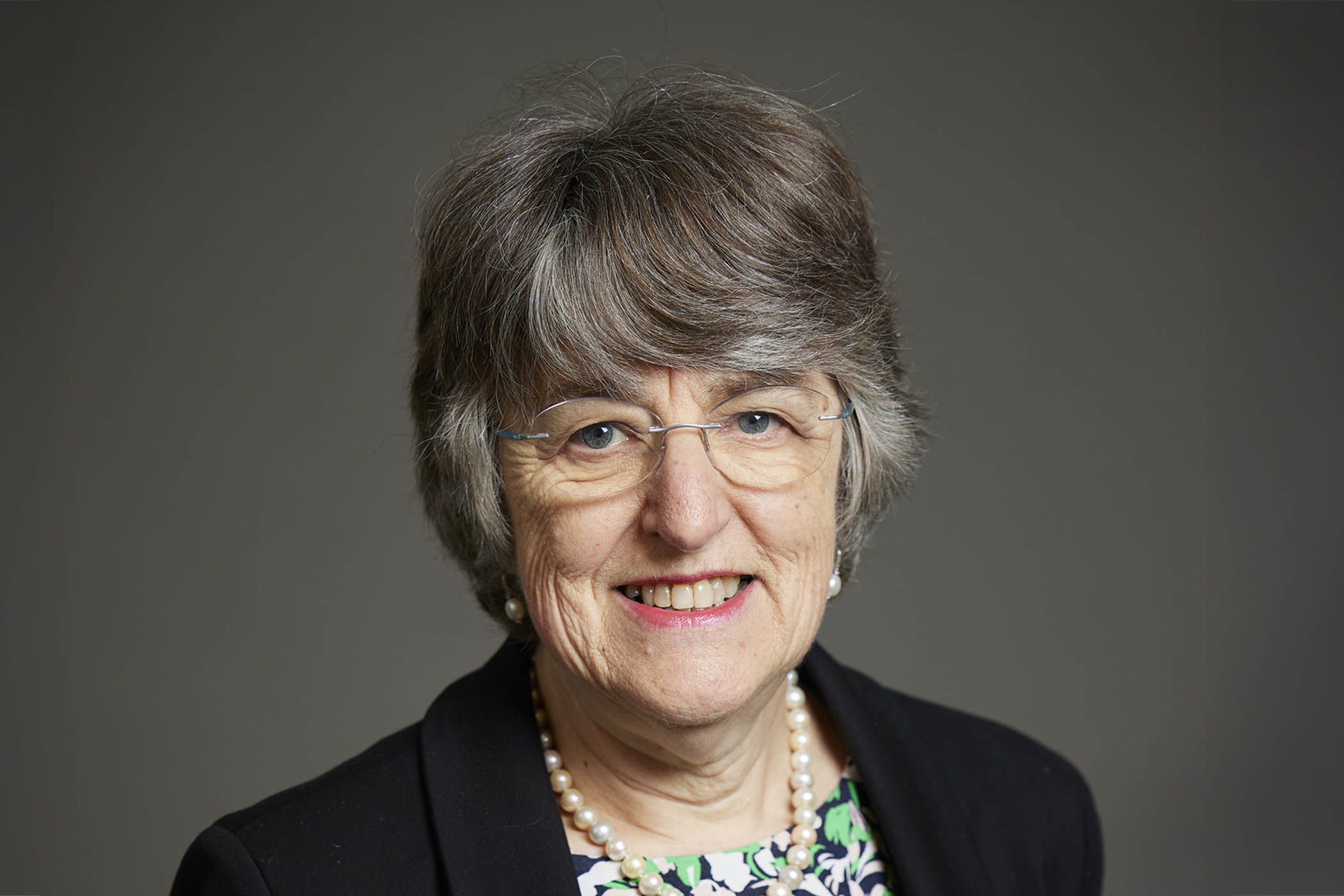
Baroness Finlay of Llandaff
The House of Lords has a moral responsibility to scrutinise legislation. It is essential, especially when a bill has obvious flaws and fundamental questions that haven’t been addressed.
The assisted dying bill is rightly being rigorously scrutinised by peers. It is a bill with serious failings, and as a private member’s bill it simply isn’t the right vehicle for such significant legislative and societal change. It has had none of the usual consultations or pre-legislative scrutiny that new laws generally require.
The bill has not addressed the need for robust protections against the coercion of seriously ill and vulnerable people. We have a duty to ensure that we safeguard those that are vulnerable and marginalised; the very people in our society that this paper has historically tried to give a voice to. The bill doesn’t go anywhere near far enough on this point. Indeed, not a single Royal College, professional body or cabinet minister will say that this bill is safe.
I am unapologetic when it comes to voicing difficult questions. It is staggering that we are being asked to vote on this bill without the government having brought forward details of what palliative care will look like in this country in the months and years ahead. As Simon Stevens, former chief executive of NHS England, has said, “to introduce assisted dying while palliative care is underfunded and inequitably delivered, as is currently the case, brings evident and substantial risk”. How can people truly have a choice if the care they need simply isn’t there?
‘If we get this wrong, we will end up with deeply flawed legislation we can’t take back’
‘If we get this wrong, we will end up with deeply flawed legislation we can’t take back’
Baroness Finlay of Llandaff
Nor have questions been answered about how we can protect against coercion when life-or-death assessments will be permitted to take place virtually, or via voice note. High court oversight that was once included in the bill has been stripped out and replaced with an unprecedented and untested panel system.
How do we ensure that young people, in desperate need of mental health treatment, will not have an incentive to make themselves eligible for an assisted death instead, either by starving themselves or refusing treatment for a manageable illness? Those pushing this bill can’t and won’t answer these questions.
Newsletters
Choose the newsletters you want to receive
View more
For information about how The Observer protects your data, read our Privacy Policy
We need to be realistic. If we get this wrong, we will end up with deeply flawed legislation that we can’t take back. The consequences of doing so will be nothing short of devastating, particularly for the most vulnerable in our society. It will be us, in parliament, that will be held accountable.
Baroness Morgan of Huyton
The Commons is the representative body and has voted to support.
Our role is (genuinely) to scrutinise, to improve detail. And only to do that.
I remain of the view that this is an issue of personal empowerment and choice. The public support a change.

Lord Cooper of Windrush
The campaign by a small and profoundly unrepresentative group of peers to block assisted dying is a shameful abuse of parliament. It is deeply undemocratic – defying the will not only of the elected house, but also of the substantial majority of the public who strongly and consistently support not only the general principle of assisted dying, but the specific version of it contained in this bill.
There is nothing dishonourable, of course, in being opposed in principle to assisted dying. But it is deeply dishonourable to posture to be wanting to improve a bill when the plain intent is simply to stop it at all costs. Their disregard for the pain, suffering and indignity that so many people suffer at the end of their life, and which the right to an assisted death addresses, is contemptible.
Baroness Mattinson
All the evidence from reputable polling organisations shows that the public consistently support assisted dying by very large majorities. YouGov finds that three-quarters of Britons believe that assisted dying should be legal in principle in the UK, while just one in seven (14%) believe that it should not.
In December, More in Common reported that support for the detail of the bill itself stood at 67%, with people reassured by the proposed safeguards. The public clearly want this legislation and would struggle to understand if, after months of debate, parliament were to fail to come to a decision.
Lord Watson of Invergowrie
I am a supporter of the bill, but were I opposed, I would still regard the blatant filibustering as an attack on the basic principles of serious scrutiny for which the House of Lords is rightly admired well beyond the UK.
The huge number of amendments submitted does not represent serious scrutiny.
‘An attack on the basic principles of scrutiny for which the Lords is admired’
‘An attack on the basic principles of scrutiny for which the Lords is admired’
Lord Watson of Invergowrie
Although a relatively small number do have the aim of filling what some peers believe to be gaps in the bill, most are simply a device to provide the space for endless speeches, often repeated virtually word for word.
The aim of most peers opposed to the bill is not to amend it, it is simply to end it.
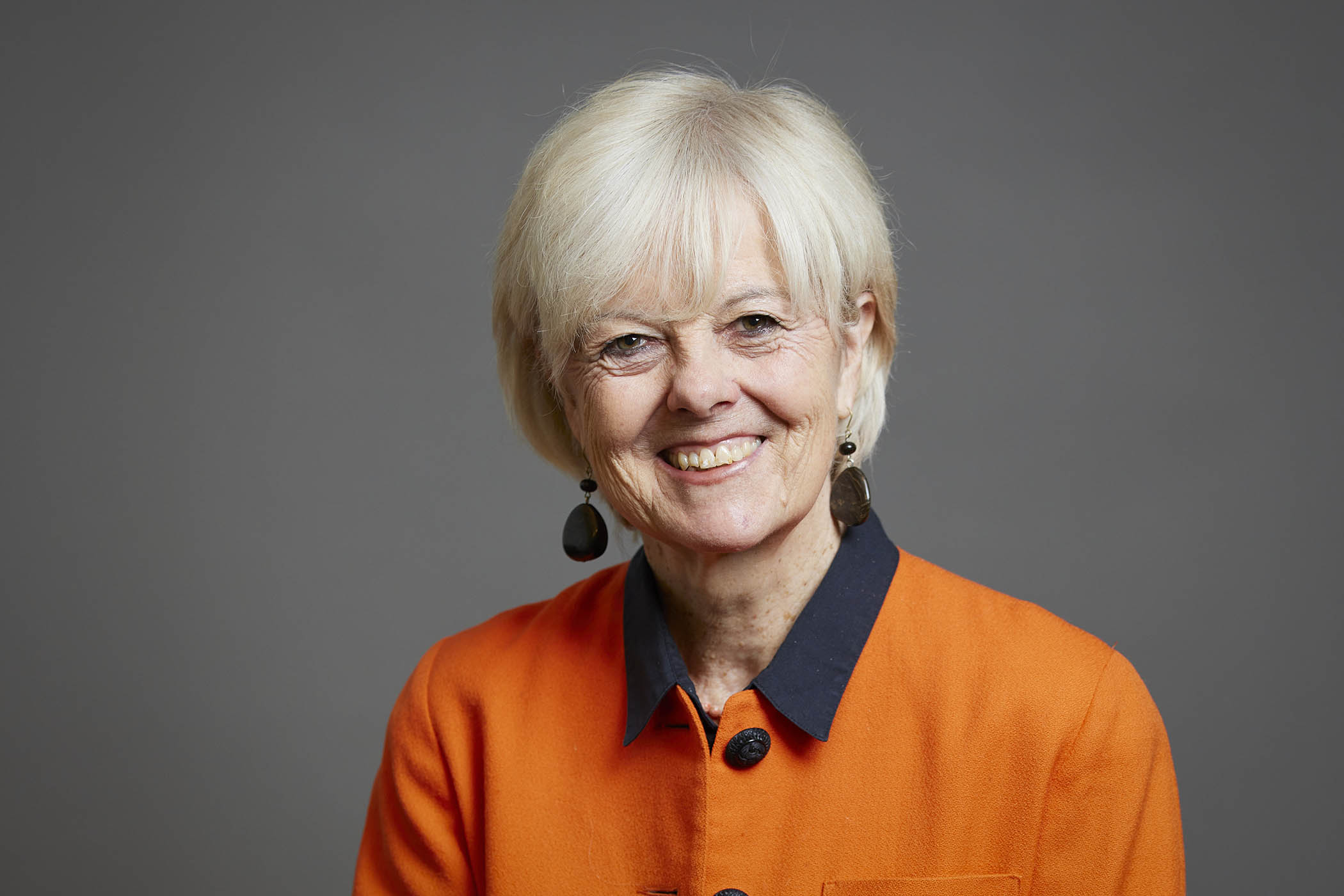
Baroness Hayter of Kentish Town
Those hostile to the bill are letting down the cohort of dying people, and their families, who want to know that – should the last days and weeks prove unbearable – there is a better and safe way of taking their leave of life. Political shenanigans are no way to respect the human rights of fellow citizens.
Lord Dubs of Battersea
Congratulations to The Observer for its exposure of what’s happening in the Lords regarding the bill on assisted dying. Peers have the right to apply detailed scrutiny and seek to amend the bill, but blocking it by procedural tactics brings parliament into disrepute.

Thomas Lyttelton, 3rd Viscount Chandos
Consideration of the assisted dying bill should be based first and foremost on the interests of those facing painful and undignified final months of life.
The excruciatingly slow passage of the bill in the House of Lords has now also made it a test of our parliamentary system.
Whether through deliberate tactics or ill-discipline, sceptics of the bill have not made good use of the unprecedented amount of time made available for it. If, as seems likely, it runs out of time in this session, it would be entirely justified for it to be revived in the next session under the Parliament Act 1911.
The primacy of the House of Commons applies just as strongly to a private member’s bill as to a government bill, and the Commons has fairly reflected the balance of opinion in the country.
‘Defies the settled decision of most people in this country’
‘Defies the settled decision of most people in this country’
Baroness Whitaker
To prevent this bill from passing would not only defy the elected parliament, it would defy the settled decision of most people in this country. The result would be the denial of choice to those whose lives were soon to end, and in unbearable pain.
If they were medically skilled or rich enough, such people could arrange their passing without fear of criminal stigma. Our health service does not in reality reach all the way “from the cradle to the grave”. It stops short before the grave. Only the fortunate can make it go all the way.
Would not such a result be profoundly undemocratic? This is surely not what the public expects of its House of Lords. Nor does it depict the values of self-regulation. Arguably it damages these values in the eyes of the public.
‘The public want choice for those who qualify’
‘The public want choice for those who qualify’
Baroness Alexander of Cleveden
Baroness Alexander of Cleveden
The Observer’s coverage succinctly captures the sustained procedural shenanigans by a small number of peers to prevent the passage of the assisted dying bill. The public want choice for those who qualify and who wish it to choose a peaceful death. The bill’s opponents unarguably have the right to oppose, but the minority who wish to filibuster the bill to death should think again.
‘An unfortunate way to mark my first year in the Lords’
‘An unfortunate way to mark my first year in the Lords’
Baroness Hunter of Auchenreoch
Baroness Hunter of Auchenreoch
I am a relative newcomer to the House of Lords, and the thing that has most impressed and humbled me is the quality and calibre of its members. The terminally ill adults (end of life) bill, however, has dismayed me. A very small number of people – and I respect their strongly held views – are effectively killing a bill that has been passed by our elected representatives and which has majority support amongst the public.
Another admirable aspect of the House of Lords is that it is self-regulating, courteous and disciplined, and the atmosphere now is not what I have hitherto known.
It is an unfortunate way to mark my first year.
‘Legislation would give small number of people peace of mind’
‘Legislation would give small number of people peace of mind’
Baroness Wheatcroft
Baroness Wheatcroft
Any legislation deserves proper scrutiny in the Lords but the succession of hypothetical situations being portrayed by peers as risks inherent in this bill is extraordinary. To provide safeguards against each and every one of them would be almost impossible and is not necessary.
The public wants a degree of choice at the end of life. Yet some opponents make it sound as if compulsory euthanasia is the aim of the bill’s supporters. The elected House voted for a narrowly framed piece of legislation that would give a relatively small number of people peace of mind. Their will must prevail.
‘I am grieved that compassion and mercy are being lost’
‘I am grieved that compassion and mercy are being lost’
Baroness Young of Old Scone
Baroness Young of Old Scone
The failure of the terminally ill adults (end of life) bill to make progress in the House of Lords grieves me on two counts. This bill is there to support people who are dying and don’t want themselves and their families to have to go through the last few possibly ghastly weeks, but to die in peace, in charge and with their families. Instead multiple overlays of additional checks and balances advocated by some Lords would mean that these very human beings risk being too sick and too burdened by the process to benefit. This bill is about mercy and I am grieved that compassion and mercy are being lost. I am also grieved that a few peers, by talking out this bill, can prevent it reaching report stage when the whole House could vote and definitively express support or not. As a backbencher, I am being disenfranchised on this important issue. This is not democracy.
‘Unconstitutional, undemocratic and damaging’
‘Unconstitutional, undemocratic and damaging’
Baroness Andrews of Southover
Baroness Andrews of Southover
Kim Leadbeater’s assisted dying bill which, after extensive interrogation, was passed in the Commons is better, safer and has more public support than any of the three previous bills brought forward in 20 years. The chances are now that it will die in the House of Lords at the hands of a small minority of peers hostile to the bill who have abused the normal procedures of the House – despite the fact that the House has made it clear that it wants the bill to complete all its stages.
What is happening is profoundly unconstitutional, undemocratic and damaging to the reputation and the essential work of the House of Lords. More importantly, it breaks faith with those people who at the very end of their lives trusted us to give them, finally, the right in law to a safe, peaceful and dignified death.
A cross-party letter
While the debate in the past week has been dominated by the disgraceful behaviour of Lord Mandelson, your issue “The plot against democracy” rightly put the spotlight on the fundamental threat to our politics posed by the attempt by a small minority of Lords to sabotage the terminally ill adults (end of life) bill.
As your editorial (“Lords v democracy”) put it, this is “constitutional vandalism” that “may hasten the end of the unelected upper chamber as we know it”.
Lords reform is no longer a niche issue that excites only a small number of political anoraks. When arcane procedure can be used to defy the will not only of the elected chamber, but also the clearly expressed views of a large majority of the public, it is a crisis confronting our democracy that cannot be ignored.
We have come together to address that challenge through an all-party parliamentary group (APPG) on Lords reform.
Many proposals for radical reform have been suggested over the years, but all have foundered. Today it is clearer than ever that this institution, which dates back around 700 years and is the second largest parliamentary body on Earth after the Chinese National People’s Congress, can no longer be justified in its current form.
While wholesale reform of the Lords will take time, there are some immediate and pressing issues that the APPG intends to campaign to change. These include:
• How peers who bring parliament as a whole into disrepute can be removed and have their title stripped;
• How a small minority of peers can be prevented from using procedural devices to frustrate the will of the elected House of Commons on legislation like the terminally ill Adults (end of life) bill;
• How a self-regulating chamber that refuses to actually regulate itself, in the absence of a Speaker or mechanism to control its debates, can be made to do its job of scrutiny and revision without subverting parliamentary democracy.
The Observer has performed a valuable service in highlighting these important issues, which will continue to overshadow our politics until they are resolved.
Yours,
Simon Opher MP (Labour), Kit Malthouse MP (Conservative),Andrew George MP (Liberal Democrat), Ellie Chowns MP (Green Party), Baroness Carmen Smith (Plaid Cymru)