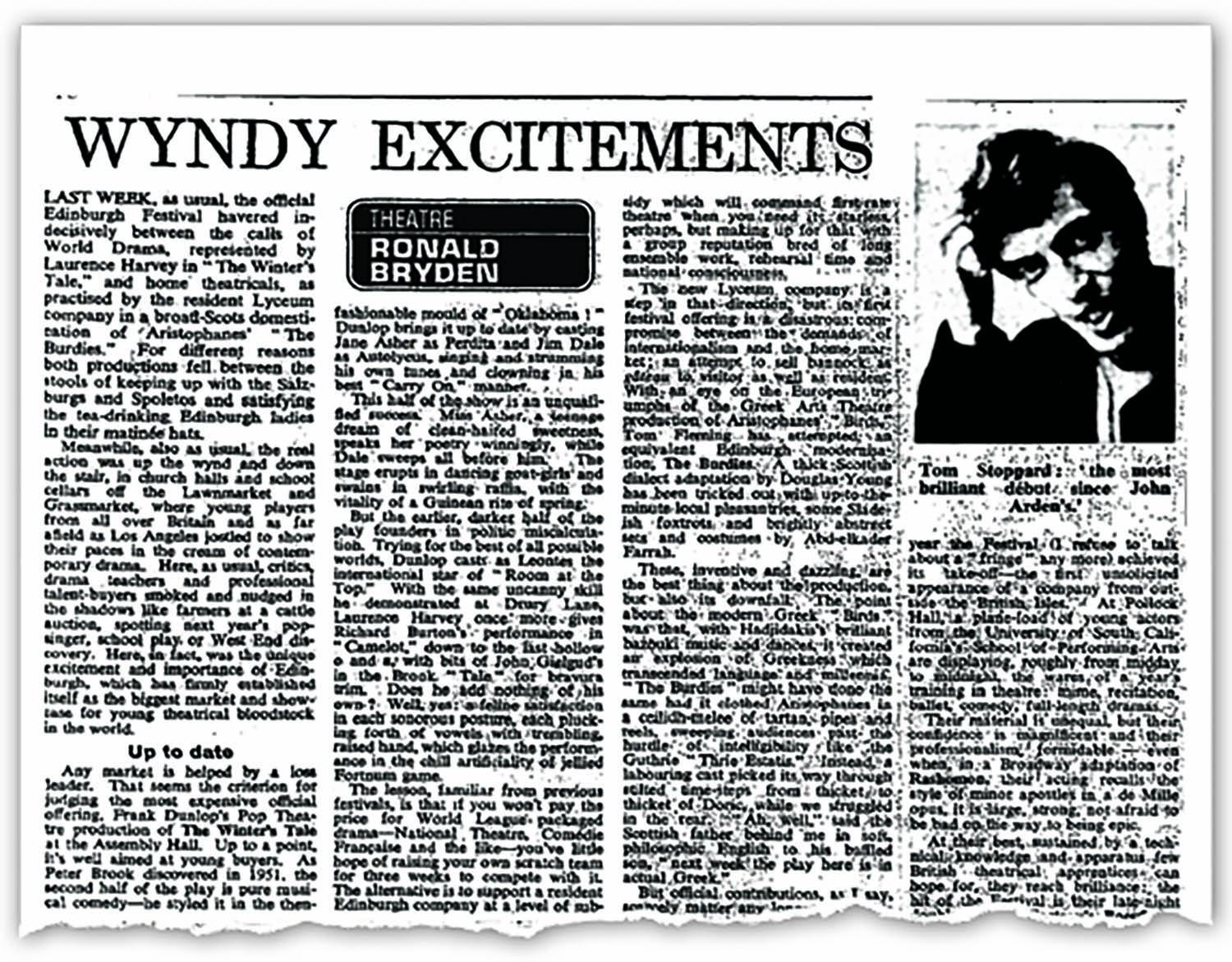
The Observer theatre critic Ronald Bryden, the first to recognise Tom Stoppard’s brilliance and considered responsible for launching the playwright’s career, was “determined not to see Rosencrantz and Guildenstern lost,” Bryden’s family has said.
Bryden, who died in 2004, aged 76, championed Stoppard’s work throughout his life. His two daughters, Pier Bryden and Diana Fitzgerald Bryden, recall the impact the men had on each other's lives. “What stunned my father about that initial Rosencrantz and Guildenstern production was the lack of critical recognition of its extraordinary combination of originality and celebration of British theatrical tradition,” Pier said this weekend. At the time, Bryden’s fellow critics were sniffy, at best.
She and her father also often admired the famous cricket bat speech in Stoppard’s later play The Real Thing. “It exemplified Dad’s perspective on ‘good’ art and theatre and why criticism matters,” Pier said.
Her sister agreed: “Stoppard's work thrilled and touched him… With Rosencrantz and Guildenstern, I believe the idea of giving life and an eerie autonomy to the ‘bit players’ in Hamlet also really appealed to him. Perhaps critics sometimes see themselves as bit parts, or behind-the-scenes participants in theatre.”
‘What stunned my father was the lack of recognition of the play’s extraordinary originality’
‘What stunned my father was the lack of recognition of the play’s extraordinary originality’
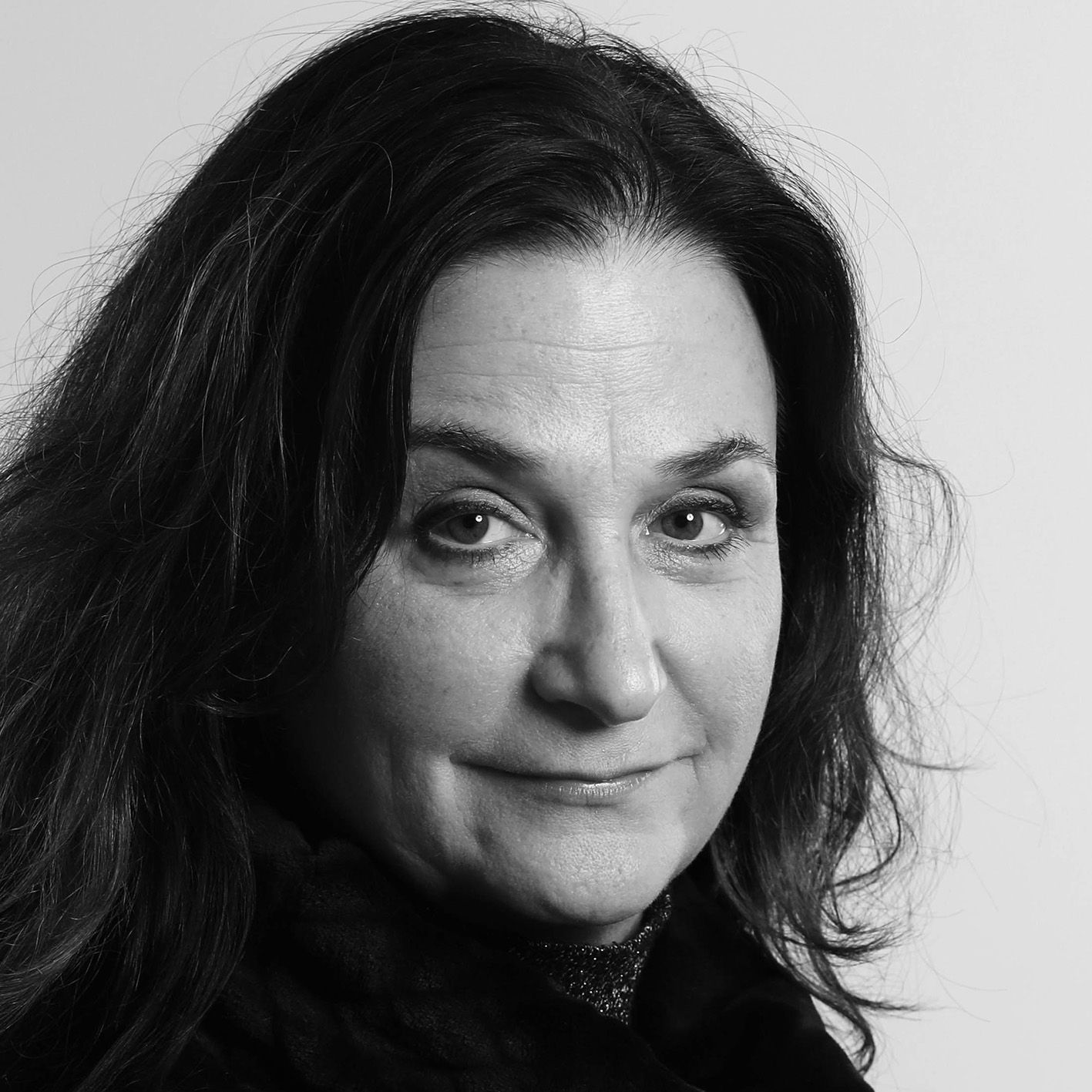
Pier Bryden
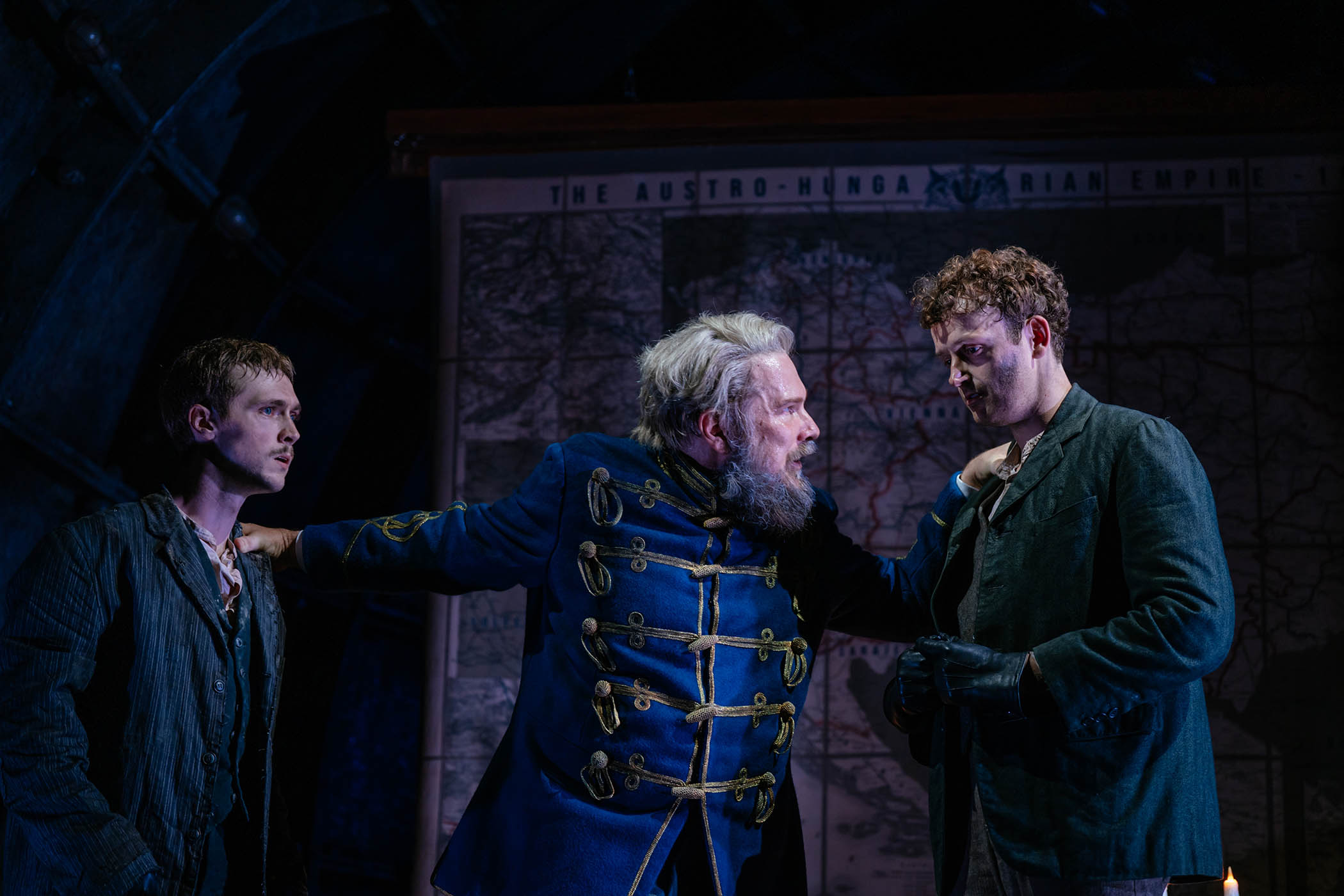
Bryden’s review ran in The Observer in 1966. He spotted Stoppard’s nascent talent, enthusing: “The best thing at Edinburgh by far is the new play by Tom Stoppard.” In a piece about several productions at that summer’s Edinburgh international arts festival, Bryden found little to praise elsewhere. Stoppard’s new work, Rosencrantz and Guildenstern are Dead, was the exception: “Mr Stoppard has taken up the vestigial lives of Hamlet’s two Wittenberg cronies and made out of them an existentialist fable unabashedly indebted to Waiting for Godot, but as witty and vaulting as Beckett’s original is despairing … Behind the fantastic comedy, you feel allegoric purposes move.” He went on to compare Stoppard to Shakespeare himself: “Like Love's Labour's Lost this is erudite comedy, punning, far-fetched, leaping from depth to dizziness.”
Kenneth Tynan, Bryden’s predecessor as theatre critic for The Observer, was the literary manager for Laurence Olivier’s National Theatre and asked to see the script. As a result, the London premiere of the play was staged in 1967 at the Old Vic, and Stoppard’s career took off.
The impact of Stoppard’s work in another field has emerged since his death. Michael Baum, emeritus professor of surgery at University College London, wrote to the Times to recount how seeing Stoppard’s play Arcadia in 1993 helped to save lives. A scene in the drama which tackles the origins of chaos theory caused, he said, a “Damascene conversion” in him, forever altering his understanding of the cancers he operated on.
Baum’s claim has attracted widespread attention. Some have applauded the way it honours Stoppard’s clear articulation of complex ideas, but others have queried Baum’s version of medical history.
Speaking on BBC Radio 4’s Today programme on Friday, the doctor clarified his position. His “eureka moment” had, he said, allowed him to see the development of breast cancer better, rather than how to treat it better with chemotherapy. This, he acknowledged, had already been developed by Dr Bernard Fisher in Pittsburgh and Gianni Bonadonna in Milan .
“The point of my letter was that chaos theory explains the enigma of breast cancer,” he added. “It is not linear. It does not just grow and grow.”
Newsletters
Choose the newsletters you want to receive
View more
For information about how The Observer protects your data, read our Privacy Policy
Photograph by Karen Robinson for The Observer