

Find out more: listen to the Daily Sensemaker on the Observer website or wherever you get your podcasts
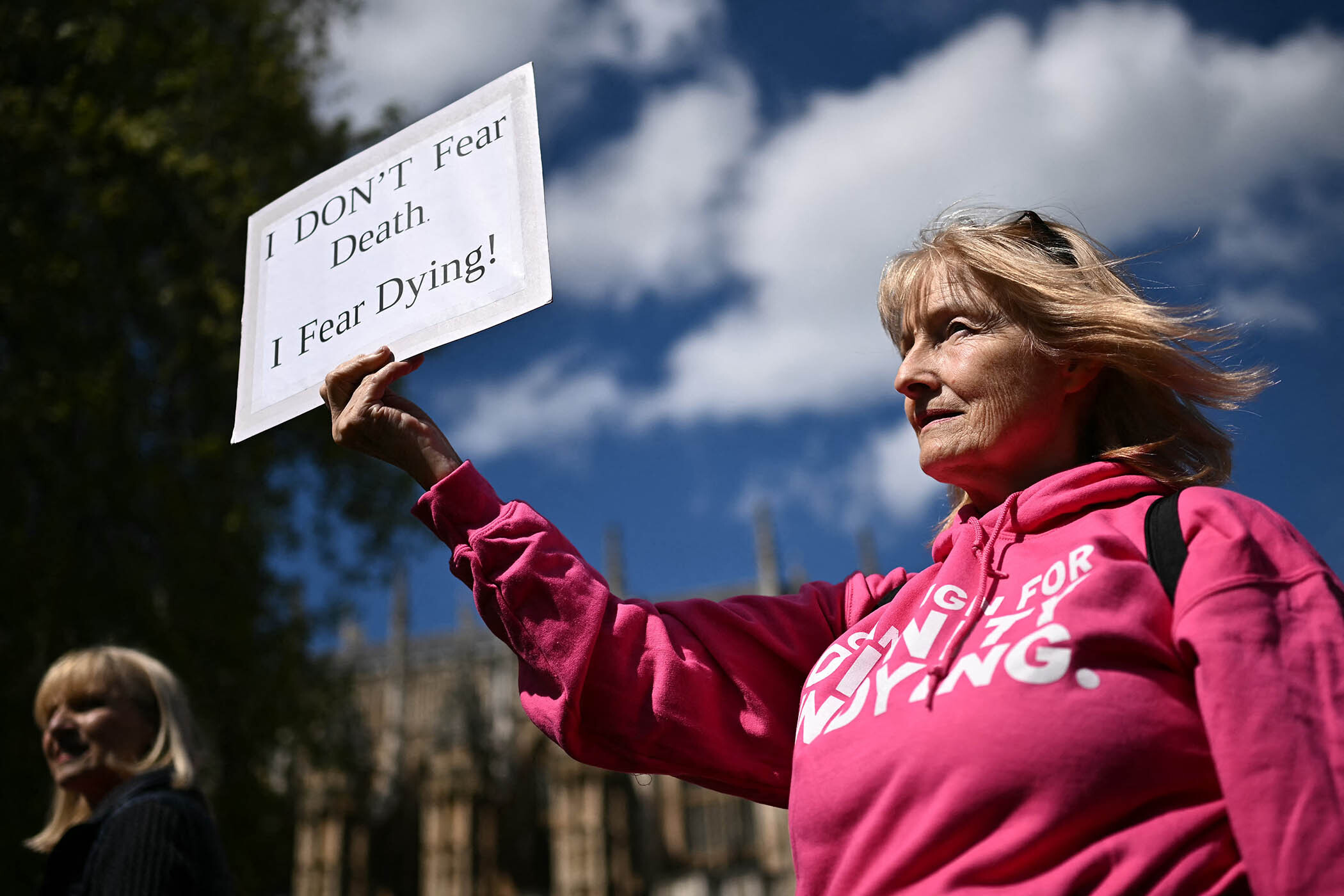
In June last year, the House of Commons voted to pass the terminally ill adults end of life bill, popularly known as the assisted dying bill.
It was a tight vote, passing with a small majority of only 23 votes, and the debate in the chamber was impassioned on both sides.
MPs like Sarah Olney spoke about the risk to vulnerable groups and the bill’s champion, Kim Leadbeater, discussed some of the terminally ill patient testimonies that had inspired her to bring the issue to parliament.
However, despite being passed by MPs, the bill has since been held up in the House of Lords – who have added more than 1,000 amendments.
Since they will need to debate those amendments, it is unlikely they will have enough time to do so before the parliamentary session ends.
In response to the hold up, some peers in the Lords have suggested using an archaic law to force the bill through.
There are a few other ways this could play out.
The bill could pass and end up being contested once again when it arrives back in the House of Commons. Or it could simply die in the Lords if it fails to pass by the end of the parliamentary session.
That’s unlikely to be the end of the debate on the subject of assisted dying, but restarting the process from scratch could take years.
Newsletters
Choose the newsletters you want to receive
View more
For information about how The Observer protects your data, read our Privacy Policy
Photograph by Ben Stansall/ AFP via Getty Images