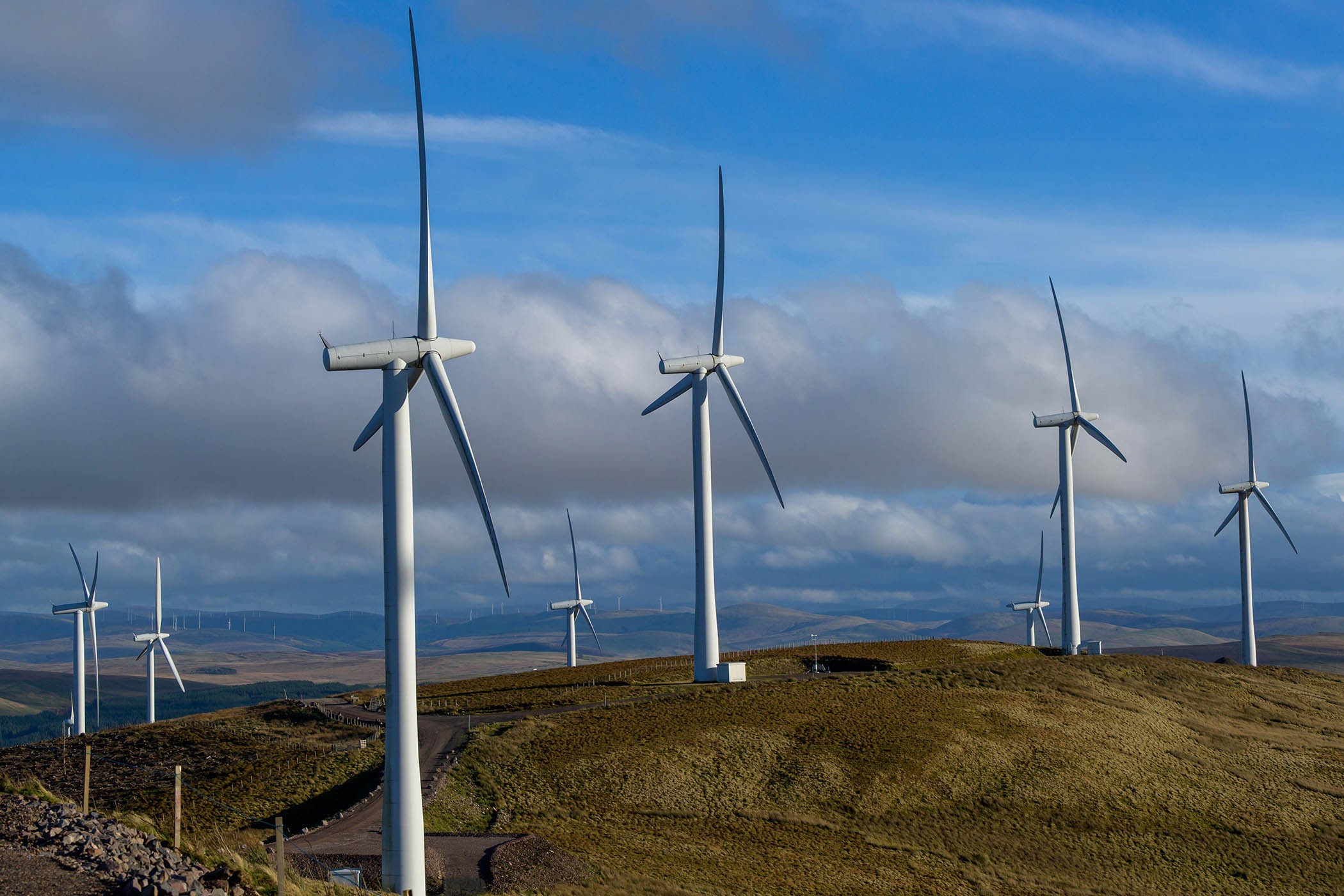



More than £270m has been paid out since the start of the Iran war to shut down windfarms in Britain, and to pay for gas power plants and other sources to replace the lost energy.
About £55m of it has been paid to windfarm operators to switch off turbines since the first strikes against Iran by US and Israel on February 28, which have triggered an energy crisis.
An estimated further £217m has been paid for alternative power sources, mainly gas-powered stations, according to data analysed from the Wastedwind.energy website. The payments have been blamed on a “broken” energy system by industry executives.
These disbursements – known as “constraint” payments – are often made when a high volume of wind power is generated in Scotland or the north of England, but there is not sufficient capacity in the transmission network to handle the power flows. The payments were introduced to optimise the flow of electricity in the grid and ensure it does not become overloaded. Payments are made to turn off the turbines in the north and turn up gas generation in the south. This energy needs to be replaced and additional payments are made to gas power plants to replace the lost energy.
The payments over the past six weeks – from 1 March to 6 April – are about 90% higher compared with the same period last year, according to analysis of data by The Observer. One of the key reasons is higher gas prices.
In some areas, payments are being made to shut down wind turbines for much of the year. Seagreen windfarm in the North Sea, which has 114 turbines, was paid to not generate 63% of the time in 2025 that it could have been doing so, according to industry data.
It was paid more than £30m in constraint payments in 2025, according to figures from the Renewable Energy Foundation.
Another green operator, the £580m onshore Viking wind farm in Shetland, was paid not to generate about 65% of the time last year, receiving constraint payments of about £10m.
The energy company Octopus has campaigned for government action to curb constraint payments, launching the Wasted Wind ticker last year. The company has warned that it is “crazy” to build windfarms and pay them to stand idle because of a lack of capacity on the grid.
The National Energy System Operator (Neso), a public corporation owned by the government, has forecast that constraint payments could rise up to nearly £8bn a year by 2030, which could add more than £100 a year to household energy bills.
Newsletters
Choose the newsletters you want to receive
View more
For information about how The Observer protects your data, read our Privacy Policy
Barnaby Wharton, head of flexibility and grid at the trade association RenewableUK, said: “We’ve been very successful building windfarms, but what we’ve not been doing is building out the grid at the pace that we need to.
“Everyone wants to see constraint payments minimised, so there’s an urgent need to build new grid capacity as fast as possible. The industry is working closely with the government to ensure that innovative solutions are rolled out at speed, such as new energy storage capacity.”
Despite the criticisms of the payments, the UK is seeing a boon in renewable energy.
New government figures published this month reveal renewable energy sources generated a record 52.5% of the UK’s total electricity in 2025, exceeding 50% for the second consecutive year.
A spokesperson for Neso, which manages constraint payments for the electricity grid, said initiatives to reduce remunerations had saved consumers £1.2bn, but the network required expansion to stop payments increasing.
A spokesperson for SSE Renewables, which operates the Seagreen and Viking windfarms, said it is investing £18m a day to unlock more green power.
A spokesperson for the Department for Energy Security and Net Zero said: “We are reversing decades of underinvestment to upgrade and build out the grid – which will minimise constraint costs and help bring down bills.”
Photograph by Sandy Young/Alamy