
Photograph by Katherine Anne Rose for The Observer
In December, Australians enacted a global first.
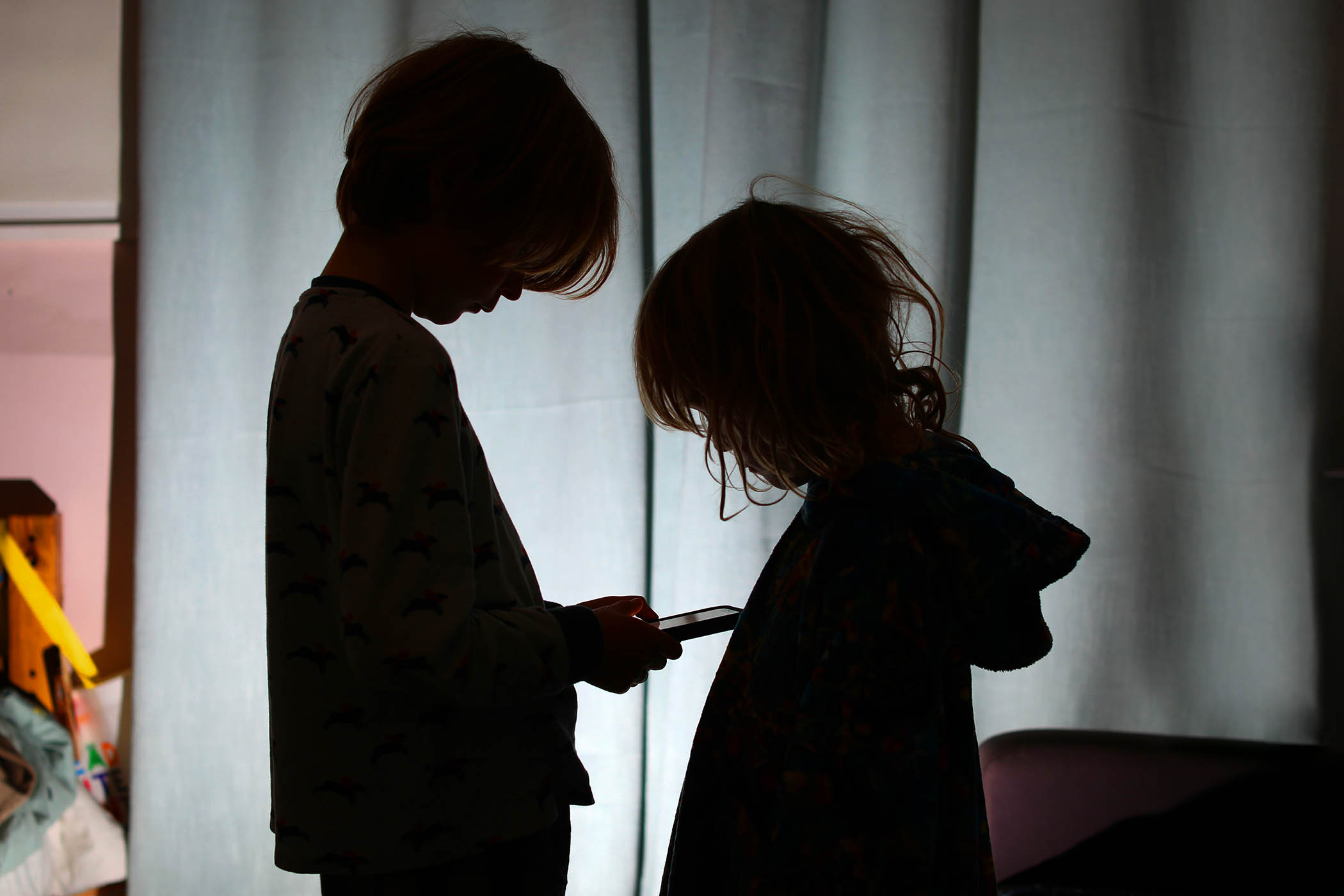
In the face of howls of outcry from trillion-dollar companies which until now have only ever got their way, riding roughshod over governments and operating outside the norms of corporate responsibility, they raised the age limit for harmful social media platforms to 16.
And they should be admired for this. In a generation’s time – when I believe that we all look back with collective dismay at the madness of allowing tech companies to have completely unfettered access to our children inflicting unimaginable harms – Australia will be lauded as the heroes of the revolution.
But as the debate in this country rumbles on, as the parliamentary process continues in its uniquely British concept of Ping Pong, it is incredibly important to be clear on what is happening in Australia, what it means for our own efforts to protect our young people and what it does not mean.
We are told that raising the age is not working in Australia. That children are evading it and getting around it.
This is a totally selective view of events. The data speaks for itself: since their ban began in December, nearly 5 million social media accounts have been removed. That is 5 million fewer opportunities for children to be exposed to online harms. Furthermore, 61% of parents with children under 16 have already observed positive behavioral changes.
Are some children remaining on the platforms? For the moment, yes. But this is not a problem with the legislation or the government that implemented it. It is a conscious decision by the social media platforms to not play ball by implementing effective age verification safeguarding. As the Australian eSafety Commissioner has made clear recently, the biggest reason for children remaining on the platforms is that the platforms have not yet sought to remove them. This is a case of social media companies breaking the law and is why the Commissioner is now moving onto an enforcement footing.
These are the same companies that we are told will just roll over if invited to Number 10 and given a stern talking to. Some of them have been found recently in US courtrooms to have known for years about the harmful nature of their products and carried on regardless – and who have been found to have acted with malice, oppression and fraud and to have been negligent.
Under the Australian regime, the platforms are now being forced to move to the second stage of action, using their software to detect a young person's age based on their activity and connections. This is highly accurate and will lead to a huge new wave of removals.
It is also worth noting what the Australian legislation actually requires. It asks companies to take “reasonable step” to ensure that children under 16 are not on their platforms.
The UK can go even further on this. And that is precisely what the House of Lords has voted for twice and will have a chance to vote for again on Monday.
My amendment to the Children’s Wellbeing and Schools Bill would mandate the use of highly effective age verification by the affected platforms. And it can be done. It is being done around the world. Indonesia, the fourth most populous country on earth, is introducing it, as is Brazil, the seventh. France, Spain, Malaysia, Greece, Denmark and others are all launching comparable initiatives, and we can be sure that many others will follow them.
I can already hear the objection: that I am moving the goalposts, arguing we should not copy Australia. But the question has never been whether to replicate Australia's legislation to the letter. That would be a ludicrous way of making policy in the best interests of our children – and one devoid of original thinking.
The question is whether to act now and raise the age limit for access to social media to 16. If the answer is yes, then how do we do it effectively? What can we learn from the countries that have gone before us?
That list grows every week. Every week a new country announces it will act. We have seen landmark court judgements confirming that the social media giants knew all along their platforms were addictive – and that they designed them to be.
Our Government, unfortunately, remains stuck on the fence – apparently incapable of seizing the nettle, of shaping events rather than being shaped by them.
That is why I am determined to persuade my fellow peers to vote for my amendment on Monday. It is a rational, responsible response: legislate now to raise the age limit, while allowing twelve months for implementation, picking elements of best practice from all round the world to get this right.
We face a choice. We can continue to wring our hands over technical imperfections while another generation is ravaged by predatory algorithms and unfettered access, or we can follow the evidence and get this done.
Lord Nash is a former Schools Minister and the founder of Future, a charity designed to support young people.
Newsletters
Choose the newsletters you want to receive
View more
For information about how The Observer protects your data, read our Privacy Policy