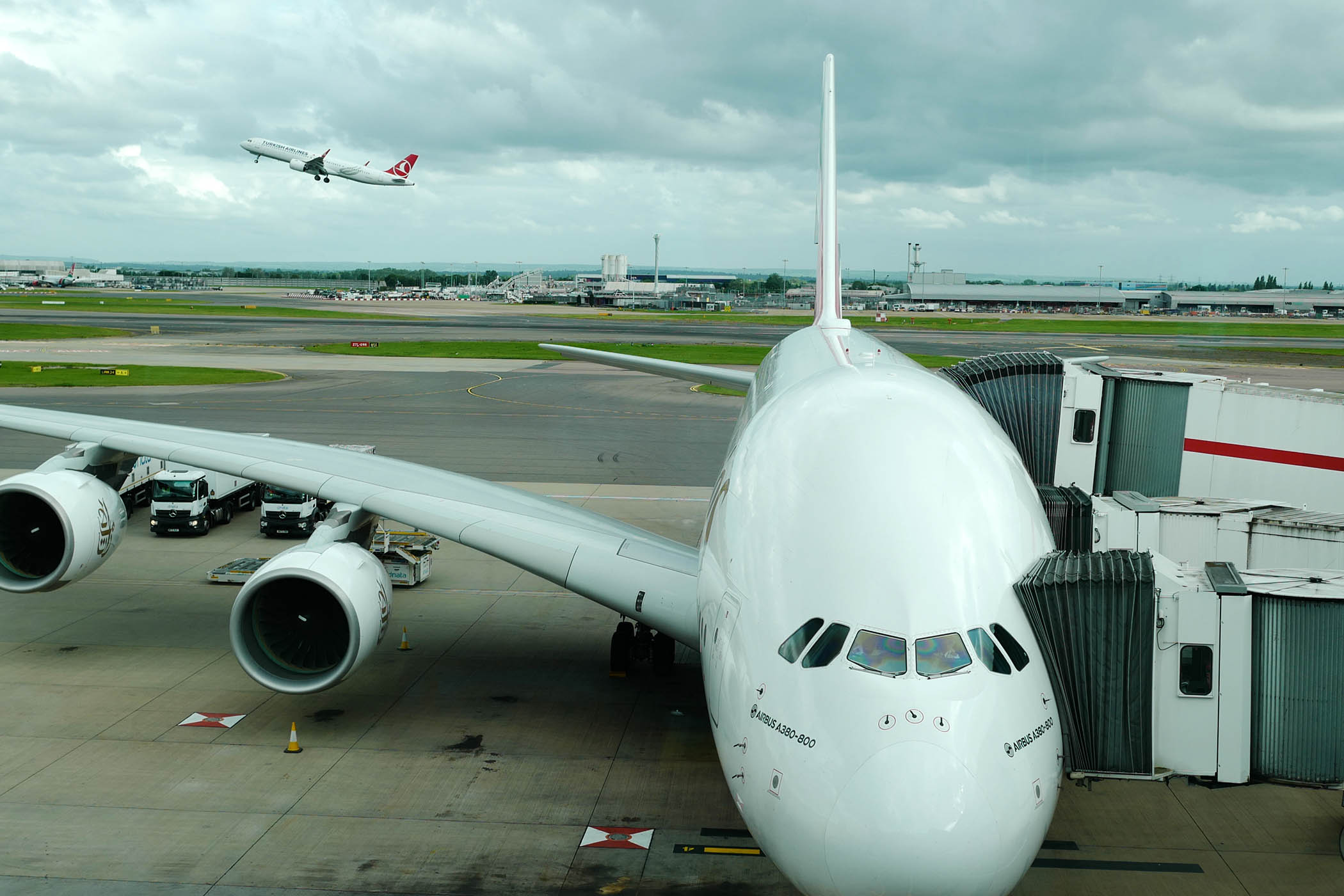

Uncertainty is often the thief of progress, and that’s certainly the case for Heathrow’s plan for a third runway. Government support for the expansion has existed in one form or another since 2009, but schemes have been cancelled, redesigned and cancelled again. The latest incarnation – which would see in the M25 diverted into a tunnel beneath a full-length runway and a new terminal built – looked like a sure thing after Rachel Reeves gave her full-throated support. But now the chancellor is politically weakened, airport shareholders are threatening to exit and there is global travel turmoil, the future of the project is now once again in question.
The Chinese Investment Corporation (CIC), a sovereign wealth fund, is considering selling its 10% stake in Europe’s biggest airport, according to the Financial Times, citing concerns over the rising cost of the third runway project. Heathrow, however, denies this and says it has confirmed CIC has “no intention for stake sale or concerns on the cost of expansion.”
That other foreign stakeholders, including Saudi Arabia’s Public Investment Fund and the Qatar Investment Authority, are vulnerable to an economic shock from the Iran war is not reassuring. Heathrow has already made an enemy of the Arora Group, which operates a number of businesses on the Heathrow estate, including hotels. By pursuing its own plan, rather than Arora’s Heathrow West proposal, it’s unlikely to get much sympathy from that quarter.
Worse, if Reeves is reshuffled out of No 11 following the local elections on 7 May, government support could collapse. The environmental credentials of the project, which would mean a dramatic increase in the number of aircraft using the airport, have always been disputed, causing friction with the energy secretary Ed Miliband and the government’s legally binding commitment to net zero. Reeves’s insistence that a blooming sustainable aviation fuels (SAF) industry and advancement in aircraft technology could offset climate pain has been a point of contention with environmental groups. Newer planes generally fly more efficiently but SAF still emits CO2 when burned.
In total, the expansion is expected to cost £49bn, but with such large infrastructure projects, budgets are rarely kept to (see Crossrail and HS2). Costs are expected to be passed on to airlines through a rise in landing costs. Those in turn would likely be passed on to passengers already facing ticket price hikes blamed on the rising cost of jet fuel. Heathrow claims the added capacity from the third runway “will deliver lower fares for passengers”. The Civil Aviation Authority said last year that “airport charges could more than double in real terms, from the current levels of about £26 per passenger, in order to fund expansion”.
The airport, which is unusually small for such a prominent hub airport, is already at capacity. Much cheaper expansions have been approved at Gatwick, Luton and London City airport. Heathrow has claimed that a third runway would add 0.43% to the UK’s GDP by 2050. But, with the Iran crisis playing havoc with the cost of global aviation and the Covid pandemic still fresh in the memory, a scenario involving stakeholders getting cold feet over investment is not outlandish. If so, it’s back to square one again.
Photograph by James D Morgan/Getty Images
Newsletters
Choose the newsletters you want to receive
View more
For information about how The Observer protects your data, read our Privacy Policy