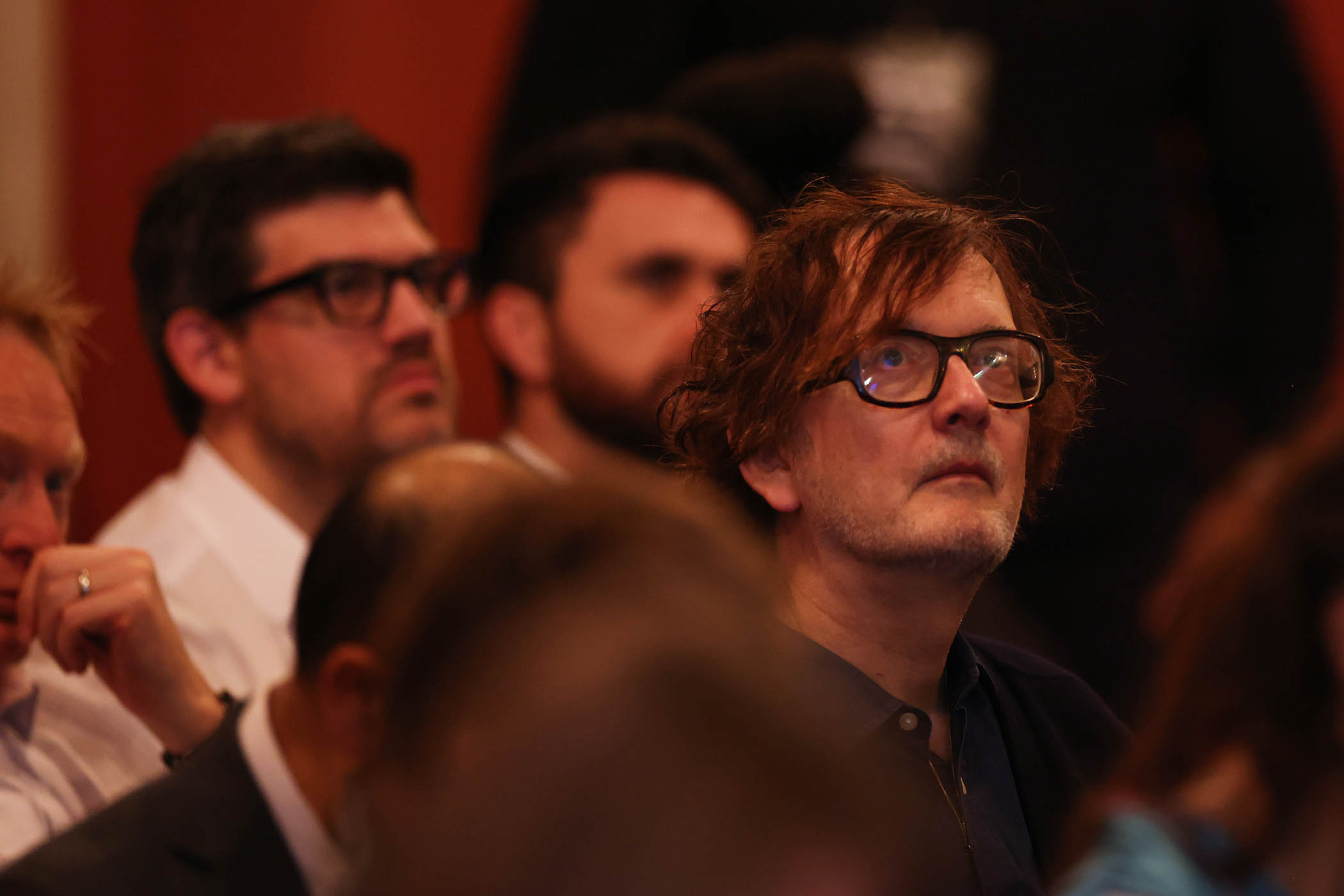
Westminster Hall was packed. There were around 150 MPs, with leaders and influencers across society. This was the National Emergency Briefing on climate and nature. I was there representing EcoJudaism, but also, together with colleagues from all faiths, on behalf of religious leadership in general.
I didn’t have to be asked twice to attend. I feel such frustration at the failure of governments and economic leaders to act on what, as Chris Packham bluntly declared as he opened the event, is not party political but existential. Showing a tiny blue dot on a huge screen representing our planet in the vast cosmos, he said: “This is our only home. We have nowhere else to go. Do we want it on our conscience that we wasted everything?”
I recalled the Jewish teaching that God shows us the world and warns us: “Don’t destroy it because there’s nobody who can put it right after you.”
For years I’ve experienced visceral anguish as I’ve watched nature change, summers wilting with grief, leaves falling prematurely like tears from the trees. I don’t even live in a part of the world most seriously impacted by climate change. Yet here, too, in the wealthy north, the effects can be felt. In my own lifetime, wildlife in Britain has declined massively, in a country already one of the most nature-depleted in the world.
God’s presence is within all creation, concealed, often ignored, and all too often abused
God’s presence is within all creation, concealed, often ignored, and all too often abused
Climate change is an issue on every level: practical, social, ethical and also spiritual. I don’t believe in a God who, from high above, determines human destiny with a yes, no or maybe. In the tradition of Jewish, and perhaps of all, mystics, I feel God in the sacred energy that flows through all beings – humans, animals, birds and trees – bestowing consciousness on everything that lives. God’s presence is within all creation, concealed, often ignored, and all too often abused. I love the trees and birds for their own sake, and I respect them because I sense in them the being of the divine.
In the destruction of nature I feel not only guilt and grief but also that an essential part of myself, of life, of future, is being destroyed. Not to do my best to protect it is unthinkable. How could I face my children? How can I face the islanders whose homes will soon be engulfed in the rising seas? They are not alone: we are also talking about New York, Tel Aviv, parts of London.
That’s why I feel such anger at the pernicious use of fossil fuel revenues to bring thousands of advocates to COPs to prevent and delay the transition away from oil and gas. But I also feel frustrated at the prevarications and obfuscations that allow people still to question whether climate change is real and how dangerous it is. It’s hard to fathom how so many governments can be so implacably slow in their response. Or perhaps it’s not so difficult to understand: short-term interests prevail over courageous but essential long-term planning.
Yet the later we react, the worse the devastation, the bigger the land mass that becomes uninhabitable, and the greater the threat of vast migrations, mass famines and wars over food and water.
The key message of the briefing was: hear the facts from the UK’s best scientists. Face the truth and face it now. Those facts were hard to hear, but I also felt thank goodness, we’re being told it as it is. The Torah forbids feigning ignorance. Don’t hide from misery, demanded Isaiah. God demands truth – with justice and compassion.
That leads to the question of what we can do. We still have a sliver of time to change, so we still have hope. But it’s a vain hope if we wait for others to act first. The role of faiths is to inspire, cajole, encourage, teach and lobby, and set good example by direct engagement. That’s what organisations such as EcoJudaism, EcoSikh, Eco Church, Eco Mosque and Faith for the Climate, which brings all faiths together, try to do.
Newsletters
Choose the newsletters you want to receive
View more
For information about how The Observer protects your data, read our Privacy Policy
We have to get our hands in the soil, and our voices in the public square. Above all we need to take our communities across this country with us. As Kamran Shezad, author of Al-Mizan: A Covenant for the Earth, wrote after we had all met: what our communities most need is “hope, practical, local solutions that improve daily life while contributing to a healthier planet. When people see how climate action benefits their homes, streets and families, they become powerful partners in change.”
We need change led both from the top down and from our communities up. “We must ensure that our MPs are fully informed and accountable”, read the card distributed to all attendees at Westminster Hall. But it’s not just our politicians who are accountable, essential as their urgent leadership is. All of us are accountable, and the transition to a just, equitable, sustainable and compassionate world needs all of us to travel together.
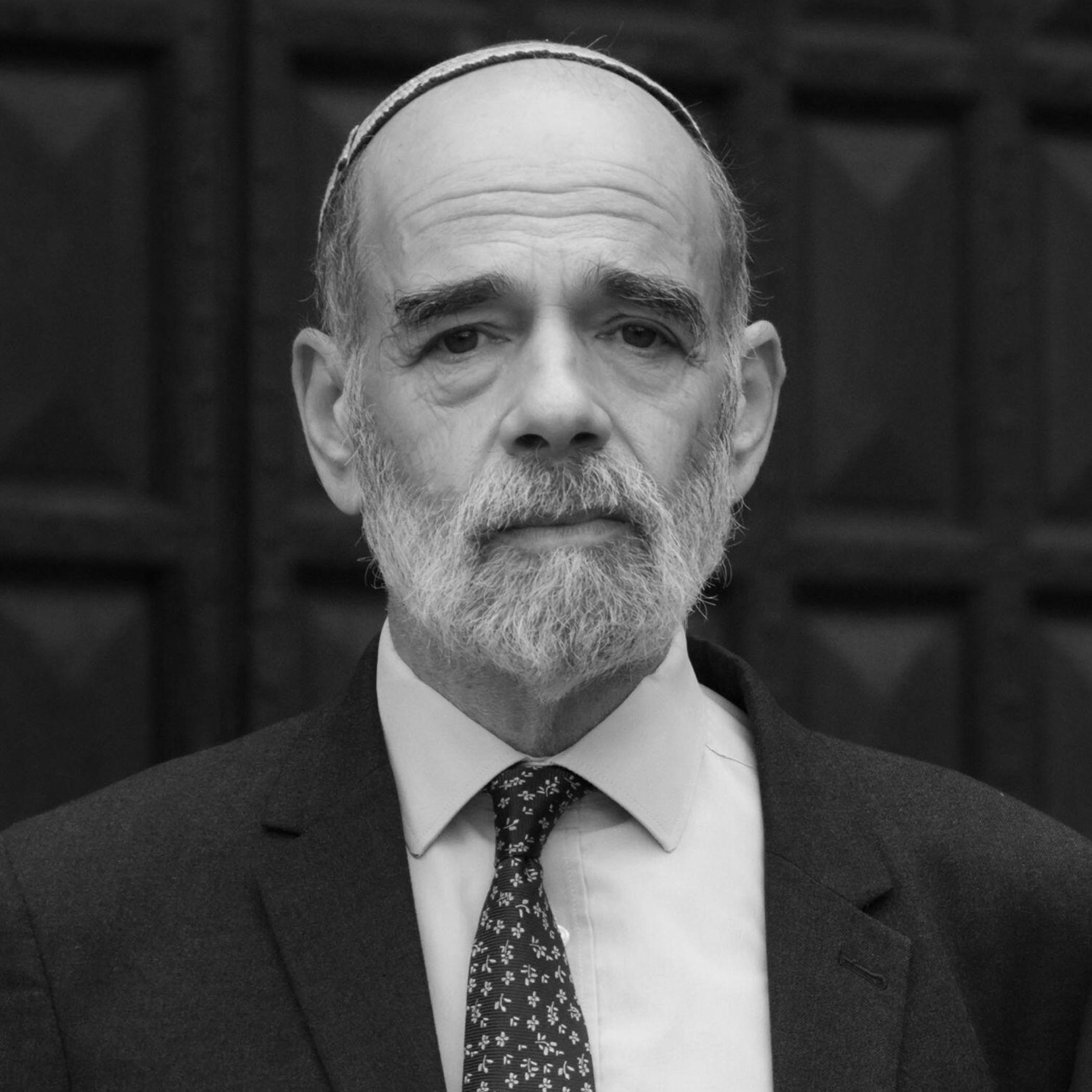
Rabbi Jonathan Wittenberg is the founder of EcoJudaism
Photograph by Dan Kitwood/Getty Images