Throughout the 20th century, polio – a highly contagious viral infection that can cause paralysis and death – was a scourge. Sometimes called ‘infantile paralysis’, it affected children particularly badly in the years before Jonas Salk developed a safe and effective vaccine in 1955.
The epidemic was one of the drivers behind the founding of what was called the Knox County Crippled Children's Hospital when it opened its doors in 1937. It was later renamed the East Tennessee Children’s Hospital before it was rechristened as Dolly Parton Children’s Hospital in recent days.
More from The Observer: Queen Dolly ‘ain’t ready to die yet’. Phew, we need her in the world
A non-profit paediatric hospital in Knoxville with 152 beds, its website states that since its opening it has “had an ‘open-door’ policy that no child will be denied care because of race, religion or their parents’ ability to pay their child’s medical bill.”
Jeff Conyers is vice-chair and president of The Dollywood Foundation, Parton’s philanthropic organisation. He has worked with Parton for 15 years, and tells me that Parton’s involvement means much more to her than just a name. “In her mind it’s a true partnership,” he says.
“They’re experts at what they do. They do wonderful work. What she loved about it was the way in which they are going about that work, and the open arms which they present to the community. Their culture, their values, just fit with hers.” What do they think of the change at the hospital? An internal video was circulated to staff before the news broke: “there was just an explosion of excitement,” he tells me. I can well believe it.
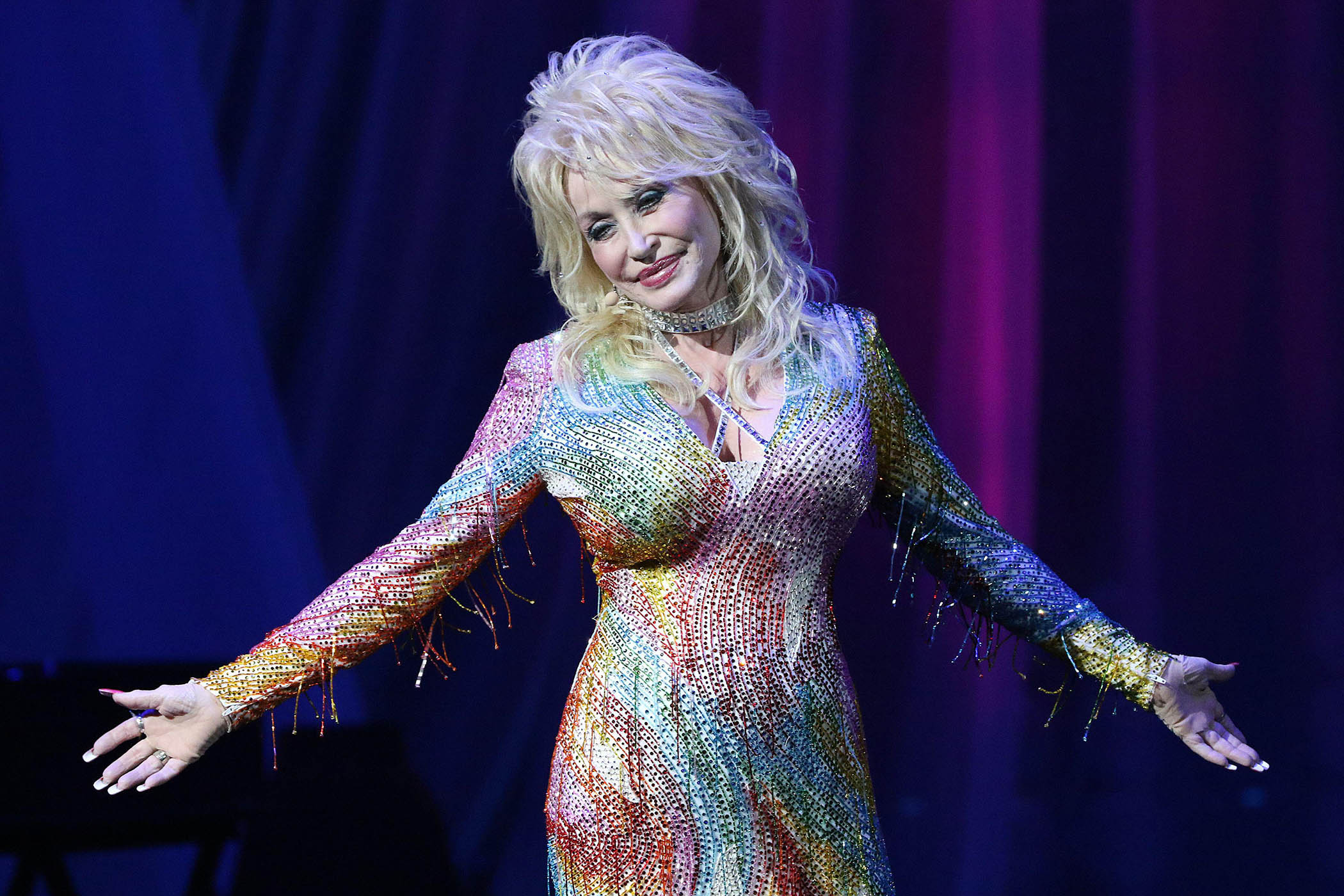
In a United States bitterly divided between right and left, red and blue, there is one figure we can pretty much all agree to adore: Dolly Parton. The country music star, movie star and global icon (really, we try to avoid the term “icon” here at The Observer but if it was ever warranted, surely that’s in Dolly’s case) turned 80 in January.
But her philanthropic efforts, and significant accomplishments, are as remarkable as her music. When I spoke to her a couple of years ago, she was keen to stress that looking good, whatever that meant to you, could be connected to positive action. “We all know, when we think we look good, we do better,” she told me.
At the time she and I spoke, her Imagination Library, originally a local initiative confined to her native Tennessee, had sent more than 215 million free books to children under five across the US as well as in Canada, the UK, Ireland and Australia; that figure has now risen to over 270 million.
Newsletters
Choose the newsletters you want to receive
View more
For information about how The Observer protects your data, read our Privacy Policy
But her efforts in public health have been notable, especially in a country without universal access to health care.
A 2023 report by the Commonwealth Fund found that “Not only is the U.S. the only country we studied that does not have universal health coverage, but its health system can seem designed to discourage people from using services.” During the pandemic, Parton was a major donor to research for a COVID-19 vaccine, donating $1m to Vanderbilt University Medical Center – which contributed to the development of the Moderna vaccine. She has also funded pediatric infectious disease research at Vanderbilt. In 2022 she was awarded the prestigious Carnegie Medal of Philanthropy.
As far as places like Knox County, Tennessee are concerned, President Trump’s “One, Big, Beautiful Bill” passed into law last July, allocates $10bn for rural health care next year, but this only partially mitigates earlier cuts and comes with strings attached regarding how states cleave to Robert F Kennedy’s MAHA (“Make America Healthy Again”) agenda. What do we mean by healthy? Please note: an overhaul of US childhood immunisation guidelines in January cut the number of diseases children should be vaccinated against from 17 to 11.
Conyers is keen to keep Parton and her work carefully separated from politics when I ask whether her charitable donations in the polarised field of healthcare can be seen to have any particular meaning. “We have to be really careful about how we position that publicly,” he says.
The hospital raises funds (from a great many sources) so it can treat children who may not be able to pay. He says: look at what Dolly does. “She gets asked for advice a lot, and she will often say that she doesn’t give advice but, ‘I’ll tell you how I feel about something,’ and she will share her thoughts and feelings. I think that she shows people who she is through her actions better than anybody that I’ve ever seen.”
The details of her financial commitment to the hospital are private; but it is, Conyers tells me, work that will be ongoing, “long after you and I are gone”. ‘What Would Dolly Do?’ is a good question to ask yourself as you go about your day.
Photograph by AFF/Alamy