

Wales fell head over heels for Labour 100 years ago and has been steadfast ever since. For the whole of that century Labour has won every general election in the country, and when devolution came along in 1999, the nation and the party renewed their vows. Labour has always been in power at the Welsh parliament, the Senedd, but a divorce is coming, and it will be nasty, noisy and consequential.
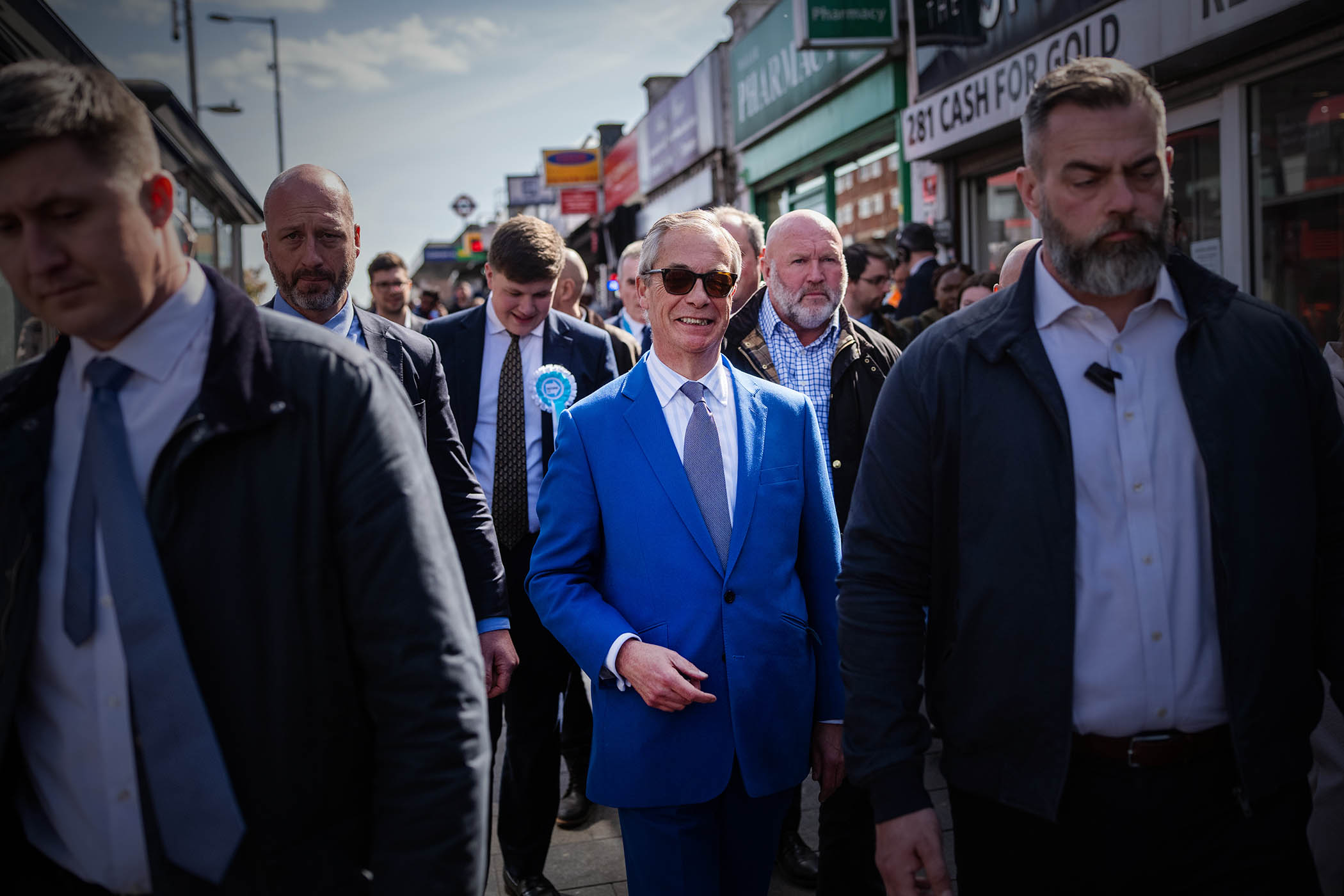
For months, the opinion polls for the Senedd elections on 7 May have been settled at the top of the rankings, skittish lower down. The nationalist Plaid Cymru and Reform UK are out in front, and Labour is a distant third at 17% on a good day and 10% on a bad one. The last big poll had Labour winning 12 seats out of 96, and the Conservatives 3.
Welsh hearts and guts have both played a part in bringing the country to this point. The heart has become more comfortably Welsh over the past 25 years, and especially over the past 10. From the campaign trail, the same story comes back time and again: the gut reaction to Keir Starmer is brutal.
“Labour in Westminster is the most toxic issue on the doorstep,” says Paul James. “Starmer’s got the personality of a Waymo driver.” Waymos, of course, are driverless.
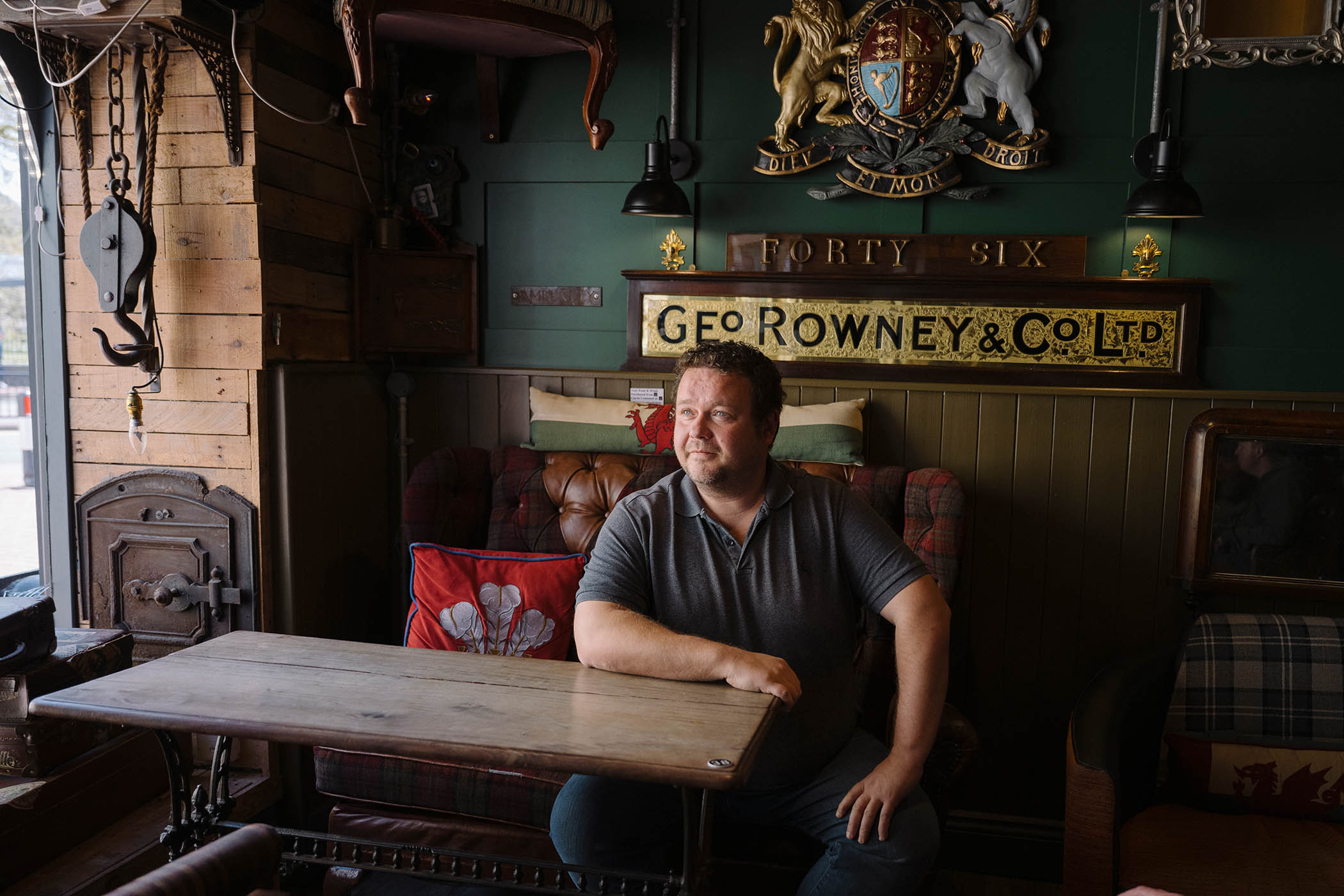
James, a standup comedian by trade, is a Labour councillor and mayor of the small historic market town of Neath, 40 miles down the coast from Cardiff. It may never look better than on a sparkling day this week, when the sun could take people’s minds off the empty shops on its high street and the vacant stalls in its market. “Thank you and goodbye,” says the sign where Marks & Spencer used to be. “Your nearest store is M&S Swansea.” The shop in Swansea city centre is now closing as well.
“We’re going to get taken to the cleaners,” says James. “I can see us coming third. It could come down to Reform versus anti-Reform. Losing strongholds like Neath, we could see what happened in Scotland replicated in Wales.”
How will the party find a way back? “I’m not sure even if there will be a way back.”
The most likely beneficiary of this upheaval, and odds on to be first minister, is Rhun ap Iorwerth, the leader of Plaid Cymru, a party born almost at the moment when Labour first rose to power. One of its founders spoke of a mission to restore Welsh pride and overcome “a sense of inferiority”.
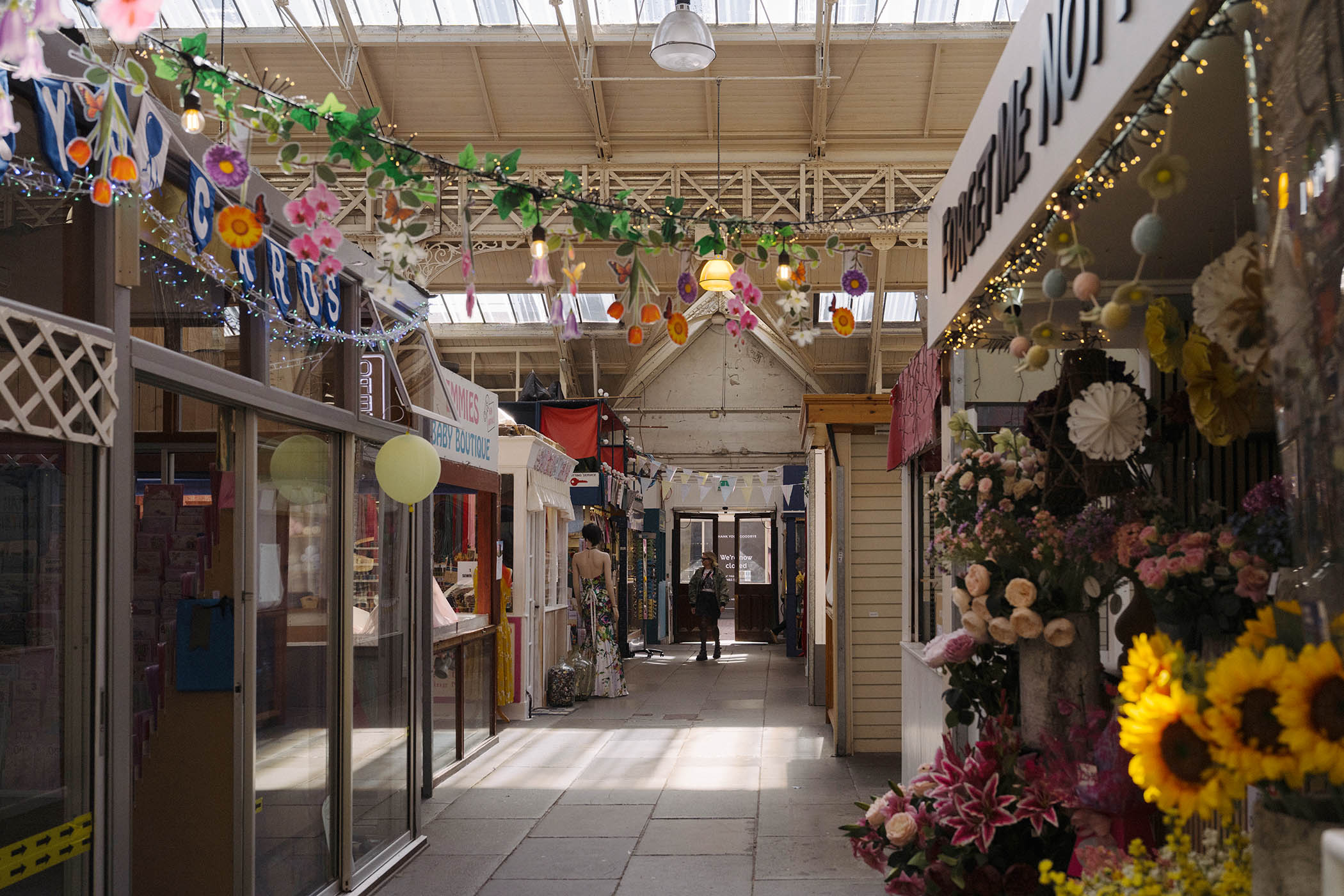
Former Labour stronghold Neath, left. Below, Plaid Cymru leader Rhun ap Iorwerth
There is work still to do, says ap Iorwerth, based on how voters see Wales now: “Underperforming. Short of its potential. Broken, in some ways, by being told to stay in your place, but with a real sense of agitation that this is not as good as it could get. On the doorstep, people are fed-up of that lack of confidence that we have, that lack of belief in ourselves. I have a firm belief that there is an untapped determination there to be more than this.”
In a political situation this fluid, paradoxes are everywhere. Plaid placards stand in areas where they would never have been seen before, while in old Labour heartlands such as the south Wales valleys, Welsh flags are cable-tied to lampposts. The dragons signify not nationalist feeling, as you might expect, but much more likely a vote for Reform UK, the only major party standing candidates that does not have either “Wales” or “Welsh” in its name. There are times when the political compass seems to be gyrating but its needle still shows true north when it points to identity as the most profound shift in Wales since devolution.
Newsletters
Choose the newsletters you want to receive
View more
For information about how The Observer protects your data, read our Privacy Policy
The question that matters most is how people see themselves: Welsh or British? Welsh first or British first? Its importance is summed up by the political scientist Dr Jac Larner from Cardiff University. In Scotland, a comfortable majority of people think of themselves as Scottish only. In England, people tend to think of Englishness and Britishness as the same thing. But, says Larner, “in Wales you have a lot of people who feel Welsh only, a lot of people who say they’re British only, and a lot of people who feel comfortable with being both. Which national category people say they belong to has been a really powerful way to predict how someone is going to vote.”
Plaid is a magnet for the Welsh-only and Reform for the British-only, but it is the first of those categories, along with Welsh-first, which is younger and growing.
Devolution set Welsh people off in that direction and Brexit nudged them further down the path. Most paradoxically of all, the pandemic may have helped them complete the journey.
“Covid was very important in that respect,” says ap Iorwerth. “It happened 20 years after the Senedd was established but it took until then for people to understand that things could be done differently in Wales.”
But hang on: differently and worse. Death rates in Wales from Covid, certainly in the deadly second wave, were the highest in the UK. “So, I agree,” he responds. “But at the time it became clear in people’s minds that it was possible to take different decisions. It was crazy. The border was closed at times because it was deemed by a government that things needed to be done differently in Wales, and the fact that they listened to a first minister of Wales [Labour’s Mark Drakeford], not a UK prime minister, made a difference to our sense of empowerment as a nation.”
If it is a case of my country right or wrong then, objectively, devolution has got a lot more wrong than right. Asked to point to a notable success in devolved policies, ap Iorwerth picks out recycling. Meanwhile, the Welsh NHS is in crisis and Welsh children are sliding down the international education league tables.
For older generations of Welsh people, the lack of care for education is not just worrying but sad – a sign of how badly the country has lost its way.
“When I see the proud record we have as an educating nation,” says ap Iorwerth, “one of the first generally literate populations in the world, and now having seen a significant slide in education standards, that makes me angry.”
For Paul James, a lecturer before he was a comedian, the change he has seen is chastening. “I’ve got a postgraduate education, I work in the arts, but I still consider myself working class,” he says. “When I was brought up, it was ‘doctor, lawyer, teacher’ said in the same breath. That was the professions. Now these kids in college talk about hair or care. Are they going to go into working with kids, or makeup and hair? When I was in school, that wouldn’t have been your either/or option.”
For generations, the only either/or in Welsh politics has been the Labour way or the highway. The signs now are that the charm that has kept the nation under Labour’s spell has been broken.
Ap Iorwerth describes a moment on the campaign trail trying to persuade an 80-year-old woman with a lifetime of loyalty to Labour to vote for Plaid Cymru. Her eyes filled with tears: she could not do it. But, barring a miracle, on 8 May she, and Labour, will wake up to find themselves in a minority – and whatever happens in England and Scotland, the shock value alone may propel Wales to an unusual place as the greatest symbol of Keir Starmer’s failings.
Photographs by Francesca Jones for The Observer