

There is growing optimism on the centre and left of the Labour party that Andy Burnham will be prime minister by September. He will launch a “full-fat social democratic” programme to win back millions of lost working-class voters. At its heart is the reassertion of public control and public ownership – a “productive state” – to address the cost of living crisis. Labour will return to its roots.
Burnham, partly from conviction but also political necessity, will want to lean into powerful arguments from the left, well represented by Sharon Graham in today’s Observer, and draw on how “Manchesterism” should be understood – as set out with some sophistication by Mathew Lawrence in last week’s New Statesman. They are united in arguing that this attractive vision must not be compromised by the veto of the bond markets.
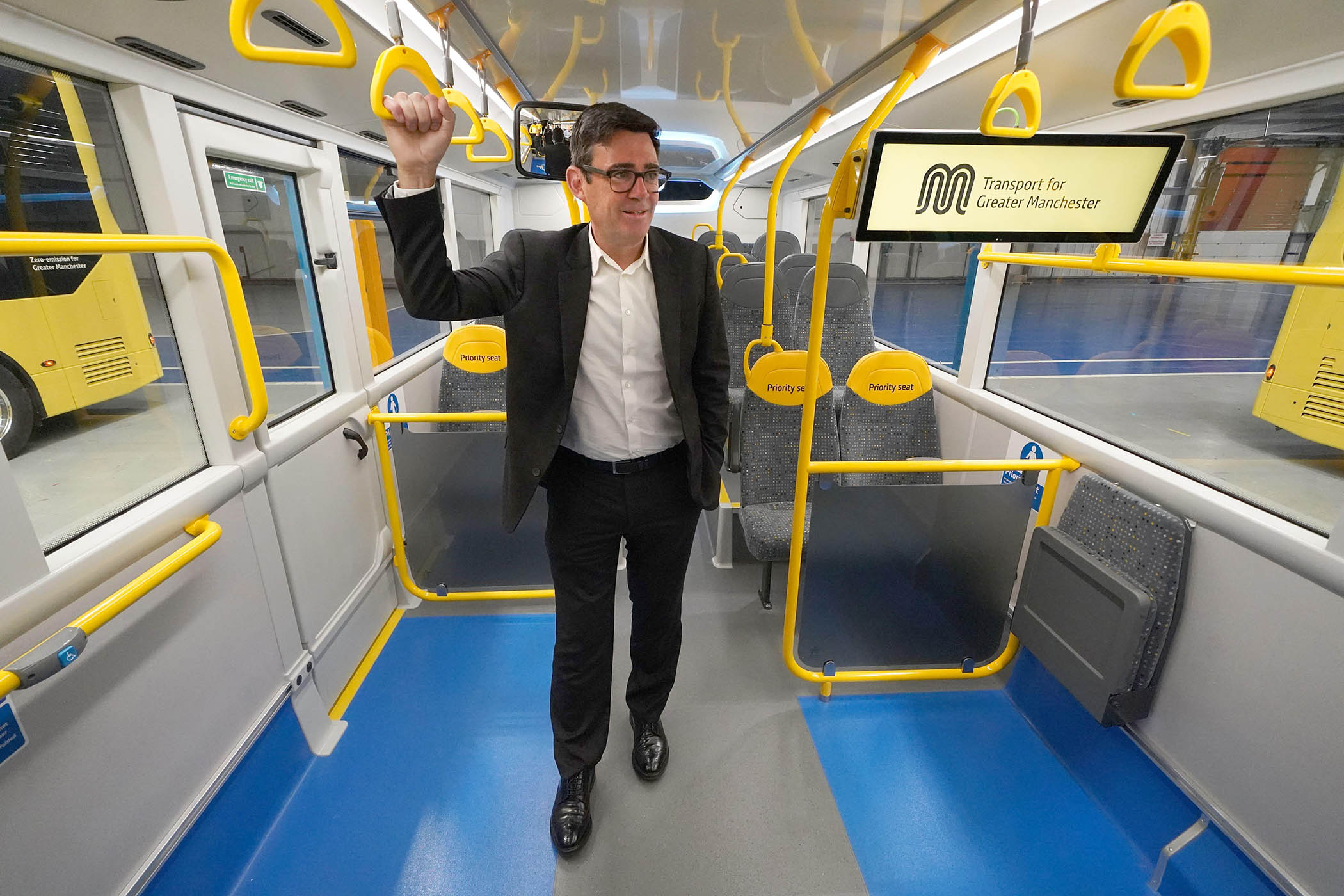
Except the bond markets are already signalling their potential veto. Prices of benchmark 30-year government debt sunk to a 28-year low last week with yields approaching 6%. It is not just the forbiddingly expensive interest rates that are worrying, it is the markets’ deep distrust of how policy may evolve. A productive state? They will need some convincing that whatever the success of Manchester’s public transport Bee Network, the British state – as it stands – can transmute into a force for productivism that, outside of wartime, it has never demonstrated. It is just code for more spending and debt.
Burnham thus has a more dangerous obstacle than the Makerfield byelection – to endorse, or seem to endorse, his prominent backers’ disregard of the bond markets and so trigger a financial crisis, shattering his prospects and the Labour party before he begins. He should know what the markets know; approximately two-fifths of UK national debt is owned by wannabe sellers – the Bank of England and zombie pension funds – and a further 30% by footloose overseas investors.
There are just too few natural buyers of British public debt – a country also running a structural deficit on its overseas accounts. The constraints under which Keir Starmer and Rachel Reeves labour, for all their painful shortcomings, are not rightwing confections, but real. Some limited progress was being made; the task is to build on it.
In any case, as the IFS Deaton review of inequality argues, the cost of living crisis is not primarily caused by privatisation. It is caused by chronic low and stagnant productivity, with widespread “deserts” of productivity around the country – hence falling real wages and the crisis in living standards. Burnham, both to win and succeed, must stress the other two tiers of Manchesterism – its advocacy of “a stabilised and dynamic market middle” and getting behind firms at “the innovation frontier” that together offer the route to higher productivity – along with rejoining the EU’s single market and customs union.
Equally he must marry advocacy of a “productive state” with recognition that some welfare spending is growing unsustainably and unproductively. Fiscal rules are an imperative. Part of Burnham’s appeal is his capacity to combine left-of-centre conviction with pragmatic realism. He will need all of that in the months and years ahead.
Photograph by PA/Alamy
Newsletters
Choose the newsletters you want to receive
View more
For information about how The Observer protects your data, read our Privacy Policy