

The Iranian regime could be in line to receive more than £500m in profits from its share in a North Sea gas fieldfollowing the announcement of the lifting of US sanctions, The Observer can reveal.
The cash has been held in a frozen bank account for the last eight years and has grown significantly since Russia’s war in Ukraine led to soaring energy prices.
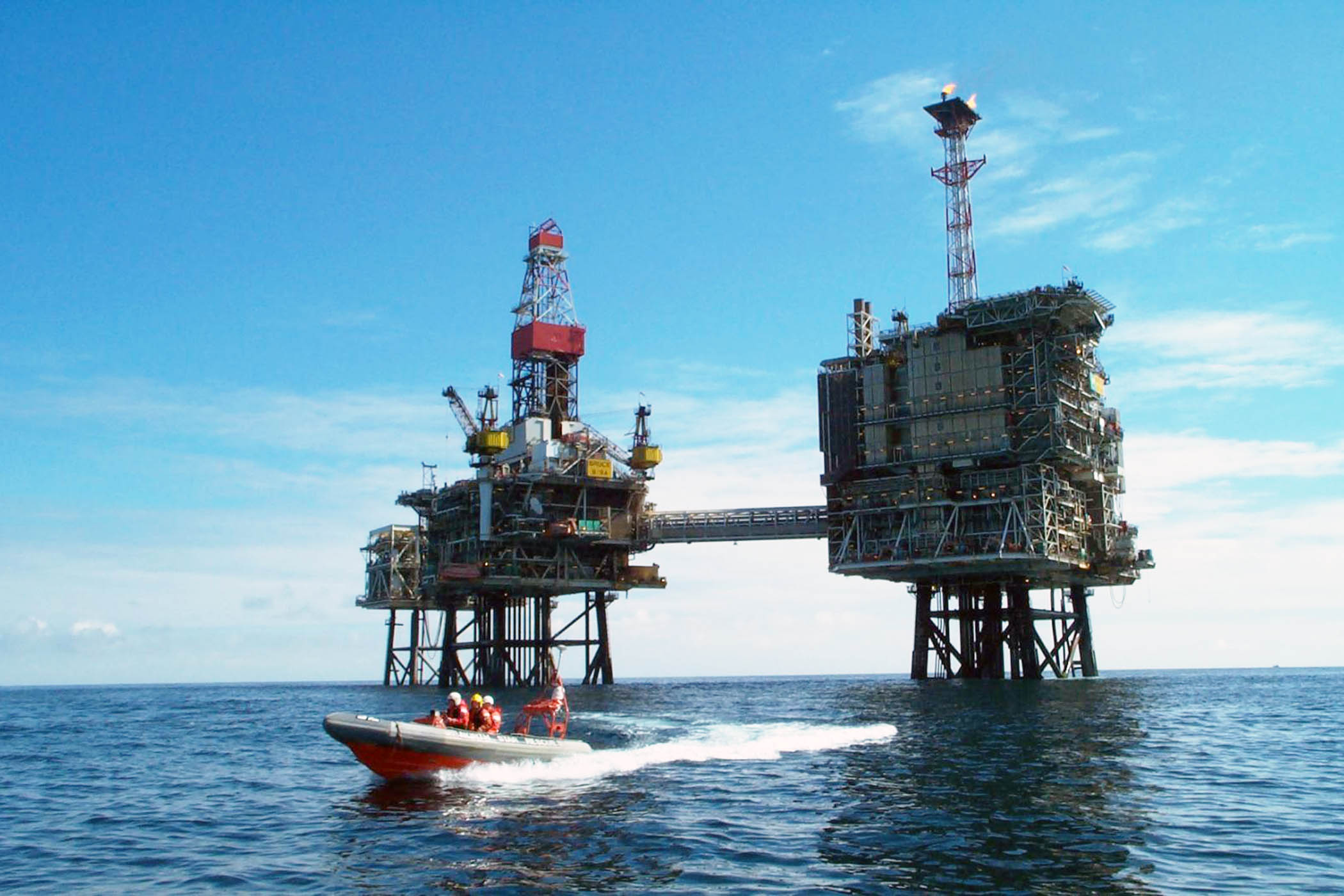
Iran’s 50-year-old interest in the Rhum gas field, 240 miles north-east of Aberdeen, has created headaches for successive governments, regulators and its business partners, initially BP and more recently Serica Energy.
Iran’s state-owned oil industry owns a 50% stake in Rhum through a UK subsidiary, Iranian Oil Company (UK) Limited (IOC). The company’s most recent accounts show that it had £540,745,000 in cash by the end of 2024, held in escrow by Lloyds Banking Group.
After the reimposition of sanctions on Iran’s energy industry by the first Trump regime in 2018, IOC has been placed into an offshore trust designed to allow Serica to continue to operate the Rhum field while ensuring the Iranian regime does not profit from the UK gas industry.
IOC’s accounts state: “When the US sanctions are lifted, this arrangement will be unwound and ownership will revert back to previous shareholders.” Until 2018, this was Naftiran Intertrade Company Limited, an Iranian-controlled holding company in Malaysia,
In September, the Foreign Office announced fresh sanctions on 70 Iranian individuals and entities linked to the country’s nuclear programme, including IOC’s ultimate owner, the National Iranian Oil Company.
Under last week’s deal, the US agreed to lift its sanctions and “make fully available frozen or restricted funds”, but the timeline is unclear. US president Donald Trump said on the sidelines of the G7: “It’s not our money, it’s their money… At a certain point in time, I guess we’re going to have to give it back.”
Tehran will be hoping that the memorandum of understanding paves the way for all international sanctions to be lifted.
The US Treasury did not respond to a request for comment.
Newsletters
Choose the newsletters you want to receive
View more
For information about how The Observer protects your data, read our Privacy Policy
In 2021, Serica announced it had opened a third well on the Rhum field, the first for 16 years, boosting production at a time of “high gas prices”. Russia’s invasion of Ukraine the following year pushed prices even higher.
IOC’s revenue soared from £46.6m in 2020 to £590.4m in 2022. Total profits in the six years since 2018 are £483m, but have been impacted by the Energy Profits Levy which increased the tax rate to 78%. IOC has paid out £637m in tax to the Treasury since 2018. The net assets of the company at the end of 2024 were £479.7m.
A spokesperson for Serica said the company did not have any comment, while IOC did not respond.
The company currently has one director, Jafar Damanpak, a 50-year-old Iranian national listed by Companies House as living in Scotland, who was appointed in 2018. IOC accounts show he was paid £177,000 in remuneration last year. They suggest Damanpak has been paid £884,000 over the first six years of the sanctions regime.
Iran’s interest in Rhum has created difficulties in the past. In 2010, production at Rhum ceased after the imposition of EU sanctions over Iran’s nuclear programme.
In 2013, the Department of Energy and Climate Change took over “temporary management” of the IOC’s stake in the gas field, allowing BP to restart production. The department collected IOC’s share of profits until 2016, when it “completed an orderly handover of the Rhum gas field management to the IOC”, handing over £25.9m.
A Whitehall source said: “US sanctions are a matter for the US. The UK is prepared to lift relevant sanctions in response to clear, verifiable steps by Iran on its nuclear programme. All UK-registered companies must comply with UK sanctions regulations.”
Photograph by the IOC