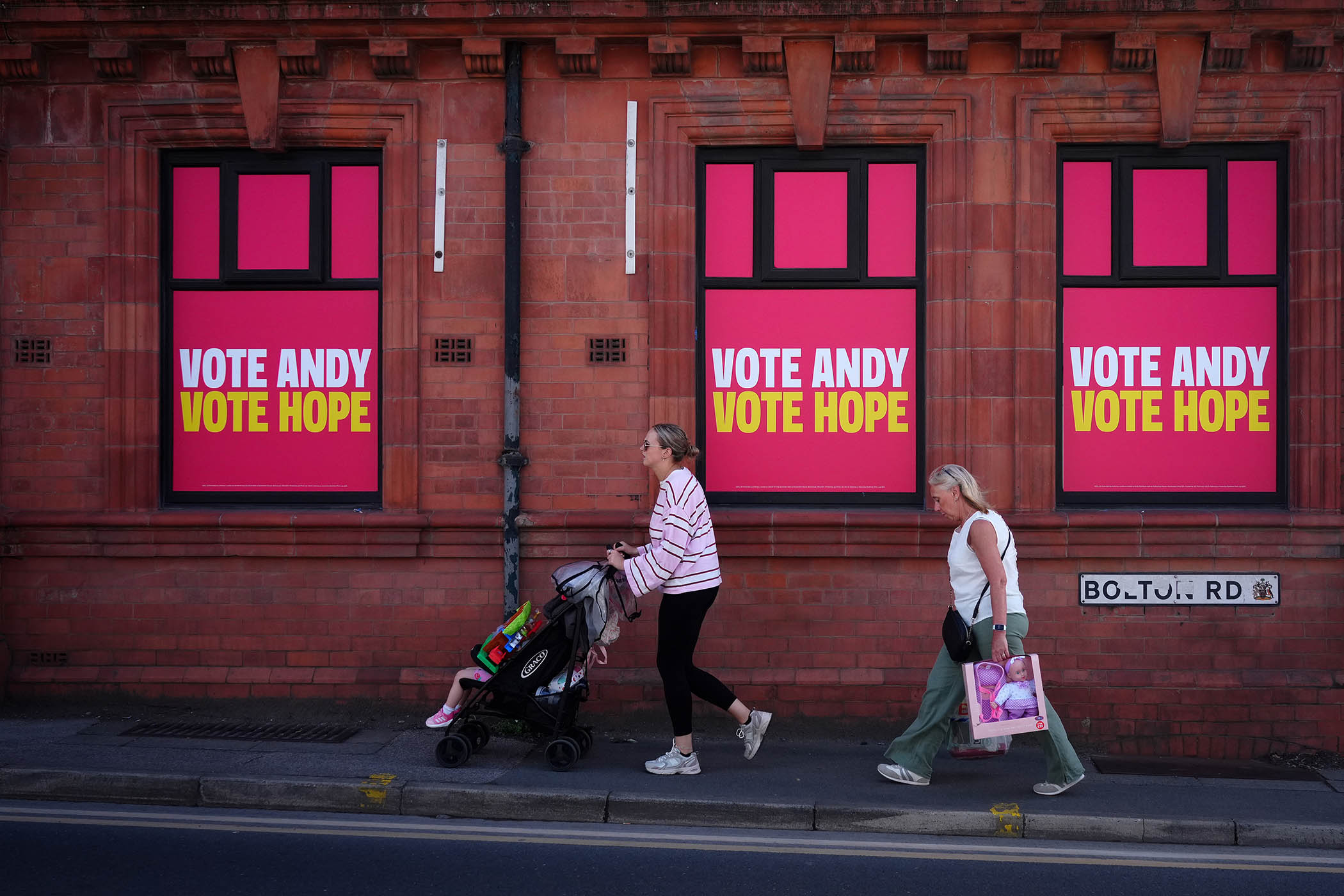


Even before the result was in, the verdict was entered that the Ashton-in-Makerfield byelection was the most consequential in British political history. So it was, but its ramifications have nevertheless been underestimated and, in some crucial aspects, misunderstood. That Andy Burnham will succeed Keir Starmer is as inevitable as an event can be before it has happened. There will be a clamour for a contest and perhaps a summer of hustings, but no great surprise from here. But just as Starmer’s time in office has been restricted by his foolishly tight manifesto promises on tax, the new shape of British politics was visible in this day of byelections, hiding in plain sight.
The first canard is the supposition that Burnham is a uniquely gifted harvester of the Reform vote. Burnham himself appears to believe this. The sentimental story of his politics is that he is the man to retrieve the vintage Labour folk abandoned by the bourgeois Labour party. It looks to be true, on the face of it. Last month, Reform won 50% of the vote, and Labour won just 25%, in the local council elections across the wards that make up the byelection constituency. In the byelection, Labour won 55%; Reform 35%.
Burnham’s rhetoric and aesthetic is all about beating Reform, but it’s not really true. The polling data from researcher Convergent is an early indication that Burnham’s victory might be owed more to consolidating the left than persuading the right. The numbers from Convergent suggest that only 5% of Reform’s 2024 general election vote switched to Labour. In fact, Burnham may have lost as much as 11% of the Labour vote to Reform. In a straight fight between Labour and Reform switchers, he lost.
This leads to an important conclusion, which is that in close contests tactical voting is going to be decisive. Plaid Cymru assembled the anti-Reform vote in Caerphilly and the Greens did the same in Gorton and Denton. The interesting thing is that this is exactly what Burnham did in Makerfield. Burnham won not by combating the right but by uniting the left. In May, in the local elections, the Greens and the Liberal Democrats won more than 5,000 votes, on a small turnout. In the byelection they won fewer than 500 between them. The anti-Reform vote came together, perhaps supplemented by some Labour voters who sat out the locals but decided this was an election worth taking part in.
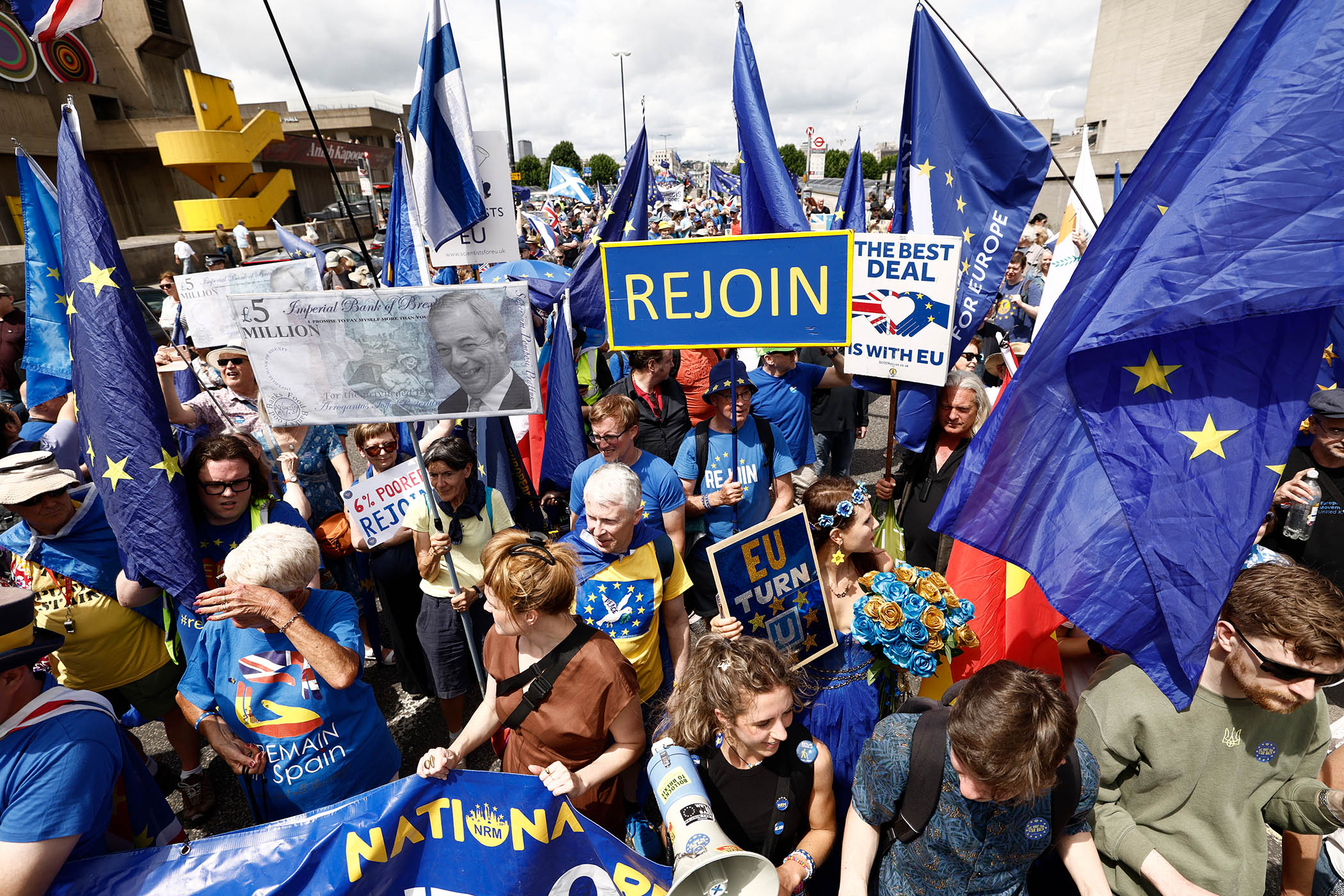
Which is the next important point. It might be hard-headed, rather than complacent, to say that Reform is not a serious party. Burnham’s candidacy in Makerfield raised the stakes. The byelection, uniquely, posed the question: who would you like to be prime minister? Nigel Farage was not on that ballot paper, but Labour’s emphatic victory does show that when people are asked to take an election seriously, they hesitate at the thought of Reform. This was always going to happen to some extent – the likelihood of Farage becoming prime minister has always been exaggerated, no doubt out of fear of what might ensue – but it was a clear implication of Ashton-in-Makerfield.
The capacity of Burnham to consolidate the bloc of votes on the left heralds a partial return to two-party politics, in which Kemi Badenoch is taking the other lead role. In Aberdeen South, the Scottish Conservatives won their first byelection victory since 1973. In popular estimation, the Conservative leader herself has made a significant recovery. The latest More in Common poll places her as the party leader with the most favourable rating of all, although in a land that despairs of its politicians, that is not saying all that much. Badenoch, however, is emerging as the leader of the bloc on the right and acquiring that status is itself a source of further votes as people who want to stop Labour will, once again, see the Tory party as the best way of doing so. Farage derangement is a tempting condition for Labour people, but the Tories are still the real opposition.
Indeed, the question of whether Badenoch is ever prepared to deal with Farage in a coalition could yet be the most consequential of all if a Burnham government runs into trouble. Badenoch put her finger on the problem when she said “the Makerfield byelection was about one man’s job. The Aberdeen South byelection was about thousands of jobs all over the country, but especially in the oil and gas sector”. This is exactly the faultline in the age of Burnham. Psychologically, Labour remains the party of working-class jobs. Psephologically, it is the party of green activism. And now this division will play out in the divided soul of the man who will soon be prime minister.
Photograph by Christopher Furlong/Getty Images
Newsletters
Choose the newsletters you want to receive
View more
For information about how The Observer protects your data, read our Privacy Policy