If anyone understands how No 10 works, it’s Tom Fletcher, the former ambassador and adviser to three prime ministers who is now the UN’s humanitarian chief. Last week I asked him what he thought was going wrong with politics in Britain right now. “Caution and risk-aversion,” he replied without hesitation. “A lot of the radical ideas are on the right at the moment, the left and the centre has got to rediscover its energy again.”
Jonathan Powell, Keir Starmer’s national security adviser and previously Tony Blair’s chief of staff, has a similar view. In his book The New Machiavelli, he argues that the most important characteristics for a leader are “courage and intelligence” (he defines intelligence as judgment or emotional intelligence rather than pure intellect). “In politics the quality of courage is mainly demonstrated by the ability to make difficult decisions and the willingness to take risks when you can’t be certain of the outcome,” he writes. “Sometimes in government Tony [Blair] metaphorically drove the car at the wall, daring others to give in and risking his leadership to secure the reforms he thought vital.”
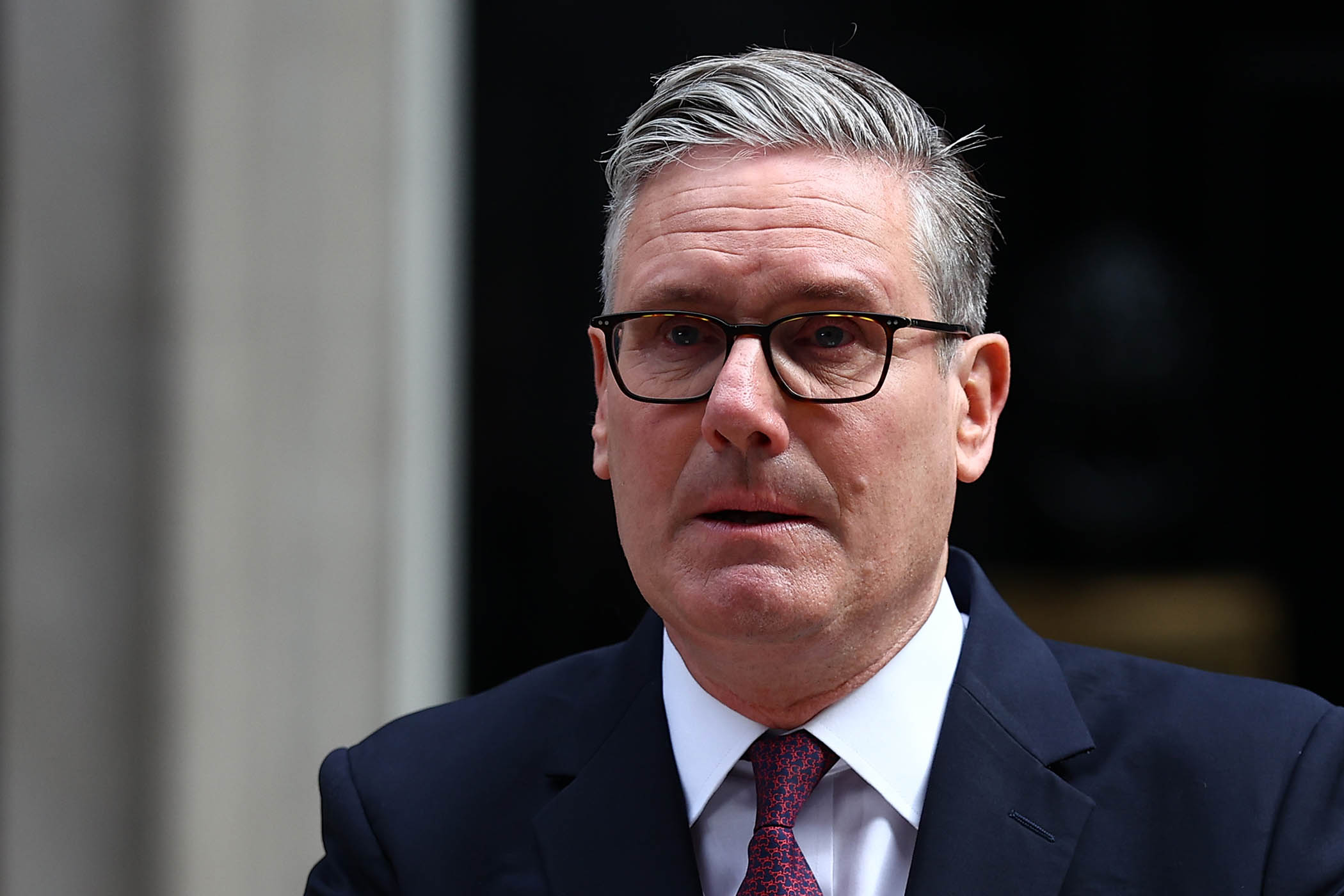
The populists have the accelerator flat to the floor. Donald Trump is willing to smash through the rules-based world order. Nigel Farage and Zack Polanski are careering at full speed to right and left. Keir Starmer edges carefully towards the wall then U-turns at the last minute. It is not surprising that the prime minister is being urged by those around him to be much “bolder” to save his leadership.
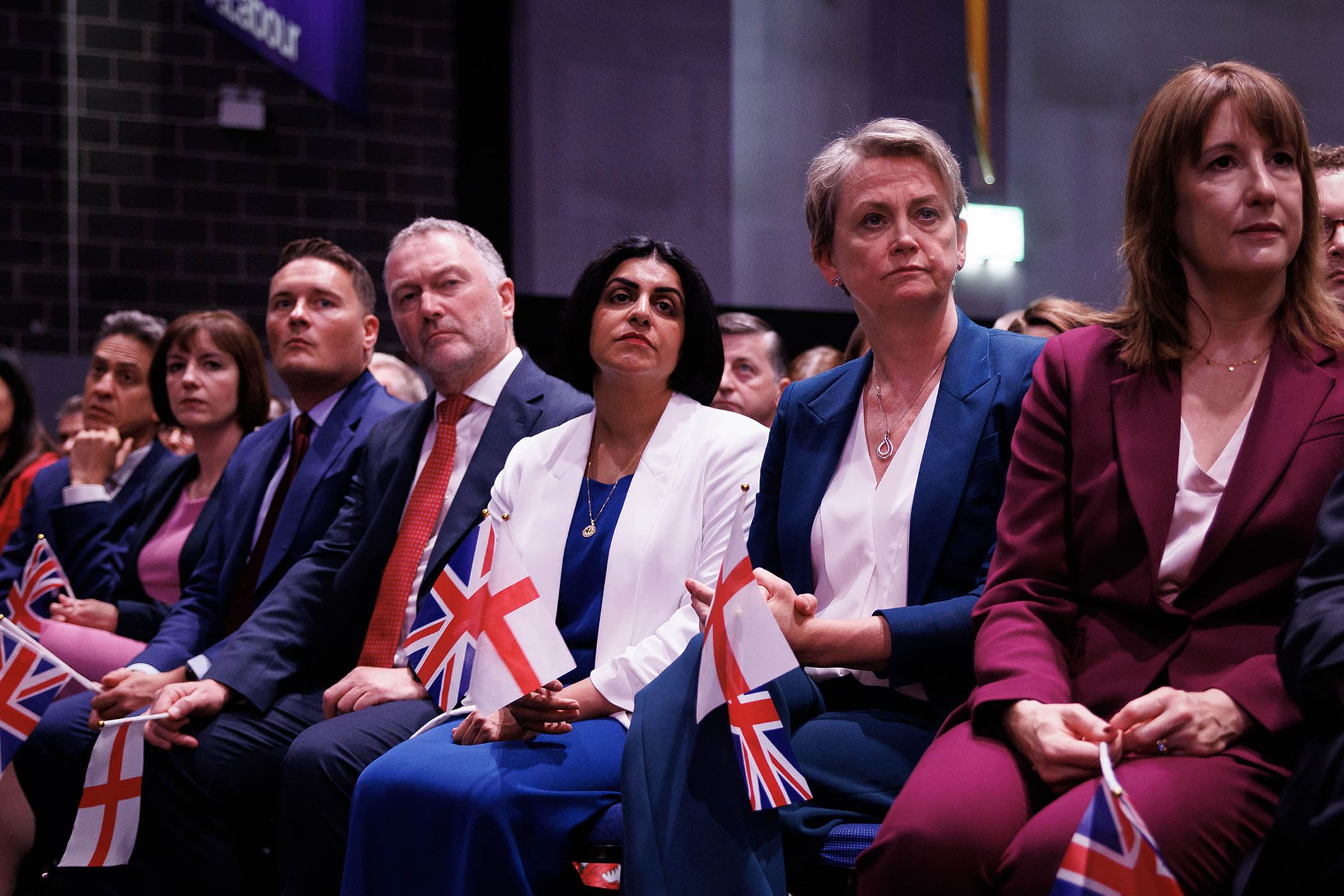
The danger for Labour, however, is that “bold” becomes code for “left wing”, which risks misinterpreting the electorate’s genuine desire for change. When the climate change secretary Ed Miliband said recently that the current political crisis must be a “moment of change” for the government, he suggested this meant putting more emphasis on tackling the “class divide”.
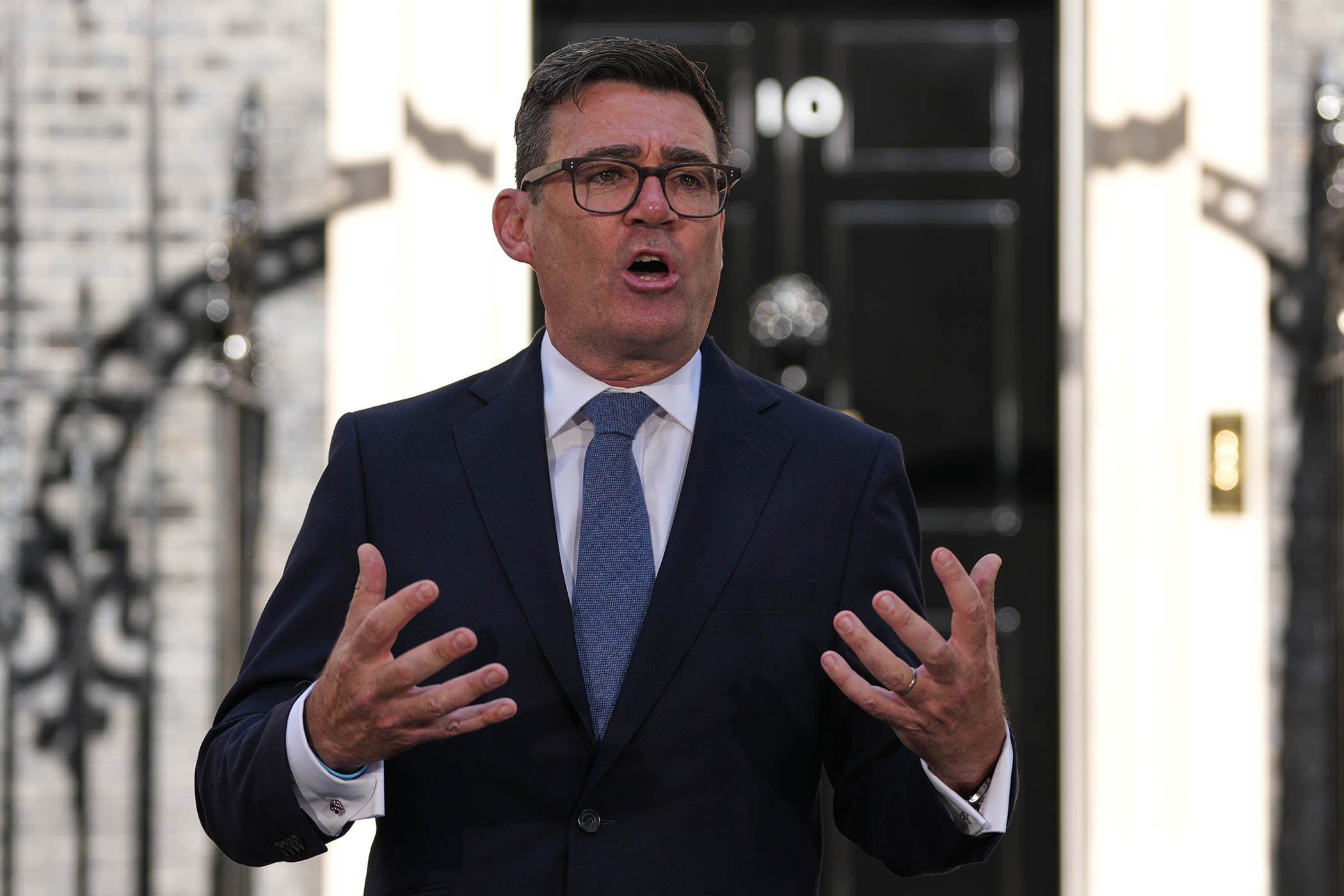
There was a similar tilt to the left from the Greater Manchester mayor Andy Burnham, who insisted that the latest revelations about Peter Mandelson’s links with Jeffrey Epstein showed the government must draw a line under a political culture “that was too close to wealth and power”.
But reverting to old-fashioned socialism will not deliver the transformation the voters crave. The radicalism must come not from swerving left but by modernising the public services. As the home secretary Shabana Mahmood put it recently – when interviewed by Blair – when it comes to reinventing the state it should be a case of “go big or go home”.
Morgan McSweeney, the prime minister’s former chief of staff, used to dismiss the idea of public service reform as “woke-coded” (by which he presumably meant that talking about policy was for namby-pamby liberals in think tanks, not the mythical horny-handed sons of soil in the “red wall”). But schools, hospitals, GP surgeries, police stations and the courts are the places where voters interact with the government. Politicians will ultimately be judged by the success or failure of the delivery arms of the state. The turnaround of the Passport Office from a basket case to a model of efficiency in just 18 months proves it can be done.
The government has this week embarked on two ambitious public service reforms. The proposals for transforming provision for children with special educational needs and disabilities (Send) show that it is possible for the government to win an argument for radical change even on the most tricky and emotionally charged policy. It was not about veering to the left or the right, or rushing through changes to save money. It was about looking at the evidence, identifying the problem and finding a pragmatic solution.
David Lammy, the justice secretary, is also pressing ahead with the biggest shake-up of criminal justice in decades to deal with the record backlog in the courts. Some Labour MPs are threatening to vote against the plan to remove the right of some defendants to choose to have their case heard by a jury and to introduce judge-only trials instead. But the status quo, in which rape victims are forced to wait years for their case to be heard, is neither sustainable nor acceptable.
Ministers must go further faster if Labour is to meet the public demand for renewal. The Department for Education this week promised a “broader” curriculum and “more inclusive” schools to draw out the potential of every child. The next step should be a complete overhaul of exams. A ban on social media for under-16s would be another courageous move to protect children from the extremes of the online world. And as well as rethinking the student loan system, the government should reinvent universities.
Newsletters
Choose the newsletters you want to receive
View more
For information about how The Observer protects your data, read our Privacy Policy
Social care, soaring obesity rates, the epidemic of youth mental illness all need radical solutions. Welfare reform cannot be avoided, and the anachronistic pension triple lock must be scrapped. Instead of introducing simplistic wealth taxes, the government should reform council tax and stamp duty. And the government must look again at digital ID cards – not as an attempt to sound tough on immigration, but as a way of making the state more accessible to its citizens and public services more convenient for their users.
The public mood is cynical, demoralised and angry. This is partly because people feel powerless and blame politicians for failing to deal with apparently intractable problems. The voters want a prime minister who can deliver a better future. That means throwing caution to the wind.
Fletcher, who worked for Blair, Gordon Brown and David Cameron, says: “Watching all those leaders up close, I don’t think they ever regretted it when they really went for something.”
Photograph by Dan Kitwood / Getty Images