
Photograph by Katherine Anne Rose for The Observer
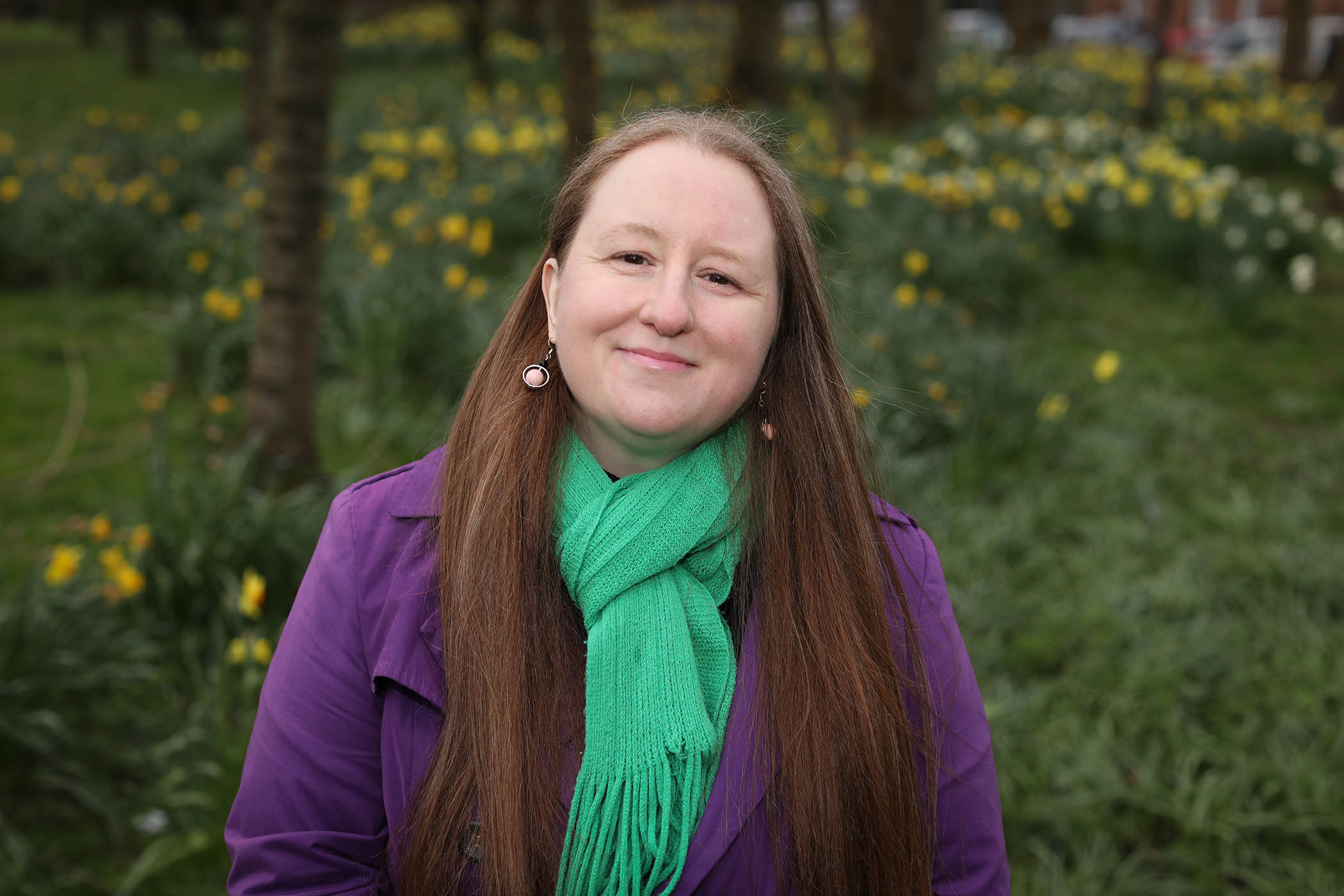
Michelle Leonard, a genealogist and DNA detective who worked on The Observer’s Foundling podcast series, said she is encountering a growing number of cases where people are trying to uncover the truth about their families and heritage using firms such as Ancestry and 23andMe.
The ancestral genetic testing industry is already valued by market analysts at more than £500m in the UK and is expected to grow substantially. It was boosted last year by the Human Fertilisation and Embryology Authority’s decision to give people born after 1 April 2005 access to their donor’s identity.
“Many, many people come to me to solve questions like ‘who was my father?’, ‘who was my grandfather?’ because they’ve grown up not knowing,” Leonard said. “I’ve had everyone from people in their 20s to people well into their 90s who thought they would never get the answer to this enduring, lifelong mystery, and now they’re being told this thing exists that might give them the answer.
“It’s an amazing eye-opening thing for so many people, but it has to be used in the right way, and it can also cause a lot of upset and pain as well.”
Genetic fingerprinting was invented in 1984 by British geneticist Sir Alec Jeffreys and FamilyTreeDNA began offering testing for genealogical purposes in 2000. But testing was expensive, and the true value of DNA genealogy has only emerged in recent years as more people have added details to databases of the commercial firms. Now, with tests costing under £100, millions of people have had DNA tests taken by spitting in a tube or taking a cheek swab.
“The most advertised part of it is an ethnicity estimate,” Leonard said, “so people find out they’re 30% Irish or 20% western European. But what they also get is this very powerful list of all your DNA matches, with all the other people who have taken a test at that company who have agreed to be in the database.”
The chances of tracing ancestors or discovering a family secret are much more likely among users from the US, the UK and other parts of the Anglosphere and Europe, but testing is much less prevalent in Asia and Africa. The databases show the degree of relatedness with others and guess at what that relationship might be.
“That is what Jess, in our foundling story, did so well,” Leonard said. “She approached the right people and got them to test. And that's why Jess was in the fortunate position, when I evaluated her results, of having extremely high matches that she had gained herself.
“I've worked on other foundling cases where neither parent was known. And sometimes we're lucky with reasonably high matches, and sometimes we're not.”
Newsletters
Choose the newsletters you want to receive
View more
For information about how The Observer protects your data, read our Privacy Policy
It’s easy to make wrong assumptions, she said, recalling an adoptee trying to find her genetic father. The woman believed he must be Ashkenazi Jewish and tried to build a tree with help of others on the database. Leonard found that in fact this element of her ancestry came from her mother’s side. “It turned out she had what I would call a ‘misattributed parentage event’. Her genetic mother’s father was not the man listed on her birth certificate.”
Cases like this, where someone discovers that they are not genetically related to their father or grandfather, can be hugely distressing. The reverse can also be true, Leonard said. In one memorable case, a woman contacted her wanting to know who her genetic father was.
“She had a stepfather from the age of 10, and she hated this man, and she said the only saving grace was that she wasn’t related to him. And unfortunately - and this is very rare, you know - he turned out to be the biological father.” The woman was devastated.
Leonard became a professional genealogist 16 years ago while helping identify first world war soldiers buried in a mass grave and since has worked on hundreds of cases, but there is one family mystery that remains elusive.
“There is one I cannot solve, who the father of my own first cousin is. And that frustrates me no end.” The reason is that he comes from Punjab in Pakistan, and DNA testing has not yet taken off there, or in many other parts of Asia and Africa, or in France, due to legal restrictions, Leonard said.
“But we live in hope that the right people may test one day – you just never know,” she said.