
This article is part of the Rory Smith on Football newsletter – a guide to help understand what is happening on the pitch, off the pitch, and why all of it matters.
Throughout the tournament, Rory will be travelling across America, delivering daily commentary on the biggest World Cup ever direct to subscribers. Never miss a newsletter, subscribe now here.
It has been clear for some time that, even for those whose international allegiances lie elsewhere, the funniest possible conclusion to this World Cup involves England winning it in New York and/or New Jersey in a couple of weeks’ time.
Partly this is because of the presence of Thomas Tuchel. Regardless of whether you think hiring a foreign manager is a legitimate approach to international football or not – and let’s be clear that, for a major nation, it very much isn’t – it would be an objectively good bit of comic scripting if England’s long-awaited triumph was delivered by a German.
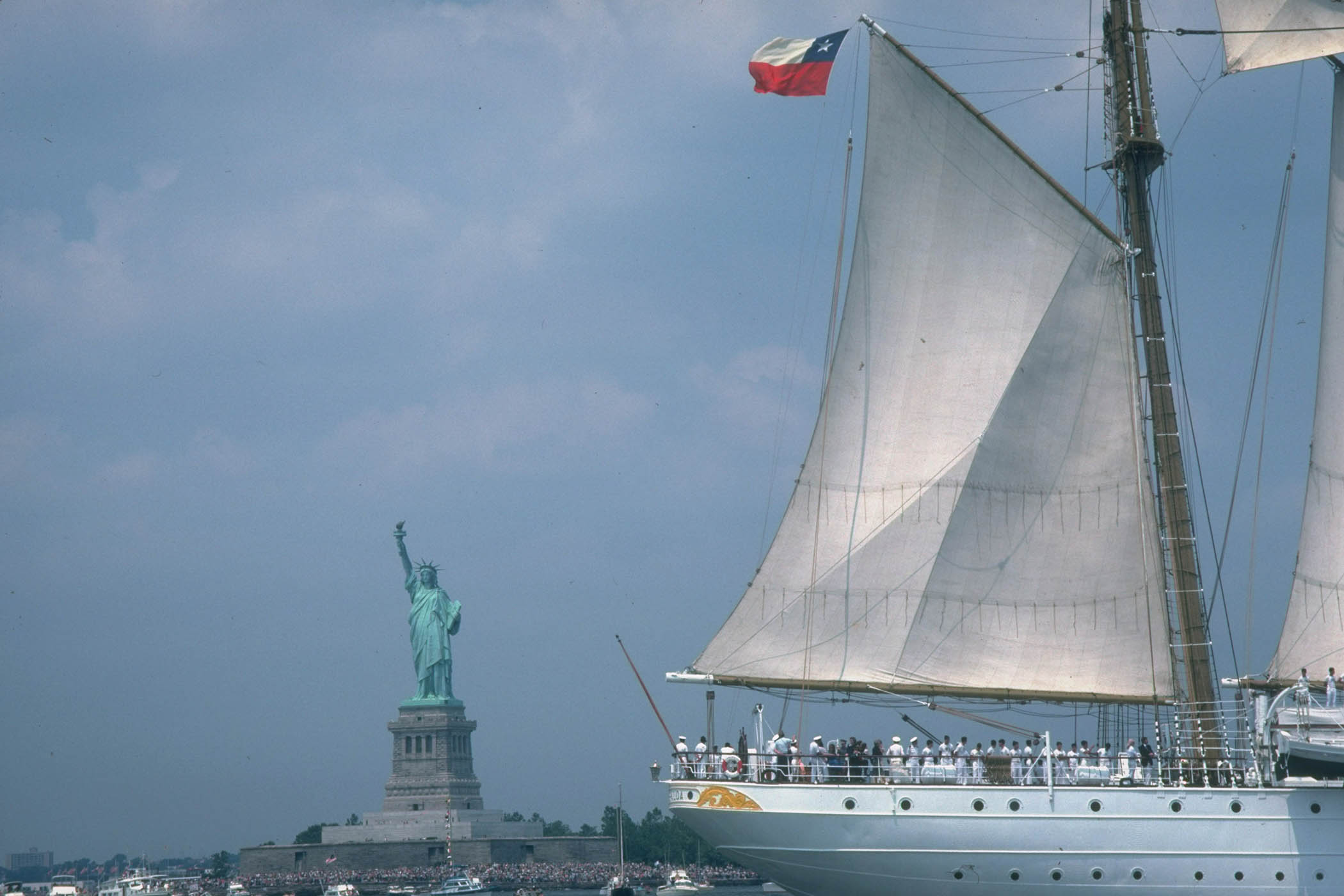
And partly it is because, as you cannot fail to notice anywhere in the United States at the moment, the country is about to celebrate the 250th anniversary of the Declaration of Independence.
Every major civic building has been decked out in red, white and blue bunting for weeks. There are particularly elaborate July 4 plans in cities and towns and backwater burghs across the country.
The level of triumphalism is best summed up, though, by the fact that Fox News are offering a special subscription deal, priced at the most patriotic point imaginable: $17.76 a month. What better revenge could there be for the hated imperialist overlords than being crowned world champions on American soil two weeks later?
There is, however, a glaring hole in this narrative. The Americans seem to quite like the England national team. Or, at least, a considerable proportion of them appear to have a soft spot for certain members of it. The embers of the special relationship, it turns out, have been rekindled by the guttering flame of the Premier League.
The 1994 World Cup is often presented as football’s modern origin story in this country, the bedrock on which the game was – after a century or so of false starts – at last able to grow. Major League Soccer, the sustainable and uncharacteristically low-key domestic league, followed a couple of years later. Progress since then has felt grinding, but it has been undisputable.
An alternative timeline, though, would take a much more recent starting point. In 2013, NBC won the rights to show Premier League football from Fox and ESPN. The network saw football as the ideal centrepiece of both its sports offering and its streaming service, Peacock. They poured substantial resources into their coverage. The sport, as a television product, blossomed.
Newsletters
Choose the newsletters you want to receive
View more
For information about how The Observer protects your data, read our Privacy Policy
That was 13 years ago; since then, a generation of Americans have grown up being able to follow the Premier League as easily as any of their domestic sports. More easily, in a way: the games take place on Saturday and Sunday mornings, allowing fans to watch and then get on with their weekends. Even more so than pre-season tours and various marketing activations, it is access that has built affection, both for the league itself and the clubs it contains.
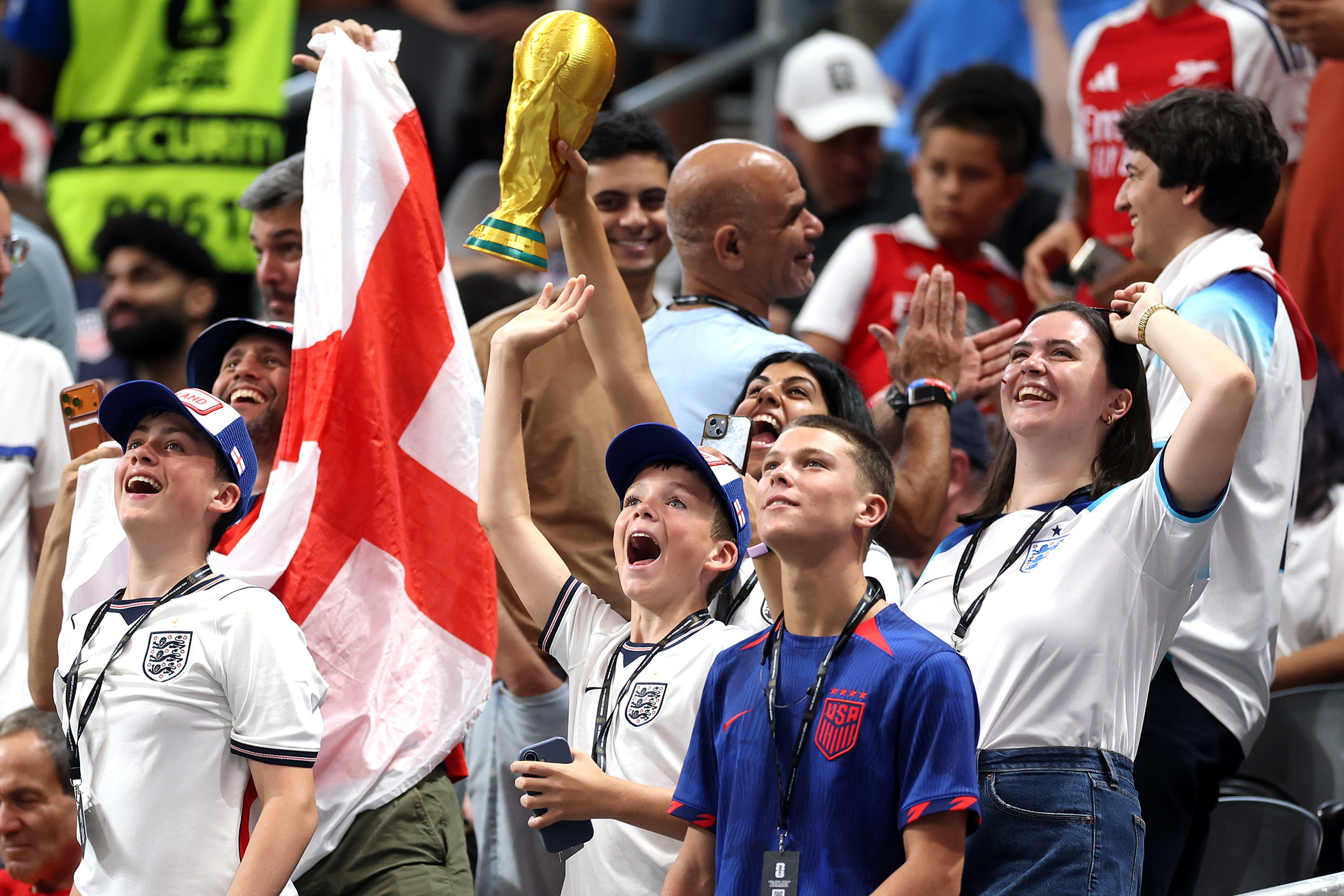
That was particularly evident in Atlanta, on Wednesday, when the stands of the Mercedes-Benz Arena were filled not just with England shirts of various vintages but a vast array of club colours, too, many of them containing fans who had not needed to cross an ocean to get there: a lot of Liverpool, and Arsenal, and Manchester City, and rather more Everton than you’d expect.
But that was not an isolated incident. The pattern has held elsewhere. Those attending games without what our American cousins call a “rooting interest” have taken it as an opportunity simply to display their fealty to and affection for the sport as a whole; more often than not, the preferred vehicle for doing that is a Premier League shirt. It is exactly the same phenomenon that happens at the NFL’s European fixtures.
But it is England who are the primary beneficiaries; improbable as it sounds, it has occasionally felt as though Tuchel’s side have been nominated as the United States’ second team. That makes sense: England boast a surfeit of familiar faces; these are many of the same players that fans spend their weekends cheering (and criticising).
That is a measure both of the extraordinary appeal that the Premier League holds, and of the soft power that it wields. America will spend this weekend celebrating throwing off the shackles of British oppression. In a couple of weeks’ time, it feels like there are plenty here who would be quite happy to see England celebrating conquering the world.