
At some point, some time in the first half of the United States’ invigorating victory against Paraguay in Los Angeles yesterday, one of the dozens of cameras alighted on a couple, pressed close against each other, locked deep in conversation. So far, so standard: there are, presumably, whole armies of videographers employed just to pick out brief snatches of vaguely compelling filler.
These two, though, looked familiar. On second glance, it turned out that they were not just a couple. They were, instead, singer and part-time astronaut Katy Perry and Justin Trudeau, former prime minister of Canada. For those of us not quite as au courant with the world of celebrity romance as we might be, this came as a bit of a shock. Still, their union feels typical of the all-purpose absurdity of 2026. Next up: Theresa May hooks up with Jason Mraz.
That the shot should have lingered on them was typical in a different way. Last week, the New York Knicks completed a remarkable comeback against the San Antonio Spurs (Spurs by name, Spurs by nature) in the fourth game of the NBA Finals. They did so with a last-second basket from their London-born forward OG Anunoby.
It was as dramatic a denouement to a game – in any sporting discipline – as it is possible to imagine. The Knicks had been 29 points down at half-time. Somehow, they had come back to win. They now stood just one win away from a first championship for half a century. Madison Square Garden (MSG) erupted. Players burst from the bench onto the court. For a few seconds there was bedlam.
To football-coded eyes, there is an established rhythm to what should come next. The first shot is always of the celebrating player. The second depicts the euphoria of the fans. Then come the jubilant team-mates and/or the stony-faced manager, performatively refusing to show any emotion. Then it’s the huddle on the pitch. Finally, there is a close-up shot of the most ecstatic fan the producers can find. Ideally this would be a child, but in some cases a large man will do.
The purpose of this imagery is to convey to us, as an audience, what that moment meant, the delight it has triggered, to remind us of the powerful emotions that sport can generate. It frames the goal or the try or the wicket or whatever as the climax of a crescendo; it tells us that this thing we are watching matters.
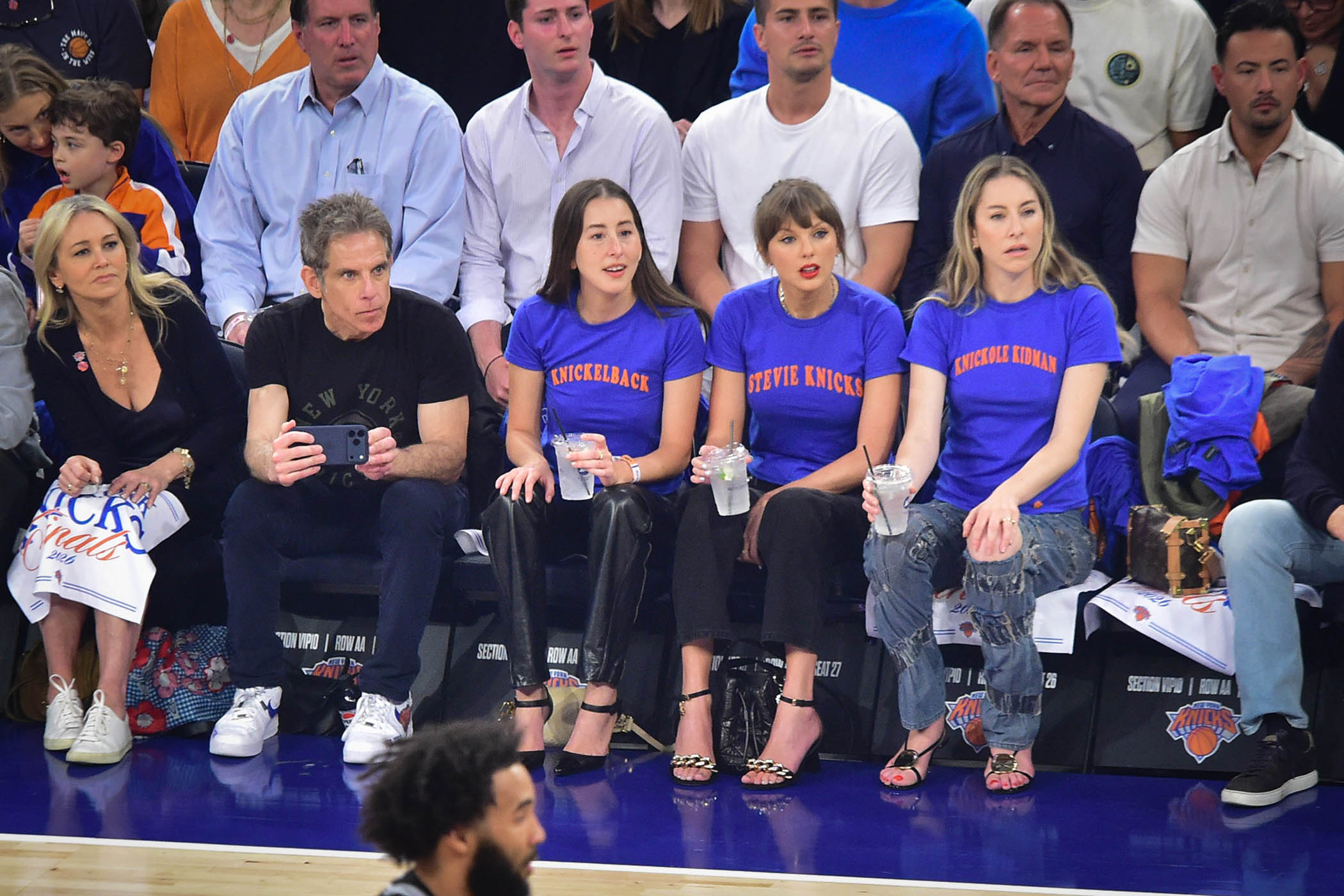
In the Knicks’ moment of triumph, though, the US was served a different set of images. There was, admittedly, a wide shot, depicting the disbelieving chaos spreading through MSG. But after that it was all quick cuts to courtside: Adam Sandler celebrating, and Larry David, and John McEnroe, and Taylor Swift. This tells a different story. It says, in effect, that this thing matters because these celebrities are happy.
The same has applied over the first couple of days of the World Cup. Viewers watching Canada’s search for an equaliser against Bosnia in Toronto experienced it largely through the agony of Ryan Reynolds and Mike Myers, both inside what Fifa insist everyone calls “the Toronto Stadium” to support their homeland. In Los Angeles, it was not just Perry and Trudeau helping guide us through the US’s win. Bill Gates was on hand to help too.
This fixation probably says something deeply profound about the US’s relationship with fame; more immediately, it offers a clear indication of what Fox, the host broadcaster, thinks about its audience. We see it in Britain during Wimbledon: it is an understandable reflex for a network keen to engage viewers whose interest in the sport might not be etched into their souls.
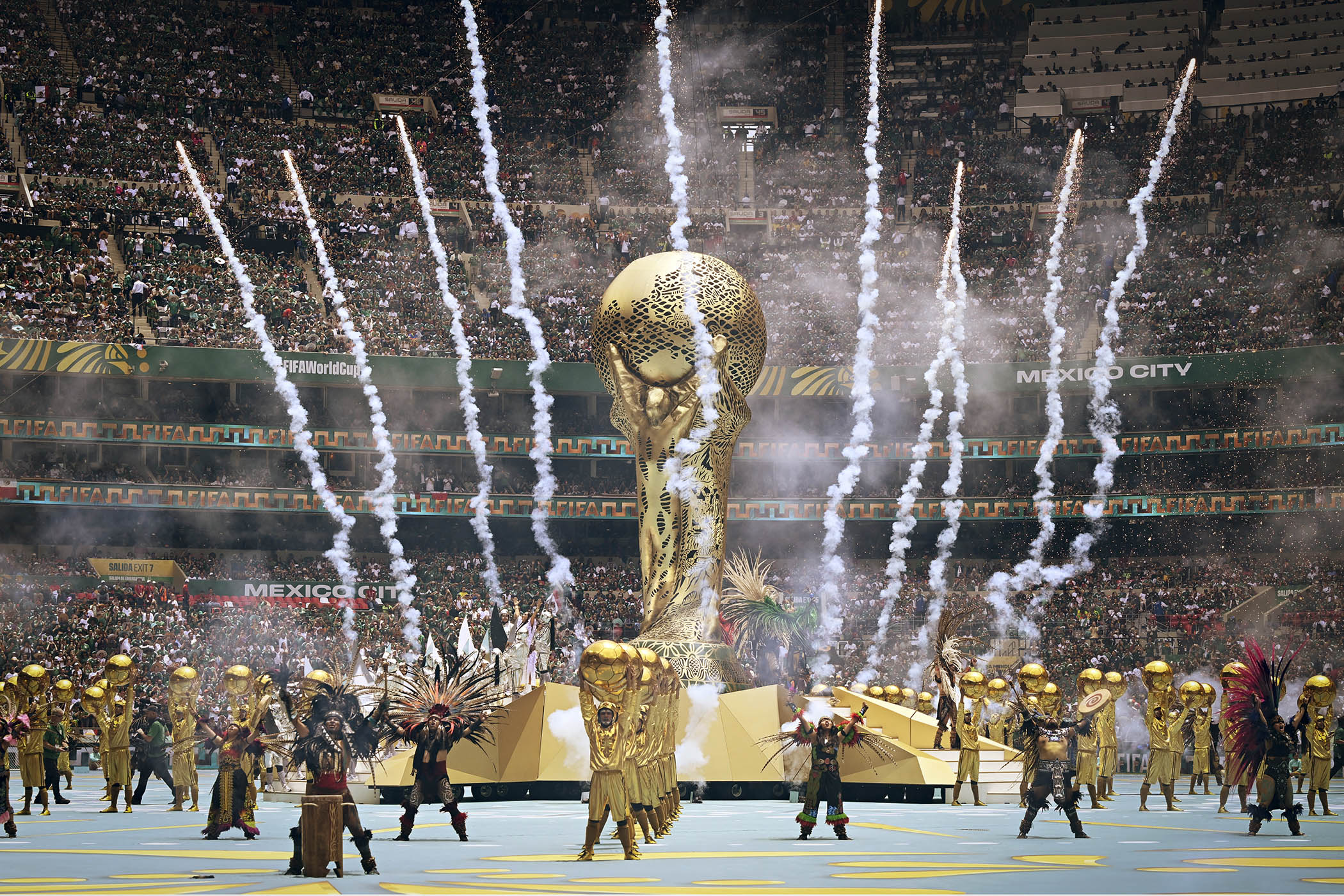
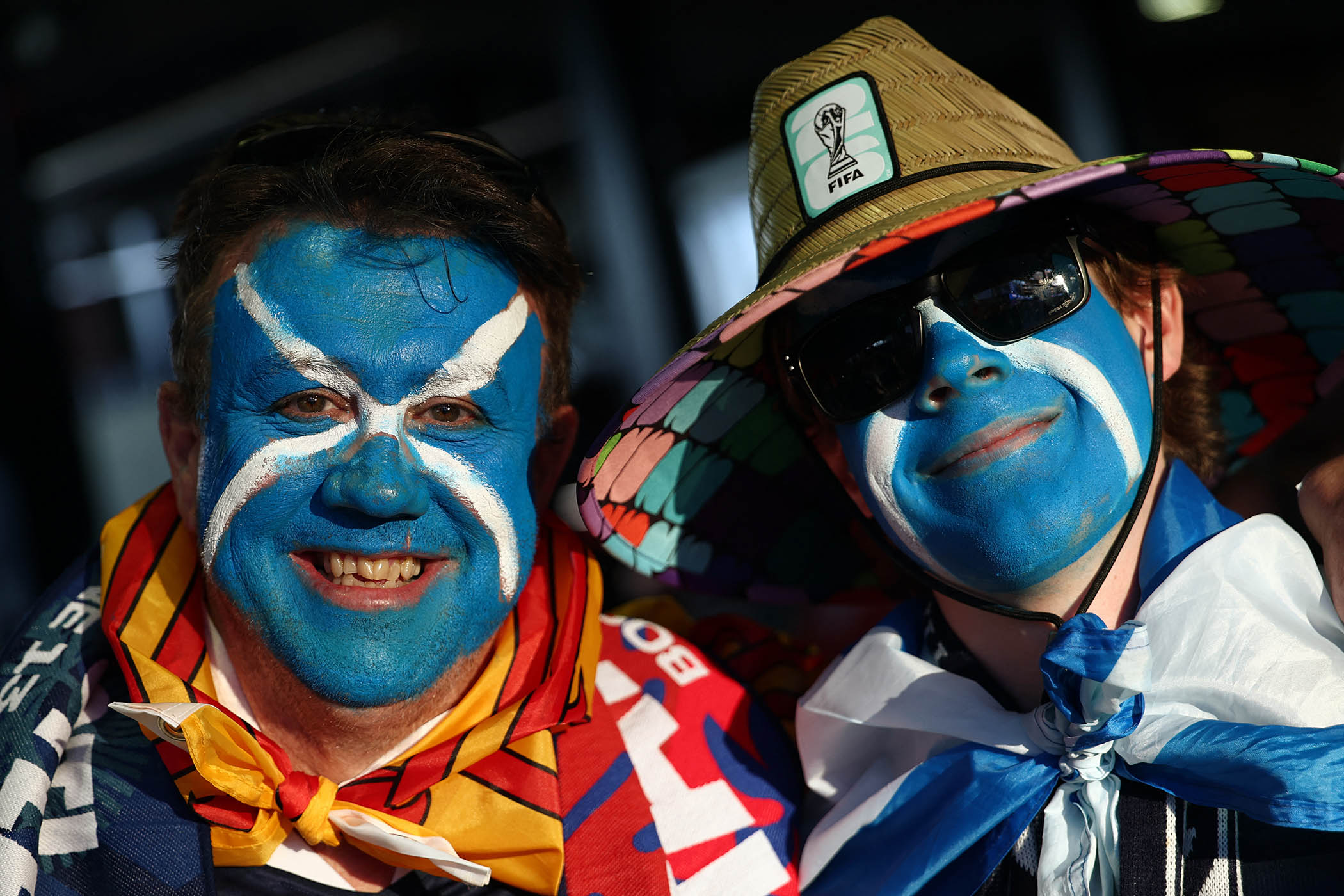
There is no great harm in that, but my sense is that it is rooted in a misunderstanding. The most evocative images from yesterday were the scenes of crowds: the thousands marching to Canada’s game in Toronto, flare smoke swirling above them; the explosions of joy across the US that followed Mauricio Pochettino’s team’s blistering, nerve-settling start. Nothing, after all, better illustrates the power of the World Cup than showcasing how much it means not to a few familiar faces, but to vast throngs of people we don’t know.
Newsletters
Choose the newsletters you want to receive
View more
For information about how The Observer protects your data, read our Privacy Policy
Photograph by Michael Gonzales/NBAE via Getty Images