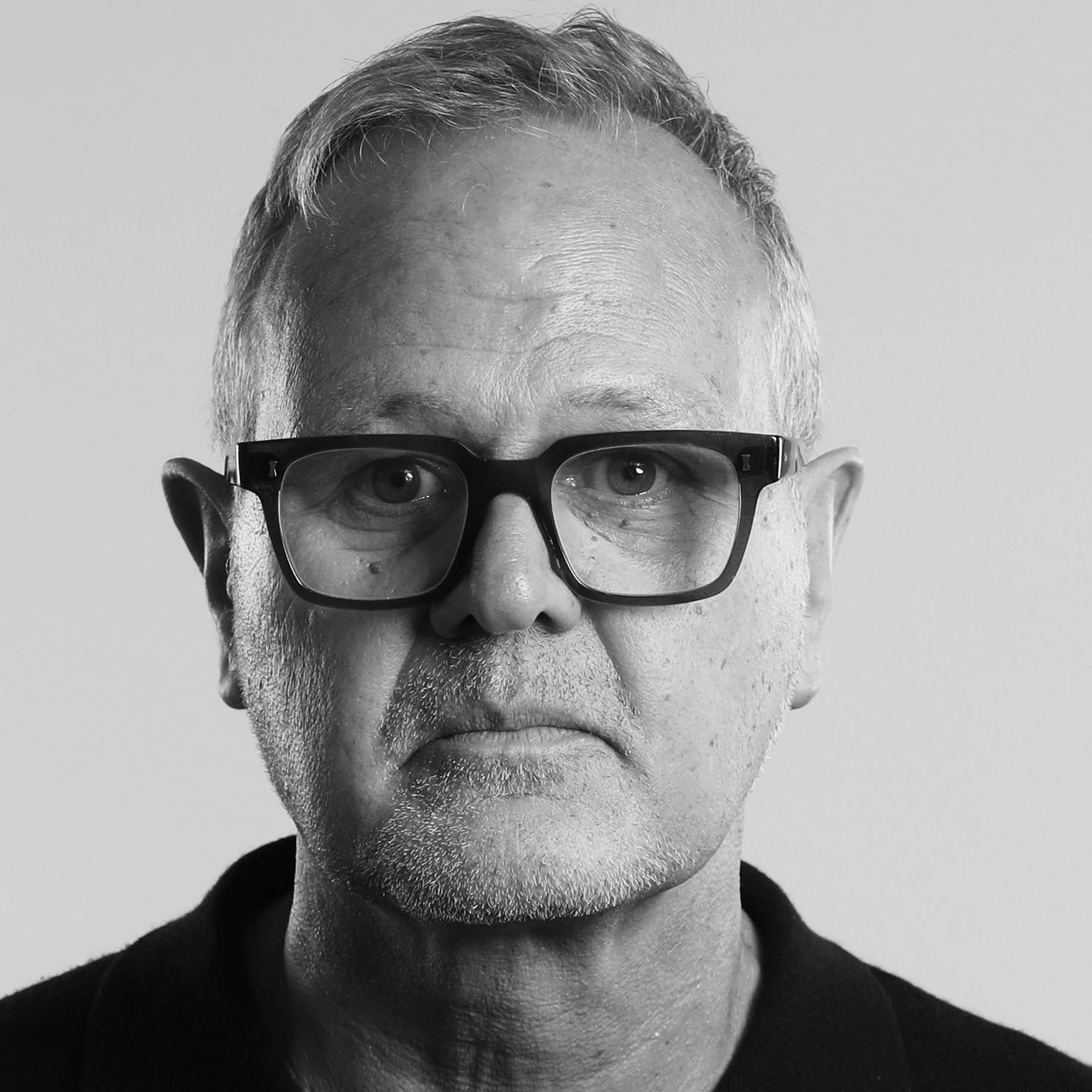
Dafydd James was signing his autobiography in a marquee at the Dragons v Newcastle Red Bulls game when The Observer dumped some hefty questions on him about Welsh rugby’s future.
Like many legends in these parts, James has the answers close to hand – because turmoil and decline eat away at the players who maintained a great national tradition before franchises became an obsession at the expense of grassroots and communities.
James was capped 48 times by Wales, played in all three British and Irish Lions Tests on the 2001 tour of Australia and represented three regions – Celtic Warriors [now defunct], Scarlets and Cardiff Blues – as well as Pontypridd, Bridgend and Llanelli on the Welsh club circuit. There are few better placed to analyse the constant transitions in the game in Wales.
“What you have to understand in Wales is that it’s cultural,” he says. “Rugby was seen as the livelihood of the villages and towns. In England it’s probably football, in Wales it was rugby. That’s what everyone wanted to do at the weekend.
“You went to your local rugby club. Now all of a sudden that’s dying. The clubs are dying. There’s hardly any village teams. Valley teams are dying.”
This diagnosis of local withering isn’t new but has acquired fresh weight with the national team’s run of 18 straight defeats (ended in July when they beat Japan) and bitterness around the reduction in the number of regions from four to three.
James, whose book, Offloading – Tackling My Truth, tells the story of his struggles with mental health as well as his great career, is described by Jonny Wilkinson in a foreword as a man of “kindness, humility and selflessness”. He is frustrated, too, at what he sees as institutional neglect along the route from town and village to international level.
I’m fearful for the game... the club should be the conduit. That’s where it’s wrong.
I’m fearful for the game... the club should be the conduit. That’s where it’s wrong.
Dafydd James, ex-Wales player
“The way that it’s come about is wrong – the political side,” he says. “It’s been detrimental to club rugby and grassroots rugby. I do see the logic of having only three teams but the conveyor belt is all wrong.
“Some of the schools are playing two, three rugby games a year. If you’re developing Welsh rugby that’s not going to work. Everything has been a mishmash and it’s been poorly done.
“At a certain level – school level from 11 to 18 – it’s dropping off. I’m fearful for the game, really. Something needs to be done in the school system, encouraging more people at grassroots level. Clubs founded the WRU [Welsh Rugby Union], and there should be a bit of allegiance to the club game.
Newsletters
Choose the newsletters you want to receive
View more
For information about how The Observer protects your data, read our Privacy Policy
“The club should be the conduit. That’s where it’s all wrong. It’s all based on figures, not development.”
James saw up close the folding of a regional side. Celtic Warriors were a merger of Pontypridd and Bridgend but lasted just one season. Pontypridd supporters were reluctant to watch a team play in Bridgend and mutual tensions killed the partnership. When players’ contracts were annulled in 2004, James left Wales to play for Harlequins.
“It was all based around when the game went professional and people were paying average players money,” he says. “It’s been 25 years since the inception of regional rugby. All we’ve seen is negatives. It’s not seemed to work. Crowds are dwindling.
“I found out when I turned pro in 1995-96. It was literally turn pro overnight. Everyone gave up their day job and thought, ‘Whoa, we’re going to get rich quick.’ There’s been a vast amount of money at the top, but I only see our union looking at that top level, the bottom line figures, rather than looking at things culturally. You have to understand what it means to people.”
James is no admirer either of the way the game itself has developed as an entertainment. “Everybody’s taken out of their clubs and put in these academy systems, wrapped in cotton wool,” he says, voicing a popular complaint of players from better times. “I’m all for duty of care, looking after players, but you have to develop, and not just the strength and conditioning and nutritional side, but the actual playing side.
“Everybody’s getting bigger, faster and stronger. The law changes are there to make the game faster and more entertaining, but there’s still too much kicking for my liking; speculative balls, rather than having that awareness and developing, dare I say it, the Barry Johns, the Neil Jenkins, the No 10s of the golden era. Jonathan Davies, that golden ilk of player. Get back to enjoying the game – and get more participation.”
James says he would like to see less “robotic” rugby. Noticeable too around South Wales is a feeling among the greats of the game that they have been marginalised by the authorities. Davies made that point in a recent social media post and James feels the same about career bureaucrats setting up barriers to the finest former players.
He says: “I would gladly have put my hand up to help. There’s a wealth of talent that has come through the system and understands the game. There are plenty of players out there who’d put their hand up and say, ‘I’ll help with different things.’ But the union will come back and say it’s all about the cost, we can’t afford this, we can’t afford that.”
Most of all he thinks the fixation with the number of regions obscures the existential question: “What’s underneath?”
Photography by Karen Robinson for The Observer