The phrase “Kill yourself for Africa” would probably sound troubling if you didn’t know its context.
Something I love about my generation and gen alpha is that we are huge fans of making trends out of ridiculous things for comedic effect. In 2024, the Senegal and Chelsea striker Nicolas Jackson put out an Instagram story that went viral. In August of that year, the broadcaster, former Nigeria national team player and former Chelsea midfielder Mikel John Obi had criticised Jackson’s performance in a Chelsea vs Manchester City game.
This wasn’t a one-off: Obi had expressed his frustrations with Jackson throughout the season and said Chelsea “needs a striker who will score goals”, describing Jackson as a player who “does a little bit here and there but we need a top striker… we don’t have that.” A few weeks later, Jackson scored after 98 seconds against Wolves. He celebrated on Instagram, tagging Obi and saying: “Shut your mouth, don’t talk shit, we are killing ourself (sic) for Africa.”
Although the viral post soon dropped out of public consciousness, it has experienced a resurgence among Black viewers of this summer’s World Cup.
Whenever an African or Caribbean team, or a player of African descent, is on the pitch, hundreds of people are now taking to social media to post similar messages.
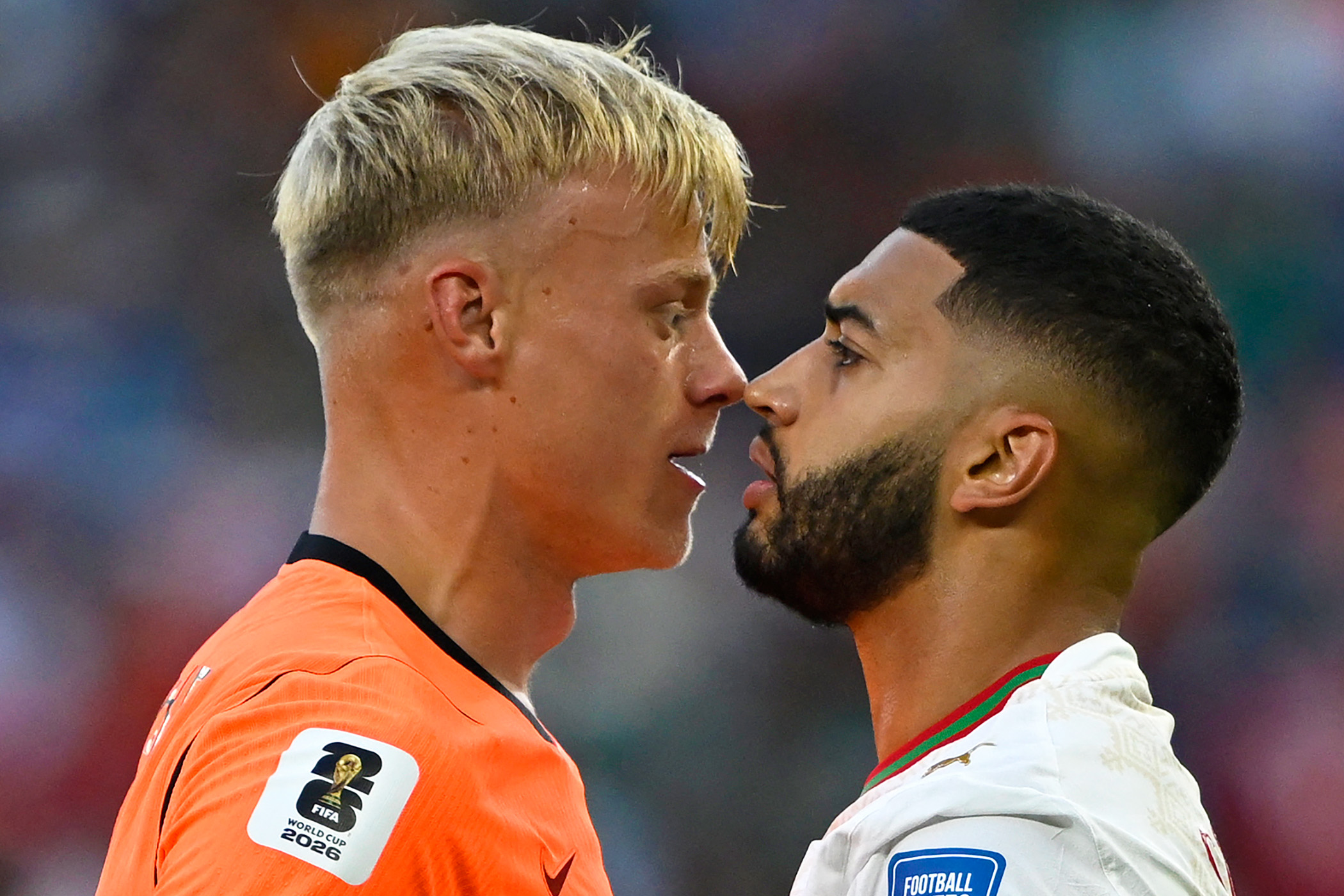
Dozens of teams and players have been described as killing themselves for Africa, regardless of whether they win or lose. When Haiti lost 4-2 to Morocco, one X user commiserated with them by saying: “Haiti have nothing to be ashamed of. Even they killed themselves for Africa.”
The virality of this phrase is part of a wider showing of solidarity for Black players across borders.
Although there are a sizable number of football fans in the US, this is the first World Cup in North America since 1994. Young Black Americans, who did not grow up watching people such as Romário and Jay-Jay Okocha, have expressed bemusement and pride at watching so many elite Black players – from Folarin Balogun to Kylian Mbappé – take the field, particularly players representing countries which, to quote one X-user, “don’t even like Black people”. Some have even started calling DR Congo forward Yoane Wissa Freddie Gibbs, a nod to how similar he looks to the American rapper. (Gibbs has since worn a Congo team shirt at a recent concert, to poke fun at the comparison).
“If you ever thought you were a minority, just watch the World Cup,” one Black American influencer said in an Instagram post a fortnight ago that now has almost two million views. “No matter what team you watch, you finna watch Black excellence.”
Another Black influencer, in a video that now has over 250,000 views, said that the World Cup served as a reminder that Blackness is not “small, limited or confined to a few places on the map”.
Newsletters
Choose the newsletters you want to receive
View more
For information about how The Observer protects your data, read our Privacy Policy
This excitement is markedly different from the way some non-Black fans have responded to the large number of Black players at this year’s World Cup. In a recent tweet, Tory peer Daniel Hannan wrote: “A French friend phones. I tell him I’m surprised that he is not watching the France-Sénégal match. He makes a peculiarly Gallic noise that I can describe only as a vocal shrug. “The legal immigrants are playing the illegal immigrants.””
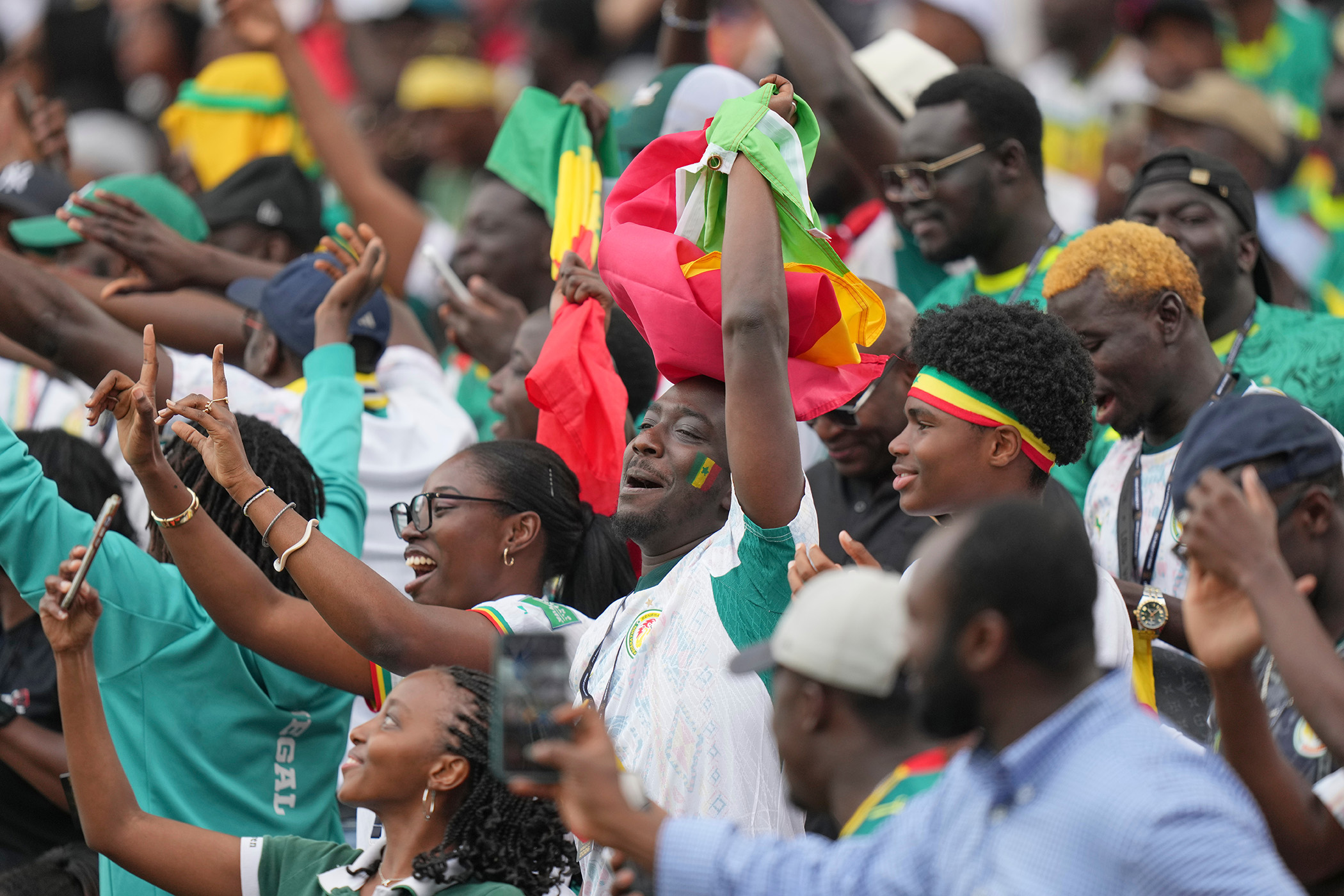
In contrast, fans of African descent don’t seem to care where Black players were born or where their families come from – solidarity has been offered to all, regardless of background. Nigerians have gone to Ghana World Cup events and praised a Ghanaian witch doctor for (allegedly) cursing Harry Kane. Black fans of all stripes have rallied behind Senegal, following the controversial decision by Afcon to strip their title as winners of the latest tournament. And when Cape Verde drew against Spain and Uruguay, Black American crowds were cheering along at watch parties in Atlanta and Boston.
This week, a watch party will take place at London’s House of Mobo, a Black British music venue, for tomorrow’s England vs DR Congo and Belgium vs Senegal matches. Regardless of whether they have ties to Congo or Senegal, many Black Brits are planning to attend.
The only team many Black fans seem to actively not be supporting is Bafana Bafana, due to controversy surrounding ongoing protests against African immigrants in South Africa that have been widely condemned as xenophobic.
This sort of solidarity among the global African diaspora provides a refreshing break from the so-called “diaspora wars” that are otherwise ever present on social media platforms (so ever present that on multiple occasions some users have questioned whether bots, or perhaps even intelligence agencies, are engineering them). Before the World Cup, on any given day it was common to see people fighting over posts by “Foundational Black Americans (FBAs)”, making race science-adjacent arguments about how Black Americans are not actually of African descent and that African and Caribbean immigrants should be forcibly deported from the United States. Or X users angrily quoting posts from Africans trying to stereotype Black American or Caribbean people as lazy. Even if it’s just for a few weeks, the World Cup has helped erase this division and ushered in a joyful Pan-Africanism to replace it.
This international solidarity has also exposed the false dichotomy of Lord Tebbit’s infamous “cricket test”, which suggested you could tell whether a non-white person felt British or not depending on what team they supported in international matches. Lord Tebbit forgot that people could walk and chew gum at the same time. Black Brits and Americans are supporting both their own countries (i.e. Team USA, England or Scotland) as well as countries elsewhere in the African diaspora.
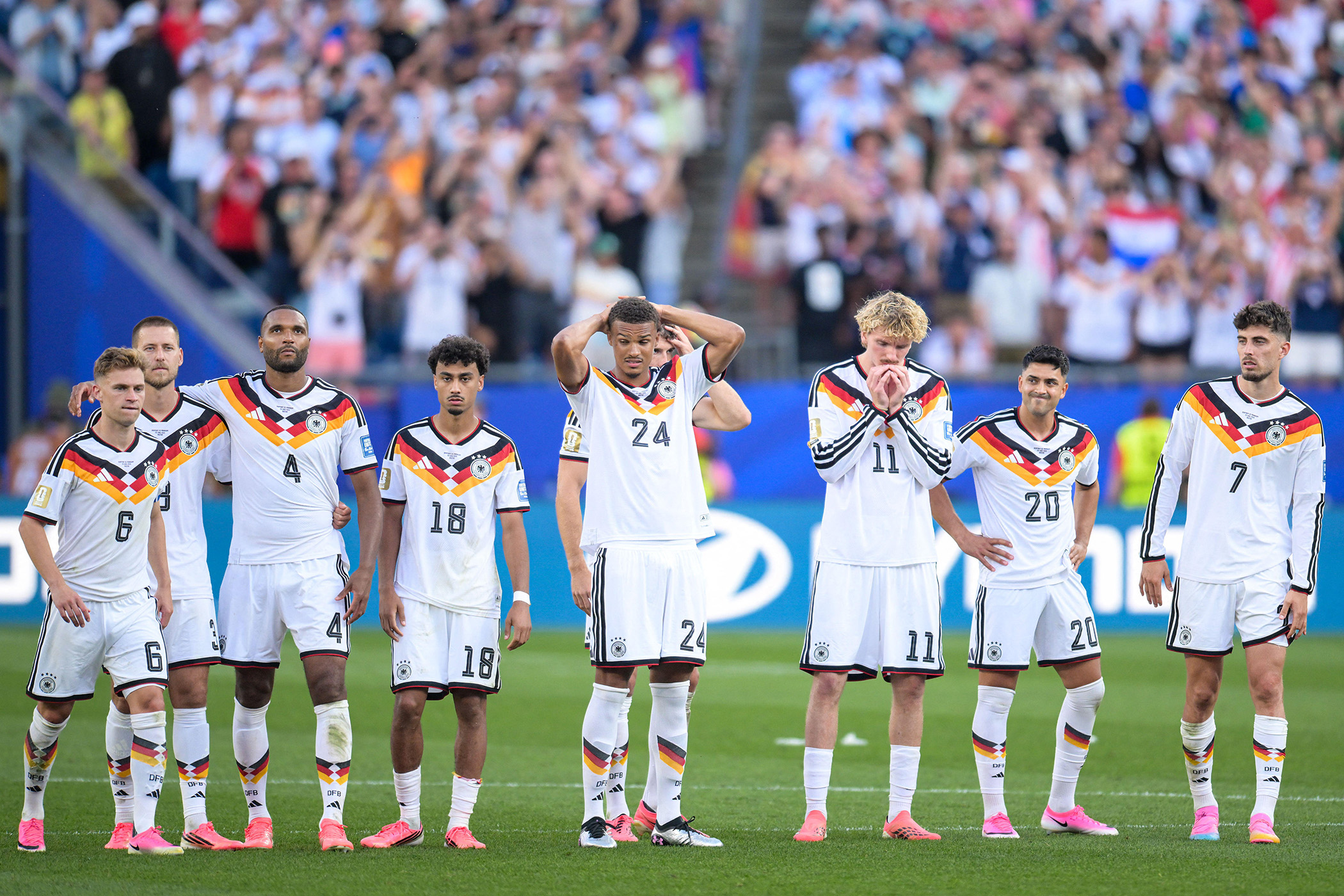
The Black Brits I know with Congolese heritage are happy either way ahead of England’s match against DR Congo tomorrow. “I will be content with whichever team wins”, one friend said. But the frailty of the Tebbit test is perhaps best exemplified by a Black British X user with Congolese heritage, and an England flag in his bio, whose timeline is full of his support for both England and a variety of African and Caribbean teams. Following England’s draw with Ghana last week, which included several England players, including captain Harry Kane, missing opportunities, he wrote: “Kane killed himself for Africa”.
Photograph by Stephanie Scarbrough/AP