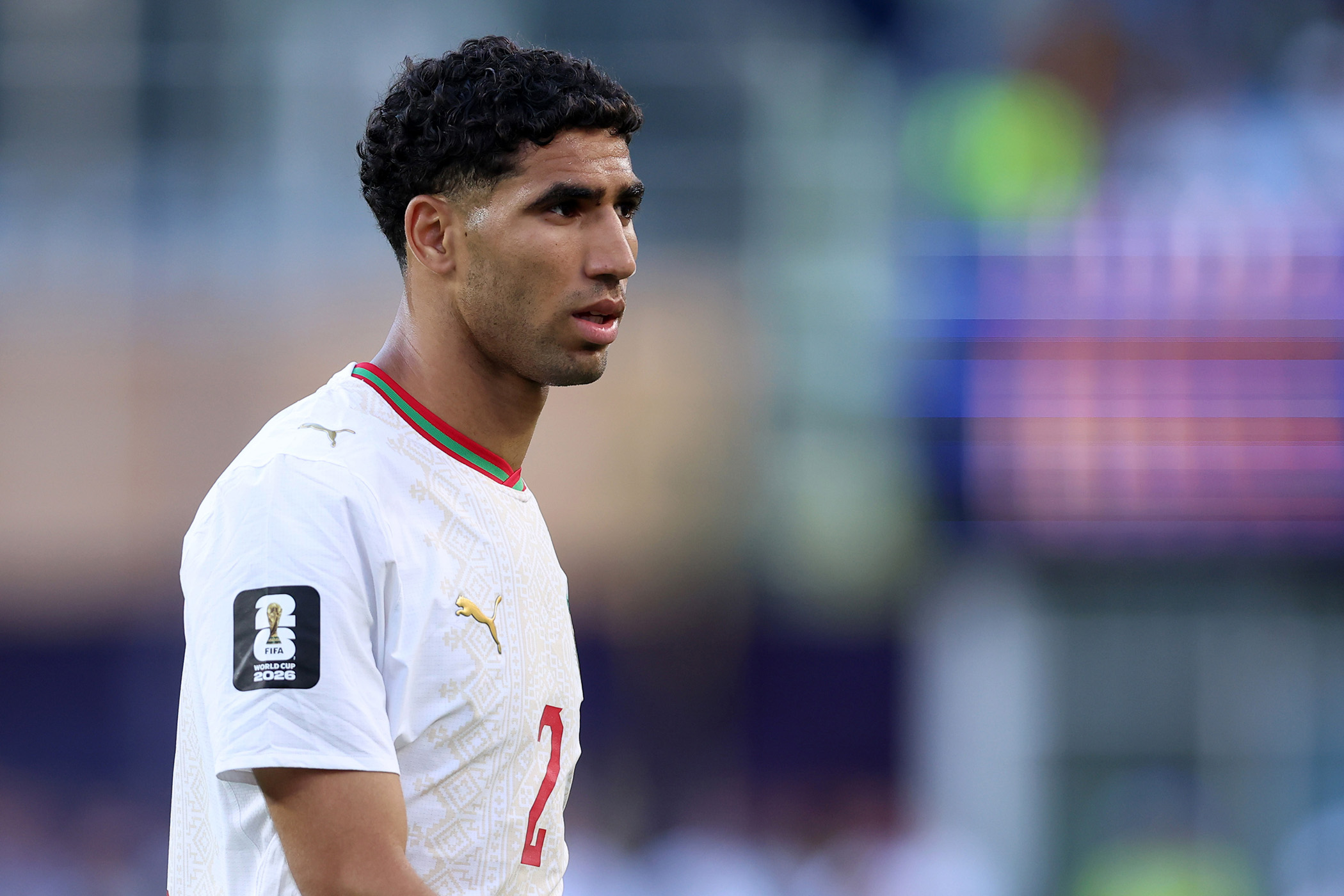

“Not sure what Hakimi has done to upset the locals, but he’s done something.” There was a pause in the ITV commentary of Scotland vs Morocco after Ally McCoist’s comment. The Morocco captain Achraf Hakimi was being booed by Scotland fans following confirmation that he would be standing trial for rape. His appeal to dismiss the charge had been rejected so he would be going to court. He is accused of raping a 24 year-old woman at his house in Paris in 2023. Hakimi has consistently denied the accusations.
Who knows whether McCoist was simply uninformed or if he could not even fathom making the connection with football fans booing someone accused of rape, but it was one example of a broader problem at this World Cup.
A number of players participating in the tournament are either currently being investigated for serious sexual misconduct, or have been accused of it in the past. In this sense, football is no different from many other areas of society. Yet the opening weeks of the tournament have shown it to be a space uniquely ill-equipped to process such accusations.
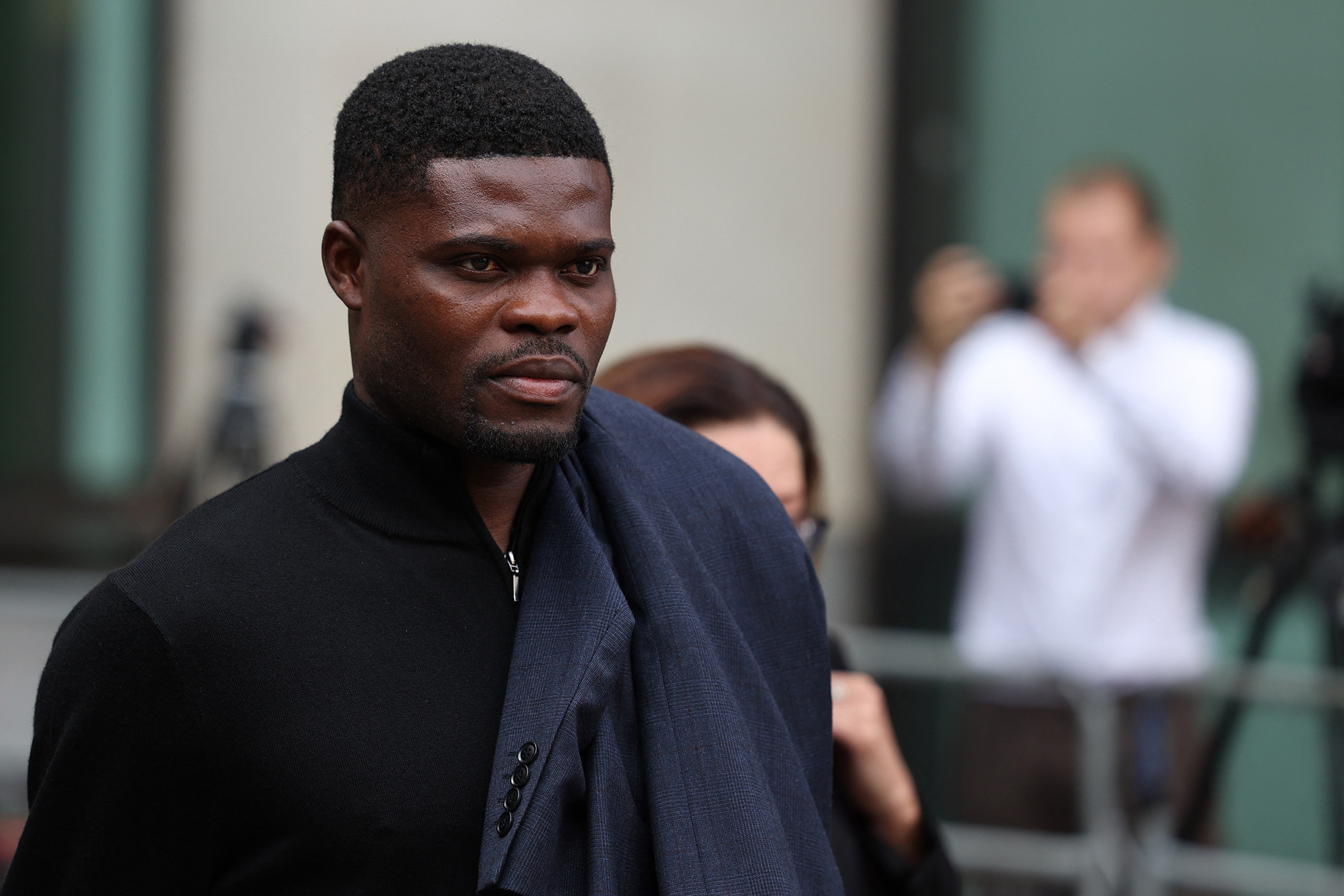
Beyond Hakimi, Ghana midfielder Thomas Partey is currently waiting to be tried in the United Kingdom on seven counts of rape, which he has pled not guilty to. He was unable to play Ghana’s first match in Toronto because his visa application was rejected by Canada.
While Hakimi and Partey have garnered the most attention due to their high profiles as players in combination with the actual charges, there are also a number of players who have been accused in the past of sexual violence or are currently being investigated for it.
In May, it was revealed that New Zealand police were investigating a Cape Verde player over an alleged sexual assault that took place during the Fifa Series that had taken place two months prior.
Japan midfielder Kaishu Sano was arrested, along with two other men, in 2024 under suspicion of sexually assaulting a woman. He was not charged by the police, and settled out of court with the accuser. In a press conference, he said he was sorry for causing trouble to so many people with his actions.
Cristiano Ronaldo has also twice been investigated for rape, first in 2005 when the accusation was withdrawn by the woman involved, and then again in 2010. Ronaldo denies the allegations and has never been charged. He initially reached a civil settlement with his accuser Kathryn Moyorga, paying her $375,000 as part of a non-disclosure agreement. Moyorga later went public and issued new civil proceedings, but the case was permanently dismissed in 2022.
There are two ‘burdens of proof’, as it were, with all of these cases. There is the legal one by which those accused can be judged guilty or not in a court of law, and there is an individual moral one by which people who watch football can make up their minds for themselves. The individual is not required to wait and see the outcome of someone’s court case, if it even extends that far. That is separate from the realities that broadcasters and institutions face when it comes to discussing or sanctioning people who have been accused in this way.
Into this gap tumbles all the toxicity of men’s football - the tribalism, the misogyny, the black and white thinking.
Newsletters
Choose the newsletters you want to receive
View more
For information about how The Observer protects your data, read our Privacy Policy
When Djed Spence chose not to shake Partey’s hand prior to the 0-0 draw between England and Ghana, he was praised in some corners for showing the seriousness with which he took the allegations. The contrast with Declan Rice, who went over and hugged his former teammate after the final whistle, was stark. But the fact that Spence is a Tottenham player and Rice is an Arsenal player with Partey being a former Arsenal player may have played into the rivalry between the clubs, and the opportunity for some to morally grandstand.
Similarly, when Scotland fans booed Hakimi and England fans booed Partey, it looked like a justifiable objection to players with such serious accusations against them being permitted to participate in a tournament like the World Cup. But only the most optimistic Scotland or England fan could believe that the reaction would be as strong if it were players from their own national teams accused of such crimes.
The problem for football is that with its disparate network of clubs, countries, and international bodies, there is no clear framework for how to respond. Without one, the overwhelming discomfort of having to watch players accused of serious sexual offences, which are denied by them, will continue.
Thank you for reading. Tell us what you think by writing to letters@observer.co.uk
Photograph by Catherine Ivill - AMA/Getty Images