
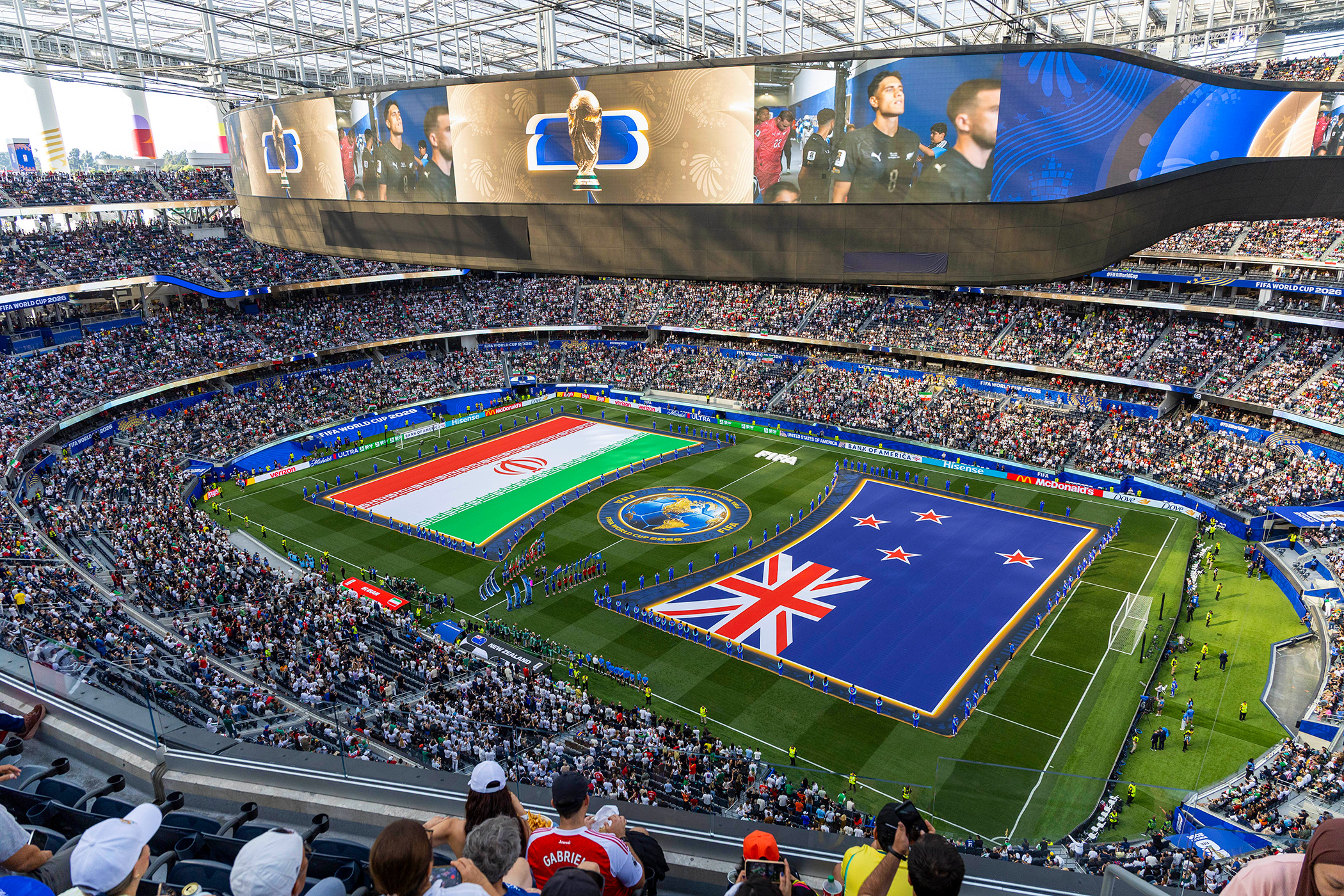
It is hard to miss the excitement that the World Cup has brought to Glasgow. Being English, with my unashamed support of the Three Lions, I thought figuring out how to lovingly annoy my Scottish friends just the right amount would be the toughest part. The football has brought joy – the Scots in Boston, nations getting their historic first points, that Bellingham scene to the sound of Wonderwall – but there remains a dark shadow over the entire tournament: the inclusion of players facing trial for rape and sexual violence.
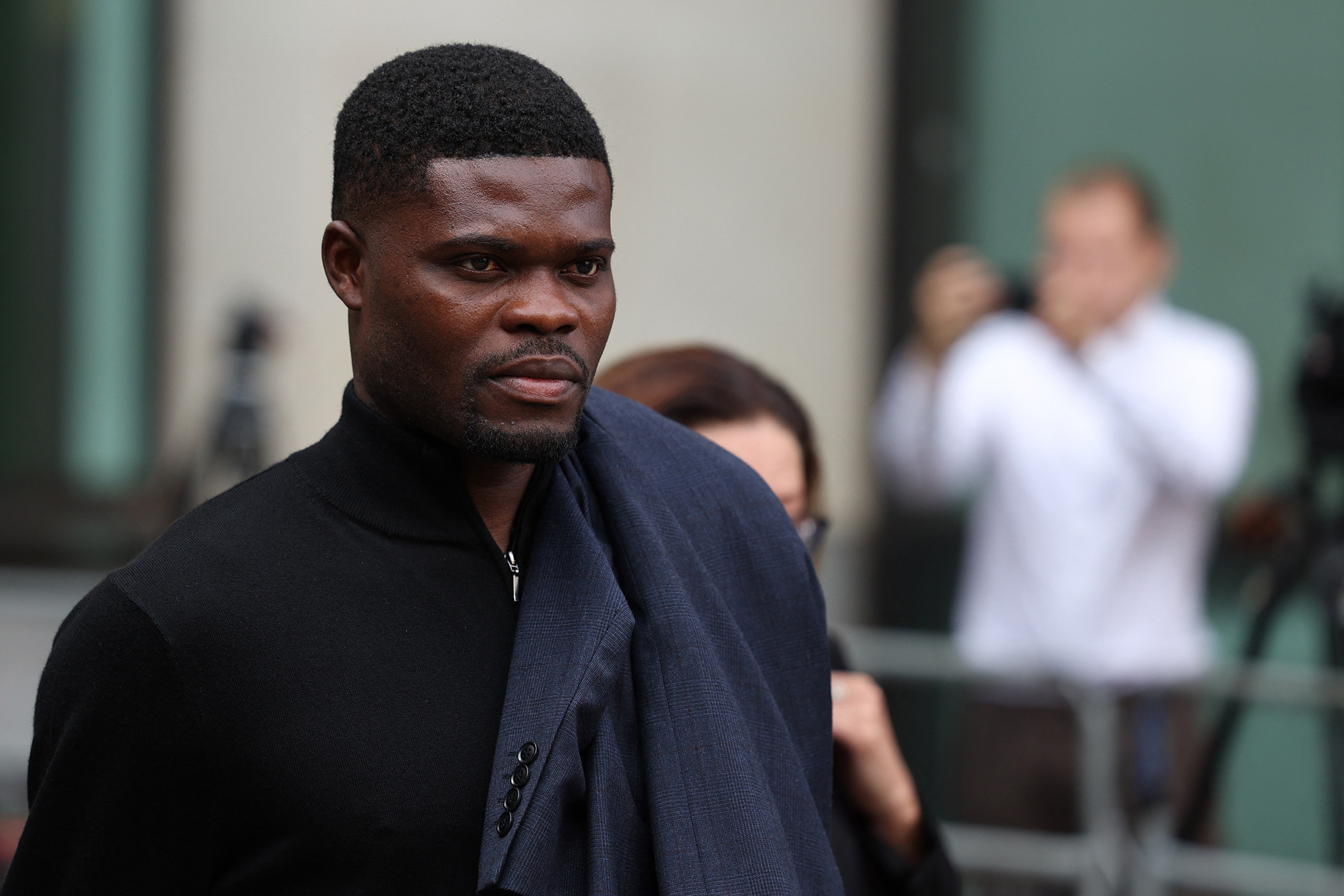
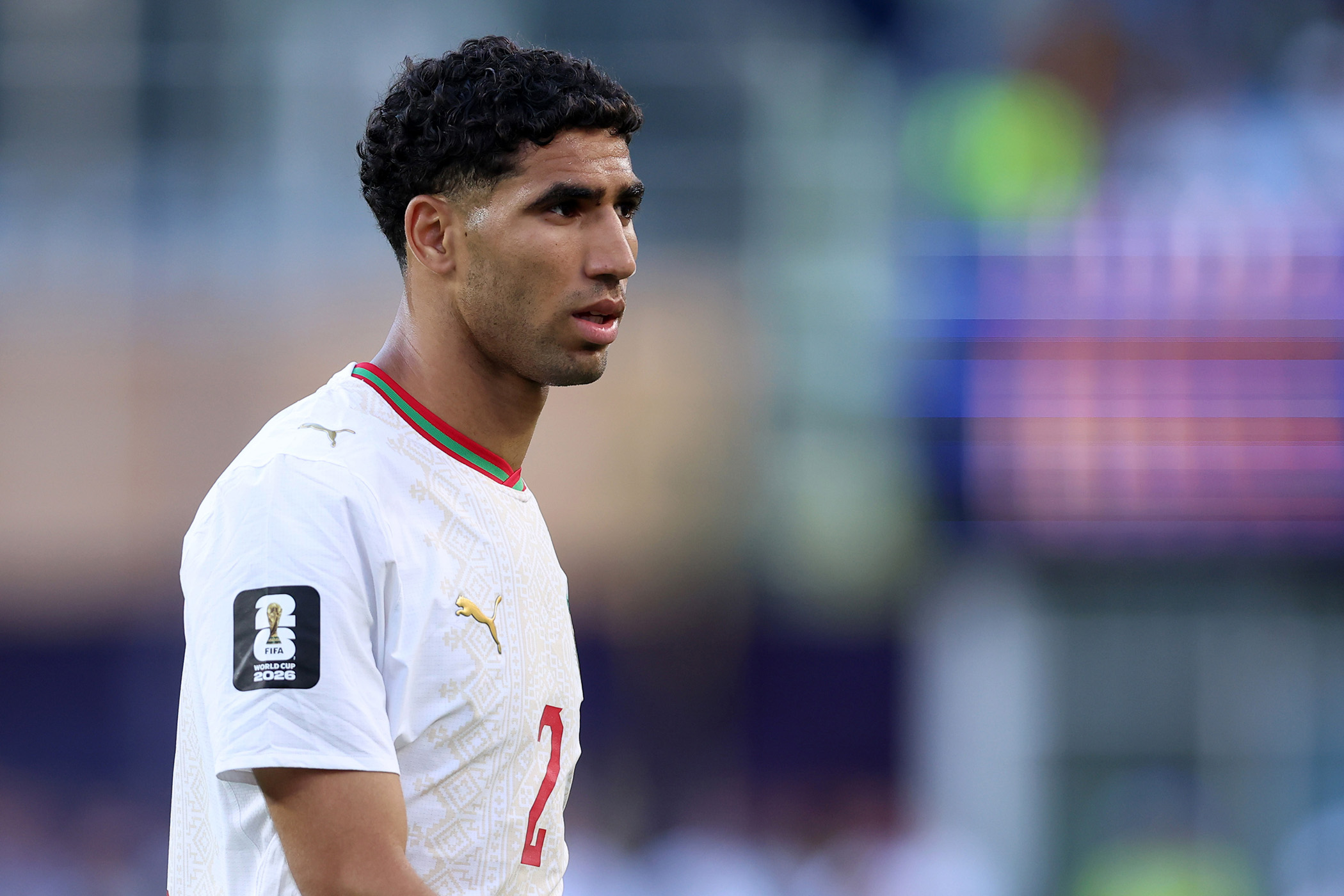
On 19 June 2026, it was announced that the French judiciary had decided that there was enough evidence for Morocco’s captain, Achraf Hakimi, to stand trial for rape. That very same evening, Hakimi was in Morocco’s starting line-up against Scotland and was featured and lauded for his play in the television coverage. And in a different high profile case, Ghana’s Thomas Partey, who had been denied entry to Canada for the tournament because he faces charges of seven counts of rape and one of sexual assault, will still be able to play throughout the World Cup. Both these players have denied the charges.
While sexual violence allegations are nothing new in professional football, the platforming of those with active cases is against Fifa’s own objective to have football as a method to ‘serve society’. The inclusion of Hakimi and Partey undermines this notion. It downplays the severity of sexual violence and minimises what it really means to face such charges.
To stand trial in England and Wales for rape means there is sufficient evidence that the Crown Prosecution Service to act.This is a substantial outcome in itself, considering that a mere 2.6% of reported rapes ended with a charge in the year ending March 2024. The cases of both Hakimi and Partey have moved beyond allegations, for there is enough evidence for both criminal prosecution services.
I work with victim-survivors of sexual violence, and have heard first hand that the treatment of high-profile cases, can cause victims of unrelated attacks to remain silent about their own experiences. It can similarly enable hate and abuse to those who do speak out, particularly from a perpetrator’s supporters. The way in which these cases are discussed, defended and, at times, joked about, has negative repercussions on the lives of those who have experienced similar attacks.
The inclusion of these men on football’s greatest stage is doing a great disservice to the sport, to young boys and to girls and women, while additionally putting victims and survivors at further risk of stigmatisation. To receive a charge for sexual violence is highly significant, especially within the justice frameworks of France and England.
Something has to change. If Fifa really wants to serve society, maybe it should start by deplatforming those charged with sexual violence.
Photograph by Adrian Dennis/AFP via Getty Images
Newsletters
Choose the newsletters you want to receive
View more
For information about how The Observer protects your data, read our Privacy Policy