
The England fans who needed indoor shelter from the pummelling heat here didn’t pay to watch a rolling tale of atonement and absolution. They bought tickets to be entertained by a stable national cricket team, not by rolling news sagas.
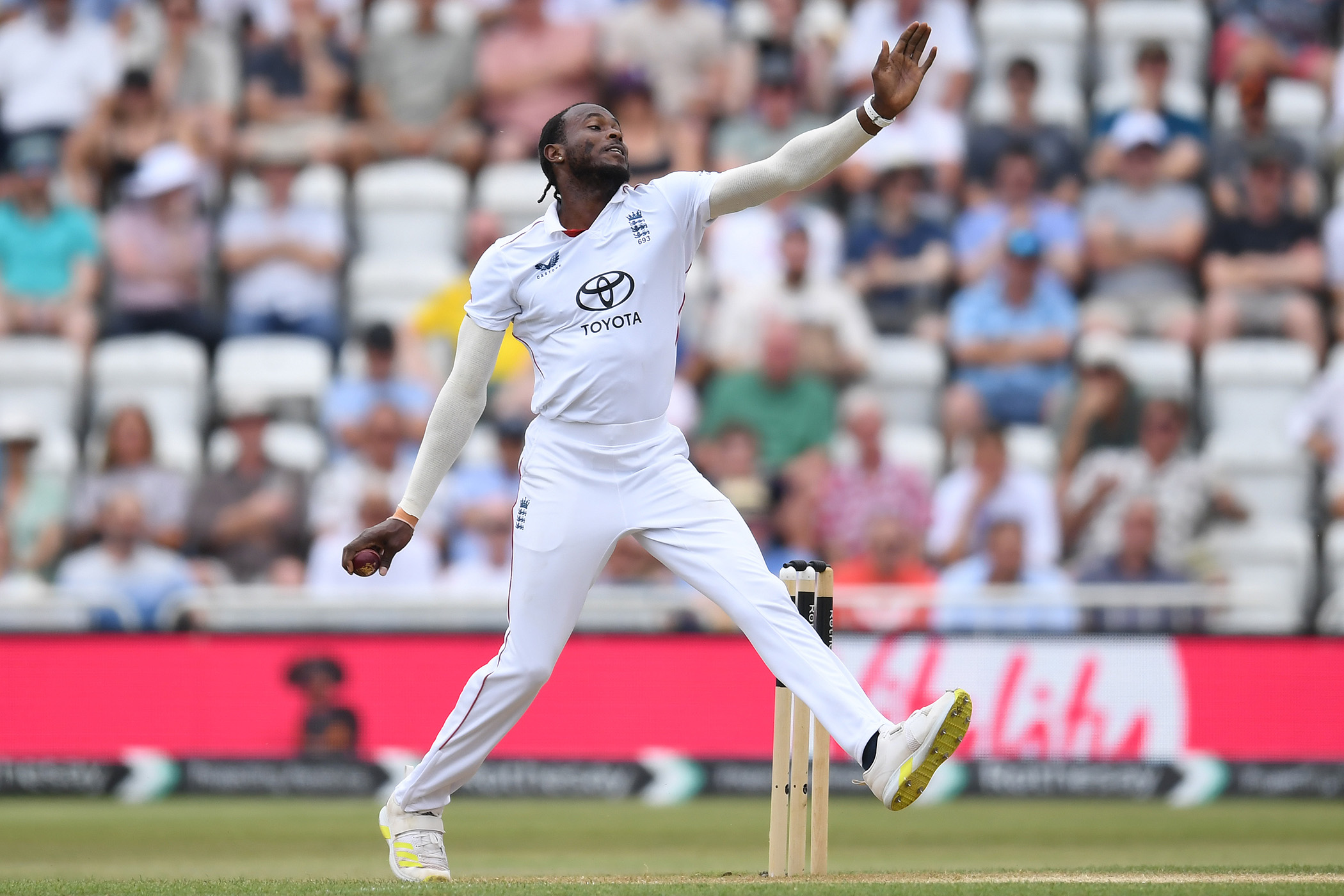
On a cooler Saturday they returned to see a deteriorating surface shift the impetus from batting to bowling, and the menace of Jofra Archer torment New Zealand after they had taken an 84-run lead into their second innings. They came to see proper Test match cricket, with a series on the line, not to read allegations, statements and apologies.
This three-Test series against New Zealand has been both a final Ashes chapter and the first of a new tome. This England side is not the first to need time to escape the shadow of a calamitous tour of Australia. But it’s the first in recent memory to start a new bin fire while still dousing fires from the last one.
This is a team with amends to make, jobs to save. It remains poised between a New Zealand series win that would render some England management jobs untenable and a calming 2-1 victory that would allow the England and Wales Cricket Board (ECB) to feel that the storm has passed.
In media terms, the Trent Bridge decider was a good story either way. But the darker of the outcomes – another England series defeat – would leave the hosts with nowhere to hide.
The fans want an end to what pundits have been calling this week “the off-field stuff”. Their fierce ovation for the returning captain Ben Stokes shouldn’t be mistaken for approval of curfew-breaking. It’s more that Stokes has too much credit in the bank of public adoration to be pushed into overdraft by a night out that went on too long.
As Ben Duckett said after his own century, and England’s captain had become only the second player to reach 250 Test wickets and 7,000 runs, “Stokesy makes things happen.”
“Ambiguities” in the wording of England’s curfew took some of the heat out of the Rex Rooms rumpus. A patched-up team’s defeat at the Oval made Stokes’s continued exclusion seem a price too high to pay. He was England’s leading bowler in the first innings here and stiffened his team’s resolve when New Zealand were 317-0 in their first innings.
Self-preservation caused the investigation into a Saracens player punching an ECB minder to be hurried along so England could pick their Trent Bridge starting XI without disciplinary impediments. It helped that Saracens shifted the spotlight on to themselves by refusing to sanction publicly the assailant: a disgraceful abrogation they’ve disguised with sarcastic comments about the ECB (Jamie George, the Saracens captain, has called Totoa Auvaa’s conduct “unacceptable”).
An intriguing series has felt like a redemption marathon.
Newsletters
Choose the newsletters you want to receive
View more
For information about how The Observer protects your data, read our Privacy Policy
First, Ollie Robinson returned at Lord’s after more than two years out and took seven wickets, only to be left out again when he was fit to play in Nottingham.
Then the team went out to celebrate a 115-run win at the Home of Cricket. While most went back to the team hotel on time, Stokes and Gus Atkinson evidently felt they still had steam to let off. Result: a news eruption, but more ominously a sense that some of these England players still don’t get it. In the first Test after the Ashes, and with feelings still running high, a zero-risk approach to socialising didn’t feel like too much to ask.
Thence to the Oval, and forced changes, brought on by Robinson’s injury, Jamie Smith’s absence and de facto one-match bans for Stokes and Atkinson. In came James Rew, Jordan Cox, Matthew Fisher and Sonny Baker. A 253-run New Zealand win sent the selectors scurrying back to the Lord’s template in the desperate hope of removing executive heads from chopping blocks.
On Friday, another player with Ashes baggage, Ben Duckett, scored his first Test century for the year, thrillingly, to revive the hope that a damning video of him being mocked by a local in Noosa when he was tired and emotional will be his last ever public shaming.
These viral mortifications have a disproportionately long shelf life. Almost the best reason to avoid them is that, in the digital coconut shy, they take so long to shake off. True to script, Duckett achieved deliverance on his home turf. Some though winced when he said of his improved conditioning, after a knock of 113: “I went to the gym, I ran a lot and a bit of weight came off.”
At his best, Duckett is a joy to watch, but 31 seemed a bit old for such a talented opening batter to discover the joys of routine fitness work. Another example of candour had been Harry Brook agreeing supporters have “every right to be annoyed” about him being punched by a bouncer in Wellington the night before an England-New Zealand white-ball game in November.
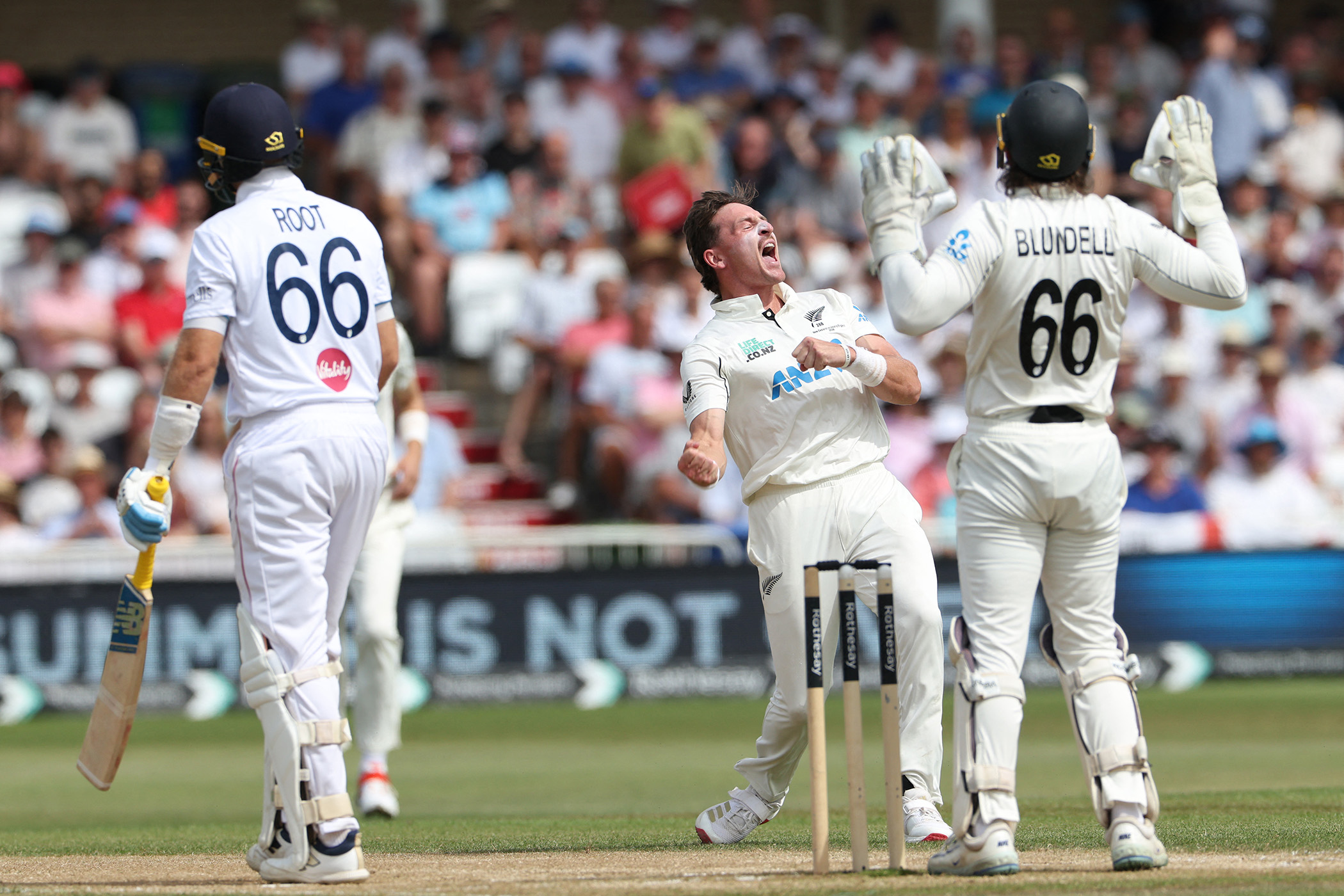
Brook too still lives in the shadow of Southern Hemisphere shenanigans. When Stokes was dropped, Brook was overlooked for promotion to the captaincy. Root was called back from the ex-captain’s Valhalla to restore calm.
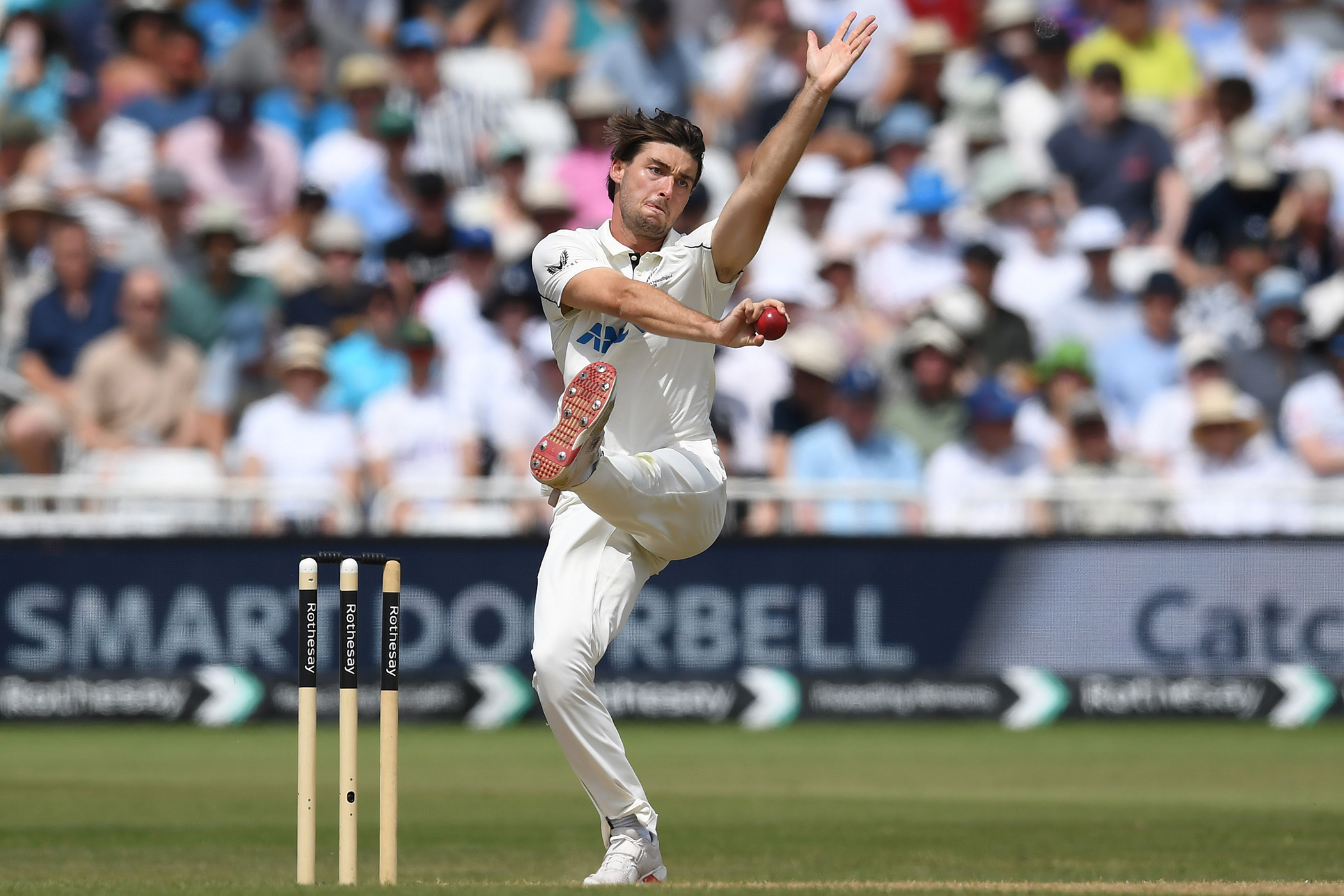
Brook looked primed to save England’s first innings here after they lost Root - who has developed an lbw problem in this series - Jacob Bethell and Jamie Smith for 11 runs in a destructive morning session. After lunch though, Brook was bowled for 58 by the concussion substitute Zak Foulkes, who also dismissed Stokes for 15. Super sub Foulkes, who took 3-35, was standing in for Blair Tickner, who had been hit on the helmet by a Jofra Archer bouncer and felt dizzy and nauseous while bowling.
After tea, Devon Conway was next to be struck on the lid by Archer, as a crowd who have stayed loyal to a sometimes-frivolous side fantasised about their bowlers shredding that 84-run lead: the right kind of heat - the best way for this England team to show they’re serious about making amends.
Photograph by Philip Brown/Getty Images