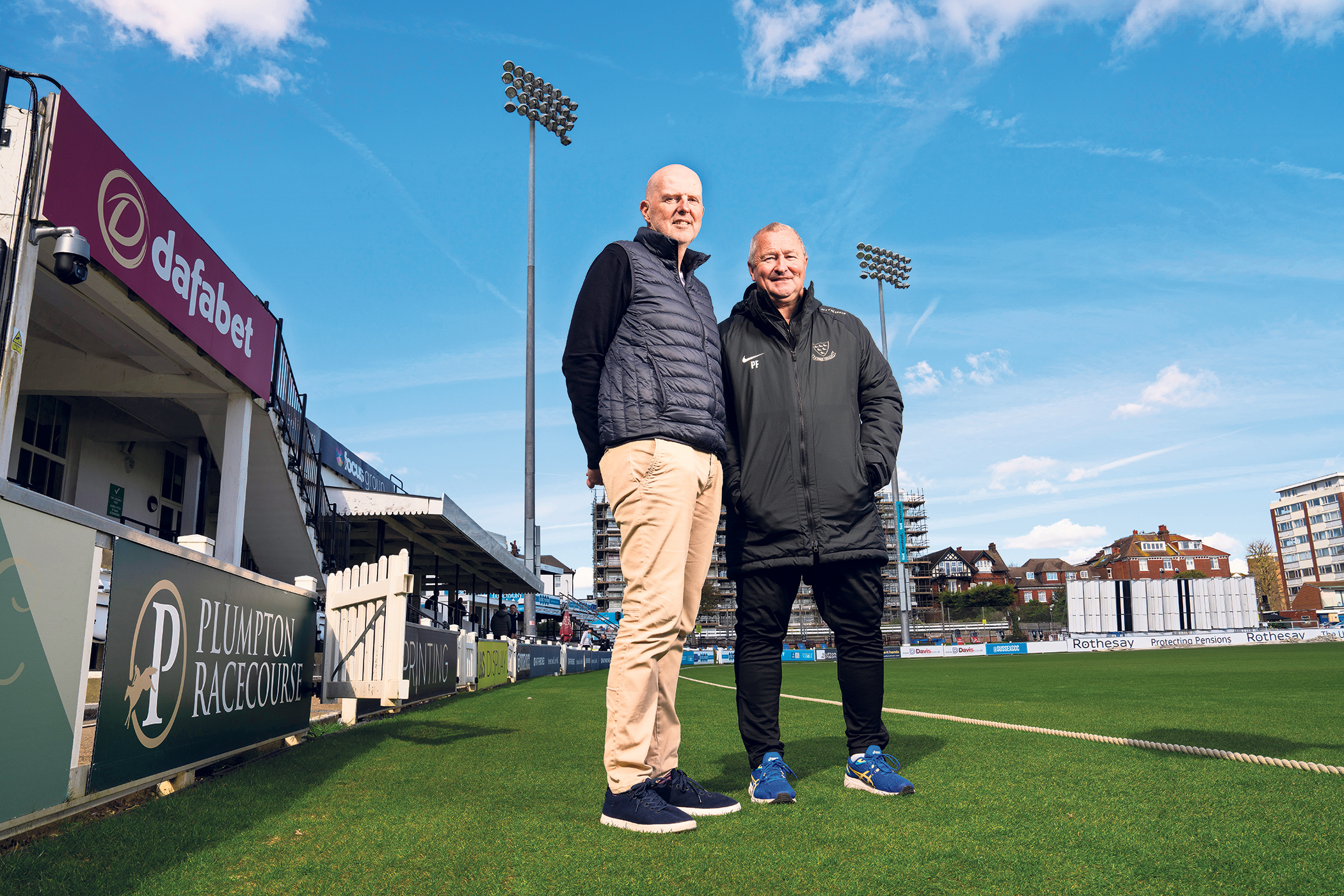

Paul Farbrace is recalling the time Kent had to sell a painting “to keep the club going”. It was “an Albert Chevallier Tayler – the one with all the slips lined up”. Kent, where Farbrace played and coached, auctioned it in 2006 for £680,000.
“If we had a bit of decent artwork we could sell…” Sussex’s head coach daydreams. Even if they did, the museum at Hove is set up as a separate trust to stop it being plundered.
We are talking at the club’s sunlit ground about the wider struggle to make county cricket viable. As another red-ball championship season gets under way on Friday, no county are closer to the front line than Sussex, who lost £1.3m last year and start the campaign with a 12-point deduction in the four-day game and one-point penalties in both the Vitality T20 Blast and Metro Bank One Day Cup.
Alongside Farbrace, a former England assistant and Sri Lanka head coach, is Mark West, the interim chief executive charged with turning off the tap of Sussex’s spending, in a city where residents have more “leisure choices” than most.
First, West explains the county’s collision with reality after the team were promoted to Division One in line with Farbrace’s five-year plan (now trimmed, by necessity, to four).
‘My impression of the finances is that it was quite chaotic. You lose sight of where you are’
‘My impression of the finances is that it was quite chaotic. You lose sight of where you are’
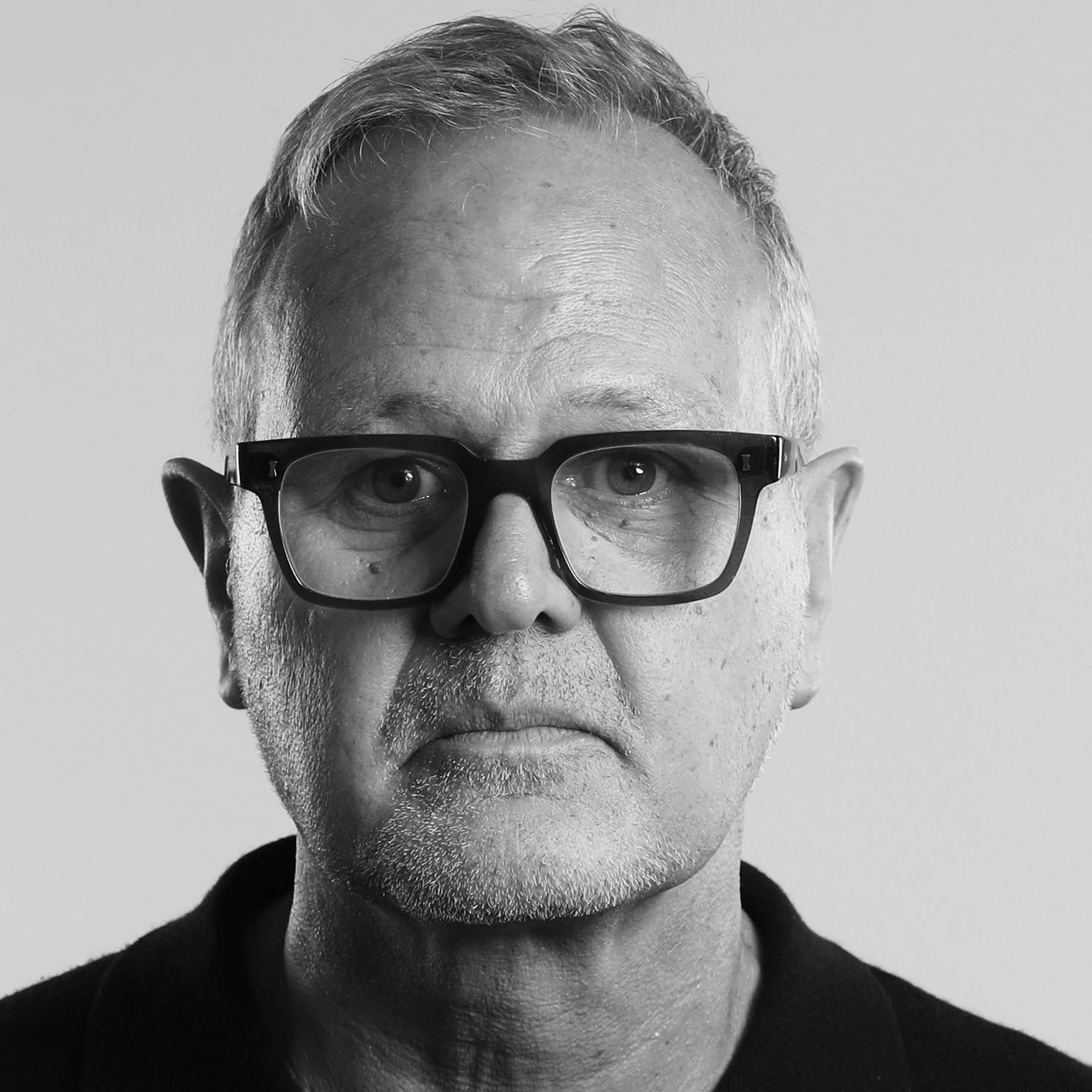
Mark West, Sussex’s interim CEO
“They’d invested in the team. They thought: ‘Right, this is going to be our year.’ It was a growth mindset,” says West. “They found themselves quite quickly behind the game. They put things into the budget that you wouldn’t budget for. The biggest example of that is a concert. If it happens, that’s great, but you’re not going to put your house on it.
“My impression is that it was quite chaotic. You are then trying to catch up when you’re behind. And you know you’re behind, so you start throwing money at it. Then you lose sight of where you are. Then it’s running away from you exponentially. Seeing it is one thing. Trying to react to it and turn it off is something quite different. The executive team were not able to turn it off.”
Result: special measures. A £1.3m loss would barely register in elite football, but at Sussex it threatens to break up a squad meticulously assembled by Farbrace. He too could leave.
As we talk beside the pitch, Farbrace is troubled by a sense of duty. “Given that it’s [now] going to be a four-year plan, this would be a sensible time to leave,” he says. “I’ve talked to my wife a lot about whether I should stay for another couple of years and actually start the rebuild process again and take responsibility, because I’ve heard a lot of people say: ‘That was nothing to do with me. I wasn’t involved in the decision.’
“Having worked so hard and put so much into it, I really don’t want to see the club fall flat on its face. I don’t want Sussex to then be relegated next year and spend 10 years in Division Two. So there’s a part of me that thinks this could be a really exciting project.
Newsletters
Choose the newsletters you want to receive
View more
For information about how The Observer protects your data, read our Privacy Policy
“There are days I think I’m going to tell Mark I’m definitely going to stop at the end of the year. There are other days when I walk in and he’s got this exciting project and I think: ‘I can’t walk away. I’m going to stay for a bit longer.’ Plus I’ve made promises to players to get them to come here and I don’t want to walk away from them because then I’ll feel like I’ve let them down as well.”
An acute motivational challenge confronts him before Friday’s opening match at Leicester’s Grace Road ground. He says: “We haven’t shied away from telling the players the truth. To the players who are out of contract in September I’ve been saying: ‘Come on, this is our chance, let’s do this properly. This is our year.’
“This team will be broken up at the end of the season. None of us can guarantee we’re going to be here, so let’s give this a brilliant go. We want to make it a good place to work. And we have a responsibility to our members, our supporters and all the staff that work here to play good cricket.”
Holding the club together is a granular, hourly process, from promising the players that their travel, accommodation and kit won’t be downgraded, to keeping the catering at familiar levels for recent friendlies.
West says: “Everybody’s getting fed, they like the food, they like the portions, and the cost is effective. The invoicing is being done immediately, and we’re booking the cost. The challenge is keeping all these behaviours up in the chaos that comes with the season.”
Farbrace insists Sussex “haven’t been extravagant” with their signings. “What we’ve sold is the dream of coming to a team that’s on the up, that wants to win the County Championship. And when you’ve got the likes of Ollie Robinson and Tymal Mills here, it’s easier to attract other bowlers who want to learn from them and play with them.”
Club captain and wicketkeeper John Simpson, who joined from Middlesex in 2023, is an obvious stalwart.
‘I naively thought each county club was going to have this pot of money from the Hundred’
‘I naively thought each county club was going to have this pot of money from the Hundred’
Paul Farbrace, Sussex head coach
The backdrop to all this is the myth that the England and Wales Cricket Board’s sell-off of the Hundred franchises, with a £500m dividend for English cricket, has saved the counties for eternity. Farbrace rates the format but has lowered his expectations.
“I naively thought each club was going to have this pot of money,” he says. “And if we’re in strife, we sort ourselves out, we get it sorted. We also hoped we would have a county programme that wasn’t just about making money. We could also have the best cricket structure it was possible to have.
“As we’ve gone through, it hasn’t been straightforward. The money isn’t just handed over – and probably rightly so. If you’ve got a business that raises £6m and you’re losing a million quid, nobody in their right mind is going to say: ‘Here’s £20m, bail yourself out.’”
Sussex, Farbrace says, have “clarity” now. With no valuable paintings to sell, pluck and togetherness will have to see them through to an autumn of probable farewells.
Read more from our special report: Make-or-break time for Sussex heralded by fear and hope among the deckchairs
Photograph by Antonio Olmos/The Observer