

There has never been a cohort of British acting talent quite like it. The current crop of Dames of stage and screen, a roster that includes in its number Helen Mirren, Sheila Hancock, Kristin Scott Thomas, Harriet Walter, Emma Thompson, Vanessa Redgrave, Judi Dench and Julie Walters, is an exceptional, era-defining list of multi-hyphenate talents. They have touched lives and reshaped cultural landscapes. National treasures, one and all, although I suspect most of them would give you exceptionally short shrift for saying so.
The thing about a Golden Age is that we don’t tend to appreciate it fully while we are living through it. The New Hollywood movement of the 1970s, for example: a burst of untrammelled, outlaw creativity and a period that birthed a whole raft of game-changing filmmakers, including Stanley Kubrick, Francis Ford Coppola, Martin Scorsese and Robert Altman. It must have been thrilling to experience it first-hand. But it was not until after the event, when the period was examined in retrospect that it became clear how seismically significant the impact, how unrepeatable the alchemy of factors that produced it.
I wonder if, to a certain extent, the same might be true of this remarkable peer group of actresses. Anyone who has encountered their work in some way, be it in the theatre, the cinema or on the small screen – which is to say pretty much all of us – will have been moved by it. Anyone who has seen them at the peak of their powers will concur that these are artists at the very top of their game, who have finessed and perfected their craft. Collectively, they have been taken to the hearts of the British public for good reason. But perhaps part of what makes them so undeniably great is also what makes this current bounty of thespian riches a unique, one-off phenomenon.
Anyone who has seen these actresses at the peak of their powers will concur that these are artists at the very top of their game
Anyone who has seen these actresses at the peak of their powers will concur that these are artists at the very top of their game
Although their ages span nearly three decades – Scott Thomas, at 65, is the youngest; 93-year-old Sheila Hancock is the Grand Dame – they share a professional grounding in a cultural landscape that, for better or worse, no longer exists. Part of it is undoubtedly due to the rich training ground offered by a combination of a lively, vibrant theatre industry – all of the Dames bar Scott Thomas cut their teeth on the stage – and by high-quality event television. With all due respect to the current streamers, there was a unifying, water-cooler-moment momentum achieved by landmark pieces of terrestrial television drama – Mirren’s meaty cop series Prime Suspect, for example, Hancock’s sitcom The Rag Trade – which is far harder to achieve in this age of infinite entertainment possibilities.
But there is also the fact that this group of Dames are true pioneers. These are women who not only meticulously crafted each of their performances but also forged their own identities. They were among the first actresses who fought and won the right to be themselves rather than the frequently reductive image projected on to them. As Redgrave said, paying tribute to her fellow Dames, “My generation fought for freedom of expression. Long may this remain.”
It was a different time. For all the current discussion of the performative misogyny of the manosphere, the noxious attitudes of the Andrew Tates of the world are not generally representative of mainstream thinking in a post-MeToo society. But for this group of actresses, casual sexism and dismissive male chauvinism was a depressing fact of daily life. You only have to revisit that now-notorious 1975 interview between Mirren, then a 30-year-old theatre star, and the television chat-show host Michael Parkinson, then 40, to see the bleak terrain of the cultural landscape laid bare. He introduces her by quoting a jaw-dropping review that suggested she projected “sluttish eroticism”, before interrogating her about whether or not her breast size was an impediment to being respected as a “serious actress” (the quote marks are his, not mine). Watching now, it’s so enraging that you wish you could invent time travel, just to be able to zap back and slap the patronising smirk off his face.
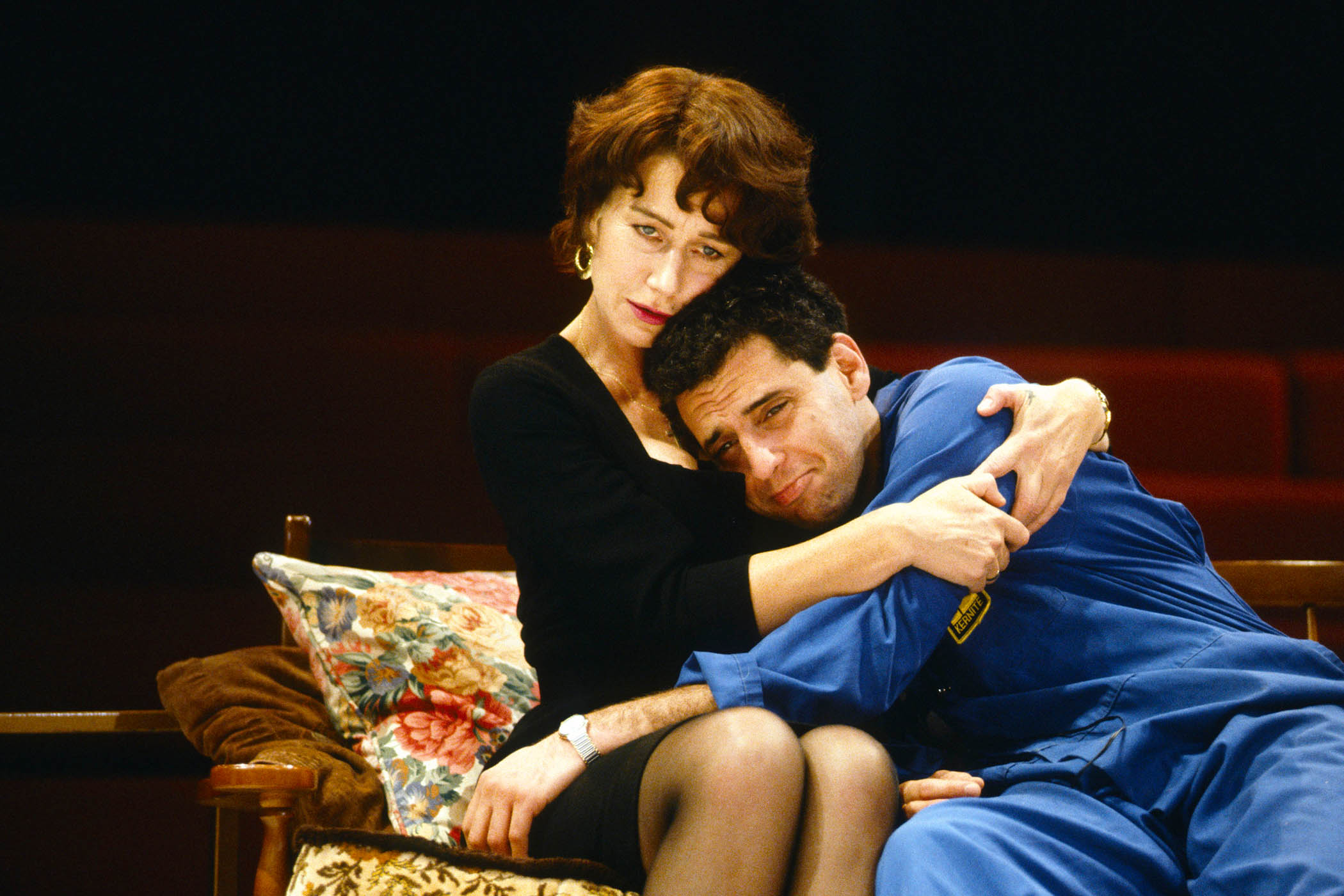
Meticulously crafted: Helen Mirren with Vincenzo Ricotta in Sex Please, We’re Italian at the Young Vic, London in 1991
But Mirren is magnificent. Crisp, poised and articulate, she refuses to allow herself to be diminished or to let Parkinson off the hook for his prurient line of questioning. Predictably, it was Mirren who was criticised in the aftermath for her spikiness, rather than Parkinson for his obnoxious dickishness.
It wasn’t just sexual prejudices that this generation had to contend with. In a recent interview, Hancock recalled being mocked for her working-class accent throughout drama school (she attended Rada). She went on to win an Olivier Award and to be the first woman director of the Royal Shakespeare Company’s (RSC) touring company.
Scott Thomas had the opposite problem: finding herself getting typecast as frosty, tragic, upper-class beauties following roles in The English Patient and Gosford Park, she took herself to France and enjoyed considerable success working in French-language indie cinema. Her stunning, quietly distraught turn as a recently released prisoner in Phillippe Claudel’s drama I’ve Loved You So Long remains one of my favourite of her performances. That, and her terrifying vengeful matriarch in Nicolas Winding Refn’s US-set thriller Only God Forgives.
Thompson, the daughter of actors (Phyllida Law and The Magic Roundabout creator Eric Thompson), arguably had performance in her blood. But, ever the over-achiever, she excelled not just as an actor but in other disciplines – she remains the only person to have won Oscars both for acting and for screenwriting. (She also has the distinction of turning down Donald Trump’s request for a date.)
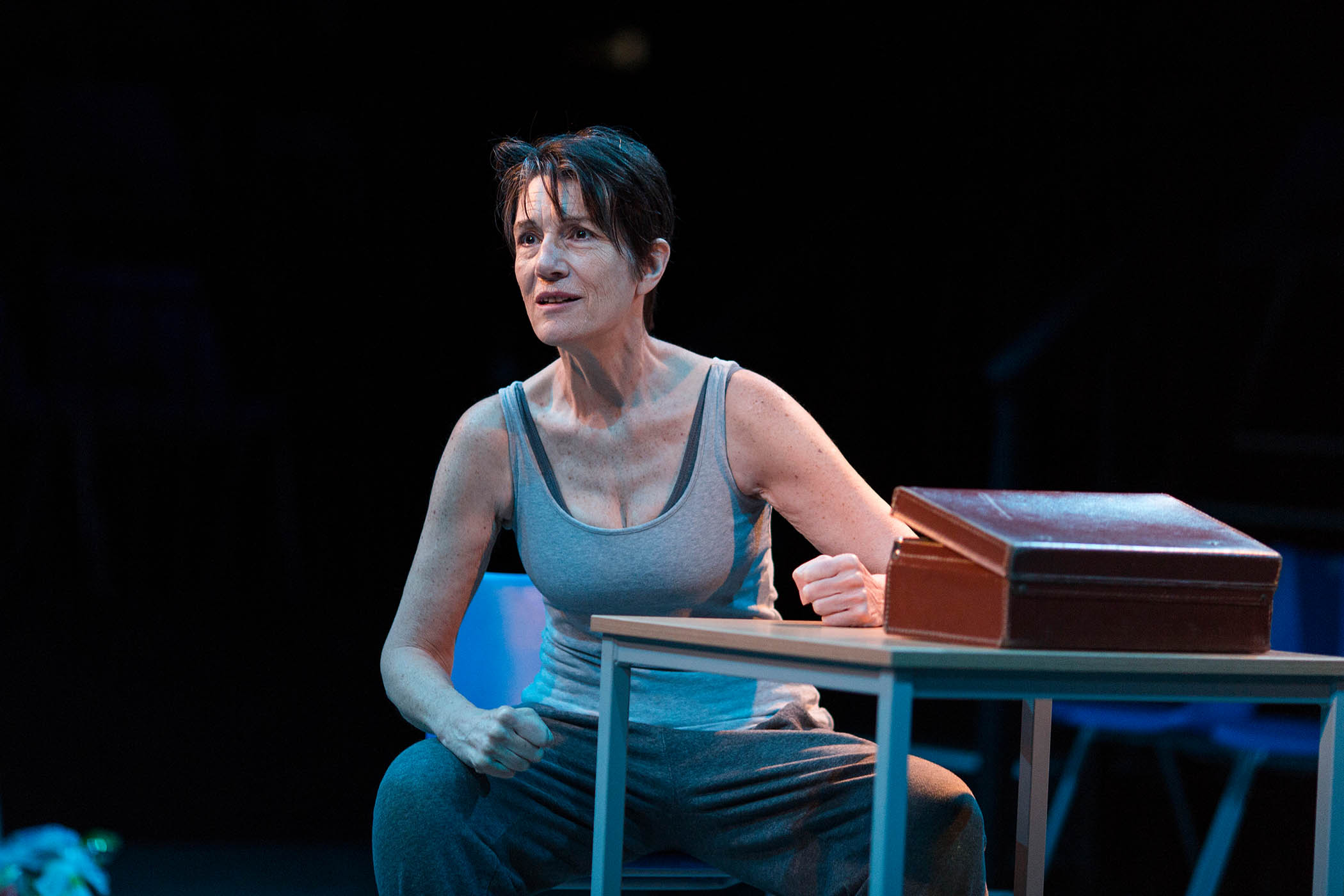
Storming the ramparts of gender: Harriet Walter as Prospero in Shakespeare’s The Tempest, at Donmar King's Cross in 2016
Walter, meanwhile, with her majestic profile and stately bearing, stormed the ramparts of gender itself, playing Brutus in Julius Caesar, the lead in Henry IV and Prospero in The Tempest, as part of an all-female Shakespeare trilogy.
To deliver consistently great performances is one thing, but to be working long enough to be considered for damehood is an achievement in itself. Particularly since ageism in the entertainment industry disproportionately targets female performers (ever wondered why thespian Knights tend to significantly outnumber the ranks of the Dames?) Our current crop of Dames is an inspiration to the generations that follow. And it’s our privilege as audience members to have witnessed them at the peak of their powers.
Read the interviews:
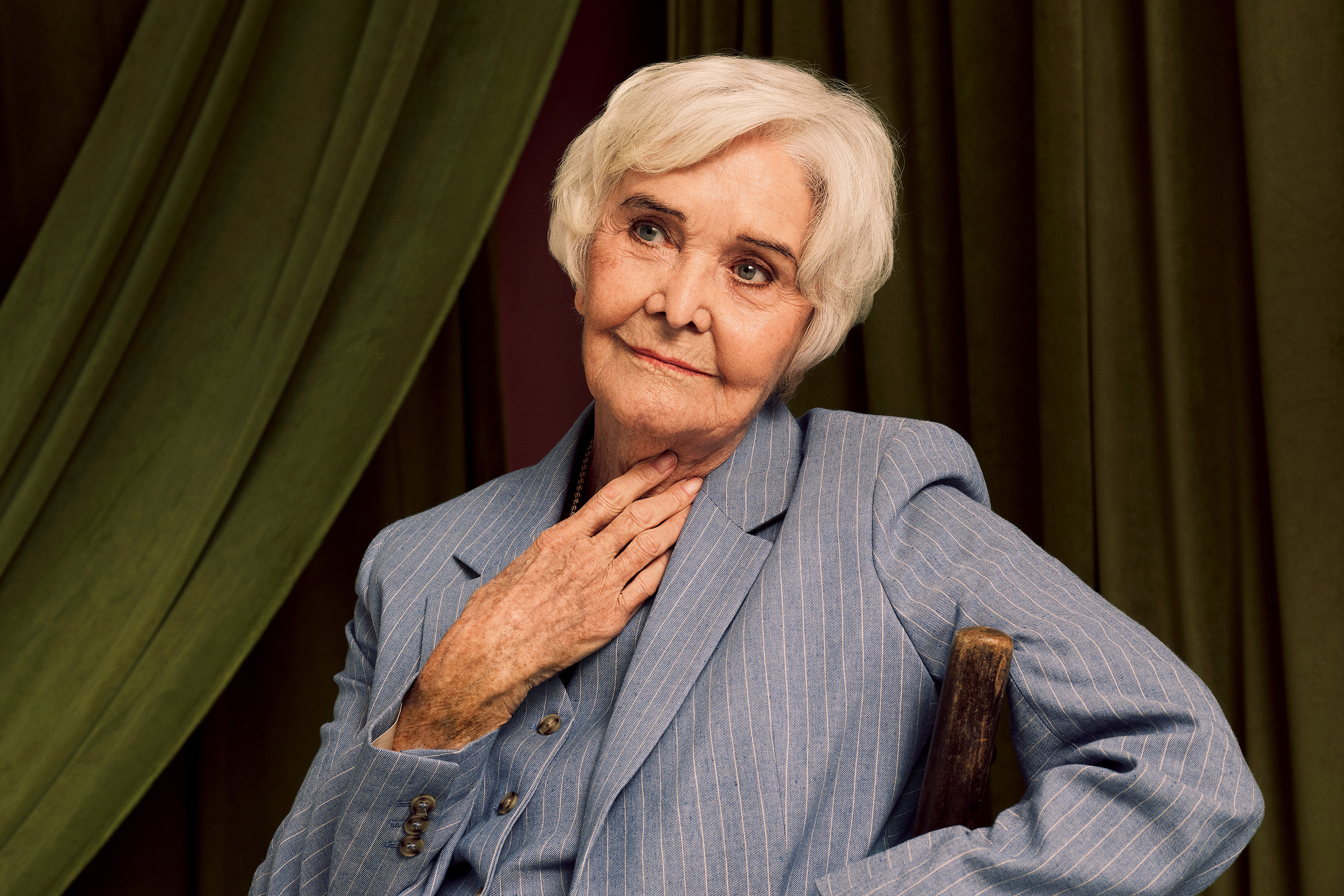
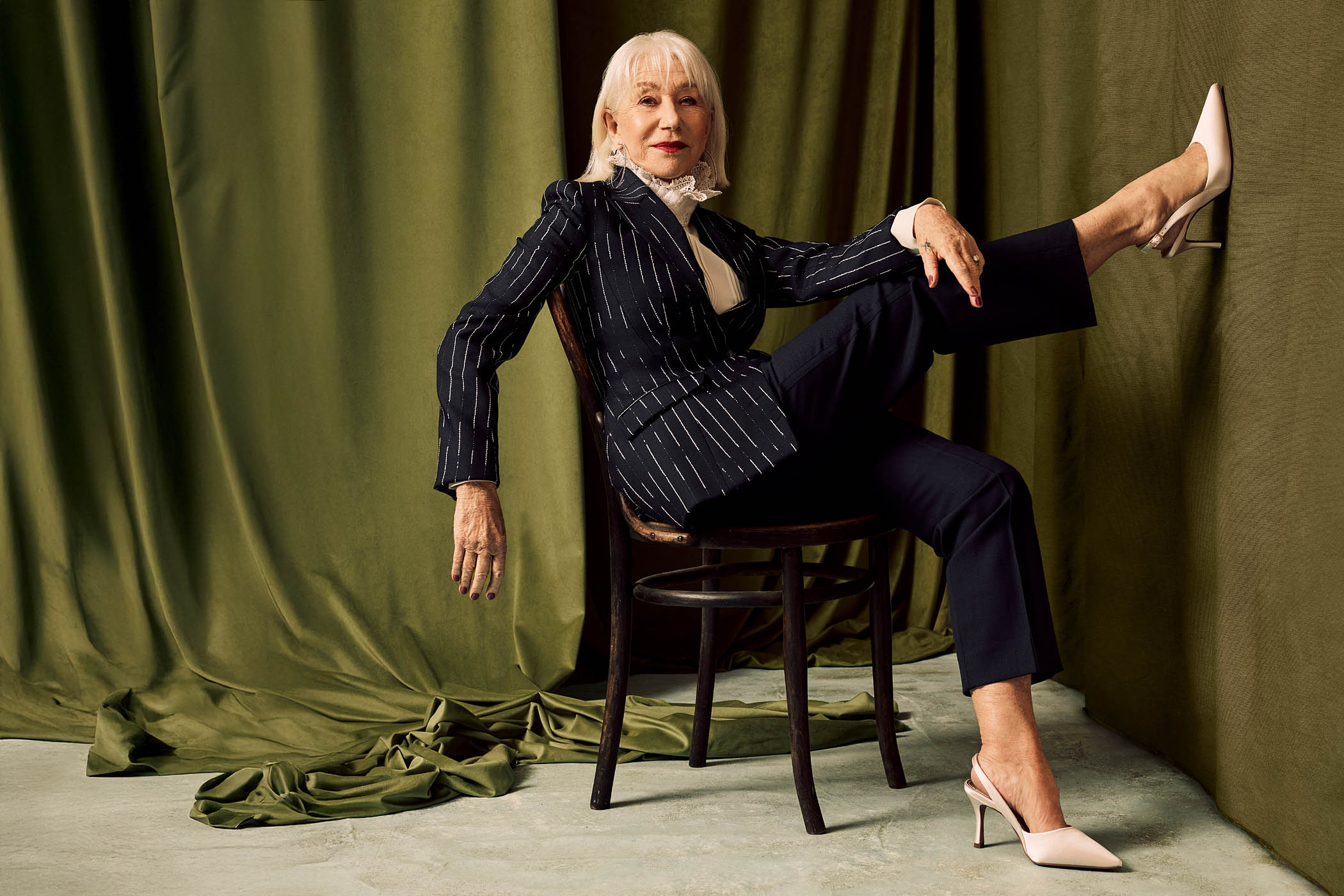
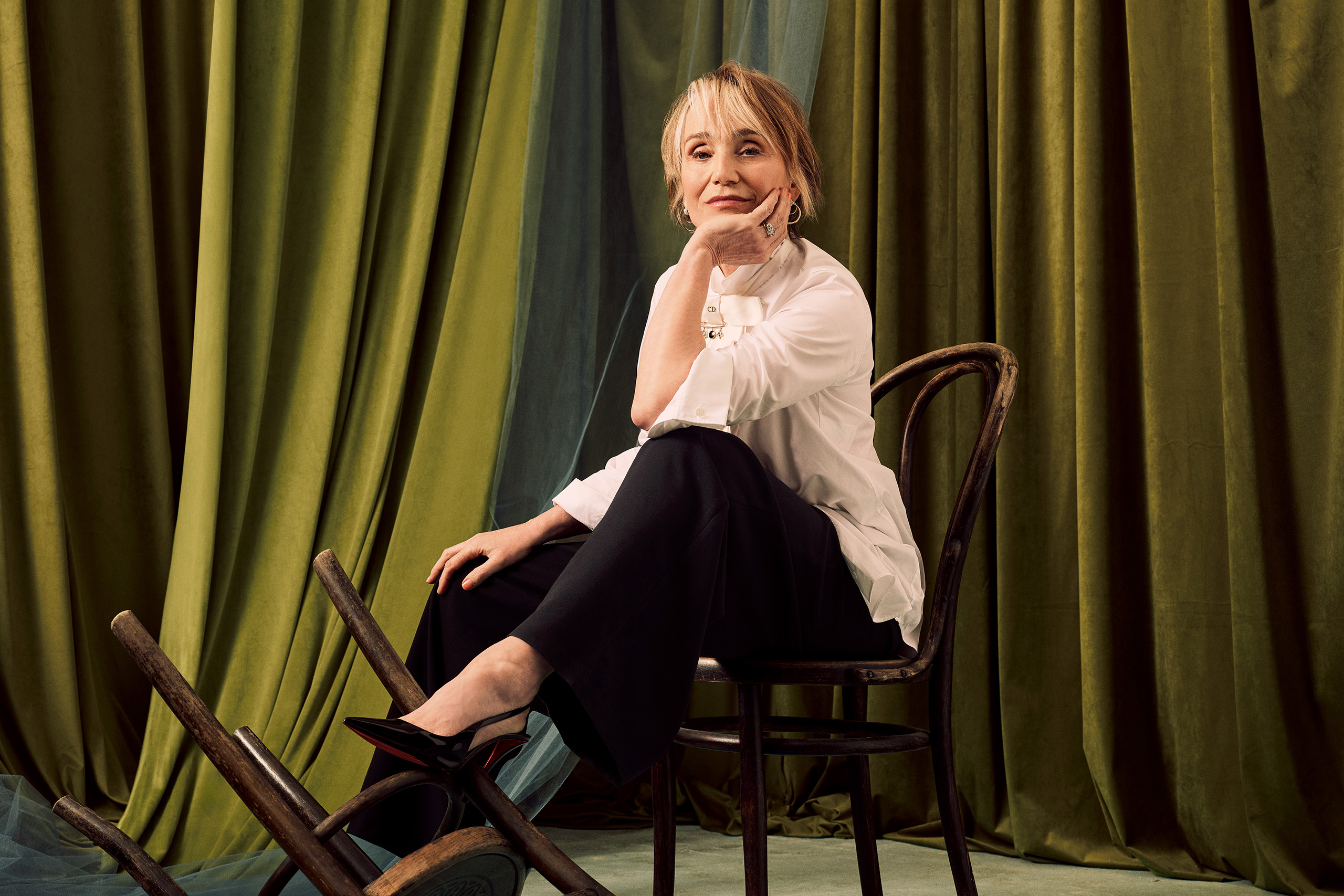
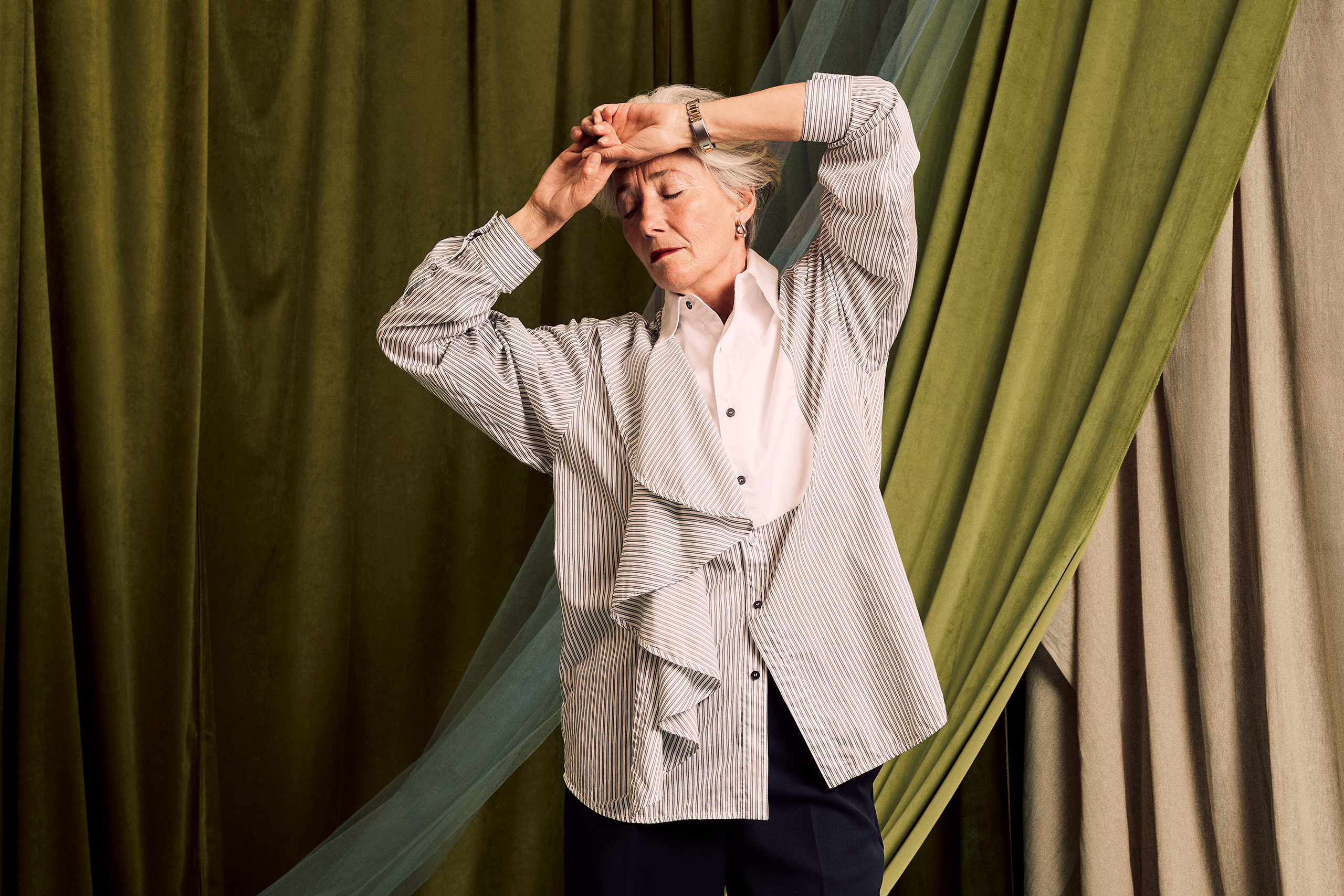
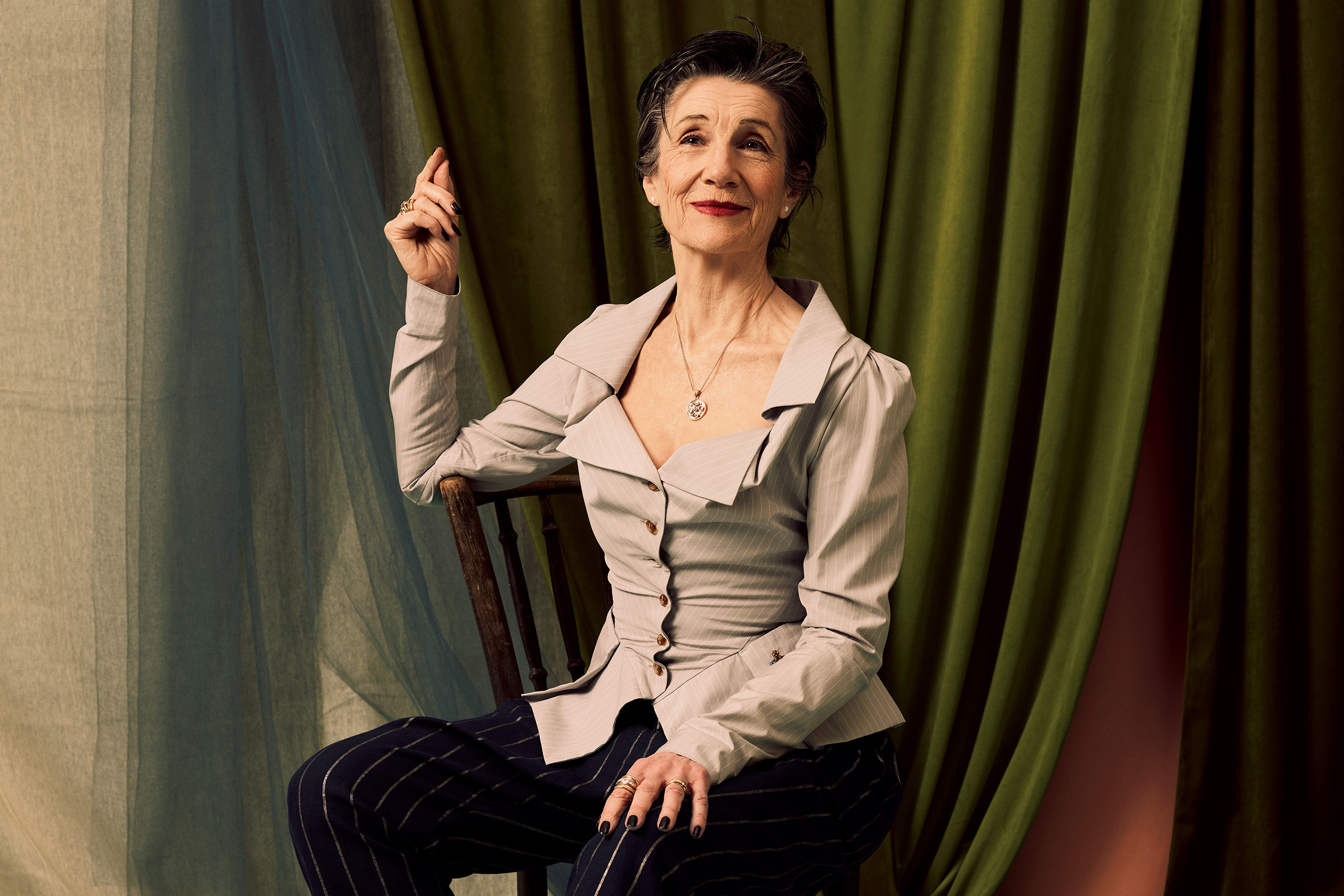
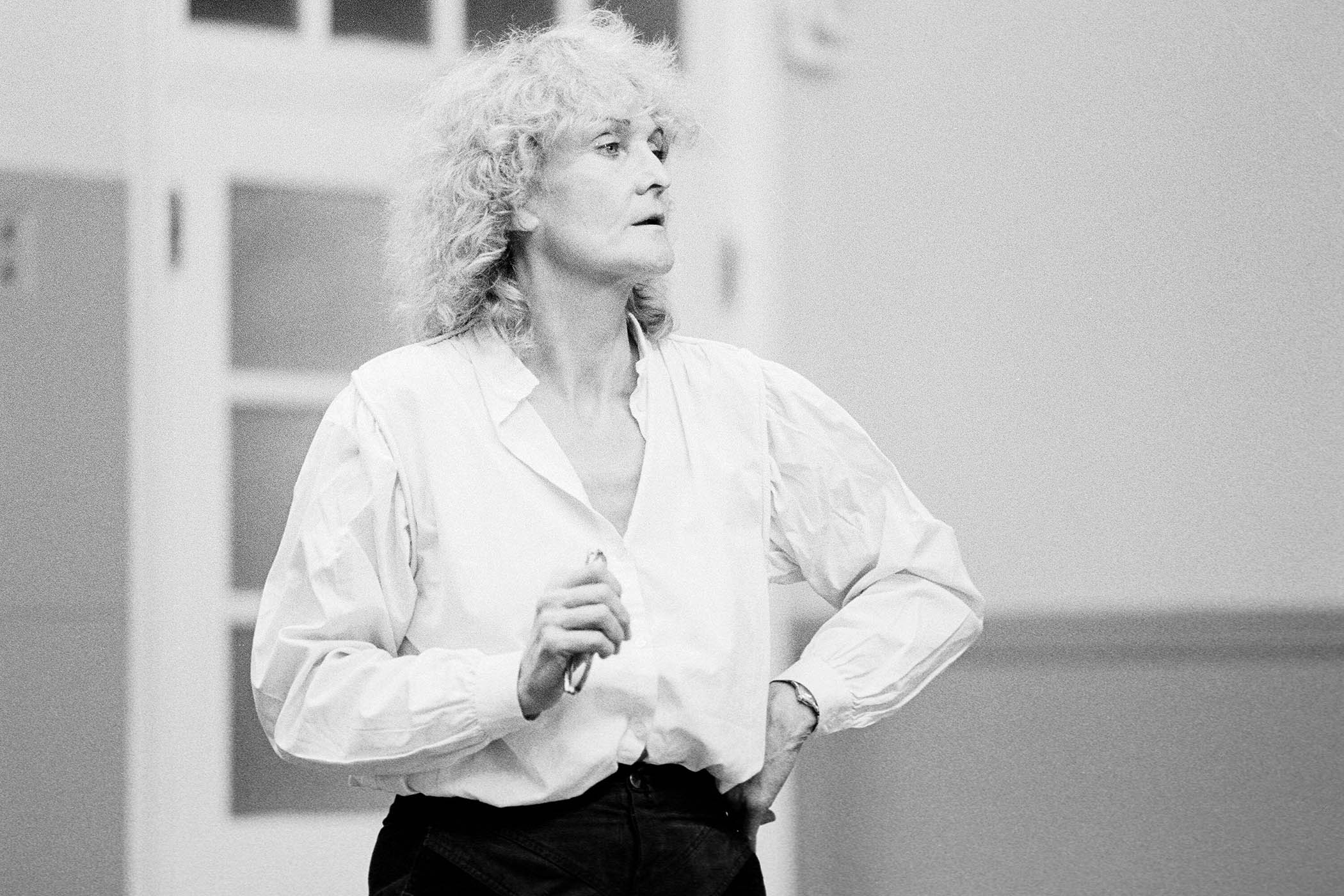
Main image: Sheila Hancock directing at a rehearsal of Romeo and Juliet for the Royal Shakespeare Company (RSC) Regional Tour in 1983; by Alamy. Other images: ArenaPAL; photostage.co.uk
Newsletters
Choose the newsletters you want to receive
View more
For information about how The Observer protects your data, read our Privacy Policy