

The story of Noma, the Copenhagen restaurant that redefined gastronomy by using foraged, local ingredients and unusual fermentations to create wildly inventive dishes, could be told through its influence and impact, and the awards it has won. Three Michelin stars. A Michelin Green star. Between 2010 and 2021, it was named the best restaurant in the world a record five times. It has transformed not just Copenhagen but the whole of Denmark into a destination for starry-eyed foodies.
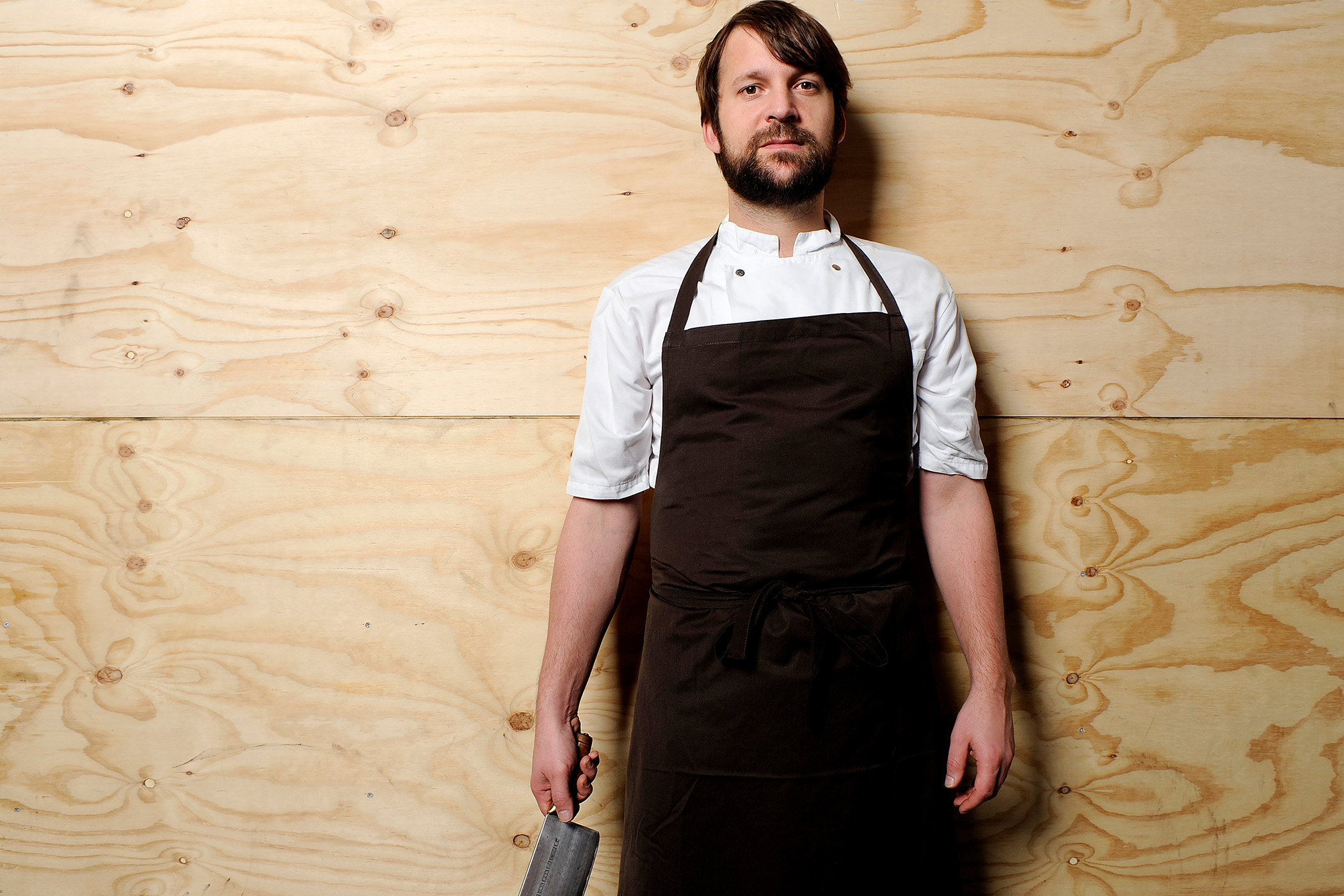
The story could also be told through the adulation shown towards its 48-year-old founder and auteur, René Redzepi, a scruffy school dropout who wanted to be a waiter, but instead became a once-in-a-generation chef. Redzepi has twice appeared on the cover of Time magazine and once in the TV show The Bear. He has been knighted by the Queen of Denmark and called the most famous Dane since Hamlet. The late Anthony Bourdain once described Redzepi as the “most influential, provocative and important chef in the world”.
Or the story could be told a third way, through the culture on which Noma’s success was built. In 2008, a fly-on-the-wall documentary, Noma at Boiling Point, showed Redzepi screaming at staff for not cutting herbs correctly. In 2015, Redzepi wrote an essay for MAD, a global nonprofit he founded in 2011 to “support people across the food industry in building stronger businesses, fostering fairer workplaces and advancing more sustainable food systems”, in which he admitted that he had been a “bully” who “yelled and pushed people”. In March this year, the New York Times alleged that Redzepi had punched colleagues in the face and ribs, slammed them against walls, stabbed them with barbecue forks, threatened to deport their families and conducted cruel humiliation rituals in front of the entire kitchen. Many of its staff had been unpaid interns working 16-hour days. One compared a shift at Noma to working in an emergency room.
Shortly after the New York Times report, which documented a period between 2009 and 2017, Redzepi announced on social media that he was stepping away from his restaurant. Although he did not recognise every detail outlined in the allegations, he said, he saw that his actions had been “harmful” to people who had worked with him.
And yet, Noma barely stumbled. Since the allegations, the restaurant has launched a pop-up in Los Angeles, defying protests and the loss of significant sponsors, and serving thousands of diners at $1,500 per head. In April, the publisher Artisan, part of the Hachette group, released a cookbook, The Noma Guide to Building Flavour, which was endorsed by famous chefs including Ferran Adrià, Yotam Ottolenghi, Thomas Keller, Elena Reygadas and David Chang, and which promised to reveal the “secret sauce” of Redzepi’s restaurant. Though Redzepi has momentarily disappeared from public view, he has stayed in Los Angeles while the pop-up runs, offering supervision and management from afar. This August, Noma will reopen for full service back at its Copenhagen home, which has been closed since February. Redzepi will be very much present as the creative heart.
All of this matters for anyone who cares about the provenance of the food they eat and the businesses they support. It demonstrates how restaurant kitchens still operate as a kind of performance space, where unacceptable behaviour is normalised. It also speaks to a brand that is unable to separate itself from its founder, even after he has been accused of physical and emotional violence against his own employees. Because this is a story about the long shadow of René Redzepi, a self-acknowledged abuser who suggested that he was leaving Noma but never really did.
The idea for Noma came from Claus Meyer, a wealthy restaurateur and TV host, who saw the beauty and depth of French cuisine and wanted to show Danes that Denmark could be a home of good food, too. Meyer secured space in an old shipping warehouse, on the Copenhagen waterfront, and asked Redzepi, then a 25-year-old sous chef, the son of a Danish cleaner and a Macedonian taxi driver, to lead the restaurant. Redzepi was not Meyer’s first choice for head chef, but he jumped at the opportunity and the pair took a research trip across the North Atlantic, where they harvested horse mussels, Arctic char and organic pearl barley, to better understand the vast resources available on their doorstep. The restaurant opened in November 2003.
Noma’s first year was an uphill battle. Nordic food had no reputation. Redzepi and his small ragtag team were mocked as “seal fuckers”, because of their interest in indigenous, unfashionable ingredients more familiar to the Vikings. Noma, a blend of the Danish words for Nordic and food, was given the nickname “the Stinky Whale” by locals.
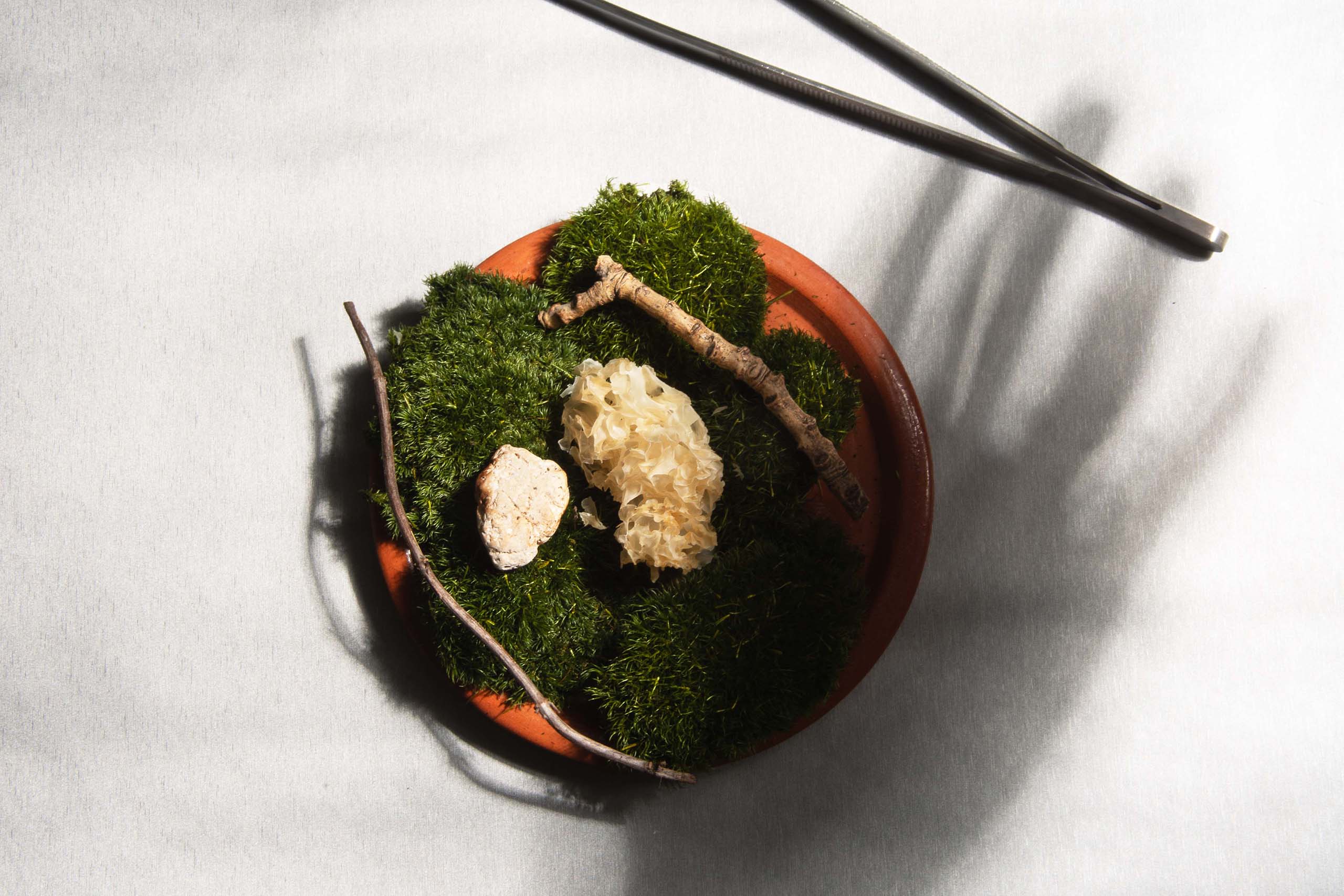
But Redzepi, who was born in Copenhagen but spent his summers catching fireflies in the former Yugoslavia, soon won over cynics by serving dishes that were eccentric and refined, constructed with care and skill. Chocolate-covered reindeer moss. Salt made out of wood ants. An edible bouquet of flowers. A salad covered in live snails. Duck served in its own head. Redzepi’s dishes were oddly democratic in the use of ingredients accessible to any Dane, if only they were willing to dig through the sand, sludge and bracken.
Noma’s rise – two of the restaurant’s Michelin stars were earned in its first four years – propelled Redzepi to celebrity status. At a time when television was turning professional cooks into superstars, Redzepi was pitched as the unassuming great Dane, every chef’s favourite chef. But the restaurant created a halo effect that shone beyond its founder. Several smaller businesses came to rely on the restaurant’s success. Søren Brandt Wiuff, a 70-year-old farmer who became Noma’s vegetable supplier, told me, “I’m not sure I could have survived with my 60 hectares without it.” Today you can eat your way through Copenhagen at places founded by Noma alumni. By 2019, nearly 40% of visitors to Copenhagen went for its food, and the Danish restaurant industry was worth more than £5bn a year. The country currently has 42 Michelin-starred restaurants. “Even here on the west side, we have a star,” said Jesper Voss, who runs oyster tours on the island of Fanø, more than 300km from Copenhagen. “That would have been impossible before Noma.”
Newsletters
Choose the newsletters you want to receive
View more
For information about how The Observer protects your data, read our Privacy Policy
But it was clear from early on that Noma’s ability to make the impossible possible had a dark side, too. In his 2015 essay, Redzepi wrote that he had mistreated staff in the pursuit of greatness, and suggested he was a reformed character, to the extent that he now had colleagues telling him, “I don’t feel like you’re stern enough.”
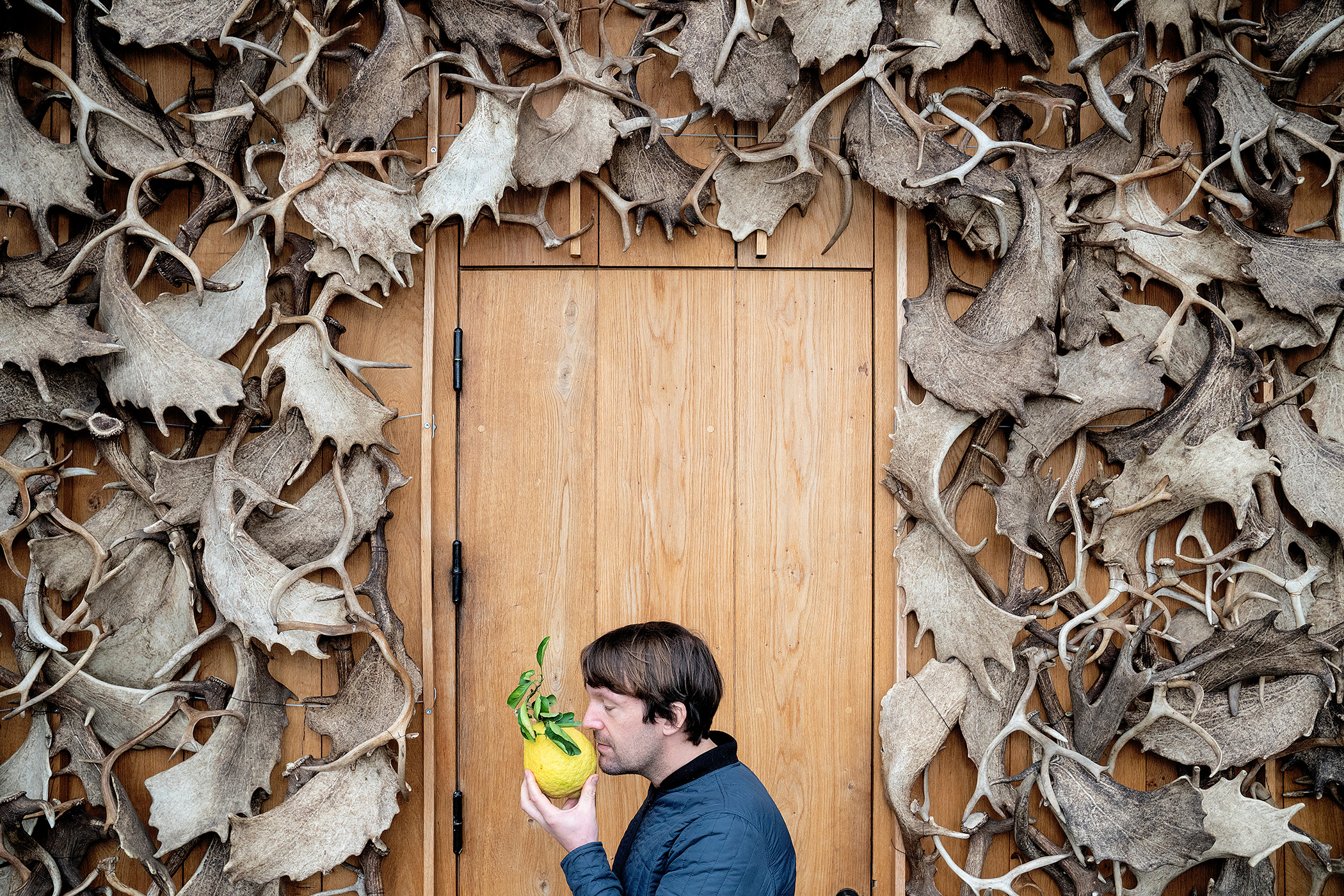
Redzepi’s kitchen confessions, framed as part of a redemption story, didn’t stop the Noma train. The restaurant’s 20-course tasting menu cost hundreds of pounds. People paid, perhaps because they expected no better. The idea that the world’s best food might be produced in an ugly or violent workplace was not new. Two of Britain’s most famous chefs are Marco Pierre White, who used to throttle staff, and Gordon Ramsay, his protégé, whose verbal tirades were TV fodder. It had always seemed to be understood by the public that top restaurants operated according to their own rules. “Almost everything about the structure of the industry makes it vulnerable to abuse,” Lisa Lind Dunbar, a writer and high-profile critic of fine dining, told me, citing the strict hierarchies of kitchens, the industry-wide problem of high staff turnover and the ever-present threat of blacklisting should employees speak out.
After Noma earned its third Michelin star, in 2021, the world finally started reckoning with how it had reached the summit. In June 2022, the Financial Times reported that before the pandemic nearly half of Noma’s employees were unpaid interns. Some worked from dawn until night cleaning pine cones and plucking duck feathers. During the reporting of the story, Noma announced it would start compensating all of its staff, but a few months later Redzepi said the restaurant would close for regular service at the end of 2024, because its running had become “financially and emotionally” unsustainable. Paying interns reportedly added at least $50,000 to Noma’s monthly labour costs, though Redzepi denied this was a factor.
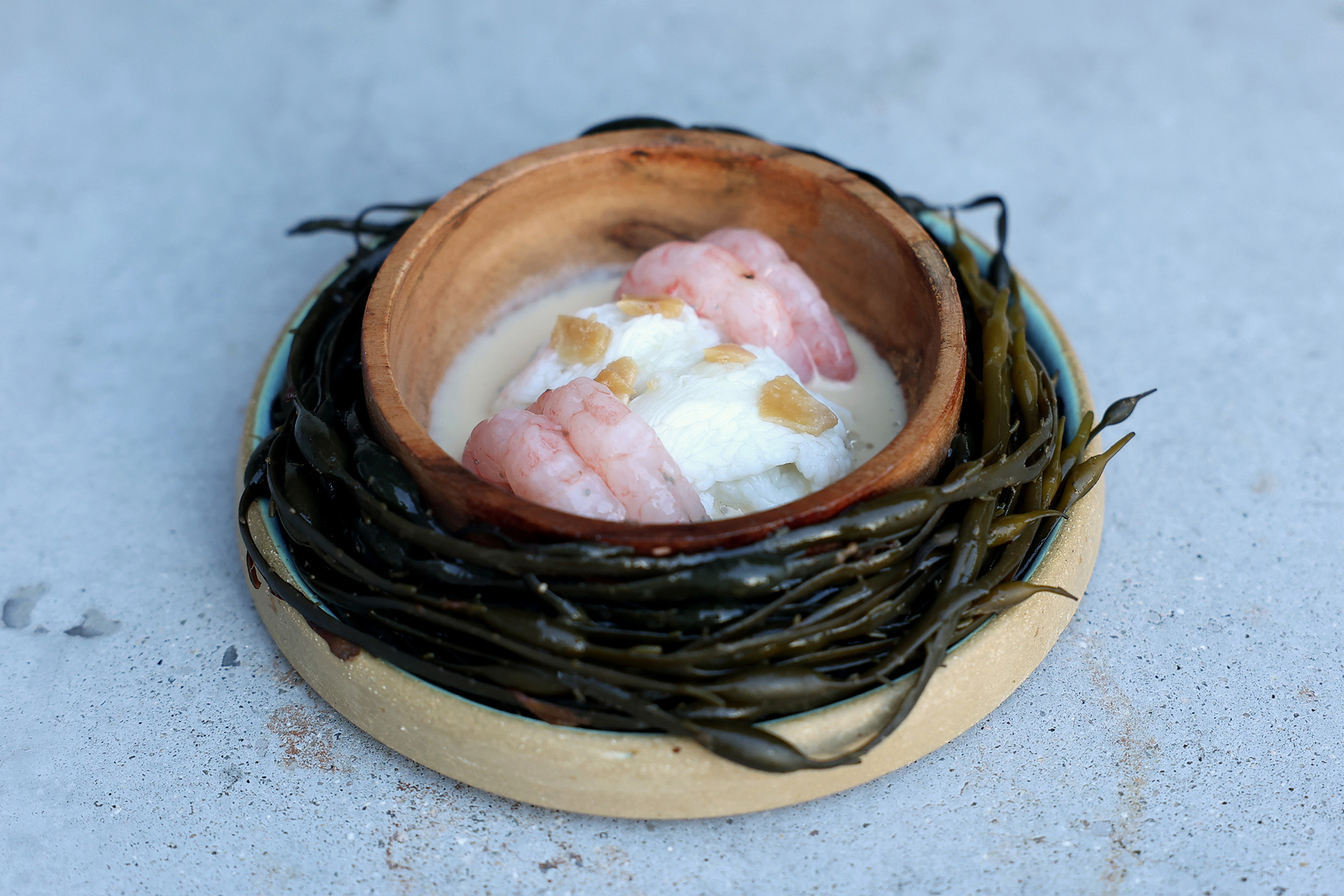
Noma has become more freewheeling in recent years. The restaurant ended up staying open until 2026 – it most recently ran ocean, summer and forest seasons – but Noma also transformed itself into what Redzepi has called a “food laboratory” focused on culinary innovation and expensive international dining residencies. Since 2015, Noma has popped up in Japan, Australia, Mexico, Brooklyn and London. The Los Angeles residency was due to be its largest, though, when the news was announced, not everyone was happy. In February, Jason Ignacio White, who worked at Noma between 2017 and 2022 in the restaurant’s fermentation lab, used social media to share disturbing stories from chefs and interns who had worked with Redzepi, and outrage over these accounts spiralled into protests that demanded managerial changes and reparations for unpaid labour.
Many of the accounts White shared on social media appeared in the New York Times report, in which dozens of former colleagues accused Redzepi of past abuse, including intimidation, public ridicule and physical violence. Actions that were allegedly punished included playing techno music in the production kitchen, picking up a phone during service, and leaving a tweezer mark in a flower petal. One former employee told the New York Times that going to work “felt like going to war”. Another, who did not regret their experience, compared life in the kitchen to being on “a submarine that was going down”. There was allegedly a culture of silence as staff feared that Redzepi would use his influence to retaliate against them. According to the New York Times, the HR department at the time was one woman: Redzepi’s mother-in-law.
When the New York Times report was published, Redzepi apologised publicly and said that he had worked to change. Still, American Express and Blackbird, a restaurant loyalty company, cut ties with the pop-up, which they were due to sponsor. Redzepi then made what appeared to be a seismic announcement. “After more than two decades of building and leading this restaurant,” he wrote on Instagram, “I’ve decided to step away and allow our extraordinary leaders to now guide the restaurant into its next chapter.”
Noma went ahead with the pop-up. “The feeling was that we should just do it stronger,” Pablo Soto, the head chef, told me a few weeks into the residency. “I don’t think anyone in the team felt like we were going to let all of our work go to waste. We want all of our effort to be seen.” He was bullish about the backlash. “OK, there is going to be a protest outside? Let’s make sure that when the guests come in and they’re past the door, we can make them forget that for a bit and come into this place where we’re going to make them feel good. We’re just a restaurant, you know?”
The LA residency has operated at near capacity for every service. Attendees have included Max Shapiro, a real-estate agent who hosts a fine-dining podcast. He thought twice about going, but wanted to see it for himself. “The setting, the production, the scale of it all was impressive,” he told me. “But once you got past that, it just wasn’t very enjoyable to eat.”
Low points were a ragout featuring mussels, tomatillo and nettles, which stung Shapiro’s lip, and a local seaweed dish served with clam and a clam broth. “Someone at the table said it tasted like you fell face first into a tide pool,” Shapiro said. “The food felt conceptualised backwards,” he added. “‘What does it look like? What’s the vessel? How do we present this?’ Then, at some point: ‘Can we make it taste good?’”
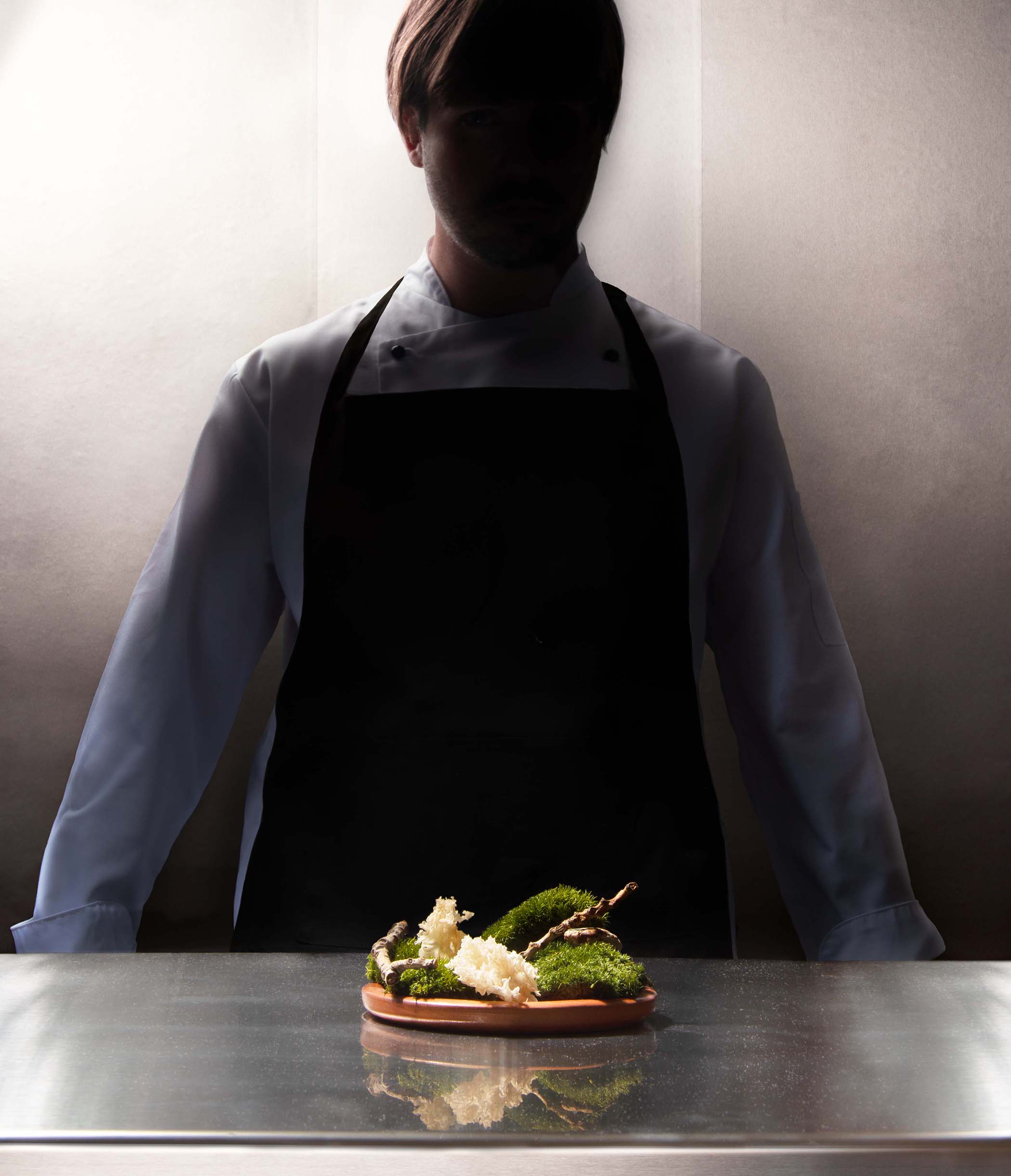
Noma’s struggle to sustain its magic carries a worrying implication that its food was at its best when its kitchen culture was at its worst. But perhaps this is no coincidence. Earning a third Michelin star, as Noma was trying to do when the alleged abuse took place between 2009 and 2017, requires perfection. Michelin inspectors are anonymous and free to visit a restaurant at any time. These factors can put strain on an aspirational chef. Heston Blumenthal described receiving his third star as “like a pat on the back and a knee in the groin”. Marco Pierre White voluntarily returned his three stars in 1999 as he no longer wanted to be a “prisoner of my world”.
Chefs are responsible for their own behaviour and many do not behave badly. But, knowing that Michelin stars need to be re-earned every year and that leaderboards are updated, they only face more pressure when they are given accolades. “I’ve been very critical of the World’s 50 Best Restaurants list and the Michelin Guide,” Dunbar told me. “They are a driving factor for how fine dining restaurants allow themselves to operate.”
When I approached the Michelin Guide they declined to comment, though Noma recently lost its three stars by default due to its shift away from traditional service. The World’s 50 Best, which named Noma the top restaurant in the world on five separate occasions, said it shared “a deep concern for the former employees and chefs who have faced such environments,” but that it “does not have the capacity to oversee or police practices within individual restaurant kitchens”.
Christian Puglisi, Noma’s sous chef between 2007 and 2009, told me in April that he was appalled by the allegations against Redzepi and that his former boss could be “very temperamental”. But he also criticised what he called a witch hunt against Noma. “I’m just trying to find out who we saved by killing René Redzepi,” he said. “It is not obvious to me.” Other chefs have suggested that Redzepi is paying for the sins of an entire industry.
But is Redzepi really paying the price for his past? After the New York Times story, it was widely reported that Redzepi had “resigned” from Noma. But when I talked to restaurant staff directly, I heard something different. “I don’t want to say that Redzepi has resigned because this is his company,” Soto told me. “He owns this place and is the visionary mind setting the course of where we’re going.” Redzepi remains in regular contact with the team. “He’s making sure we are following through with his vision of this pop-up,” Soto said, of the LA residency. “And he’s taking the time to think even more into the future about different creative projects we’ve always had for Noma.”
Soto clarified that Redzepi was not taking an “active role” in the kitchen, but this position isn’t new. Redzepi said in March that he hadn’t led daily service in years, and in 2023 it was reported that he was becoming more of a “chief creative officer”. When I asked Soto what Redzepi’s so-called resignation actually meant, he told me: “He’s just going to be further away from the day-to-day operation. That’s the only thing it means.”
A few weeks ago, Noma contacted me with unexpected news that they planned to reopen their Copenhagen restaurant, buoyed by the success of ventures such as Noma Projects, which sells expensive pantry items and condiments. The restaurant will offer a different menu each month, and a meal there is expected to cost roughly 4,500 Danish krone (£520) per head. There will be a new three-person leadership team made up of Soto as executive head chef, Mette Brink Søberg as head of research and development, and Annika de Las Heras as the new CEO. Redzepi remains the owner and will be Noma’s creative director, shaping the future of the restaurant.
Last month, I asked de Las Heras if she still considered Redzepi as central to Noma. “Definitely, yeah,” she responded. “It’s an exciting and interesting moment for him to say: ‘This is where I add the most value for myself, for the team, for the organisation, and I can give over to the team full control and trust in operating the business.’” Noma has shared the public goal to become the best workplace in the world for its employees and the company considers Redzepi to be a key figure in these efforts, which have included leadership coaching, better working hours and hiring an HR team. “Noma today is not what has been reflected in the media over the past couple of months,” de Las Heras told me. “René has played a strong part in ensuring that we learn and evolve.”
This is an interesting idea – that Redzepi could help spearhead workplace improvements necessitated by his own behaviour. But Dunbar sees it as a deliberate strategy. “The story of change becomes a performance, which is a very effective tool to avoid structural consequences,” she said.
In April, I went to Noma’s Copenhagen site, a series of pavilions and greenhouses made out of tombac, timber, bricks and glass. Among the reed banks and wild flowers, there was no sign of any structural consequences. Visitors included three young men from Hungary, who were apathetic about the storm surrounding Redzepi. “The core thing that Noma is doing is interesting regardless of what has happened,” one said.
Noma’s latest cookbook, The Noma Guide to Building Flavour, was published shortly after the New York Times report, and shows the symbiotic relationship between the restaurant and its founder. Between recipes for candied pine cones and caramel made from bear meat, the book contains a series of vignettes from Redzepi. He watches his aunt milk a cow. He learns about sauce when his uncle mops up juices from a chicken. There is no doubt that although the Noma team contributed to the project, this is his book, written in his voice and copyrighted by him.
When I contacted the chefs who gave pre-publication praise to ask whether they had any regrets in light of the new allegations, only Ferran Adrià, who wrote in the blurb that Redzepi had “expanded our horizons”, commented. “I’ve known the Noma test kitchen team for a while now,” he said, “and they’re incredible people and true professionals, so I agreed to collaborate, as I always do with these kinds of requests.” The Observer once described conditions at Adrià’s former restaurant, El Bulli, as “brutal and bewildering”. Redzepi was an unpaid intern there.
This is a reminder that while the allegations against Redzepi are historical, his actions could have a lasting impact. Former Noma employees told the New York Times that senior chefs maintained the culture created by Redzepi, even after he had worked on his own issues. One former intern, Blaine Wetzel, left Noma in 2010 to run Willows Inn, in the Pacific Northwest. It closed in 2022, after Wetzel was accused of physical intimidation and verbal abuse, allegations he denied. In February, Vaughan Mabee, who trained at Noma around the same time as Wetzel, left as head chef of Amisfield, in New Zealand, after extensive complaints of verbal abuse, as well as an alleged assault in a nightclub. Mabee admitted his behaviour had “fallen short”. Last year, he called Redzepi a “psychopath”, as a term of endearment.
The story of René Redzepi, as his defenders like to tell it, is that of a man who has made mistakes, suffered the consequences and deserves another chance. But this is misleading. Because Redzepi has paid a negligible price. He is still a central part of his restaurant. He has his accolades. He has not faced criminal charges. People want to eat his food. Noma is Redzepi and Redzepi is Noma. Despite the noise and the censure, neither has gone anywhere. If they ever do, it may be too late: a new era of chefs has already been formed in Redzepi’s image.