In August 2021, Malala Yousafzai was still recovering from the wounds inflicted on her by the Taliban nine years earlier when, amid the withdrawal of US forces, the militant group regained control of Afghanistan. She was in Boston for the final surgery to repair the facial paralysis a bullet had caused on its path from above her left eye and down through her jaw.
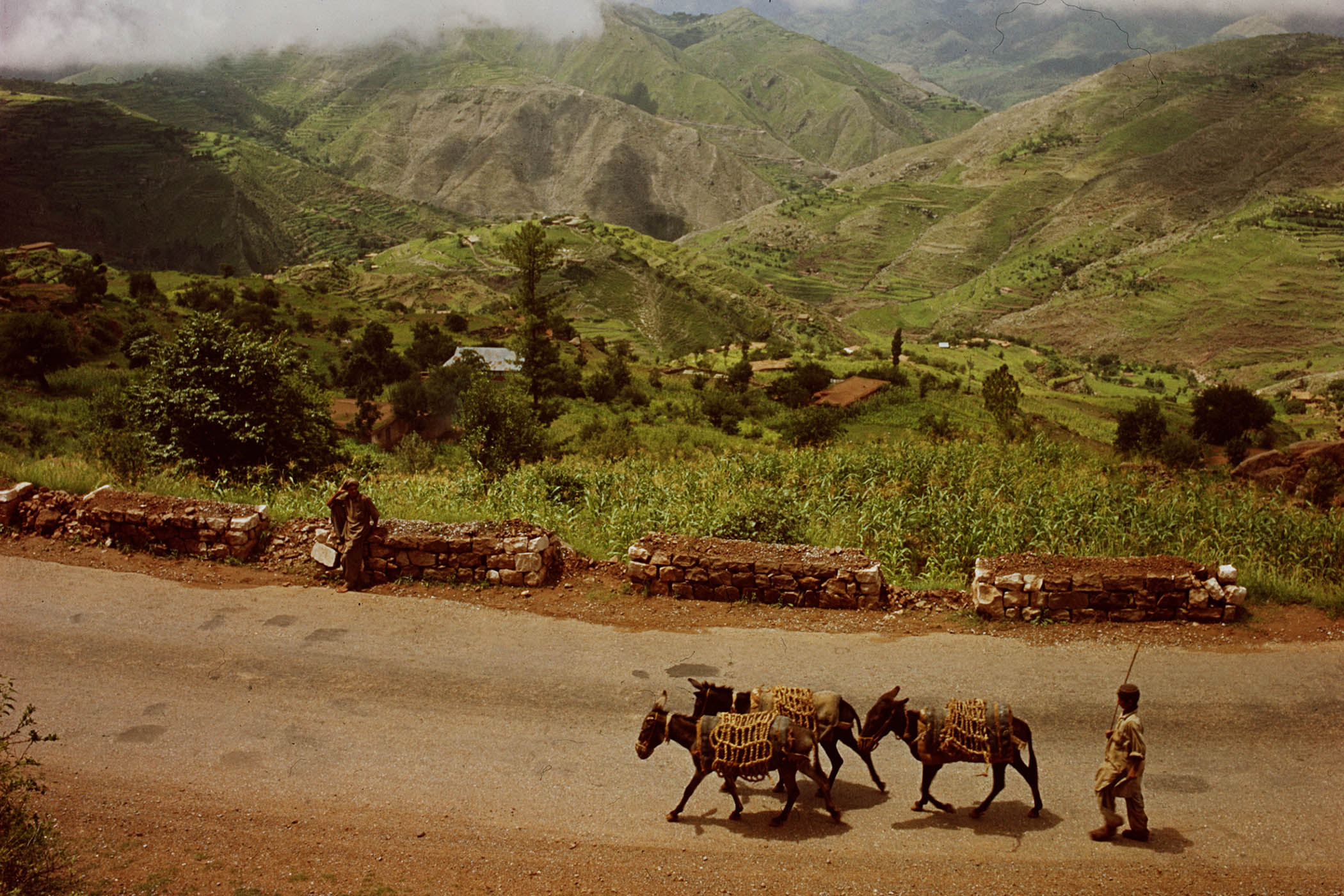
In 2012, aged 15, she had been on a school bus in the Swat district of Pakistan when a Taliban gunman sent her life on a different trajectory; he boarded the vehicle, asked: “Who is Malala?” and then shot her in the head. Waking up from a coma in a Birmingham brain trauma centre 10 days later, suddenly flooded with international media attention, it was as though she had returned to a parallel universe. Having stood up to the Taliban by defying their order for girls to stop attending school, Yousafzai became an international symbol of feminist resistance and later the youngest recipient of the Nobel peace prize.
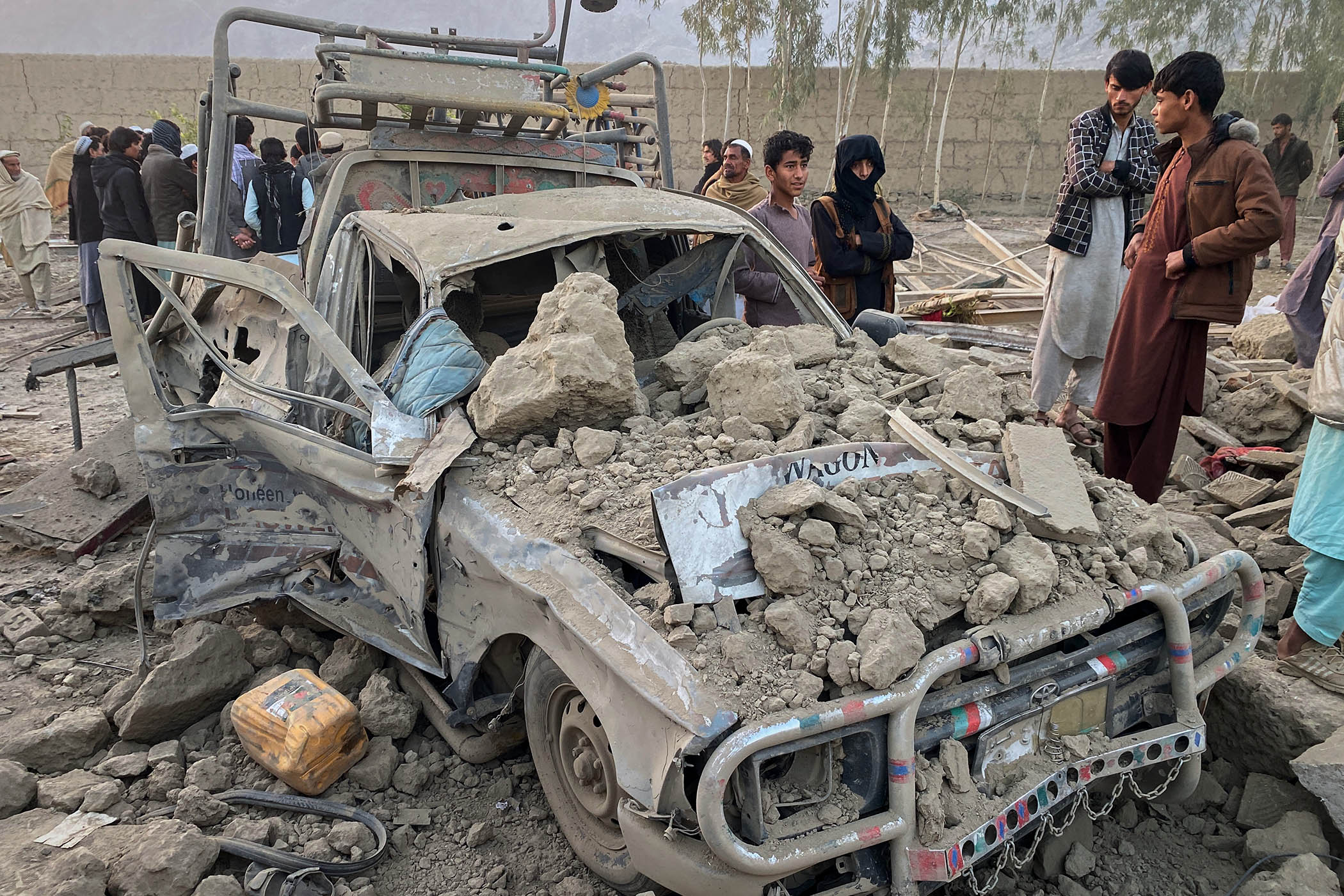
But watching news footage of thousands of people gathered at Kabul airport desperate to be evacuated, Yousafzai found herself in a strange new world once again. The same male leaders who for years had posed for photographs with her to advance their careers would not pick up the phone; only women answered the call for help. Witnessing a complete reversal of 20 years of progress almost overnight, Yousafzai wept in her Boston hotel room. “I had this perception that things were heading in the right direction, and we would be making progress slowly,” she says now. “I could not fathom the fact that the people who would point a gun at my head were back in power, that they are going to take away the future of all Afghan women and girls. And that’s exactly what has happened since.”
We are speaking nearly five years on from that emotional collapse, on a sofa inside a photography studio, where herbal tea steams from a mug between her hands. Yousafzai is tired, having flown in earlier in the morning from Los Angeles, where she was speaking at a college and a school, hearing from young girls trying to find their way. Her steady focus on the work that needs to be done is undimmed. Under Taliban rule, women are still not allowed to attend secondary school or universities, or hold many professional positions. Much of the west has turned its back on the women there, but that abandonment has caused a reawakening in Yousafzai by clarifying her sense of purpose.
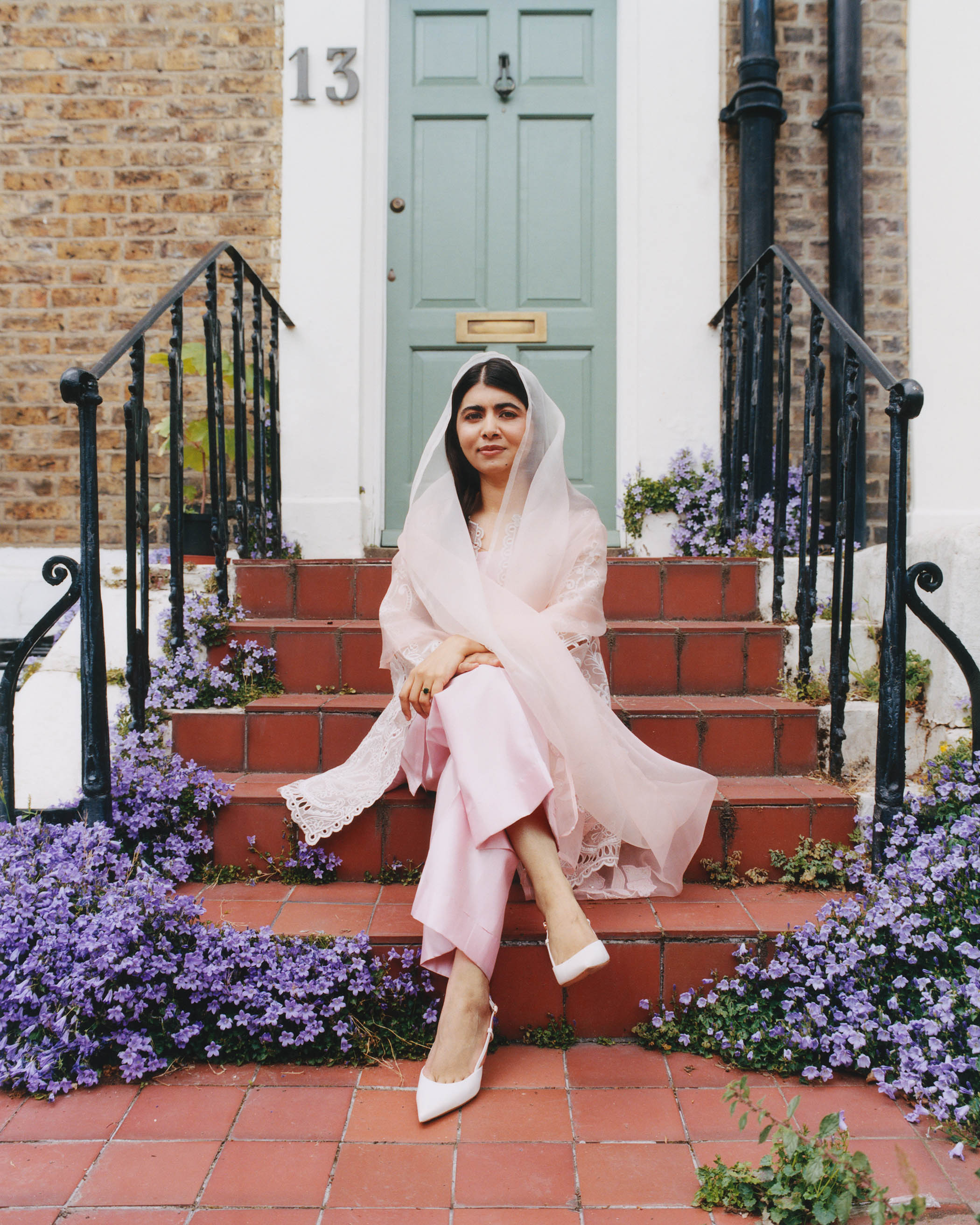
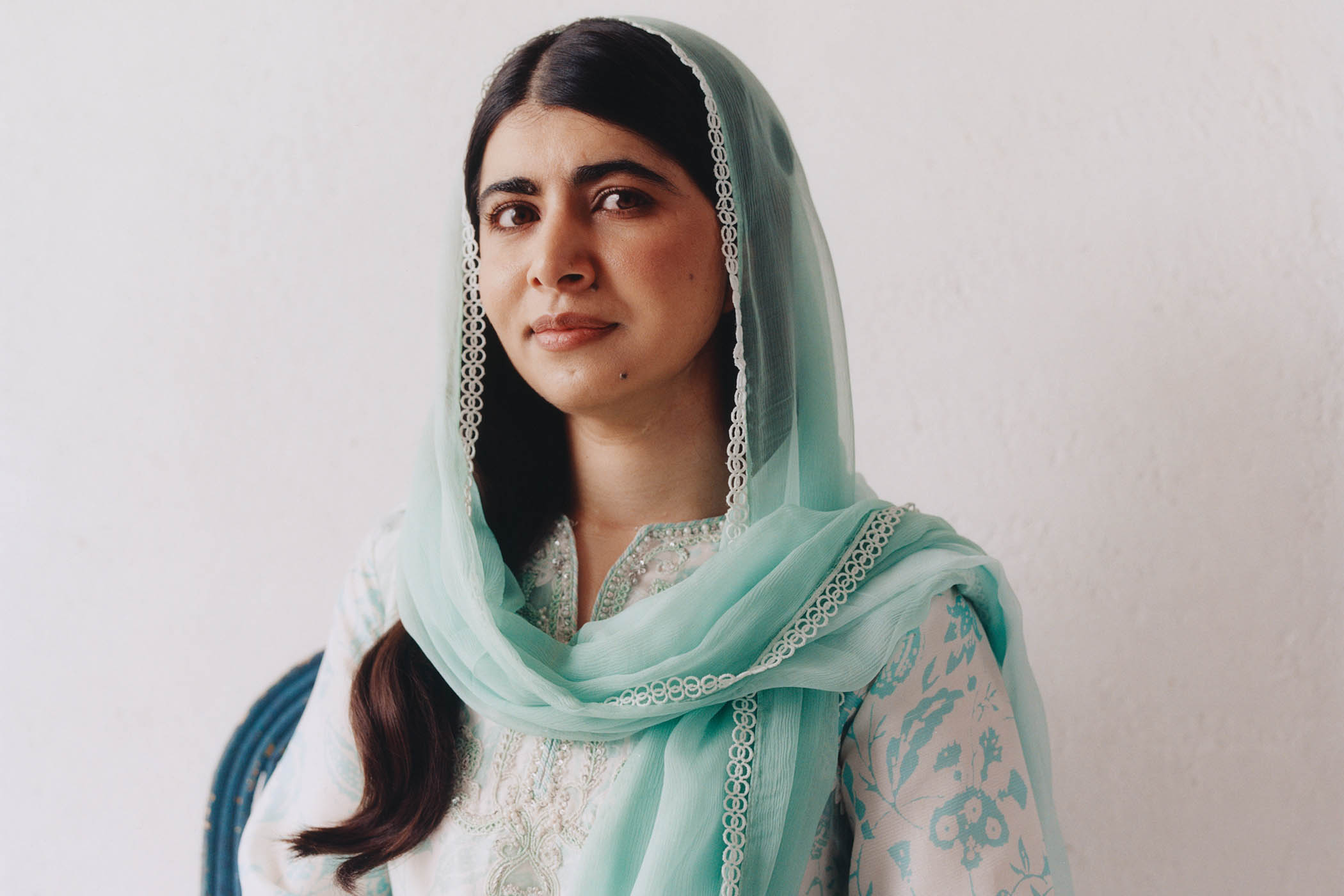
‘People still see me as the 15-year-old Malala’: Yousafzai photographed in London
“When I reflect on the past five years and look at the inaction of world leaders, I feel frustration and hopelessness, but I realised that it’s just a reminder that there is little protection for women and girls in international law, so we need the right systems to be able to hold leaders accountable,” she says. The political apathy has inspired her to become more ambitious in her activism, joining the campaign to recognise what is happening in Afghanistan as gender apartheid.
The most recent decree of the Taliban, she tells me, is that a husband can beat his wife and daughters as long as the bones are not broken, giving examples of women who have tried to go to Taliban courts to seek justice and been told their injuries are not sufficient for prosecution. “A lot of leaders are promoting this narrative that what the Taliban are doing is all cultural and it’s local – it’s a domestic issue. That’s not OK,” Yousafzai says. “If we fail to do anything for Afghan girls, what message are we sending to girls everywhere?”
Now 28, Yousafzai speaks carefully, pausing to gather her thoughts instead of letting the wrong words slip out and be seized upon. It is a habit formed after years of being asked for statements on global issues, and from watching the things she says and does being taken out of context. It is surprising then that in her recent memoir, Finding My Way – the paperback of which is published on 4 June – she offers a counterpoint to the almost saintly image that was created for her.
Recounting her years at Oxford University, the memoir includes stories of unsuitable crushes, late nights dancing at parties and nocturnal trespassing on campus. Yousafzai was nervous to put this idea of herself out into the world, and yet, as she writes, she didn’t recognise the perception people had of her as “a serious and shy girl, a wallflower forced to speak out when the Taliban took away her books”. At school in the city of Mingora in Pakistan, she had been a troublemaker who ferried gossip between groups and cracked shocking jokes. “It’s tough to be called a girl activist your whole life. People still call me a girl activist,” she says, her tone now less polished, a little more resigned. “Some people still see me as the 15-year-old Malala.”
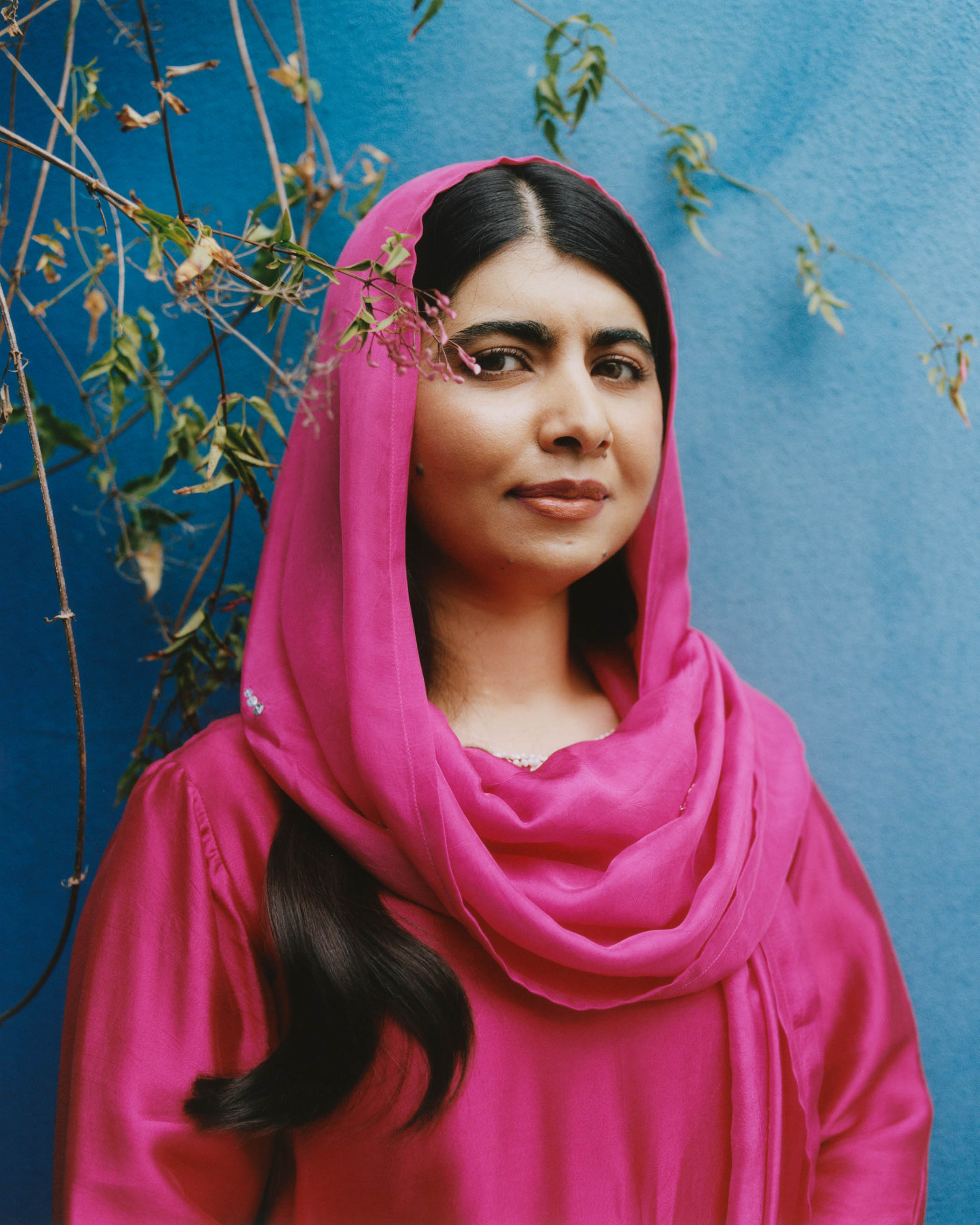
Yousafzai co-founded the Malala Fund with her father, Ziauddin
Reclaiming her narrative from myth and fable, Yousafzai includes the story of her smoking a bong one night at university, an incident that led to traumatic flashbacks of her attack. “I know that there has been some social media backlash and trolling, where people are saying: ‘Oh, Malala smokes weed now.’ I don’t smoke weed any more,” she laughs. “I was living a normal college life, and friends are putting pressure on me to try different things. I had no idea where it would go, and it took a very sharp, dark turn.”
It was at this point that a friend recommended therapy, something she had never received as part of her treatment after the shooting. Mental health services carry a great stigma within her family’s Pashtun community, as she recalls her father saying in the book: “Only a completely nonfunctioning person needs a therapist.” These cultural conflicts with her parents are among the most compelling parts of the memoir, as she details the pressure they put her under to issue a clarifying statement after voicing her uncertainty about marriage in a British Vogue interview, or the guilt over having to refuse the paid speaking events that provided her family’s only source of income.
Yousafzai did not show her parents the book before its publication, telling her father he couldn’t request any changes. “I wanted this to be in my voice without any expectations of what people would think,” she says. “When my dad finished reading the book, he just could not stop crying. He felt that he had failed as a father because he wasn’t there for me when I was going through the mental health challenges.” Her mum, meanwhile, held her hands up. “My mum was not even defending herself; she was like: ‘Yeah, I’m a strict mum – I do care about what people say,’” she says, smiling. “I like that she accepts the pressure she feels.”
Yousafzai’s later teenage years had been defined by press conferences and the receipt of titles and awards. She spent those days in rooms with people in their 50s and older. When she came to school in Birmingham, her paralysed face fixed into an “uneasy grimace” in place of a smile, she struggled. “I did not have friends. I was very self-conscious and I thought I could never find love in my life,” she says. “A lot of the child heroes that we have heard about did not really make it into this adult life. I myself have wondered whether any of those people have a normal day? What was their love life like? How are they with friends?”
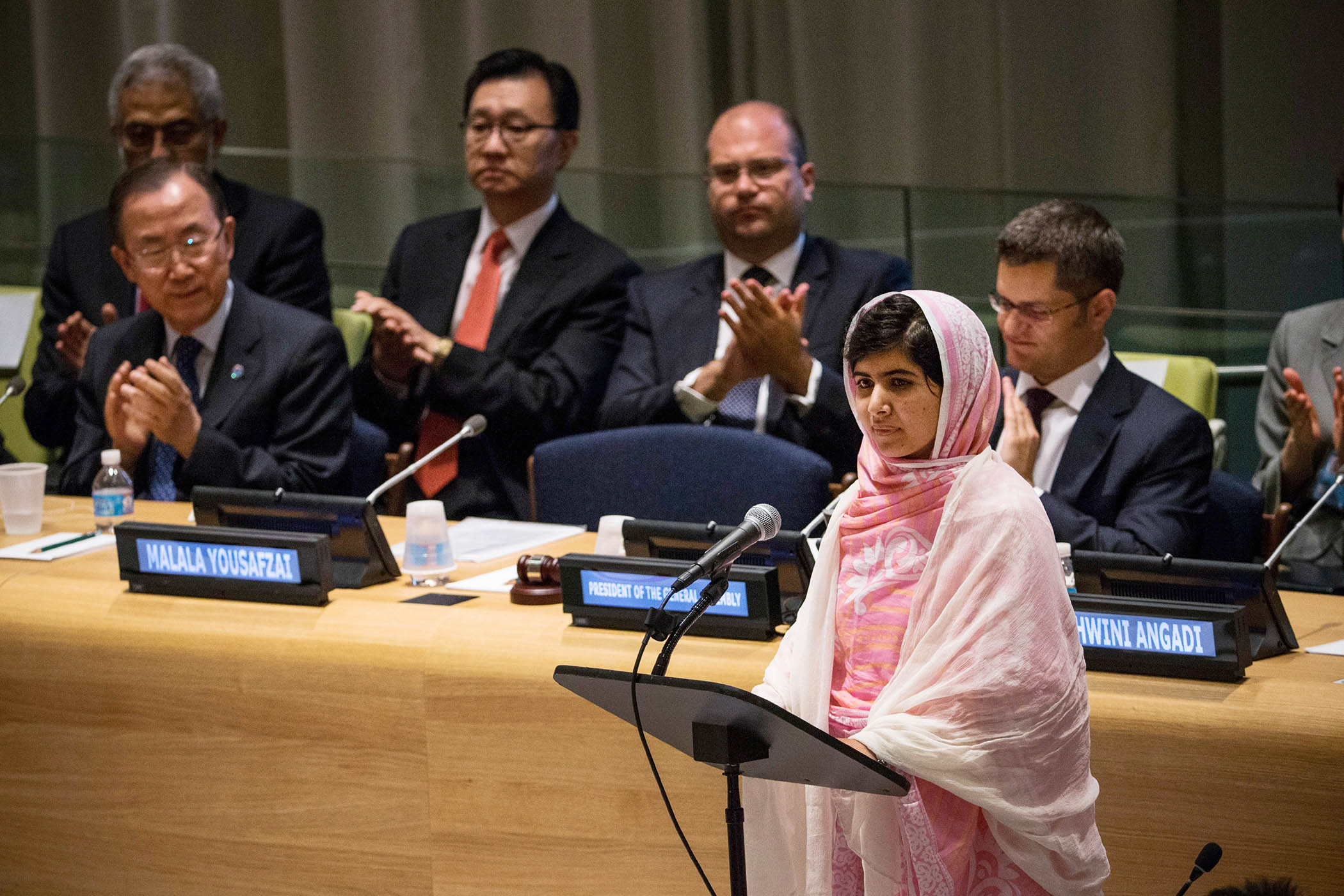
The 16-year-old Yousafzai addressing the UN Youth Assembly in 2013
Her time at Oxford, then, was a period of learning how to live a normal life, and of forming an uneasy truce between the customs of her old life and new one. Today, she is wearing a bright pink shalwar kameez, the traditional garment of her culture, but at university she didn’t want to be “the Malala” and instead wore casual western clothing. When she arrived in a pair of jeans with a headscarf at rowing practice early one morning, a photograph of her went viral and caused condemnation and death threats from people in Pakistan, calling her a “traitor or a porn star”.
And yet the subsequent tabloid stories covering the backlash, with comments underneath labelling her headscarf a symbol of oppression, were another example of the intolerance that surrounds her from both sides. “I realised that people will always have something to say about what women wear,” she says. “For me, it was just getting trolled, but I had seen how girls in our community would be beaten up, forced into marriages, pulled out of school, simply because they were not living up to societal expectations.”
It was also during her time at Oxford that Yousafzai felt the opposing views of marriage from two different cultures come into conflict. She met and soon fell for Asser Malik, a friend of a friend, who worked for the Pakistan Cricket Board. Growing up in a culture where marriage constrained and punished women, she had told herself she would never marry and instead would devote herself to work. But after graduating, Yousafzai found herself in love and under pressure to formalise her relationship in order to make it public, while still fearful of who she might be tying herself to.
In November 2021, she married Malik in a private ceremony at her family home in Birmingham, and the couple now live together in London, but for months she wavered on her decision. “I know about my rights. I have completed my education. I am financially independent. So why do I have to worry so much about what could go wrong in a marriage?” she says. “Still, I could not take away the fear I had felt growing up. I think the more women accomplish in life, the scarier it gets, because they become a threat to the patriarchy and men start becoming more and more insecure.”
I value peace. A lot of people take it for granted. I feel lucky every day that I don’t wake up to the sounds of bombing
I value peace. A lot of people take it for granted. I feel lucky every day that I don’t wake up to the sounds of bombing
At 15, Yousafzai was a symbol of peace. Thirteen years later, that hopeful promise of progress seems like a mirage. Around the world, humanitarian aid is being reduced and women’s rights are regressing; there are more male authoritarian leaders and more misogynistic conservatism within the wider culture. As conflict spreads, and women are disproportionately affected, there is a case for feminism that looks beyond narratives of individual empowerment and instead seeks the enshrinement of rights for women and girls everywhere.
An important part of the work of the Malala Fund is getting through to men. In countries such as Nigeria, where it’s common to see girls married at a young age, engaging fathers and male community leaders is a crucial part of removing the stigma around girls’ education. These are projects that Yousafzai’s father has been directly involved with – a touching full-circle moment, given how he has always empowered her. “I made it because I have a supportive father,” she says. “We live in a world where men feel like their ego lies in how they’re seen with women and by women, and how my father has treated my mum, his sister and his mum has taught me a lot about what we should expect from men in our society.”
A few weeks before we speak, the Afghanistan women’s national football team, whose members are now in exile – scattered across Australia, Europe and elsewhere – were officially recognised by Fifa, making them eligible to compete in the 2031 World Cup. It is a rare advocacy win after five years of campaigning by the Malala Fund and others. Yousafzai is also continuing to work with activists in and out of Afghanistan, pushing to keep girls learning through underground schools and radio programmes, at great personal risk to those still in the country. “These girls have to hide the fact they are learning in secret, and have stories of the Taliban chasing them and threatening them. They are not giving up. They keep fighting. When you see huge setbacks, you realise that the work is even more important.”
Newsletters
Choose the newsletters you want to receive
View more
For information about how The Observer protects your data, read our Privacy Policy
Has it become more difficult to mobilise leaders in recent years? “The west is facing a lot of challenges in being the defender of human rights,” she says. “There has been a lot of selectivism, in Gaza and other parts of the world, where the west has not been able to call for the protection of human rights and for justice.” Yousafzai realises how difficult it now is to get through to people in general, as we become less willing to accept the nuances of complex political situations. As she says: “Everybody’s just so confident that they’re right.”
Yousafzai experienced an early forewarning of today’s online climate of conspiracy theories and misinformation in the wake of her shooting, with even some journalists suggesting the bus attack was staged for financial profit and for her family to gain British passports. She wasn’t initially aware of this, but when she found out, she was shocked at being questioned, writing in her teenage diary: “I only ask that next time you aim for the middle of my forehead … Then they won’t say I wasn’t shot.”
We are speaking the week after Reform UK made sweeping gains in the local elections – the latest example of a hardening of attitudes towards refugees in this country in recent years. “I know a lot of people complain about immigration and refugees, but nobody’s getting the education on where and how these conflicts and genocides are starting,” Yousafzai says. “It’s not like the west has no role and, suddenly, refugees are showing up. There is less of an effort towards peace, and more interventions, more bombings, more conflict. I just hope more people will mobilise to call for an end to violence in the world.”
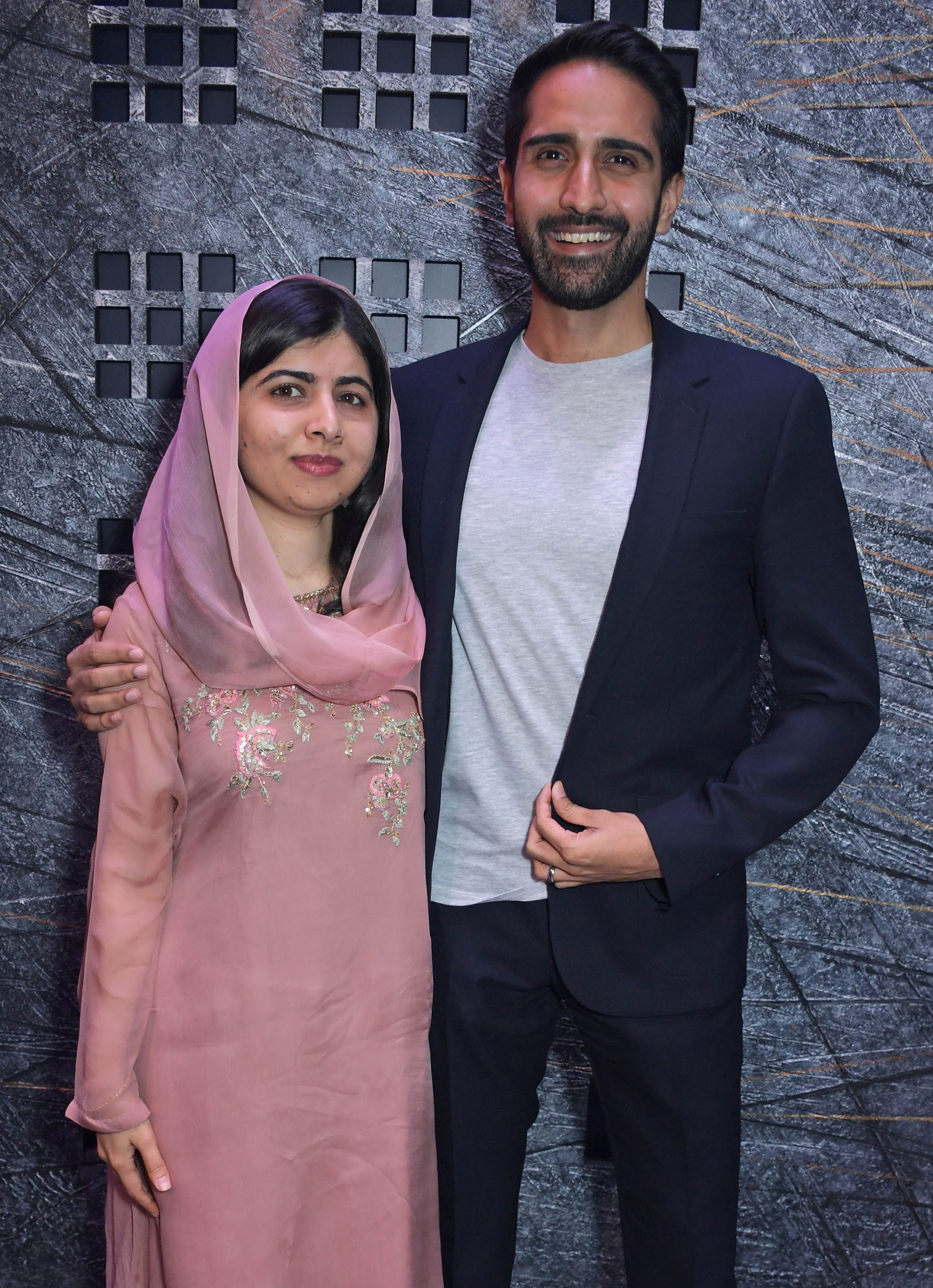
Yousafzai married Asser Malik in 2021
As we sit and talk in this bright, safe room, beyond us on the road are two cars containing the security personnel ensuring that very safety for Yousafzai – a grim reminder of the cost of speaking out against authoritarian regimes. I ask whether she feels less safe here than she once did, and she hesitates. “I want to take myself out of this, because I feel lucky every day that I don’t wake up to the sounds of bombing,” she says. “I value peace. A lot of people take it for granted. It’s something that millions of people around the world are waiting for.”
After the Taliban regained control of Afghanistan in 2021, Yousafzai was pressed for comment and interview requests. When she finally agreed to speak with Christiane Amanpour on CNN, she was asked if there were some cause for cautious optimism in a Taliban spokesman’s vague statement that there is “no discrimination against women … within the framework of the Islamic law”. Amanpour inquired: “Does that give you hope?” Yousafzai replied: “It is just too early to say.”
She is asked so often these days where to find hope amid the darkness, but thinks perhaps the problem is in seeing it as a rare mineral that you discover in the dirt, not a conscious choice we make. “Hope is not something that comes to you from somewhere else,” she says. “You create it within you.”
Finding My Way: A Memoir by Malala Yousafzai is published by Weidenfeld & Nicolson (£10.99). Order a copy from The Observer Shop for £9.89, 10% off RRP. Delivery charges my apply.
Portraits by Silvana Trevale for The Observer
Makeup by Kristina Ralph Andrews, Hair by Tyler Johnson
Additional photographs by Veronique de Viguerie/Getty Images, Andrew Burton/Getty Images, David M. Benett/Getty Images