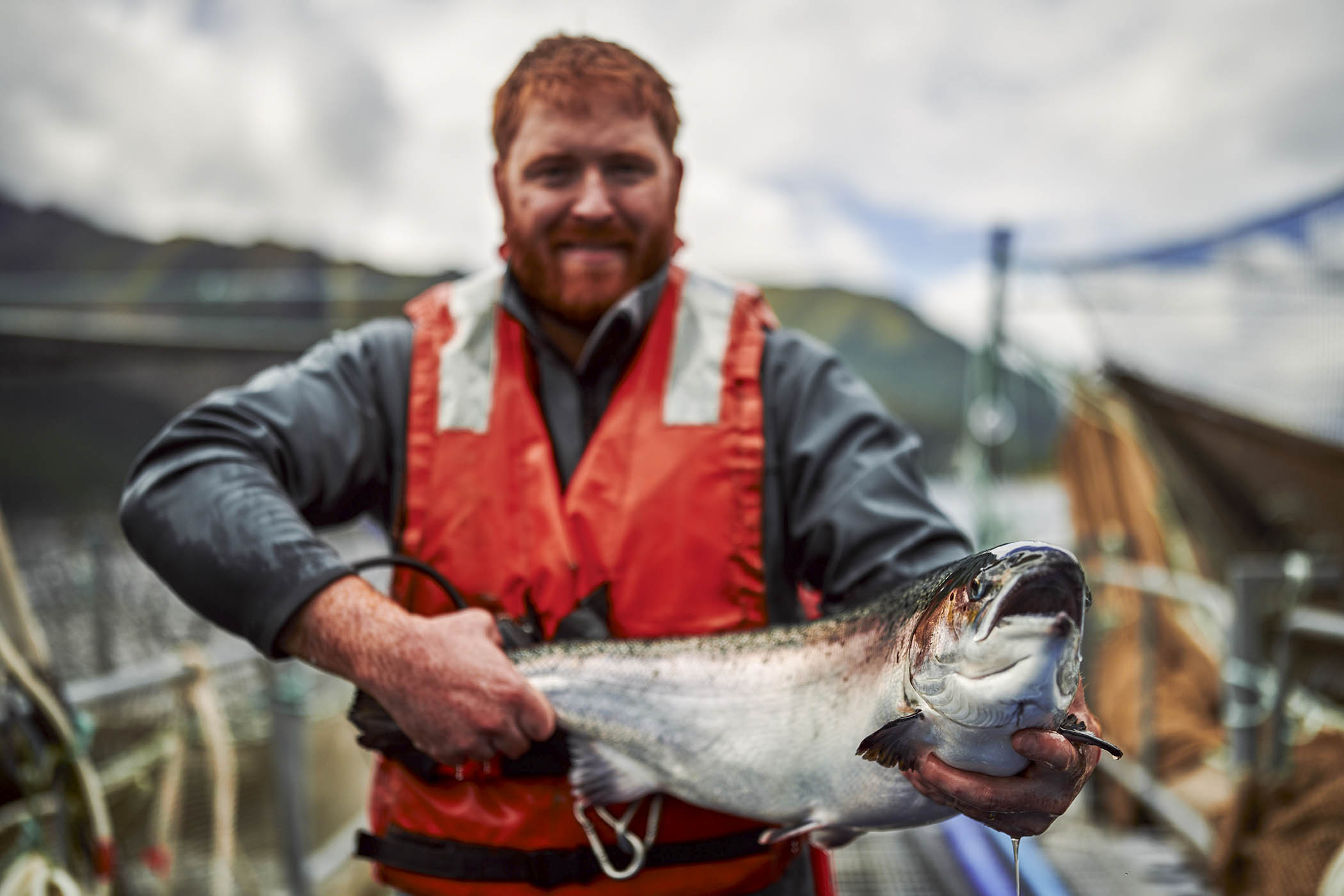



An attempt to compensate salmon-lovers who might have been overcharged for farmed fish risks being derailed after it emerged that legal costs would dwarf the payouts for supermarket shoppers.
The case, which involves an alleged price-fixing cartel of salmon suppliers and is one of Britain’s biggest consumer suits, could result in tens of millions of pounds for lawyers but as little as £1.61 each for those who bought the fish.
The salmon claim involves producers that allegedly formed a cartel to drive up the prices of farmed salmon between 2011 and 2019, including produce supplied to UK supermarkets. Up to 44 million British consumers are automatically included in the claim.
The European Commission published a preliminary view in January 2024 that certain salmon producers had distorted competition during the period but a final ruling has not been made. The companies deny wrongdoing.
The class action case filed in the Competition Appeal Tribunal (CAT) seeks up to £382m from Norwegian salmon farmers on behalf of consumers who were overcharged. Large UK supermarkets are also taking legal action against the companies, which deny wrongdoing.
Collective actions under competition law were introduced under the Consumer Rights Act 2015. There are concerns that a system that was devised to provide compensation to the public has instead become a vehicle for disproportionately large payments to lawyers and litigation funders.
The tribunal last month refused an order required for the salmon claim to proceed, highlighting the large legal costs and the challenges involved in compensating millions of consumers. It did not strike out the claim, which will now be resubmitted.
Anne Heal, the director of Waterside Class Ltd, which is pursuing the claim on behalf of consumers, said: “This claim was brought to secure compensation for millions of consumers who may otherwise have no realistic way to recover those losses. We will now consider the tribunal’s guidance carefully.”
The consumer claim in the CAT is against the salmon producers Mowi, Grieg Seafood, SalMar ASA, Lerøy and Scottish Sea Farms.
It emerged in the proceedings that the proposed legal costs for the claimants would exceed £15.7m plus VAT, while the individual consumer loss was between £1.61 and £8.77 a person. (This would be the amount paid out if every consumer entitled to compensation made a claim.) Erso Capital, the litigation funder, would be entitled to claim up to five times its initial outlay in the event of a successful claim.
Newsletters
Choose the newsletters you want to receive
View more
For information about how The Observer protects your data, read our Privacy Policy
The tribunal noted that Heal, a former director of regulatory affairs at BT, was charging £300 an hour, and in any trial her charges could be in excess of £50,000. Heal said her wish was to serve the public interest. Her legal team said she would be willing to cap the amount charged at £900 a day.
Last month’s tribunal judgment stated that outcomes that appear predominantly for the benefit of lawyers rather than consumers were not in the public interest.
“The salmon case is not unique,” said Seema Kennedy, executive director of the Fair Civil Justice campaign, funded by British business. “It speaks to the core issue of the UK class action regime, where the commercial incentives of litigation funders and law firms eclipse genuine consumer interests.”
In one case involving Stagecoach South Western Trains, a £25m settlement involving alleged ticket overcharging was agreed, with the claimant representative accruing legal costs of about £18m. Only 7,290 valid consumer claims were made, resulting in a payout of £216,725. The tribunal’s view was that the case could not be considered a success overall.
In another collective action, Mastercard settled a collective consumer action in December 2024 for £200m without any admission of liability, far below the £10bn claim. About 44 million people are eligible, meaning that in the unlikely event they all come forward, they would be entitled to £2.27 each. A cap was proposed on payments of £70 a person, but litigation funder Innsworth Capital Ltd has challenged the distribution of the funds.
Heal said her fees had been benchmarked against similar claims. She added that for such claims to be pursued there needed to be a funding structure and a means through which lawyers could be paid. She said: “Even though the compensation per customer is relatively modest, the claim is still just. The alternative is that any alleged overcharges simply remain with the companies accused of wrongdoing. Consumers will come first in the event of the claim succeeding.”
Erso Capital said: “External funding allows consumers to bring a case to seek compensation and provide the necessary counterweight to the alleged anti-competitive conduct. Litigation funders bear the risk of losing all of their investment if a case is unsuccessful.”
A spokesperson for Grieg Seafood said it denied the allegations made against it and it considered the consumer claim was “flawed and without merit”. The four other salmon companies have been contacted for comment.
The Department for Business and Trade is to consult later this year on changes to the collective action regime to make it operate more effectively and deliver better results for consumers. Separately, the Law Commission is examining the risks and benefits of a wider consumer class action regime.
A government spokesperson said: “The opt-out collective actions regime is an important part of offering redress for consumers that have suffered as a result of competition law breaches. That’s why we launched a review to consider how it might be improved, and we have committed to consult on proposals for reform in the coming months.”
Photograph by Matthew Lloyd/Bloomberg via Getty Images