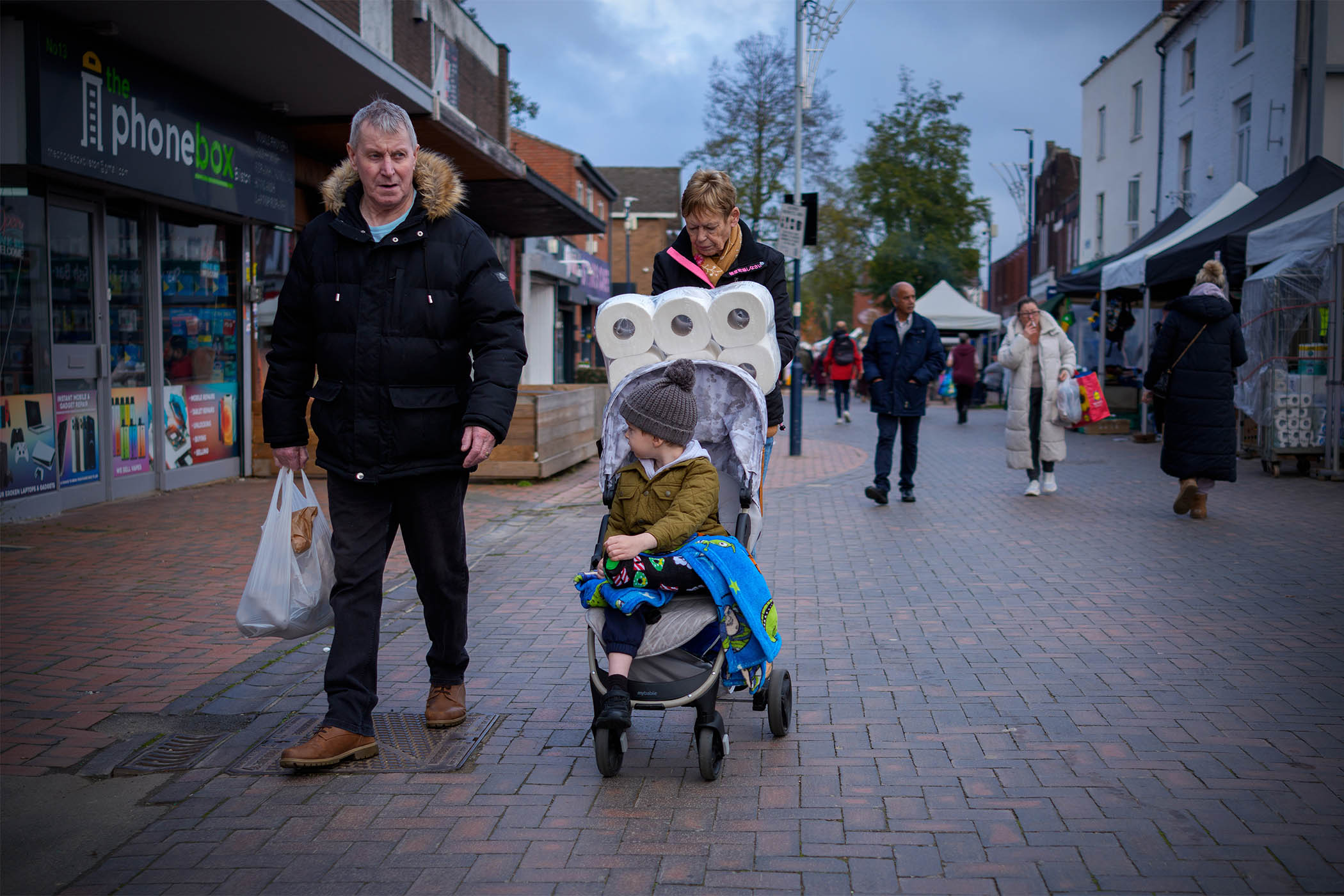

For the British public, the cost of living crisis has become a marathon, not a sprint. Households have cut spending on bills by £23 this quarter, but are still £56 worse off per month than the previous three months, according to MoneySuperMarket’s Household Money Index, the price-comparison site’s analysis of the UK’s everyday living expenses.
The latest figures, shared exclusively with The Observer, paint a gloomy picture for the incoming occupants of both 10 and 11 Downing Street.
Households are reporting that take-home pay is down £79 per month, against the previous quarter, and spending has not been boosted despite savings in energy (-7%), water bills (-7%), health insurance (-7%), home maintenance and repairs (-7%), fuel (-6%), broadband (-3%), and TV and music streaming services (-3%), leading to fears of future cost increases caused by economic uncertainty.
“People are being really industrious and trying to make savings where they can, but even though they’re spending less they don’t feel better-off,” says Kara Gammell, personal finance expert at MoneySuperMarket. “Take-home pay has fallen. One in five people say that getting to the end of the month without using their overdraft is unachievable. People are putting money into savings to prepare for winter fuel bill increases, cutting back on holidays to do so.”
Since the price of petrol jumped following Donald Trump’s attack on Iran, households have carefully managed fuel spending but reported spending increases on things such as life insurance (+15%), pet insurance (+4%) and car insurance (+2%).
The survey found household income after tax has fallen by 3% from an average of £27,358 to £26,406. Office for National Statistics (ONS) figures, gathered in a different way, are more optimistic, suggesting pay has grown 0.1% in June. According to the ONS Opinions and Lifestyles survey for May, the most recent available, 89% of adults believe the cost of living is the most important issue facing the UK.
Although the spending patterns identified by MoneySuperMarket are typically signs of an impending recession, economists to whom The Observer spoke did not expect the UK to fall into recession this year.
“If there’s any light at the end of the tunnel it’s that we do know that petrol prices have started to fall back,” says Paul Dales, chief economist at Capital Economics. “Unless, of course, Trump and Iran carry on the way they have over the last few days. Households have to buckle up and get through the next six months, then things should be a little bit better. Burnham’s taken over at the worst point for the economy, which means that the upside and the upswing is yet to come. If England were to win the World Cup, of course, that would change everything.”
What are your thoughts on this? Send us a letter to letters@observer.co.uk
Photograph by Christopher Furlong/Getty Images
Newsletters
Choose the newsletters you want to receive
View more
For information about how The Observer protects your data, read our Privacy Policy