

Events in the Middle East this week saw European gas prices double, before subsiding a little. Much less than the fivefold rise when Russia invaded Ukraine, but not small. Stonehaven energy analyst Adam Bell calculates that, if sustained, UK domestic gas prices will rise by a quarter this autumn.
Gas is hard to move any distance because it must be compressed into a liquid before transport. That is complex, as are the ships that carry it. Disrupting the gas supply chain therefore has big price implications.
This is why we need diversified suppliers. Since Russia’s invasion of Ukraine, the UK relies primarily on pipes from Norway, which supplies North Sea gas, as well as liquefied gas from the US and Qatar, the latter supplying 8% of our LNG imports.
Qatar’s output may be limited for some time. Predicting what will happen in the Middle East – especially with outside nations involved – is a fool’s game. Whatever the outcome, having only three suppliers makes us vulnerable.
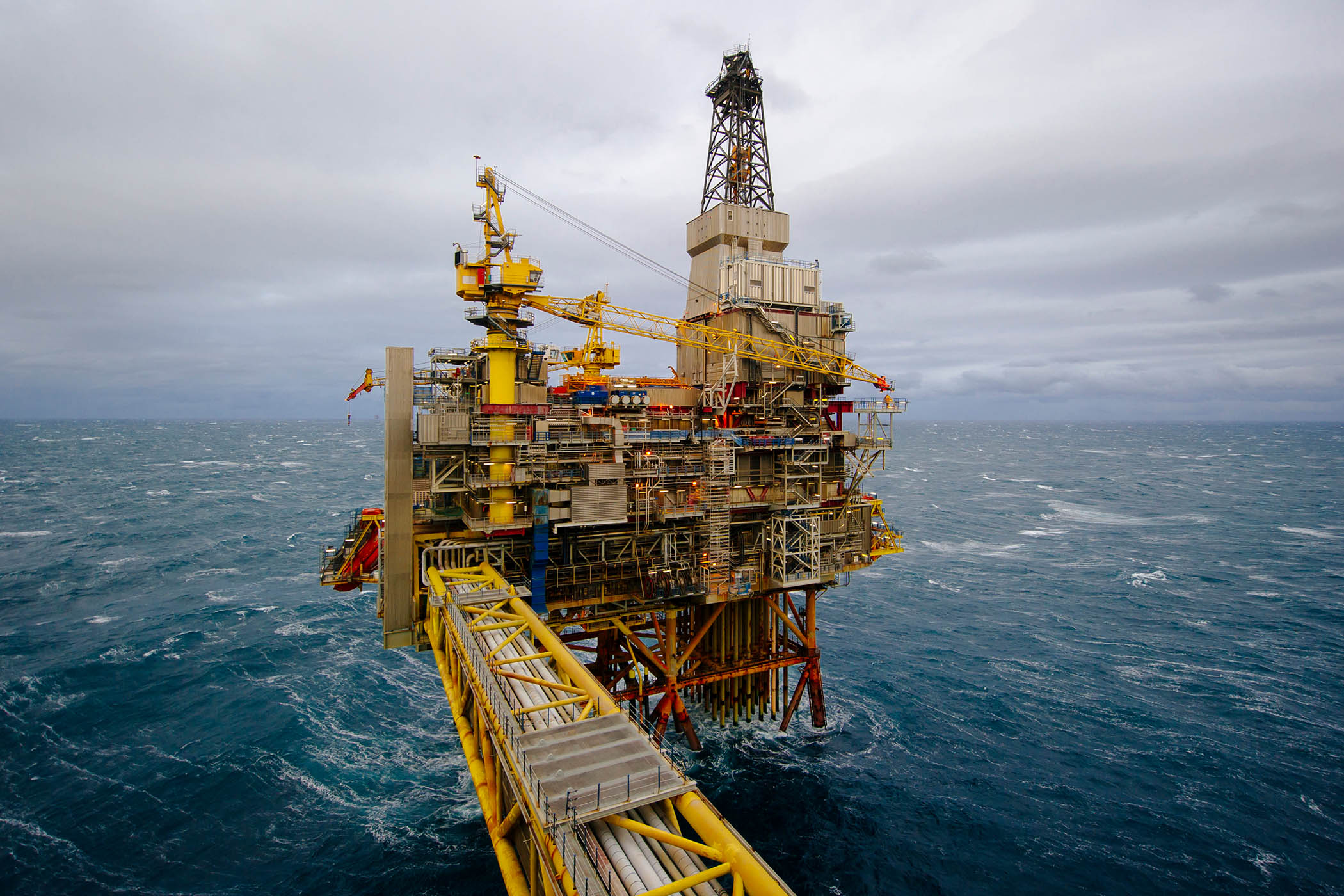
We should look again at our own gas. Not at fracking – madness in a crowded country – but rather to the North Sea. Norway continues to explore and develop gas fields there, and we should too.
Let me be clear: this gas would sell at the world price. It is not a route to cheap energy, and rightwing politicians who claim otherwise are either liars or fools. Nor is it a route to energy independence, because there isn’t enough gas in the North Sea to achieve that.
The principal rationale is that the UK taxes North Sea gas. The chancellor is rightly committed to abolishing the excessively high current tax regime, introduced when prices went sky high following Russia’s invasion, but she is committed to replacing that with a more sensible windfall tax, in line with standard international practice. Then if prices go through the roof, the government gets a chunk of tax revenue that it can use to cover some of the extra energy costs we would all face. In effect, being a producer as well as a consumer is a form of insurance.
There is, however, a second benefit. If Qatar is out of the picture, we will be very reliant on America for gas. President Trump is a man of deals – and access to US gas would be a great bargaining chip for him. Might he require that US air force planes based here could be used for any mission, without having to ask us for permission? Would we be asked to fund the US military, until we have increased our defence spending to levels the US approved? Or promote free speech according to US definitions that few here support? Who knows, but these are plausible. But if we need US gas this winter, we will find ourselves between a rock and a hard place in any negotiation. Being able to keep the lights on and our houses warm without relying on the goodwill of the US is a sensible strategic aim. Although little can be achieved by this autumn, this strategic freedom is another reason to allow more North Sea exploration.
Many agree, and not just the usual suspects. Octopus CEO Greg Jackson is in favour. Even the Liberal Democrats, the most consistently green of the large parties, agree that this is the right way forward, in part for the sort of security reasons mentioned above.
Perhaps most surprisingly, arch-environmentalist and founder of Ecotricity, Dale Vince, who funded Just Stop Oil, believes we should extract more gas from the North Sea from existing fields.
Newsletters
Choose the newsletters you want to receive
View more
For information about how The Observer protects your data, read our Privacy Policy
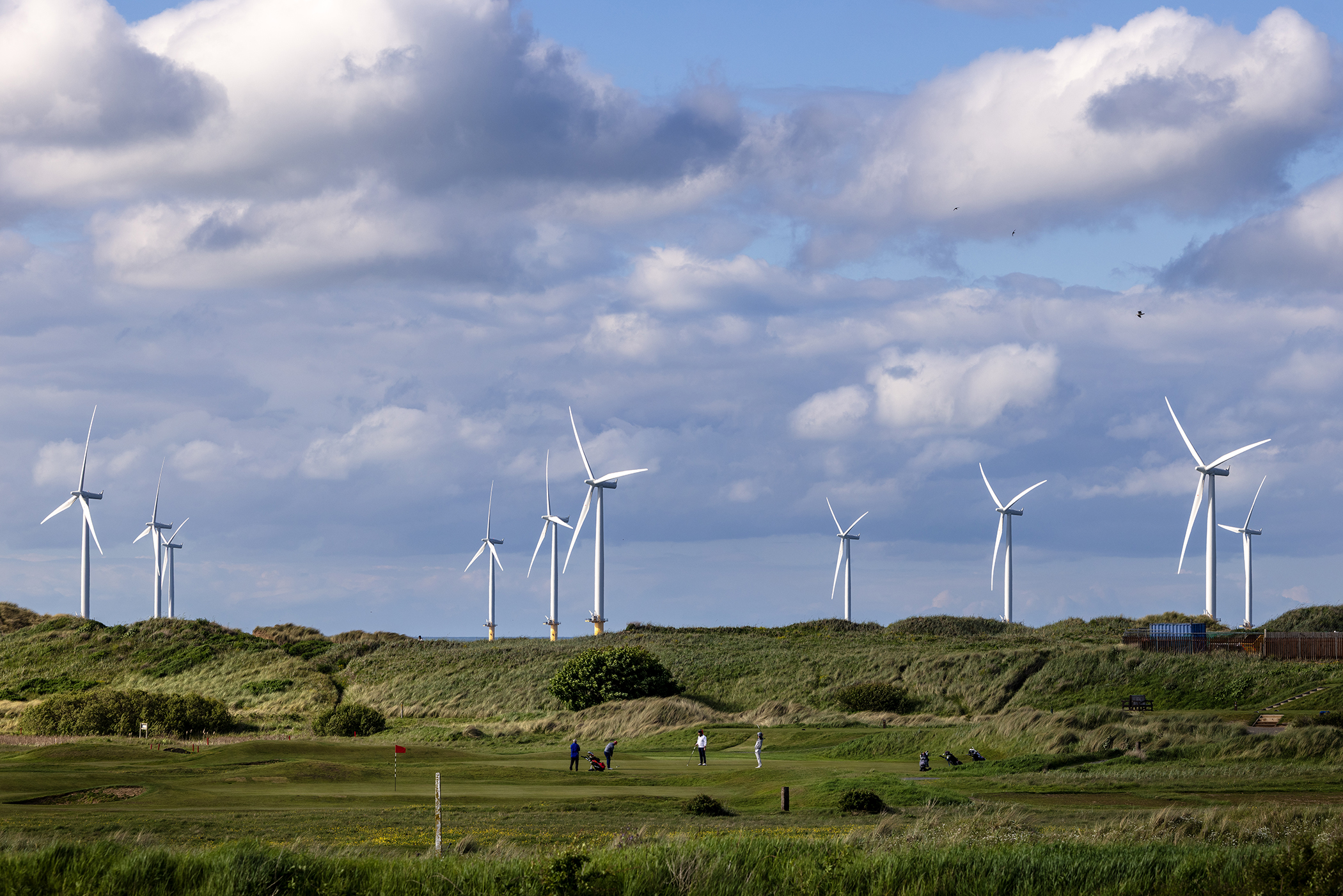
This week’s gas price rises remind us that our long-term future must be based on renewables. Indeed, the recent wind energy contracts look much better value than a month ago. In the meantime, however, extracting more gas from the North Sea is in our country’s interests.
Tim Leunig is chief economist at Nesta, the innovation agency
•
This article has been amended since publication to add the words "from existing fields" in relation to Dale Vince's stated position on gas extraction from the North Sea.
Photograph by Kristian Helgesen/Bloomberg via Getty Images