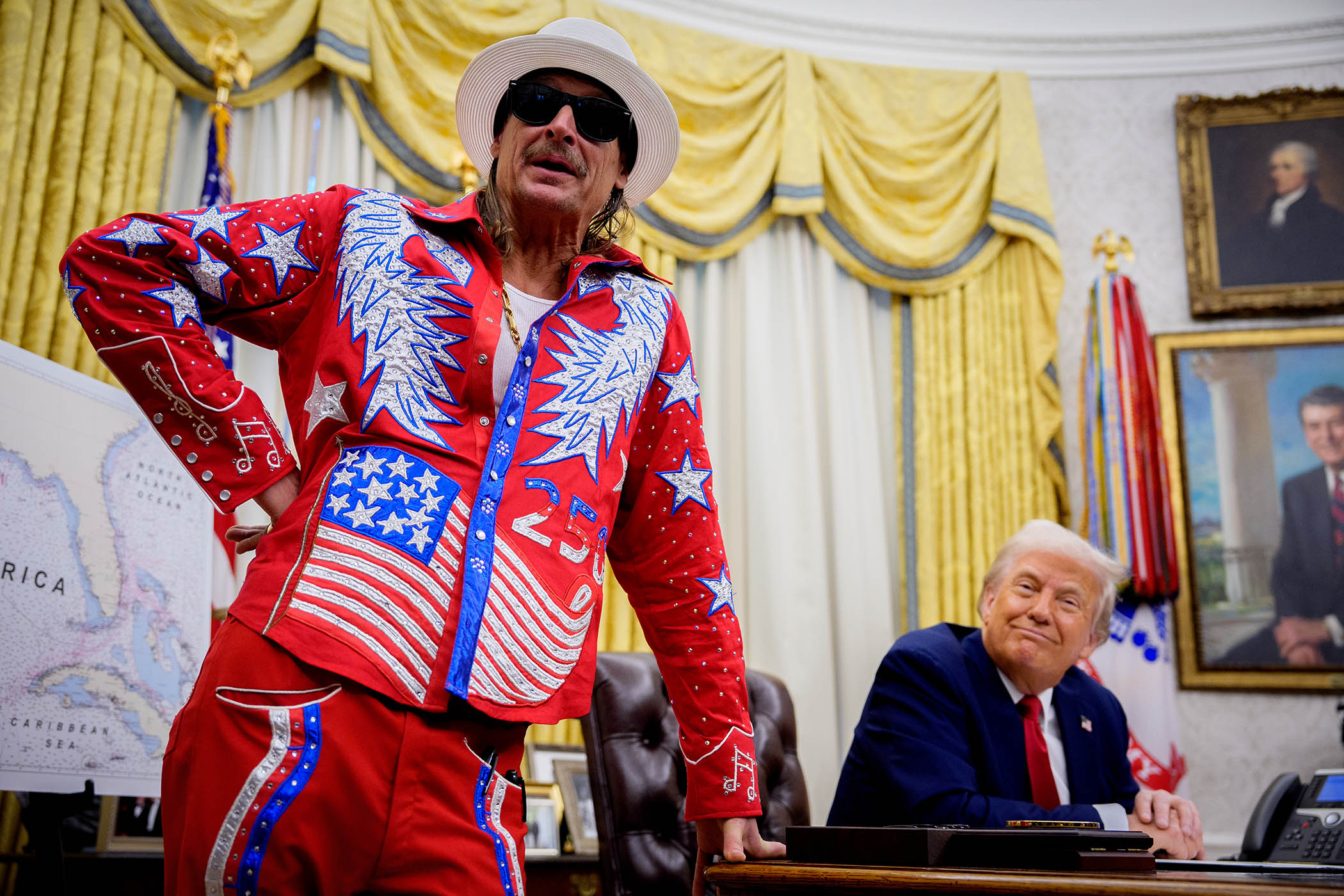


Rapper-turned-country-music star Kid Rock is beloved by the Make America Great Again (Maga) movement.
The singer, born Robert Ritchie, headlined a recent conservative concert screened during the Super Bowl as an alternative to the pro-immigration official half-time show performed by rapper Bad Bunny.
But it is not just his music, with patriotic songs such as Cowboy and Born Free, that has made Kid Rock popular with Donald Trump’s base: he is also a voice of Maga industrial policy. On Tuesday, a trial began in New York that is a key test of whether the more pro-consumer anti-trust policy begun under Joe Biden and amplified under Trump can succeed in the courts.
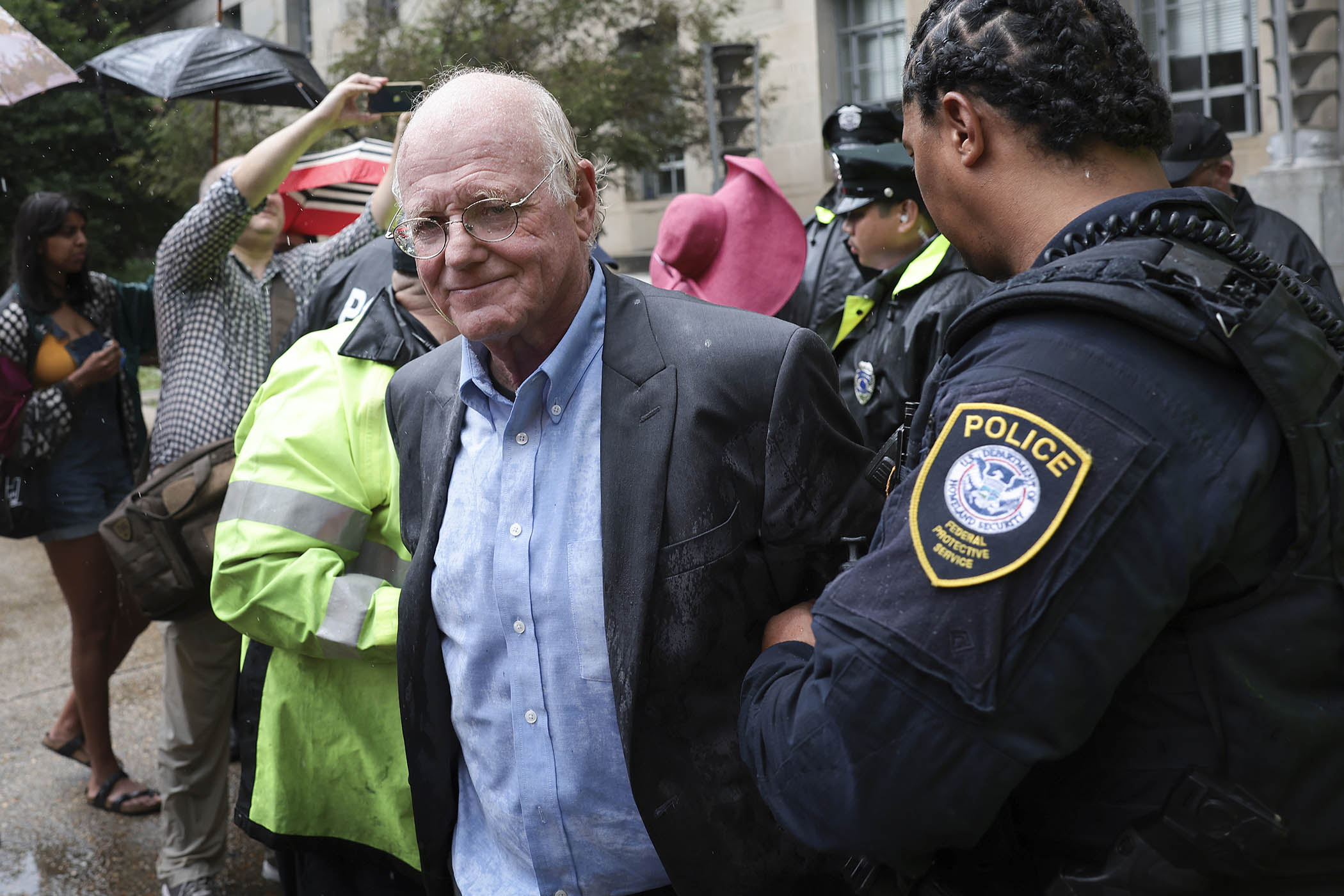
Kid Rock is due to testify for the government, which wants to break up events business Live Nation, owner of Ticketmaster, which it says runs an illegal “flywheel” monopoly, with an 86% share of some markets, controlling venues, promoters, and ticketing.
The Kid, who will share the courtroom stage with Ben Lovett of Mumford & Sons, may reprise some of the greatest hits from his testimony to Congress in January. “Unlike most of my peers, I am beholden to no one, no record companies, no managers, no corporate endorsements or deals,” he told senators. “I ain’t scared, like many artists, managers and agents are, for fear of biting the hand that feeds them.”
A self-styled capitalist, lone wolf and libertarian, this is not Kid Rock’s first business-controversy rodeo. His use of the Confederate flag at shows prompted activists to target Chevrolet for sponsoring his tours. In 2023, he backed a conservative boycott of Budweiser for partnering with a transgender influencer – though this didn’t stop him drinking and selling Bud Light in his Nashville bar. Tickets for his current tour are still available from Live Nation.
Old Dragons don’t ignite young British entrepreneurs
Barely half of young people in the UK say they feel proud when British entrepreneurs succeed, compared with two-thirds or more of those aged 50 and above, according to a recent report by Enterprise Britain.
Success by a UK entrepreneur fills only 56% of 18- to 24-year-olds with pride, and 64% of those aged 25-49. That rises to 80% among over-65s. There is a similar age gap in pride when any British business succeeds.
Enterprise Britain, launched last month, describes itself as a “new movement of entrepreneurs, business leaders and investors who feel compelled to act now to build a better future for the UK”.
Co-chaired by entrepreneurs Stephen Fitzpatrick and Brent Hoberman, its report, Time to Act, contains lots of ideas to get Britain out of its economic “doom spiral”, including prioritising investing in developing ambitious leaders.
Newsletters
Choose the newsletters you want to receive
View more
For information about how The Observer protects your data, read our Privacy Policy
There are specific proposals to revive the entrepreneurial spark among younger people, including making entrepreneurship part of the core educational curriculum. It supports the creation of an “Enterprise Passport”, a digital record for young people to promote their extra-curricular activities, such as running a small business. And they call for a campaign to create visible entrepreneurial role models for the next generation to aspire to.
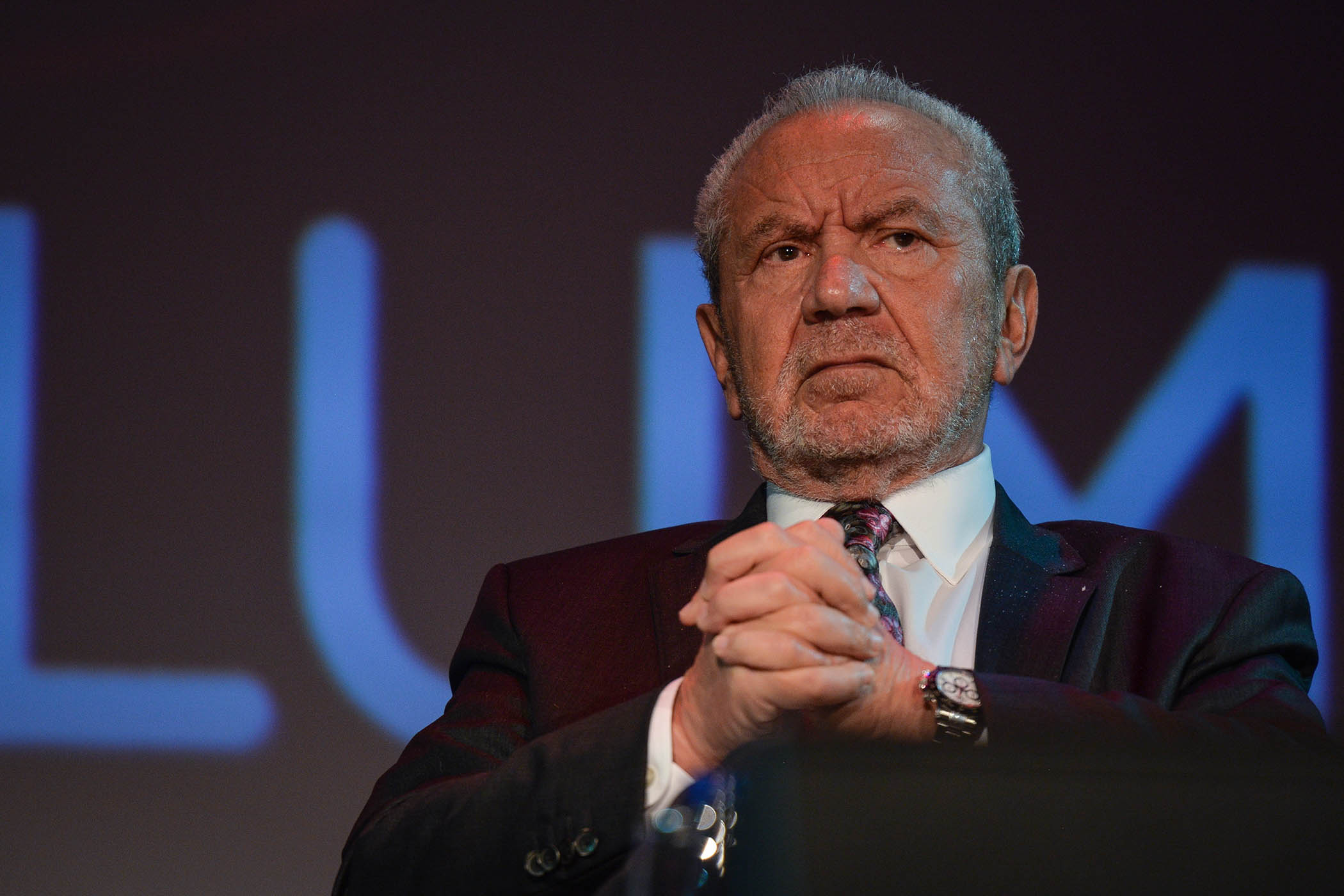
A good place to start this campaign would be to retire the aging role models who dominate popular TV business shows. Lord Alan Sugar, host of The Apprentice, is 78, and while Steven Bartlett on Dragon’s Den is 33, the other regulars are 60 or older. Sir Demis Hassabis, 49, founder of Google DeepMind, might be too busy, but relative to its size, Britain is home to more purpose-driven B Corporations than any other country, most of whose founders are young. Make role model stars out of some of them.
Revolut eyes US market for IPO
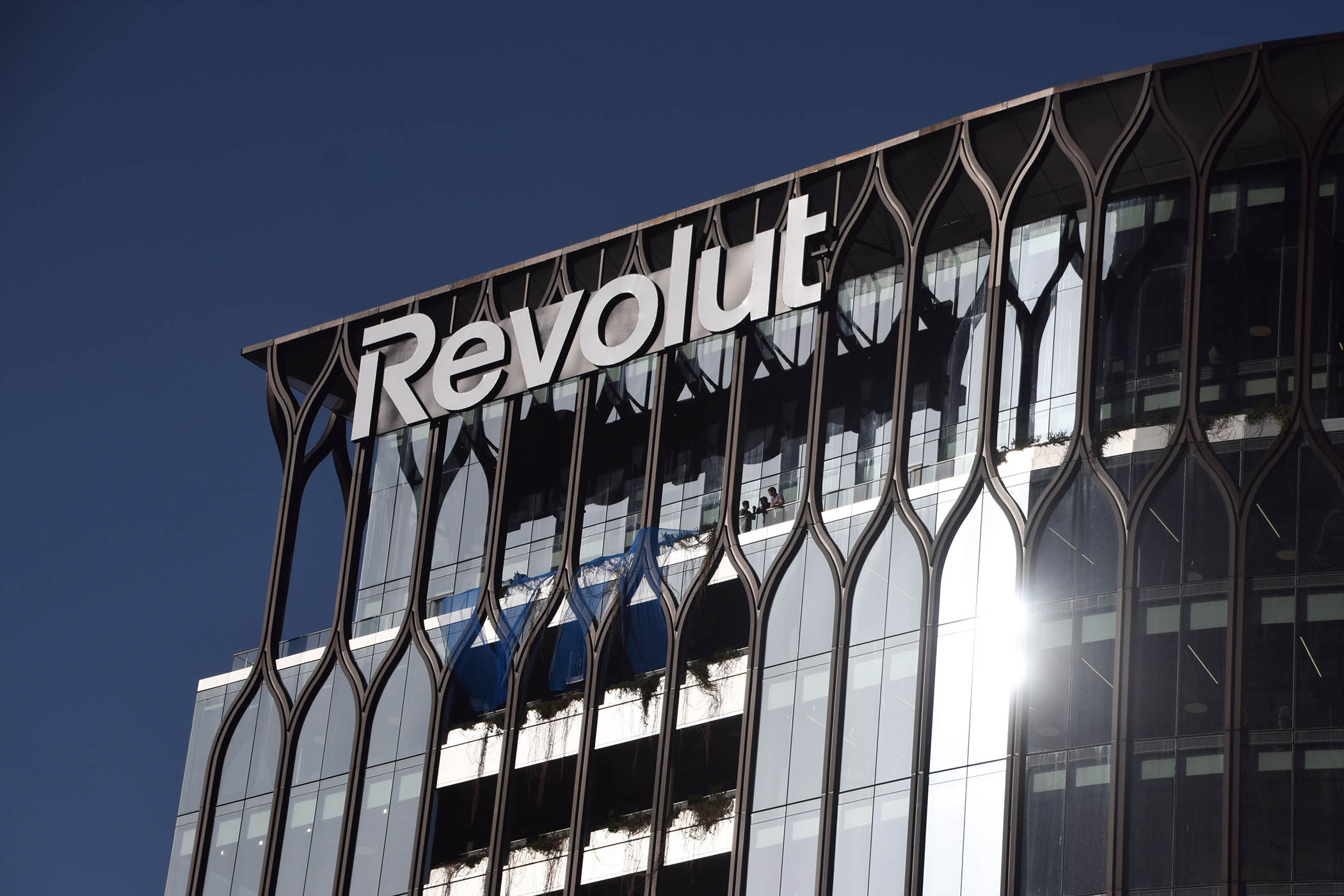
Founded in London in 2015, fintech giant Revolut is poised to take another significant step towards pulling off the biggest-ever initial public offering by a British company.
What started as a cheap currency exchange platform now has over 70m customers in more than 40 countries. One of Europe’s leading unicorns, it was valued at $75bn in November at its most recent fundraising round – putting it in the same bracket as British banking giant Barclays – and would expect an even higher number at IPO.
The next step in its strategy is entering the vast US market. On 5 March , the digital “bank”, as it describes itself, said it had applied for a national bank charter from America’s Office of the Comptroller of the Currency and its Federal Deposit Insurance Corporation.
Anticipating that the Trump administration’s enthusiasm for fintech will speed things along. It hopes to get approved far more quickly than the three years it has taken, so far, to get a banking licence in the UK. This is still a work-in-progress, with authorisation granted in 2024 subject to completing the current “mobilisation” phase of building its banking infrastructure, having already significantly upgraded its corporate governance.
Revolut has now abandoned plans to enter America by acquiring an existing US bank – which might have brought with it all sorts of legacy issues along with its licence.
This US move, which will allow it to offer government-insured deposits to US customers, should healthily increase the value of Revolut’s IPO, expected later this year. But it is already adding to speculation in the City that it will choose to list in New York, not London – or at least opt for a dual listing in both markets. Does the British government, which has already showered Revolut with incentives to list exclusively here, have anything else it can offer?
Photograph by Andrew Harnik/Getty Images, Artur Widak/NurPhoto via Getty Images, Vuk Valcic LightRocket via Getty Images