
GLP-1 agonist jabs, such as Wegovy and Mounjaro, have changed how people eat, drink, smoke – and shop. Now supermarkets and food retailers are bracing for another wave of diet-conscious shoppers, after research found that a new GLP-1 pill, approved this month, could more than double the number of users in the UK.
Figures from PwC, published last week, showed that a new Wegovy tablet first approved for weight loss in the UK could increase the number of British GLP-1 users from 3 million to 7 million – roughly 10% of the population.
Supermarkets and food retailers have already felt the force of shoppers’ changing habits. Research from Worldpanel by Numerator shows that GLP-1 users’ dwindling appetites mean they are spending £418 less per household than non-users – wiping £780m off UK grocery bills.
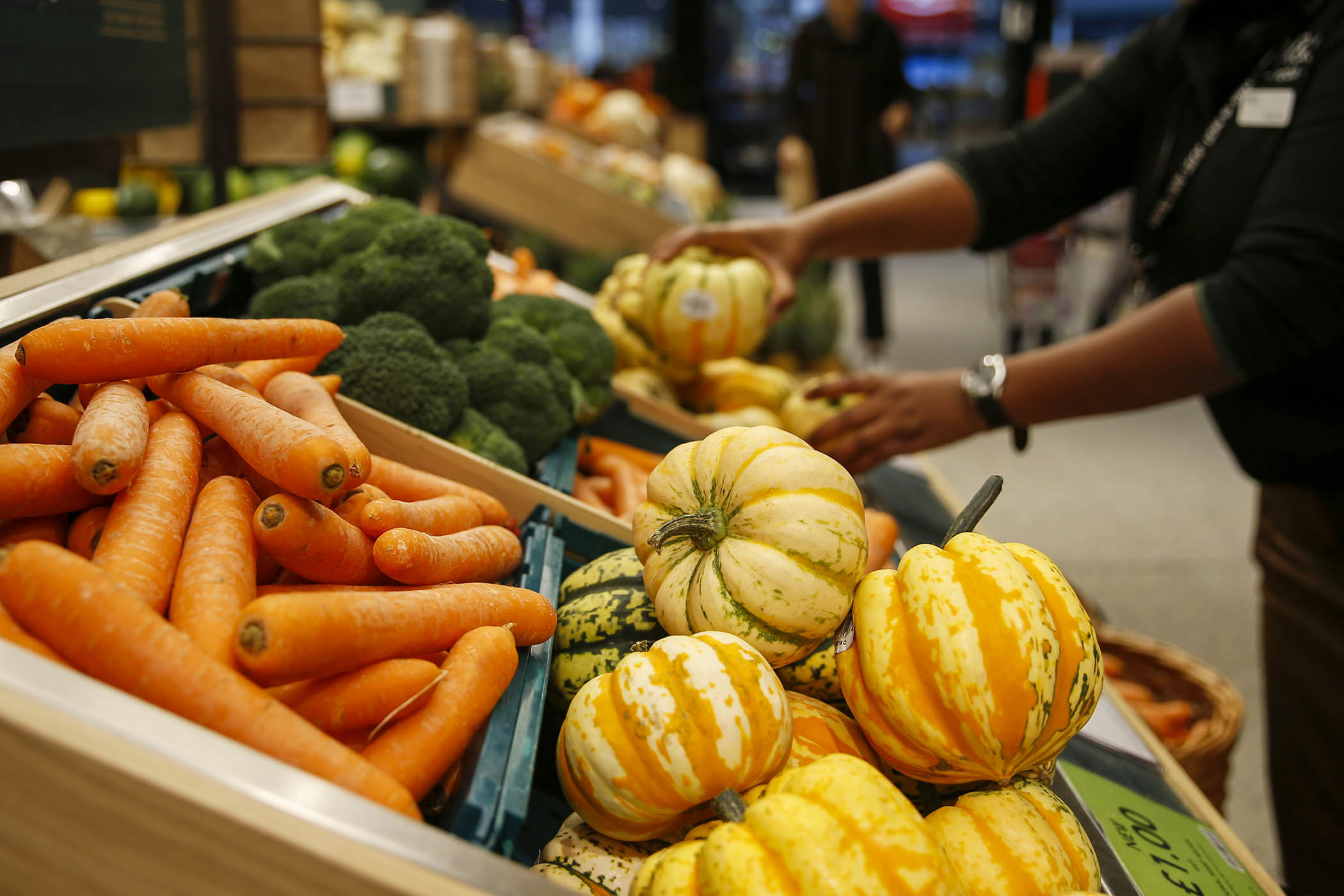
But it’s not just about how much GLP-1 users eat – it’s also about what they eat. It’s well documented that they are more interested in fresh foods, such as fruit and vegetables, than in snacks – but, says Chantel Kennaugh, head of public sector and nutrition at Worldpanel, tastes vary within categories. Among sweet treats, for instance, sales of “ambient cakes” (cakes that aren’t refrigerated) have fallen by 14 percentage points, but mini rolls (small individually wrapped cake bars) have risen by 11 percentage points.
“They’re portion-controlled, making them more manageable for reduced appetites,” Kennaugh said. “They’re less perishable, offering more flexibility in consumption.”
The Worldpanel research also found that one of the most common side effects of GLP-1 drugs, a dry mouth and bad breath known as “Ozempic mouth”, has led to a 20 percentage point rise in spending on mouthwash, and a 24 percentage point rise in spending on chewing gum.
Supermarkets are rightly concerned, said Jonathan de Mello, a retail analyst and the founder of JDM Retail. He pointed out that fresh foods yield lower margins for retailers than snack foods. “It costs money to get fresh food from farm to supermarket,” he said. “If people are cutting down on snack usage, the supermarkets need to think about how they get significant income from these smaller pack sizes.”
To cater for smaller appetites, many retailers have launched new ranges with smaller portion sizes but higher densities of protein and nutrients. In December, Marks & Spencer unveiled its “Nutrient Dense” range – salads, snacks and meals “packed with fibre, vitamins and minerals” – which includes a £7 Satay Chicken ready meal and £2.75 Super Seeded Crackers. Sainsbury’s, Boots, Morrisons and the Co-op have all launched similar lines.
They are wise to look for ways to engage these shoppers, although they may be on the wrong track. Leigh O’Donnell, head of shopper and category insights at Kantar, said her research showed a staggering 41% of UK users have switched to a new “go-to” supermarket since they started taking GLP-1s.
Overwhelmingly, these shoppers have switched to two retailers, she said. Tesco is seen by GLP-1 users as having fresher groceries and good deals on the smaller product sizes they are looking for, while Asda is regarded as having healthier non-food options, such as vitamins and healthy lifestyle products, and supporting customers to achieve their health goals.
Newsletters
Choose the newsletters you want to receive
View more
For information about how The Observer protects your data, read our Privacy Policy
It’s that support factor which may be what ultimately gives retailers the competitive edge. In the US, retailers are seeing more loyalty among GLP-1 users when they “offer educational programmes”, said O’Donnell. Walmart, for instance, has a GLP-1 support platform offering advice on weight loss and fitness advice, and even recipes.
In the UK, Kennaugh said she was seeing evidence that shoppers are increasingly seeking this sort of support. As the new pill causes the number of GLP-1 users to soar, she said, “the retailers that respond best to that demand, in the most convenient way, will be the retailers that win”.
Photograph by Hollie Adams/Bloomberg via Getty Images