

The run-up to last week’s local elections was dominated by angst in the financial markets about any perceived move to the left on the part of Labour. But that has been the party’s fate throughout its ages.
Back in the 1960s, prime minister Harold Wilson complained about “the gnomes of Zurich”– a reference to international bankers and overseas investors who were perceived to be going “short of the pound” and inhibiting his growth policies. (Sounds familiar?)
While a characteristically memorable Wilsonian phrase, it told only part of the story. Fund managers and traders closer to home in the City of London also worry Labour governments. Hence, chancellor Rachel Reeves’ attempts to soothe them by limiting freedom of manoeuvre with her fiscal rules.
These were always a hostage to fortune. With the threat of a world recession resulting from President Trump's insane actions in the Middle East, the UK and other importing countries are faced with an energy crisis which brings higher inflation and lower consumer demand – ie stagflation. But financial markets are fretting that the UK is in a worse position than comparable economies. I have even heard people speculating about whether the government needs help from the International Monetary Fund.
Comparisons with the 1976 sterling crisis, when we had to borrow from the IMF, are absurd. Inflation then was 25% and, instead of paying a fraction more than other countries to issue and sell government bonds (which we do now), the government could hardly borrow at all.
Comparisons with the 1976 sterling crisis, when we had to borrow from the International Monetary Fund, are absurd
Comparisons with the 1976 sterling crisis, when we had to borrow from the International Monetary Fund, are absurd
There was what was known as a “gilts strike”: panic over public sector borrowing was such that demand for government bonds – what was known as “gilt-edged stock” – dropped.
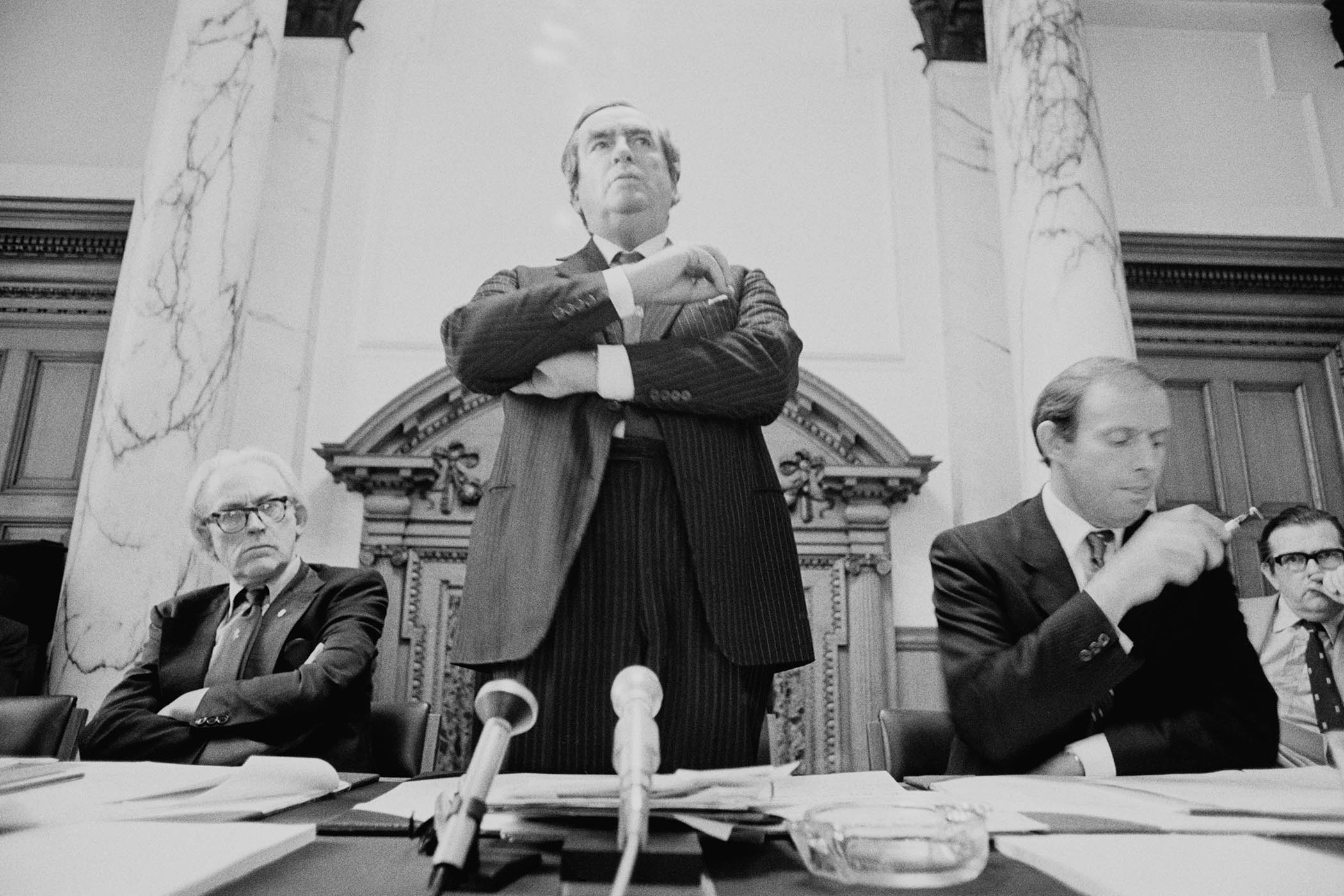
A crisis of confidence ensued. It had to be regained, and this involved reassuring the financial markets by borrowing from the IMF and winning its seal of approval. In particular, it involved winning the confidence of the key IMF shareholder, namely the United States, whose right-wing treasury secretary William Simon regarded the James Callaghan government at the time as a “bunch of lefties”.
But President Ford's White House was able to overrule the US Treasury by citing a speech delivered by Callaghan which emphasised fiscal orthodoxy. Britain’s chancellor Denis Healey was permitted to go “cap in hand” to the fund. After that, confidence was restored (and swung perhaps too far the other way). Financial markets are all too good at overreacting – in both directions.
To his dying day, Healy believed that if the original forecasts had been more accurate, he would never have needed to have recourse to the IMF. The senior official at the Treasury at the time, Sir Douglas Wass, disagreed, and wrote Decline to Fall, in which he argued that , irrespective of the forecasts, the loss of confidence in the markets was such that the IMF rescue was necessary anyway.
Incidentally, in The Observer letters column last Sunday, Nik Wood, a reader, kindly revived the memory of a fictional character I used to write about occasionally in this column, called Sir Douglas Corridor. He was based on Sir Douglas Wass.
Newsletters
Choose the newsletters you want to receive
View more
For information about how The Observer protects your data, read our Privacy Policy
Photograph by Evening Standard/Hulton Archive/Getty Images