
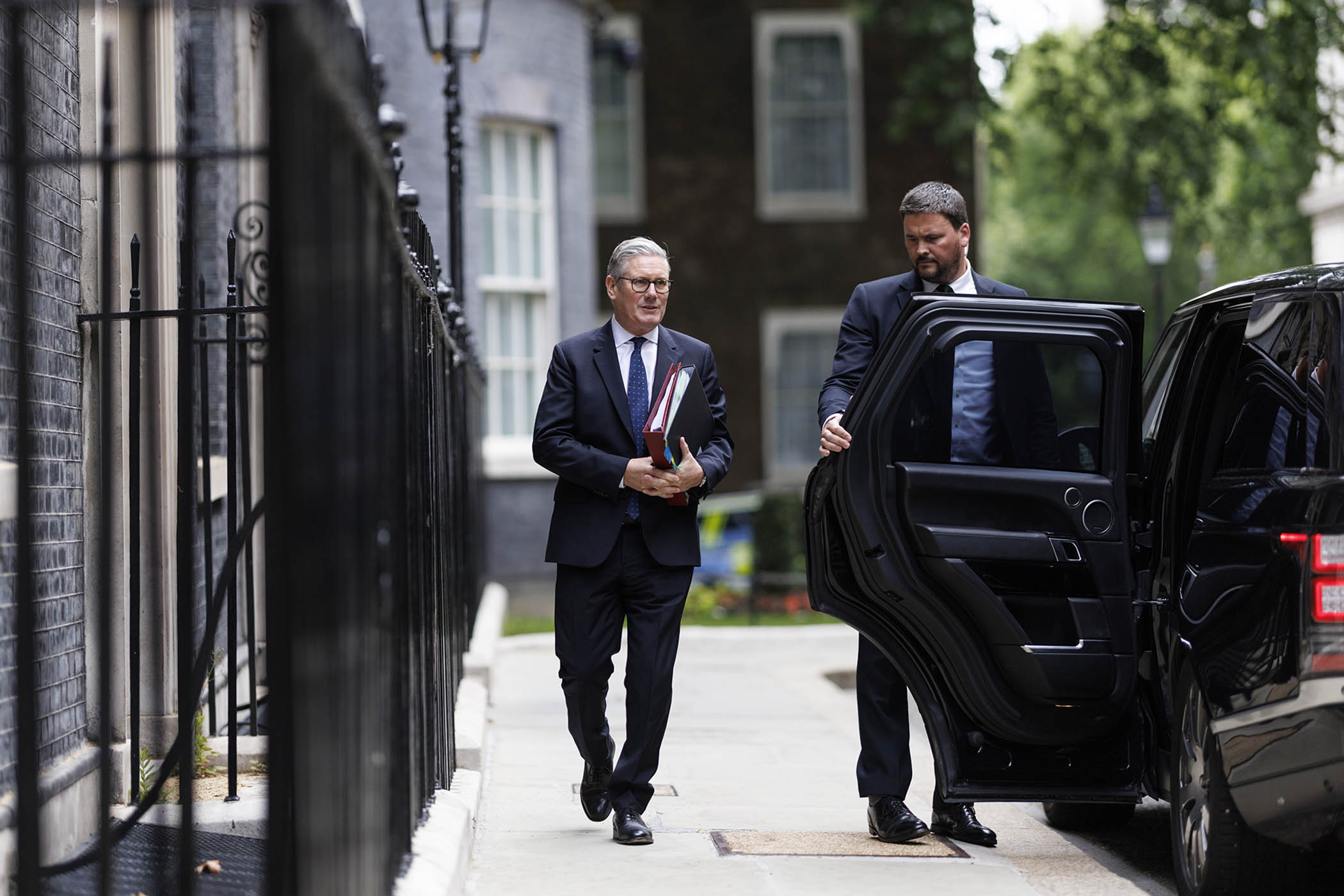
In the light of recent events, it may be appropriate to adopt military slang to describe the predicament of the prime minister. I meet some Labour MPs who wearily reckon it is a Snafu (Situation normal: all fucked up). Chaotic events that seem beyond his control have become a signature theme of the Starmer regime. Others groan that his premiership has now entered a terminal state of Fubar (Fucked up beyond all repair). The number of Labour MPs thinking his standing is wrecked to the point of being unsalvageable was already high and has just increased again.
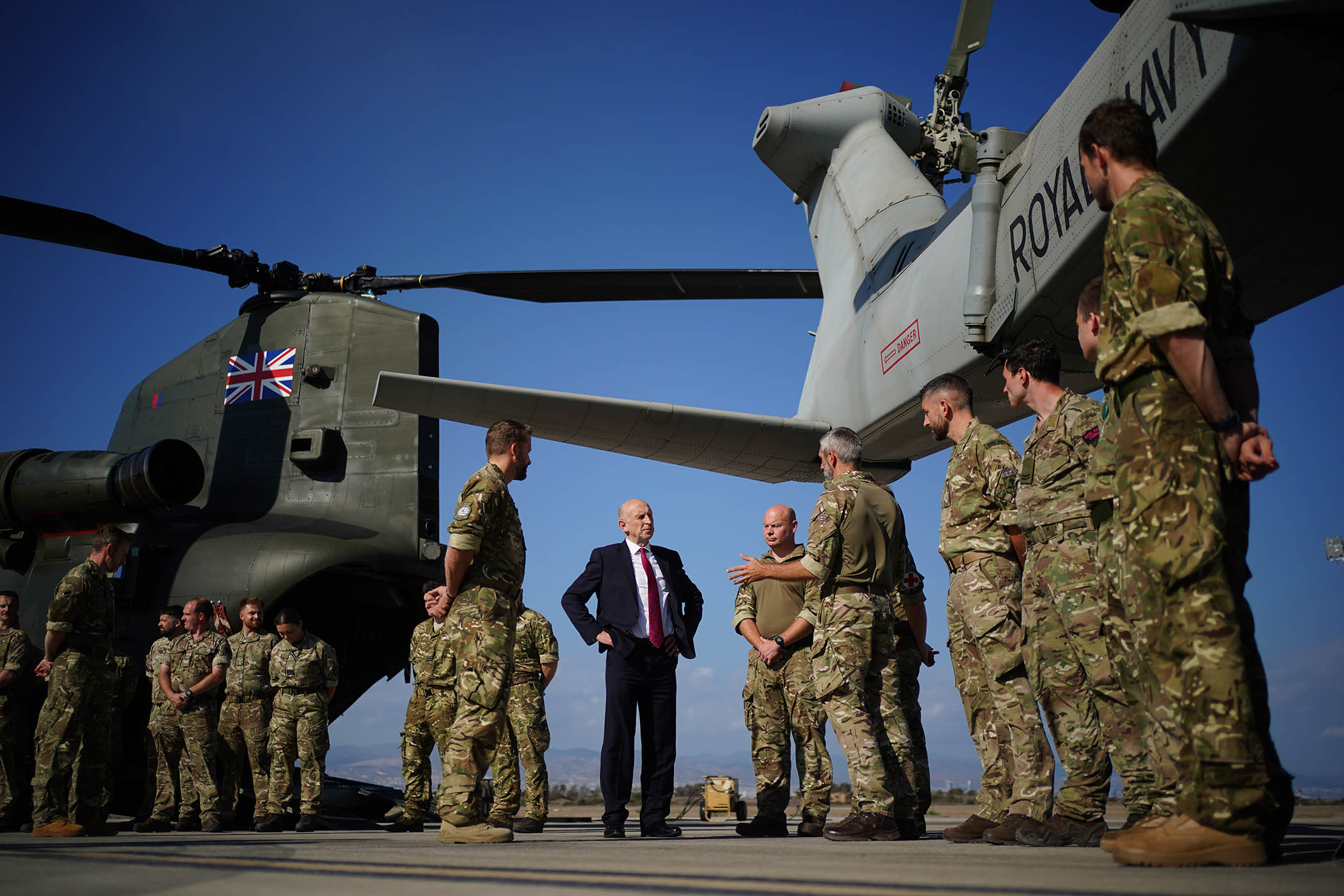
First, the defence secretary, John Healey, resigned with a devastating salvo that condemned the prime minister and the chancellor for failing in their first duty as the two most senior politicians in the land by refusing “to commit the resources that the nation needs to defend the country at this time of rising threats”. Within a few hours of that resignation, Al Carns, highly decorated former colonel in the Royal Marines, the armed forces minister and a putative contestant in the race to supplant Sir Keir Starmer, had quit as well. In another brutal parting letter, he said that the defence investment plan, which is supposed to be a multi-year blueprint for spending on the armed forces, is “not built for the threat we face” and “is neither transformative enough nor sufficiently funded”. Ouch and double ouch.
It is common for ministers to quit because of scandals. It is much rarer to see resignations from government on points of principle. Even cabinet members who remain sympathetic to Sir Keir acknowledge that it is highly damaging. Says one senior minister: “When you’re already very wounded, any additional wound is even harder to bear.”
Though most people were taken by surprise, there had been clear indications that this crisis was boiling to a head. The principal author of the strategic defence review was the former Labour defence secretary and Nato chief, George Robertson. After many months of keeping his frustrations pent up, he gave them vent in April when he made an explosive speech accusing Sir Keir and Rachel Reeves of treating the nation’s security with “corrosive complacency”. That speech was a warning of danger ahead as stark as the klaxons wailing at a nuclear power station on the brink of meltdown. The alarm was raised, but not heeded in Downing Street.
At its heart, this is a classic Whitehall clash about money. The Ministry of Defence wanted military spending taken up to 3% of GDP by 2030 on the grounds that the world has become an extremely menacing place and this is the level of commitment required to keep Britain secure and meet obligations to allies. The Treasury baulked. This is not simply an example of Ms Reeves being a bloody-minded bean counter.
The Treasury is inveterately, institutionally and often justifiably sceptical about the spending habits of the MoD, with its notorious tendency to squander resources on waste and mismanagement, especially in procurement programmes. “There is no white knight in this. There have been problems with defence from the very beginning,” says one cabinet minister. “The generals and admirals are always demanding more, more, more.” The role of the prime minister when cabinet members are embroiled in this kind of row is to hammer out a compromise that both sides can live with.
‘It is common for ministers to quit because of scandals. It is much rarer to see resignations from government on points of principle’
‘It is common for ministers to quit because of scandals. It is much rarer to see resignations from government on points of principle’
The settlement presented to Mr Healey amounted not to the £28bn over the next four years that the service chiefs argue they need, but just £10bn of new money. Allies suggest that the former defence secretary might have been able to stomach less than the full sum, but such a lowball offer was simply too humiliating to swallow. The Healey resignation is all the more striking because he is not one of politics’ troublemakers. He’s been on the Labour frontbench almost continuously since Tony Blair was leader. He is a centrist and a pragmatist. In many years of being acquainted with him, I can’t recall ever seeing him flash with temper. He is the loyalist’s loyalist, the trooper you send out to defend the line when you need a dependable frontman who won’t let his side down. When instinctive team players like this abandon the field of battle, you are in serious trouble.
The most stinging accusation in the Healey resignation letter is his suggestion that the prime minister knows “what defence needs”, but was too feeble to insist that an obstructive Treasury come up with the goods. This hurts so much because it is of a piece with the diagnosis of others who have quit the government. In the wake of the abject May election results, Wes Streeting departed the cabinet complaining that “where we need vision, we have a vacuum. Where we need direction, we have drift.”
The element of Sir Keir’s personal brand that had survived all the slings and arrows of recent months was his reputation as surefooted in international affairs and sound on security. Even Mr Streeting commended him for showing “courage and statesmanship”. Sir Keir has talked tough about standing up to Russia and strengthening Nato. The prime minister’s survival plan is predicated in part on striking a contrast between the inexperience of the pretender from Manchester and the incumbent’s record on the world stage.
That’s all horribly undermined when the defence secretary quits saying that decisions made in Downing Street “could make the country less safe”. Dan Jarvis, the former paratrooper who has been parachuted into the role vacated by Mr Healey, now has the unenviable task of promoting a defence investment plan that his long-standing predecessor has castigated as woefully inadequate. This is deeply embarrassing for Sir Keir when he has an encounter with Donald Trump and other international peers at the G7 summit in France this week and then has the Nato meeting in Turkey in early July.
Newsletters
Choose the newsletters you want to receive
View more
For information about how The Observer protects your data, read our Privacy Policy
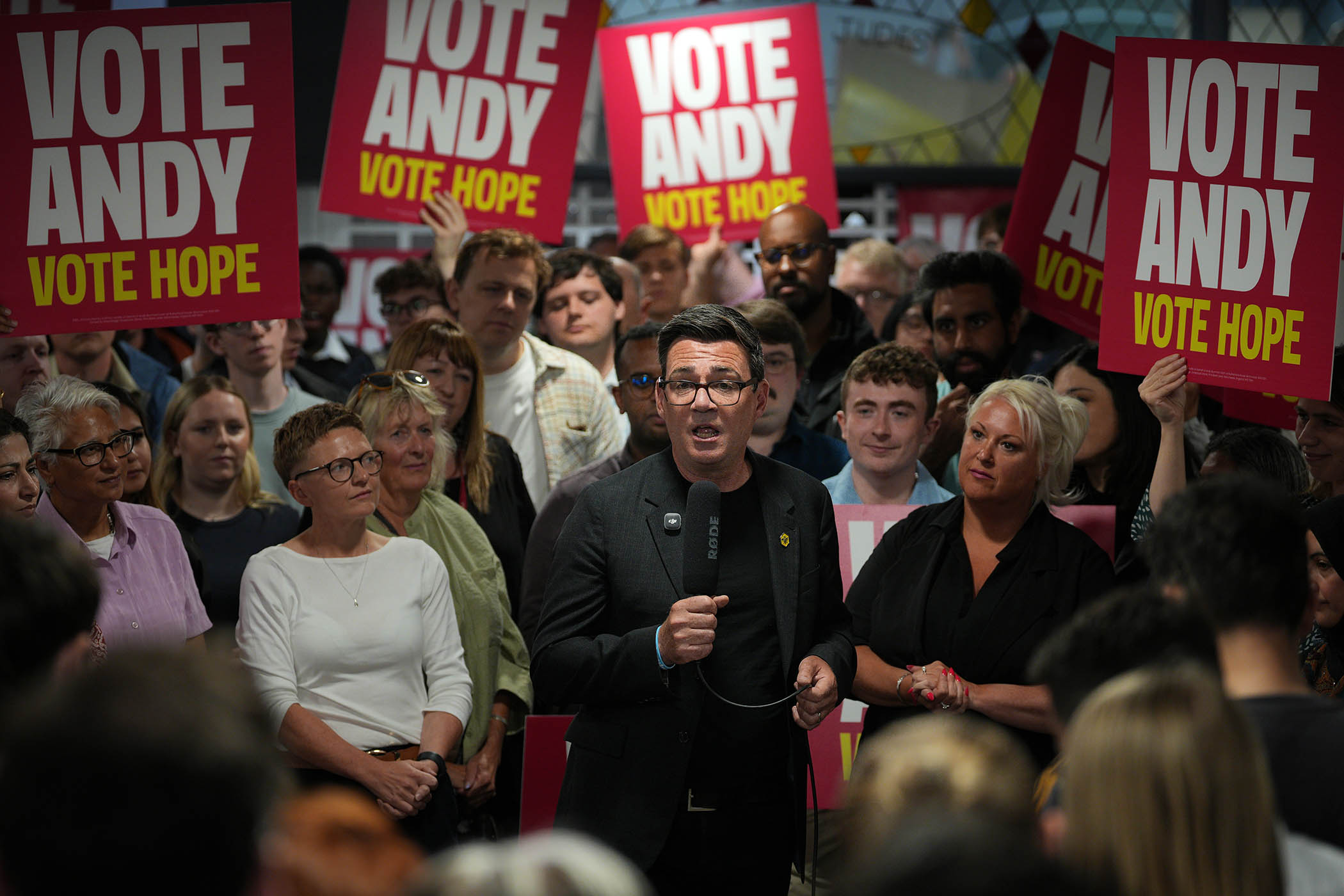
About one thing, Sir Keir is absolutely right. “There are no easy decisions,” he said on Friday. “Whoever is prime minister is going to face the same prevailing winds as I am facing.” A leadership change will not magically produce additional resources for defence – or for anything else for that matter. What’s your answer, Mr Burnham? Any suggestions, Mr Streeting? Thoughts, Mr Carns? Sorting out the dangerous mess over security will be at the top of the groaning plate of challenges facing any of the possible successors to Sir Keir. They’ll need to have a solution if they aspire to be an improvement on a Fubar government.
Thank you for reading. Tell us what you think by writing to letters@observer.co.uk
Photograph by Yui Mok/Getty Images