Photograph by Oliver Marsden
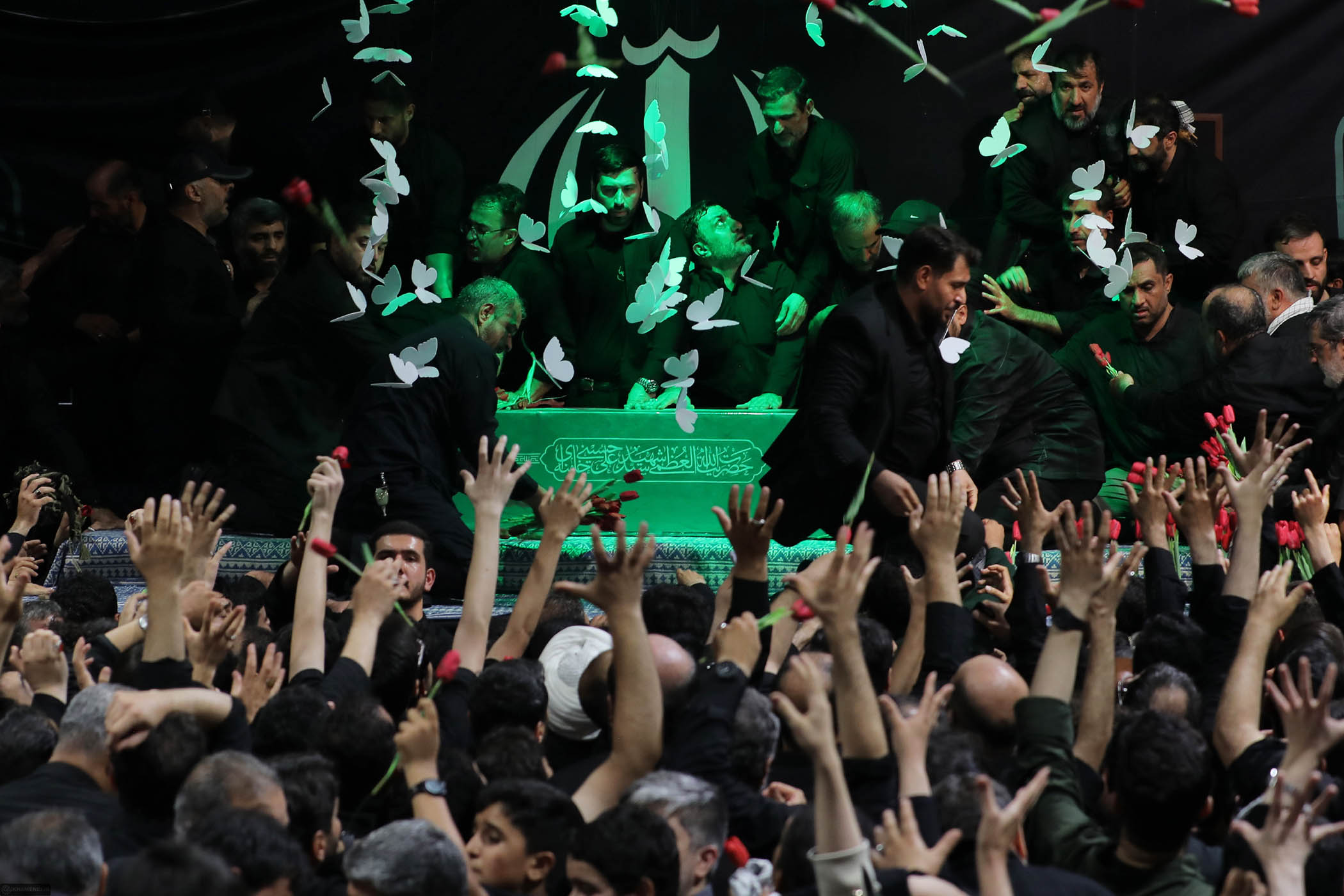
Beirut was hit by heavy Israeli airstrikes on Monday after the Iranian-backed Hezbollah militia launched missiles towards Israel in “retaliation” for the killing of Iran’s supreme leader, Ayatollah Ali Khamenei.
Missiles slammed into the Dahiyeh neighbourhood in the south of the Lebanese capital before 3am, waking residents as windows and buildings shook. The Israeli military struck villages and areas across southern Lebanon at the same moment. Hours later, the Israeli military’s Arabic spokesperson posted evacuation orders for a further 53 Lebanese villages on X, telling residents to vacate their homes and move away “by at least 1,000 metres to open areas”, because they were close to Hezbollah “operatives and facilities”.
It has not taken long for the war begun on Saturday to spread. As more Israeli bombs hit what Israel said were Hezbollah targets in Beirut in mid-morning, the US said three of its jets had been shot down by friendly fire in Kuwait and Keir Starmer confirmed that British bases in Gloucestershire and Cyprus would be used by American forces for “defensive” missions. Bahrain, Qatar and Dubai have been shaken by Iranian missiles and shipping through the Strait of Hormuz has been severely disrupted.
After an emergency meeting of the Lebanese cabinet, the country’s prime minister, Nawaf Salam, said Hezbollah must “surrender its weapons” and turn to “politics only”. An immediate ban on Hezbollah’s military activities leaves the militant and political group facing an existential threat. The Israeli military then issued 18 warnings and evacuation orders for targets across southern Beirut and the rest of the country, including the Bekaa Valley in the east and the Hezbollah-affiliated al-Qard al-Hassan Bank.
The Israeli military said it was considering all combat options in Lebanon, including a ground invasion in the south of the country. Israel’s chief of staff, Lt Gen Eyal Zamir, sought to prepare the country for “many prolonged days of combat ahead”.
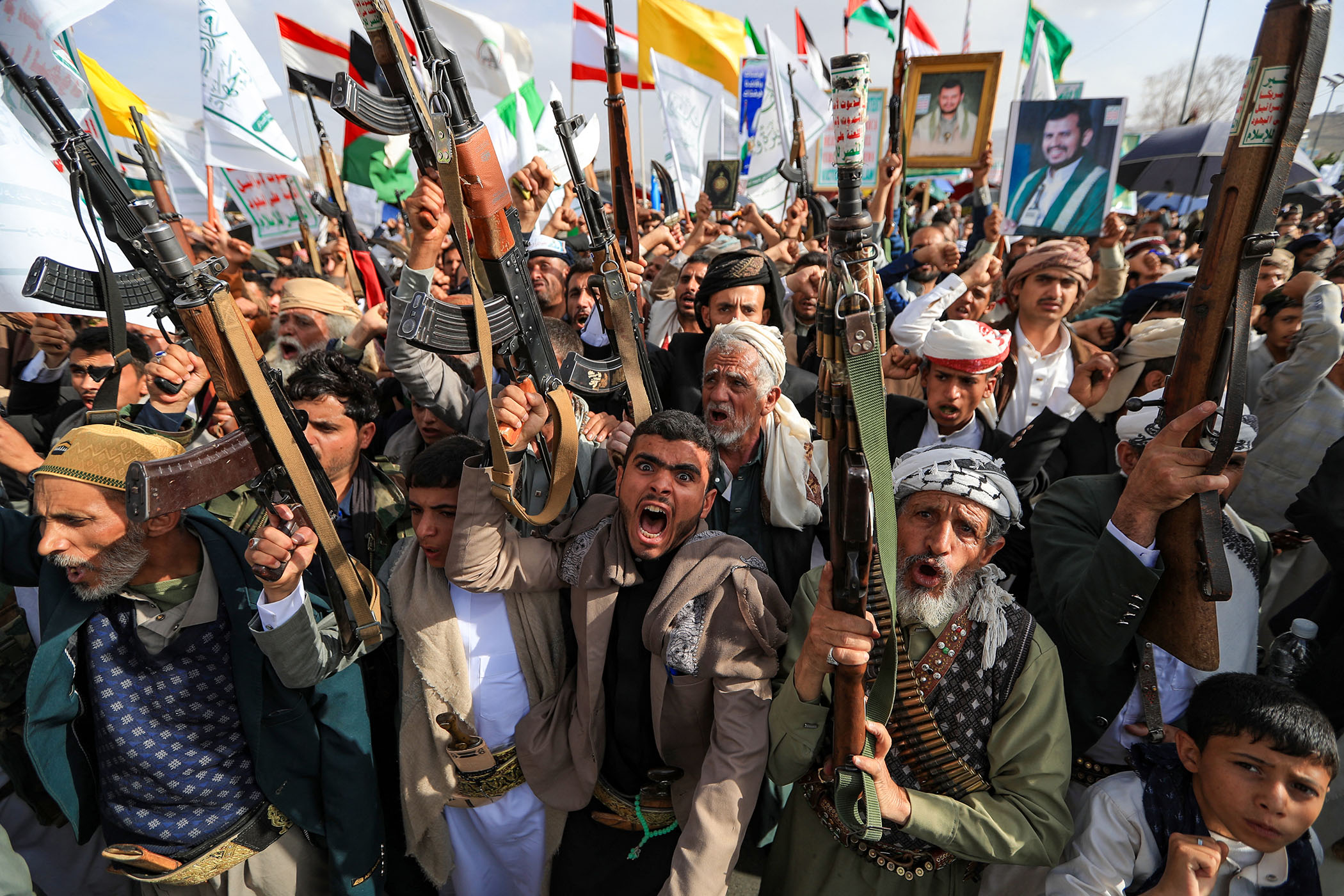
The Israeli attacks followed a barrage of rockets fired from southern Lebanon towards Haifa in Israel in the early hours of Monday morning. Two hours later Hezbollah issued a statement saying it had fired them at missile defence systems and military installations in “retaliation for the pure blood of the leader of the Muslims, Ayatollah Ali Khamenei”.
Following the strikes, Israel’s senior military commander in the north of the country said Hezbollah had chosen “the Iranian regime over the state of Lebanon” and would pay a heavy price.
The Israeli military said strikes on Beirut’s southern suburbs killed several top-ranking Hezbollah commanders. The intensity of the strikes matched those of September 2024 when former Hezbollah leader Hassan Nasrallah was killed. Hezbollah has not yet commented.
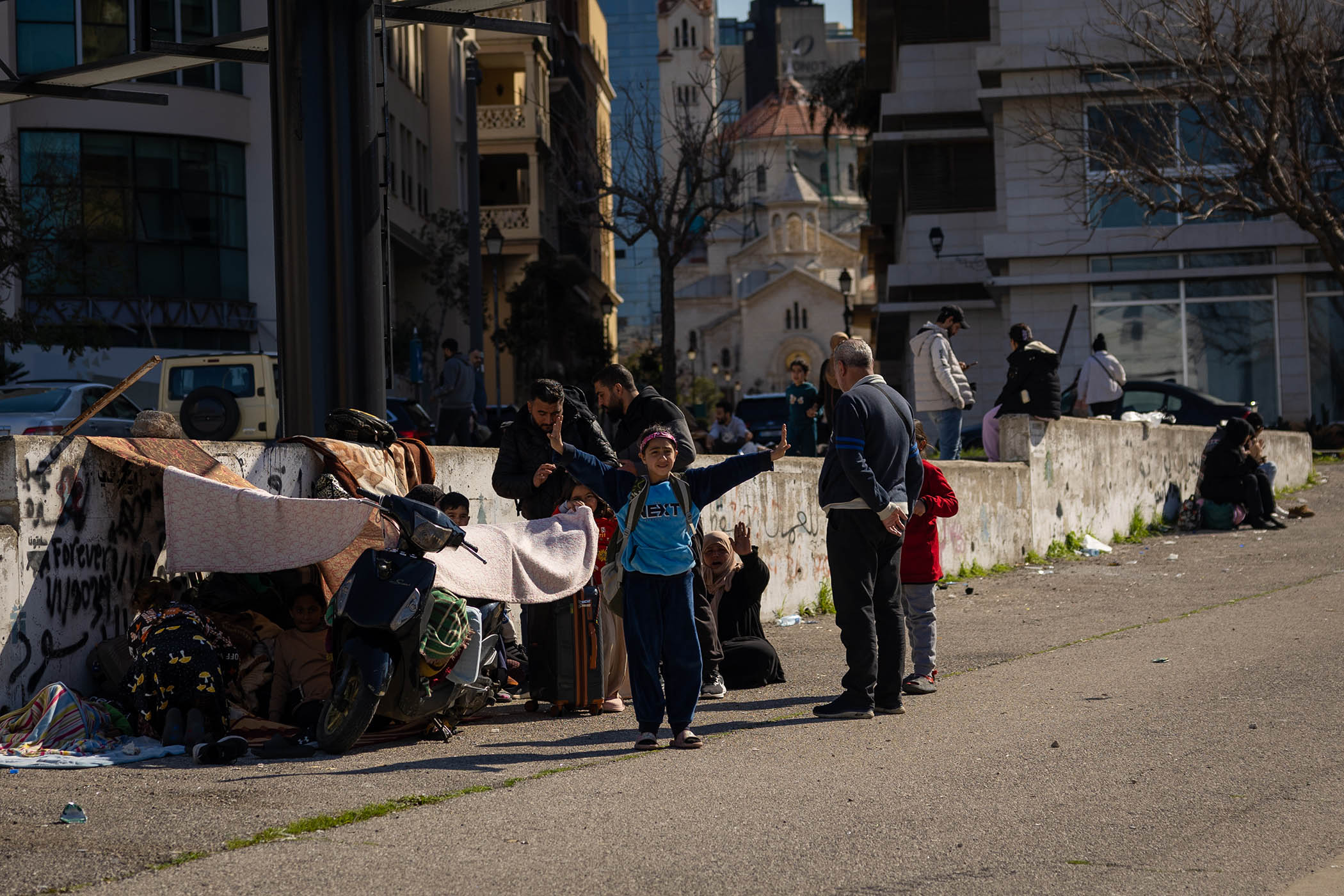
There were chaotic scenes across southern Lebanon and southern Beirut as hundreds of thousands of residents fled their homes. People flooded streets and highways, causing major traffic jams on Lebanon’s main road, the M51 coastal highway. Whole families filled cars and packed on to motorcycles to avoid the violence. Cars were spotted driving the wrong way up the highway trying to escape the south. Others pushed their cars after running out of fuel.
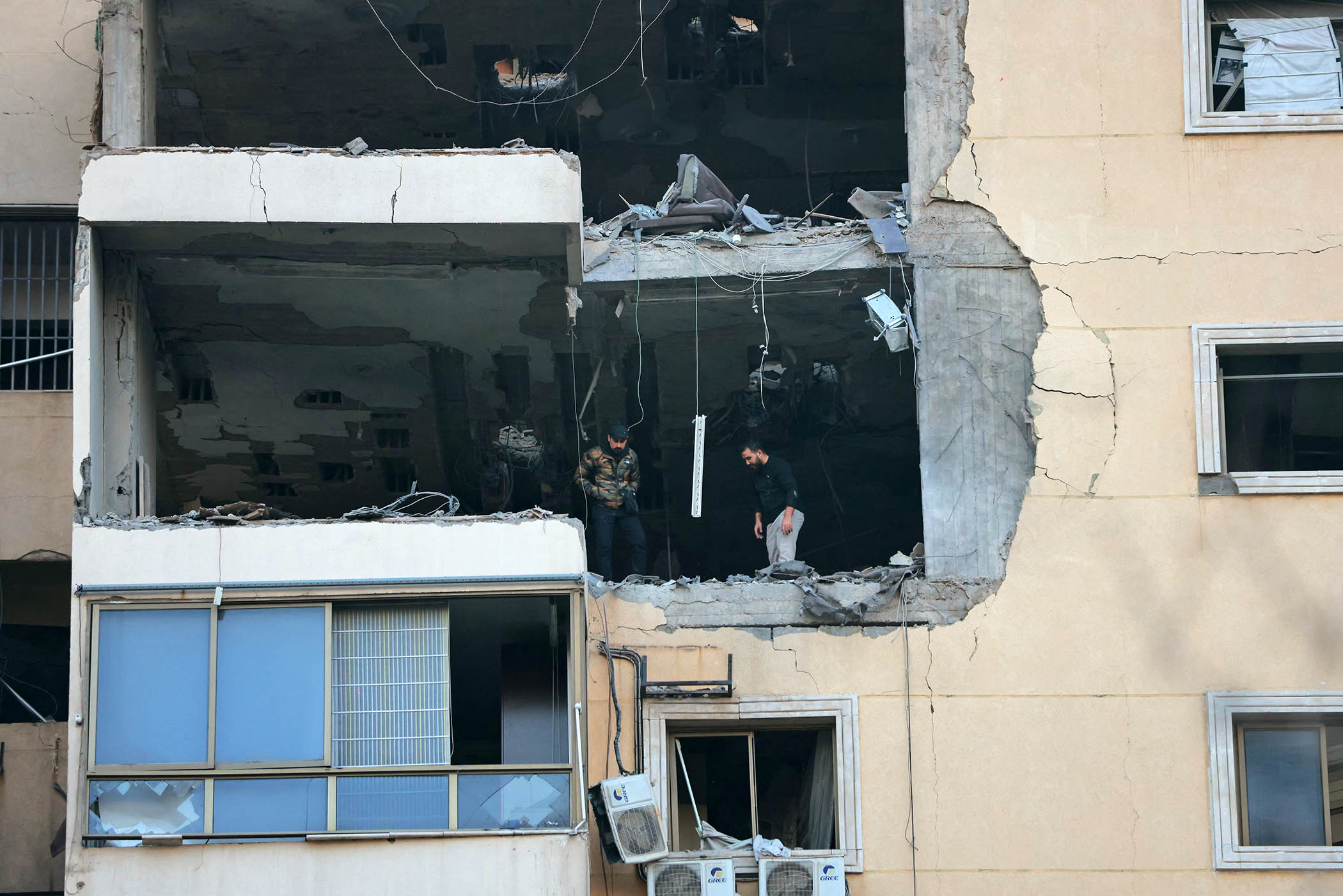
Families raced out of the southern suburbs by any means necessary, driving over rubble strewn across the road by the airstrikes. Videos circulating online showed apartment buildings on fire as men fired machine guns into the air to warn residents of potential further attacks.
Sitting in his taxi in front of the Al Amin Mosque in downtown Beirut, Fadi Awad, 39, told The Observer how he and his family had escaped Dahiyeh and raced to Martyrs’ Square in the centre of Beirut.
“We were sleeping when it happened. We started hearing the strikes. We didn't know what to do, so we freaked out and ran out of the house,” Awad said.
After dropping his immediate family in the relative safety of downtown Beirut, the father of three drove the perilous journey back into Dahiyeh to rescue his extended family. He made four trips throughout the night, rescuing 20 people.
“We are already suffering. We cannot stand this anymore”
“We are already suffering. We cannot stand this anymore”
“We have no place to go. I only have this car,” Awad said from the front seat of his taxi, sighing and rubbing his tired eyes. “The war is coming. Definitely. I didn't agree when Hezbollah started targeting Israel yesterday. We are already suffering. We cannot stand this anymore.”
Lebanon’s Ministry of Public Health said Israeli airstrikes had killed 20 people in Dahiyeh and 11 in southern Lebanon so far. It said 149 others had been injured.
A number of schools across Lebanon have opened their doors as shelters for families displaced by the fighting.
Hezbollah and Israel were last at war in 2024. In two months, more than 4,000 people were killed and more than a million displaced in Lebanon and Israel. That war formally ended in a ceasefire on 27 November 2024, but Israel has struck Lebanon daily since then. The United Nations Interim Force in Lebanon (Unifil), the UN peacekeeping mission monitoring the de facto border between Israel and Lebanon since 1978, has recorded more than 10,000 violations since November 2024, the vast majority committed by Israel.
Israel maintains it has struck areas in Lebanon over the past year in self-defence to stop Hezbollah regrouping and rearming.
Attacks by Iran, the US and Israeli militaries have continued across the region. Tourists and residents in the United Arab Emirates, including thousands of British citizens, have been forced to shelter in place as rockets exploded above Dubai. The UK is mounting an operation to support at least 200,000 British nationals in the Gulf as Iran continues to launch strikes across the region in response to attacks by Israel and the US.
Video footage from Kuwait showed an American F-15 crashing to the ground in a flat spin after a pilot had ejected. Later, footage emerged of a US Air Force pilot on his knees as residents sought to confirm his identity before protecting him until help arrived. Kuwait’s Ministry of Defence said “several United States military aircraft crashed” and that “all crew members survived”.
The strikes across the region follow months of diplomacy between Iran and the US, mediated by Oman, on Iran’s nuclear capabilities that failed to yield results. Oman’s foreign minister, Badr al-Busaidi, affirmed the Sultanate of Oman’s continued call for a ceasefire and a return to dialogue “in a manner that achieves the legitimate demands of all parties”, Oman’s foreign ministry said in a readout of a call with his Iranian counterpart, Abbas Araghchi.
Araghchi told al-Busaidi that Tehran was open to serious efforts at de-escalation, according to the statement.
In Beirut, Lebanon’s government condemned the Israeli attacks and called Hezbollah’s decision to enter the latest conflict “irresponsible”. Without naming the Lebanese militant group, Salam said he would not allow the country to be dragged into “new adventures” and promised to arrest those responsible for firing the rockets. The strikes follow months of diplomacy between Lebanon and Israel, including the two nations holding direct talks for the first time in decades.
More from The Observer
Additional photograph by Ibrahim Amro / AFP via Getty Images
Newsletters
Choose the newsletters you want to receive
View more
For information about how The Observer protects your data, read our Privacy Policy