


Saudi Arabia and other Gulf states have privately urged the US to “finish the job” in Iran and topple the regime.
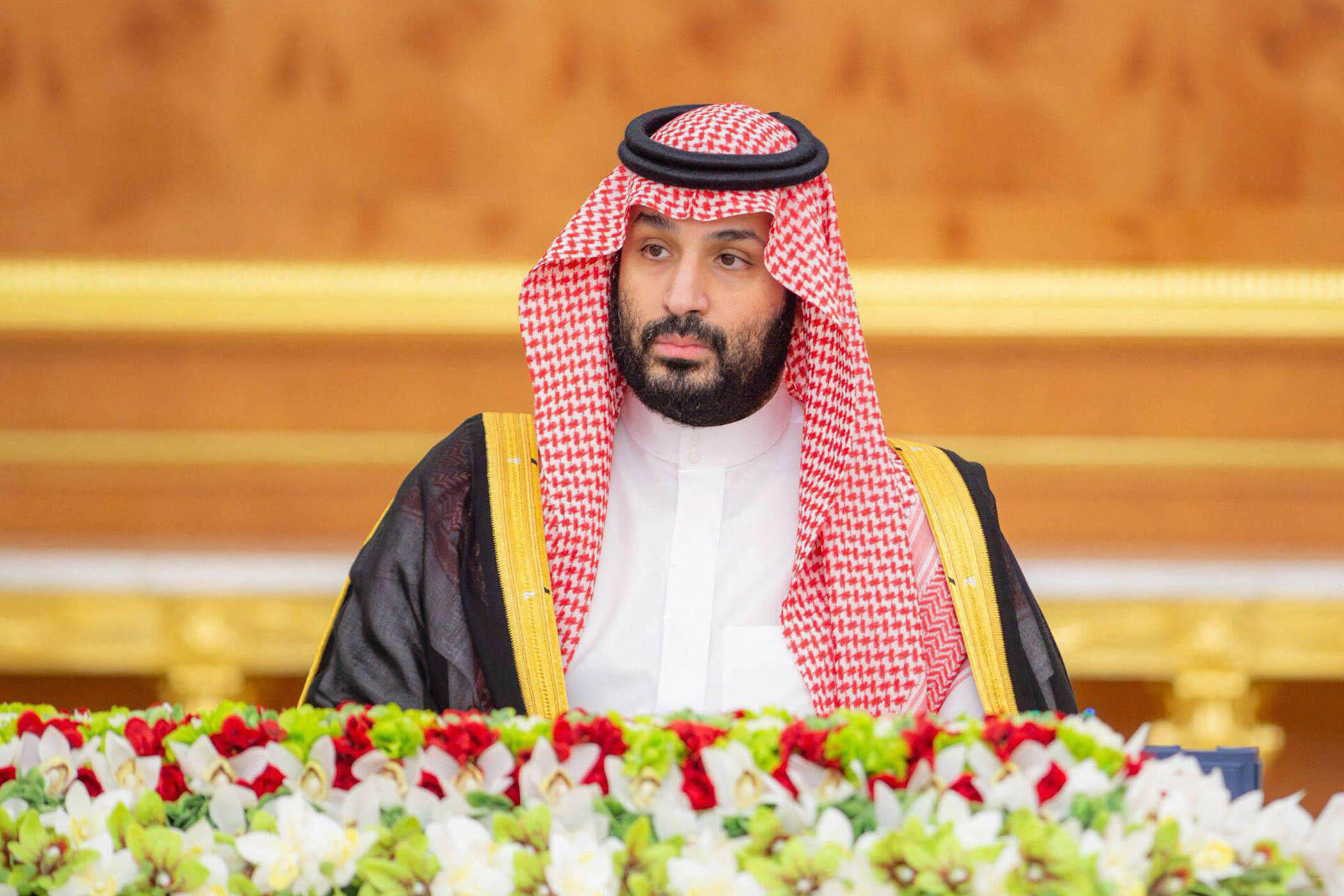
Security sources in Washington confirmed reports that Saudi Arabia’s crown prince and de facto leader, Mohammed bin Salman, has lobbied the White House to step up the attacks. The kingdom is edging closer to joining the US and Israelis after a barrage of Iranian missile and drone strikes on Riyadh and energy infrastructure.
“This is a 50-year fight and it’s coming to its final conclusion. The view at the very top is, let’s finish this once and for all,” one source said. “This is the basis of the alliance. The Rubicon has been crossed. Now that it’s started, you have to finish it.”
As the kingdom moved closer to joining the war, Iran’s allies in Yemen, on the sidelines until now, fired a salvo of ballistic missiles at what they described as “sensitive military sites” in Israel. Israel said it had intercepted one missile originating in Yemen.
The Houthis’ entry into the war is a direct threat to the Bab al-Mandab strait at the southern end of the Red Sea – a second major choke point in trade flows in and out of the Middle East. A month into the war, US priorities have shifted from regime change to unblocking the Strait of Hormuz, which Iran closed in response to the attack. Trump has vowed to bomb Iran’s power plants unless it reopens the strategic waterway by 6 April.
More American troops have been moved into the region. US security sources said several targets in and around the strait were being considered for a ground operation.
They include Larak, the island at the apex of the strait, which serves as the Islamic Revolutionary Guard Corps’ “toll booth” for shipping to pass in and out of the Gulf. Other potential targets are the strategic Tunb and Abu Musa islands, which are controlled by Iran and claimed by the United Arab Emirates, and the vital Iranian port of Chabahar, on the Gulf of Oman, which oversees the mouth of the strait.
Sources suggested the US goal could be to reopen the strait for shipping while negotiations with Iran go on. But seizing any of those sites would be fraught with risk. US troops on the ground would be an open target for Iranian retaliation, even with the US enjoying total air superiority.
US media reported that at least 12 US soldiers had been wounded in a missile and drone attack on Prince Sultan airbase in Saudi Arabia – at least two seriously. Drones also struck Kuwait international airport on Saturday , causing significant damage to its radar system.
An Israeli airstrike killed three television journalists in southern Lebanon. Fatima Ftouni, an Al Mayadeen reporter, and Ali Shoaib, an Al Manar correspondent, were travelling in a car with Ftouni’s brother, cameraman Mohammed Ftouni, when they were killed. Officials in Beirut said 47 people, including nine paramedics, had been killed in the previous 24 hours and 112 injured.
Newsletters
Choose the newsletters you want to receive
View more
For information about how The Observer protects your data, read our Privacy Policy
With the war already deeply unpopular with US voters and global markets in freefall, there is concern among Trump’s allies in the Gulf that he could seek a pretext to declare victory and withdraw from the war, spooked by global economic turmoil. “The feeling is the defence infrastructure of the Gulf will have to be totally rebuilt when this is over but, until then, you cannot leave things like this,” said a source close to one Gulf monarchy. “You cannot just walk away.”
Sources said the Gulf states had been “furious” that Trump and Netanyahu launched the war without consulting allies in the region. There is frustration that the US failed to anticipate Iran’s retaliatory strikes on neighbouring Arab states or that the regime would close the Strait of Hormuz and shut down critical oil traffic.
The Rubicon has been crossed. Now that it’s started, you have to finish it
The Rubicon has been crossed. Now that it’s started, you have to finish it
US security source
There has been unease at Trump’s repeated insistence that “we don’t need” the strait – ignoring the catastrophic impact of soaring oil prices on the entire global economy - and dismay at some of the rhetoric from Washington, particularly Pete Hegseth, the bellicose US defence secretary.
But sources conceded that US and Israeli military power now offers an historic opportunity to realise the cherished goal of crushing the Islamic Republic.
“If you leave the regime in place, it’s like a cloud over the region, because the conflict could restart at any time and no confidence will come back. Investors will hedge their bets,” one source said. “So, there is broad agreement that America should finish the job.”
Trump appeared to confirm the Saudi crown prince’s influence in comments to reporters last week, dubbing him “a warrior”. “He’s fighting with us,” Trump said.
In a freewheeling address to a Saudi-backed investment forum on Friday, however, the president appeared to mock the prince, suggesting his Saudi counterpart was “kissing my ass”.
“He didn’t think this was going to happen. He didn’t think he’d be kissing my ass. He really didn’t,” Trump told the audience in Miami, in reference to his own political comeback. “But now, he’s got to be nice to me. You tell him, he’d better be nice to me.”
Pakistan said it would host a meeting with the foreign ministers of Saudi Arabia, Turkey and Egypt on Monday in a bid to find a way out of the conflict. But neither the US nor Iran appeared to be included, casting doubt on the diplomatic progress.
Photograph by Saudi Press Agency