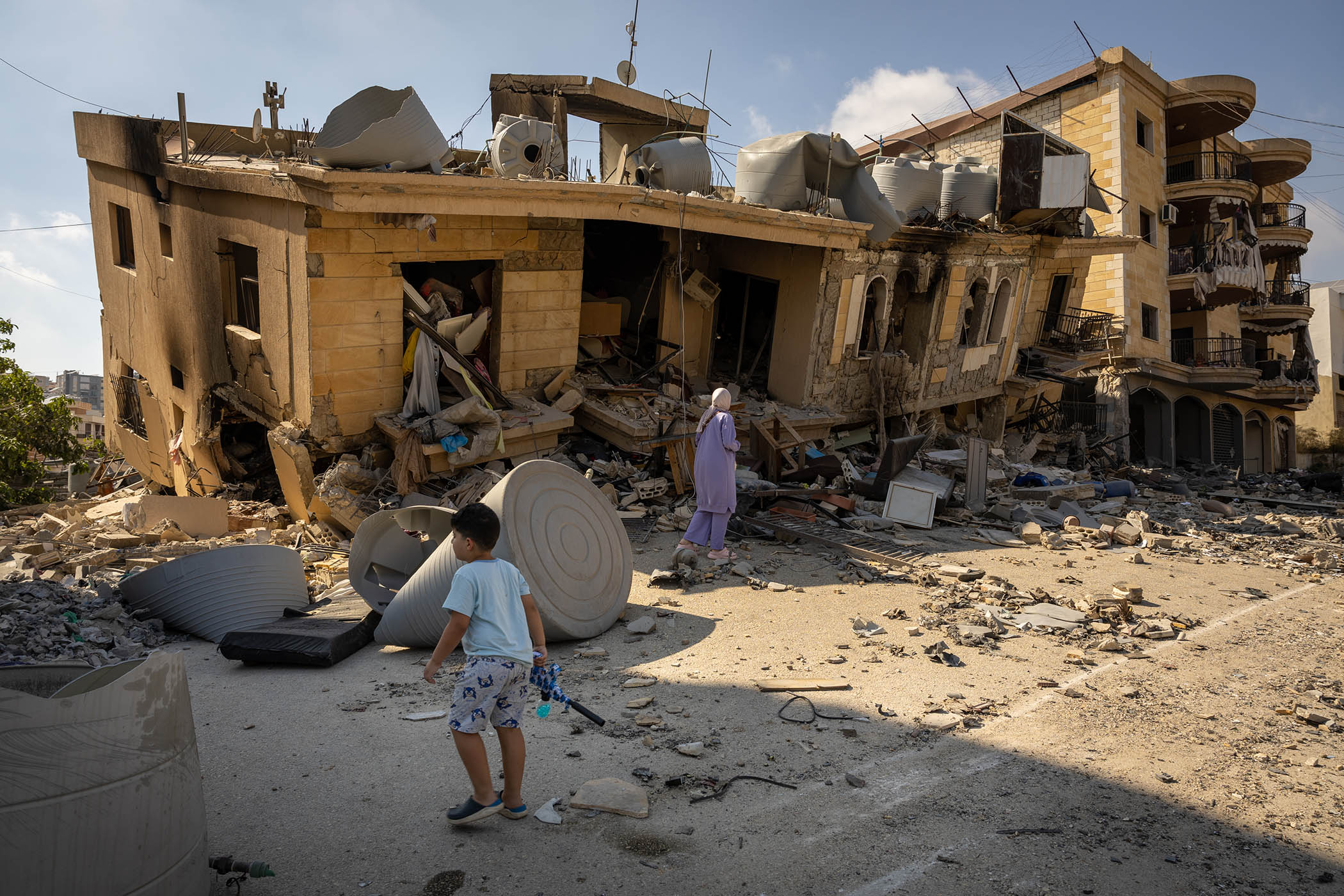
When the phone rang, Hussein Fakih stepped away to answer it. Moments later, he was in tears. On the other end of the line was news from home. His parents’ house had been destroyed by the Israeli military, as had his daughter’s and his own.
That day, in the gilded surroundings of Versailles, Donald Trump signed the 14-point agreement with Iran that was supposed to end the war. The memorandum pledged the “immediate and permanent termination of military operations on all fronts, including in Lebanon”. But Israel has ignored the memo, and so has Hezbollah.
While diplomats spoke of an end to conflict “on all fronts”, Israeli strikes continued across south Lebanon, and Hezbollah attacks persisted in the areas of the country held by Israeli troops, leaving civilians and emergency workers trapped in a war that, on paper at least, had already ended.
Outside one of the last functioning hospitals in the southern Lebanon city of Nabatieh, peace felt like a distant diplomatic abstraction. Fakih, a veteran emergency worker, struggled to compose himself. His losses stretch beyond damaged homes. Last month, his nephew, a civil defence first responder, was killed by an Israeli strike while he was rushing to help a wounded man, witnesses said.
“The people who leave an impact on this Earth have left us,” he said. “They were working to serve the people – may they rest in peace.”
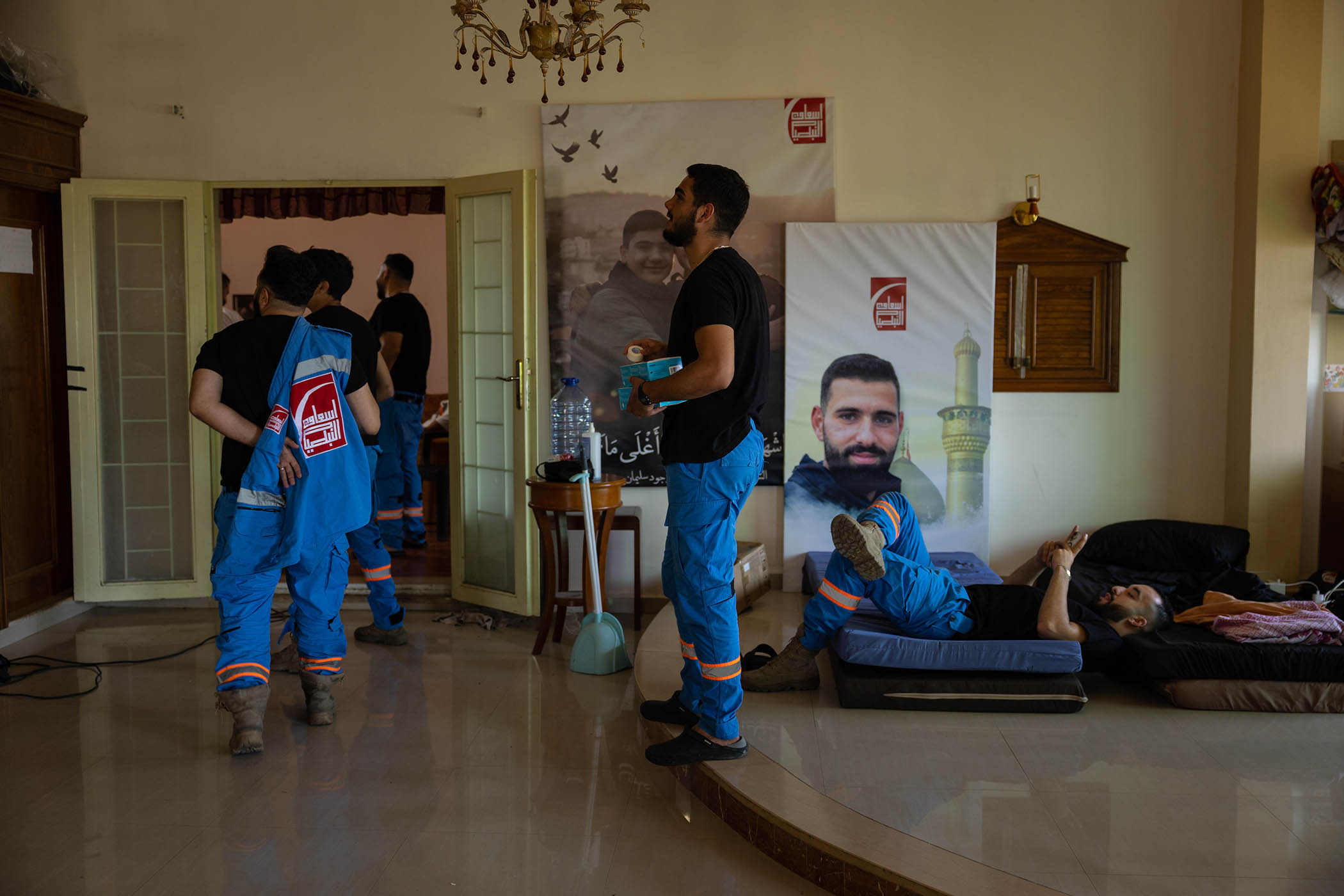
Members of the Nabatieh Ambulance Service gather in front of posters of their colleagues killed by Israeli strikes.
As Lebanon’s death toll climbed to at least 4,057 by the weekend, and Israel announced the death of a tank battalion commander and three other soldiers in Lebanon on Friday, the ceasefire was already looking defunct.
“All of Lebanon must burn,” Israel’s far-right minister of national security, Itamar Ben-Gvir, wrote on X.
Peace is elusive in Lebanon. Iran’s deal with the US, such as it is, is tied to a ceasefire in Lebanon, but the conflict continues. A fresh ceasefire between Israel and Hezbollah was due to come into effect at 4pm local time on Friday, but by 4.03pm Lebanon’s national news agency had counted 12 Israeli strikes.
On Saturday afternoon, Iran closed the Strait of Hormuz again over attacks on southern Lebanon.
According to Fakih, some parts of the country have become easier to work in since the supposed ceasefire came into effect. In others areas, such as Nabatieh, the situation is unchanged – or worse. Efforts to implement the peace deal suffered a setback on Friday, when talks in Switzerland were abruptly cancelled.
Newsletters
Choose the newsletters you want to receive
View more
For information about how The Observer protects your data, read our Privacy Policy
“It’s unclear whether there’s a ceasefire or not. Here in Nabatieh El Faouqa,” he said, referring to suburbs of the city, “if you wanted to go to work, you can’t, they’re being bombed.”
Lebanon’s health ministry says 135 paramedics and emergency workers have been killed since 2 March, and they are still being shot at.
“The other day, we tried to put out a fire, and they targeted us with a strike, and it was really close, so we had to retreat.”
Not a party to the talks, Hezbollah, the Iran-backed Lebanese Shia militant and political group, has said that as long as the Israeli military remains in Lebanon and keeps striking, it will do the same.
Israel’s prime minister, Benjamin Netanyahu, said the “fight is not over” with Hezbollah and has vowed to remain in place in southern Lebanon. His defence minister, Israel Katz, went a step further, warning: “If Iran attacks Israel because of events in Lebanon, we will strike it with full force.”
He added: “We are committed only to our citizens and to the security of the state of Israel.”
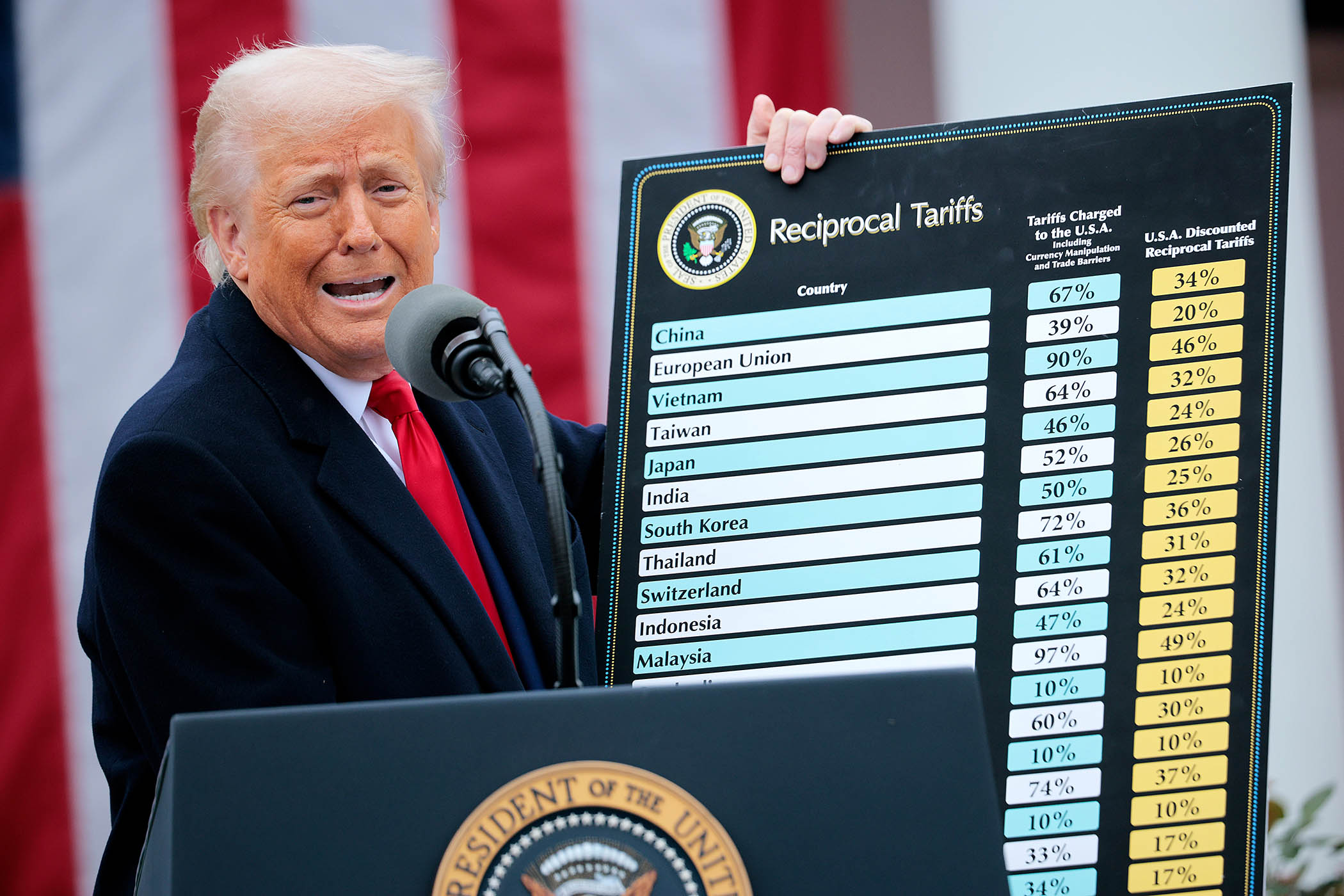
The public warmth that has long characterised Trump’s relationship with Netanyahu has given way to sharp criticism, as the US president becomes increasingly concerned that Israel’s military operations against Hezbollah could scupper his deal with Iran.
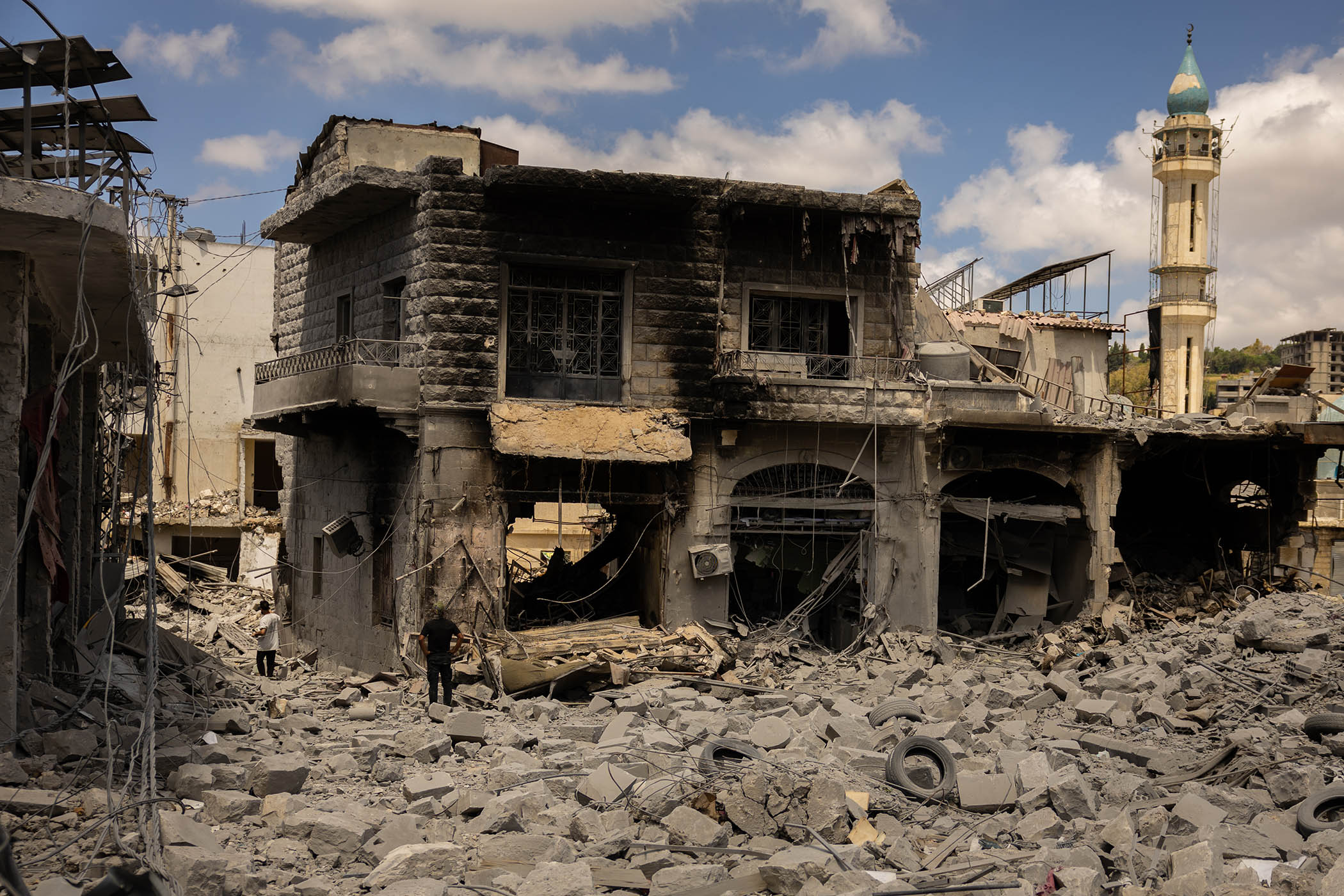
Residents of Nabatieh walk through the rubble of the 400-year-old Ottoman-era souk.
He said: “You don’t have to knock down an apartment house every time you’re looking for somebody, because there are a lot of people in those apartment houses, and they’re not all Hezbollah.”
In the centre of Nabatieh, much has been knocked down. The 400-year-old Ottoman era souks have been flattened, along with a mosque and multiple apartment blocks.
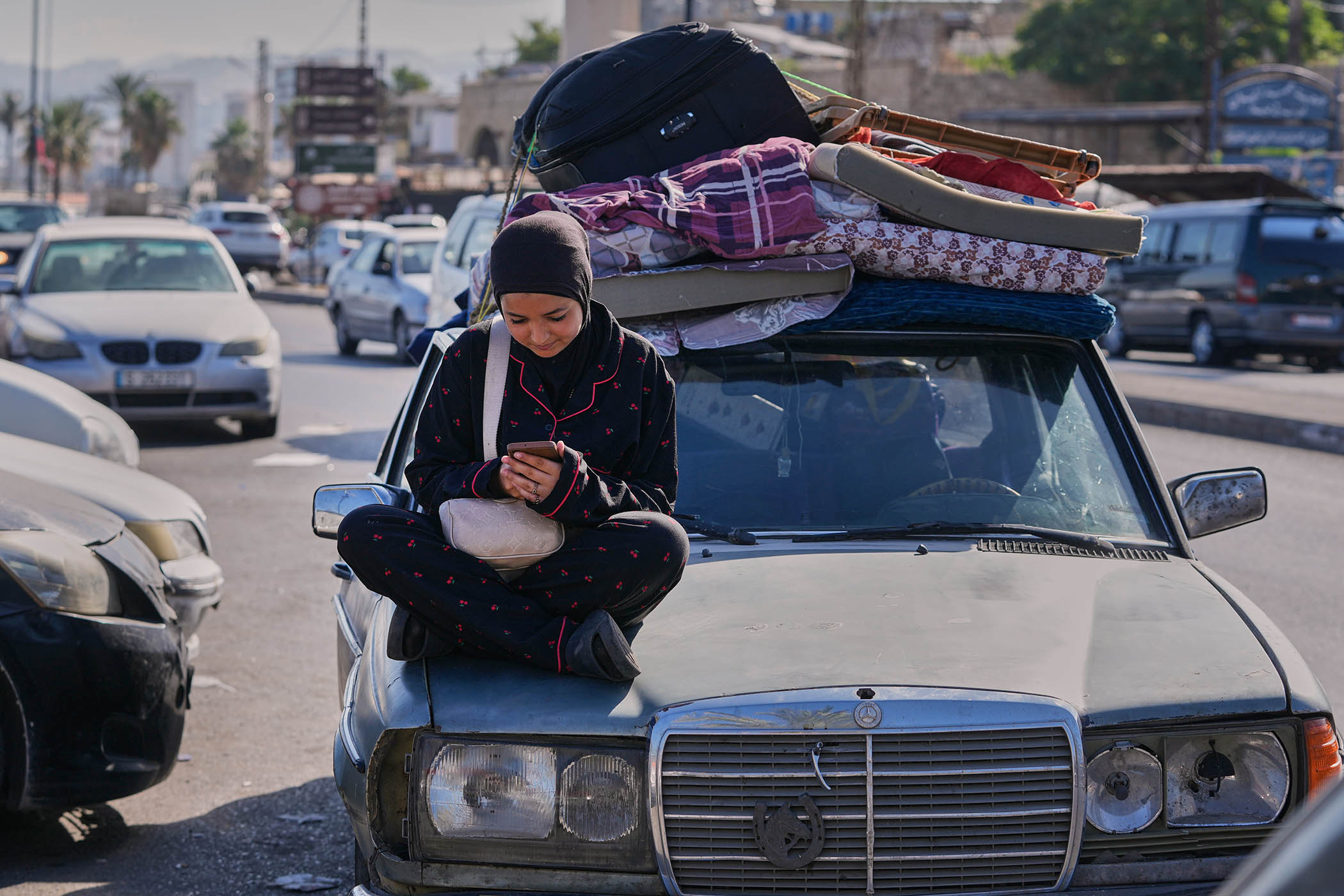
But despite the rubble and the danger, residents began to trickle home. Many came to check on their homes and businesses. Picking through the wreckage of his shop, Ayeel Khalaf, a traditional Arabic and Islamic doctor, described watching the gradual destruction of his city via satellite images.
His shop was hit a week before the ceasefire was signed. His home is still under fire.
“I know nothing of the state of my home, because it’s in Nabatieh El Faouqa and we haven’t been able to get there yet. There are still strikes,” he said, grabbing a box of mallow and linden before pointing up the road towards the smoke. “It’s heartwrenching, it is very important to me to see it, but what can we do?”
As dusk fell, members of the Shia community gathered for Ashura, the annual commemoration of the martyrdom of Husayn Ibn Ali, grandson of the prophet Muhammad, at the battle of Karbala.
The layer of rubble and dust that settled in the courtyard of the city’s congregation hall was swept aside by members of the local ambulance service, fresh flags hung from its walls and black screens bearing Ashura prayers replaced the missing northern wall destroyed by a neighbouring airstrike.
Later, a cleric led a procession through streets still scarred by war. Men and women beat their chests and chanted dirges in memory of the martyr, kicking up dust as they marched through the rubble.
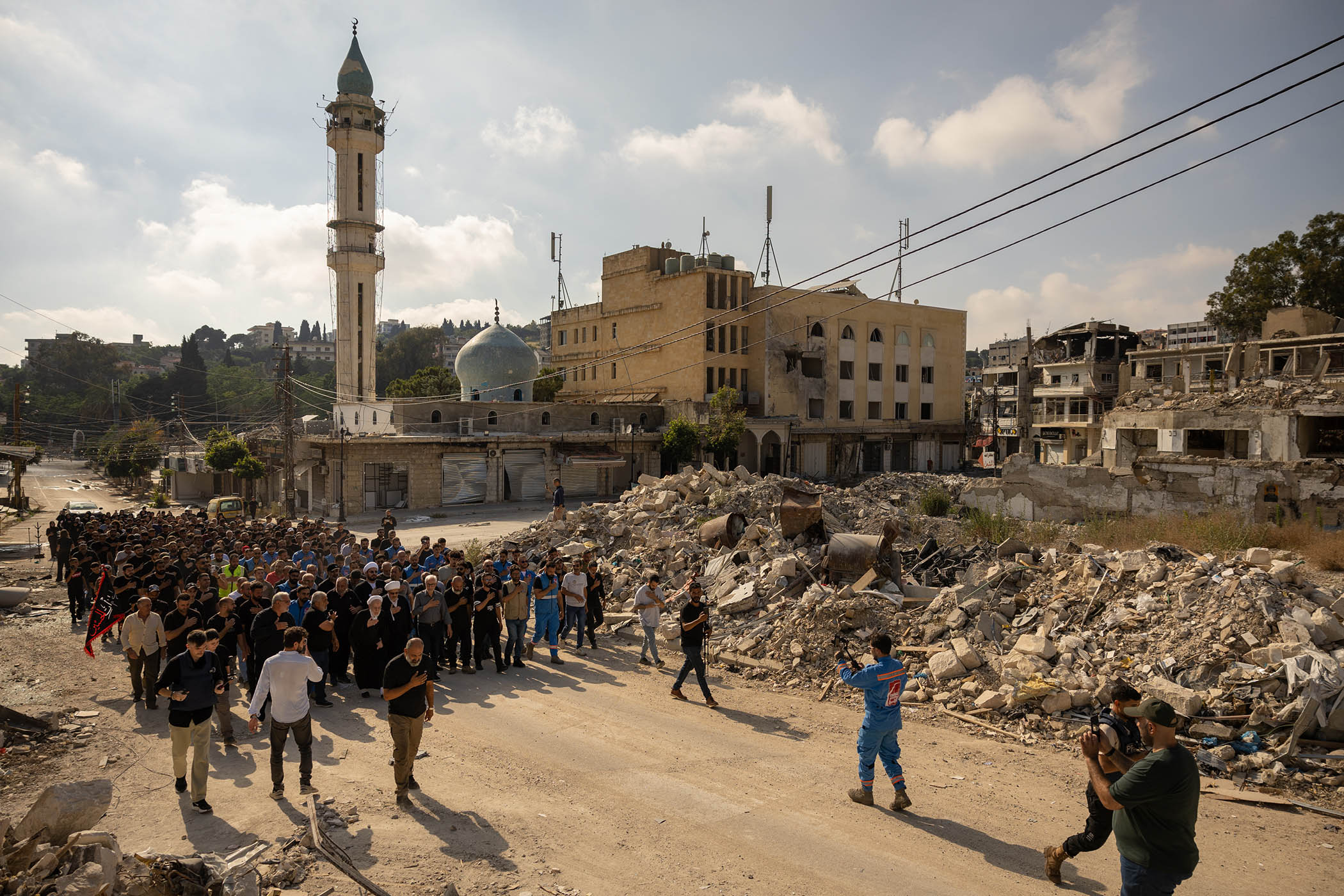
Members of Lebanon’s Shia community beat their chests and chant dirges as they follow a procession through the rubble of Nabatieh during Ashura commemorations.
For many, this year’s commemoration carried added significance. They had watched with satisfaction as Trump berated Netanyahu, and admired Iran’s response to US attacks. The agreement reached last week was widely seen by those in Nabatieh as a setback for Washington and a victory for both Iran and Hezbollah.
Yet beneath the public displays of solidarity, doubts remained. As a volunteer prepared to distribute food among the crowd, he offered a more sceptical view but would not give his name.
“Everyone is out for their own interests. Iran is working for its own interests and we should do the same,” he told me, before glancing south and adding quietly: “They are getting $300bn in this deal. What are we getting, besides martyrdom?”
All photographs by Oliver Marsden for The Observer