
Photographs by Manuel Braun for The Observer
When an unlikely alliance of political rivals defeated the far-right National Rally (RN) in the historic birthplace of Alexandre Dumas of The Three Musketeers fame, what else could be said?
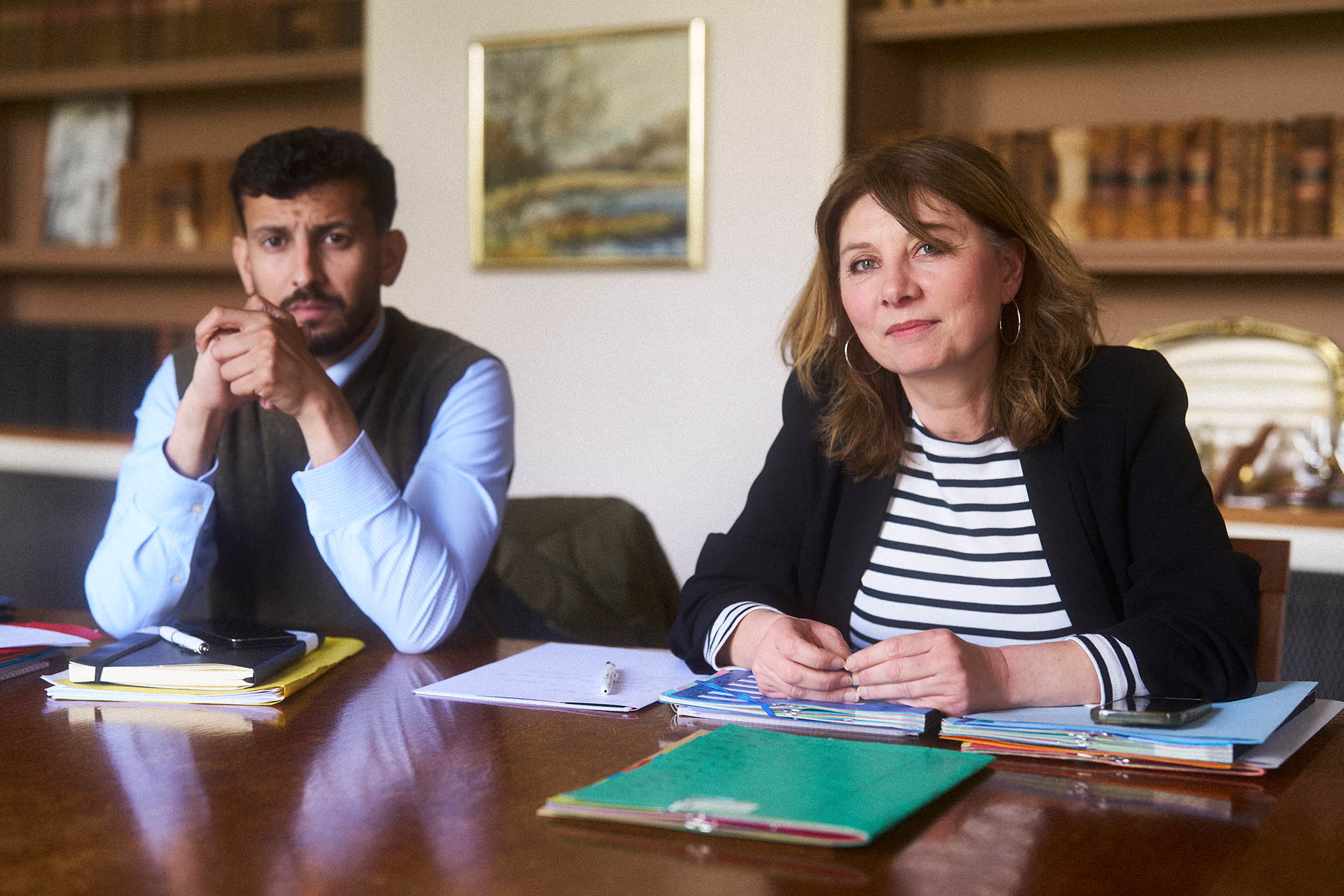
It was all for one and one for all, according to Jeanne Roussel, the newly elected mayor of Villers-Cotterêts, a commune of 10,000 people an hour’s drive northeast of Paris. The headline in the left-leaning newspaper Libération that claimed to sum up the mood in the town was far less poetic but more to the point: “We tried the RN and it was a disaster.”
Sitting at her mayoral desk, surrounded by piles of manilla folders, Roussel, who stood on a centre-left programme, is now unpicking 12 years of RN policies. The problem is not what the RN did, but what it failed to do, she says.
“It’s been a disaster. We’ve gone backwards. In 12 years they repaired four roads and the front of the church… in the end nothing really worked, not even the street lights.
“If you don’t invest in and maintain a town it eventually falls apart.”
Reversals of fortune have been rare in the RN’s steady rise since Marine Le Pen took over the party in 2011. She came second in the 2022 presidential election, then, in the snap general election called by Emmanuel Macron, the RN won 126 seats, more than any other single party. It can now claim to be the most powerful political force in France; polls suggest there is a good chance that Le Pen or her protege Jordan Bardella will win the presidency next year.
But is Villers-Cotterêts, where in 1539 François I signed an edict making French the country’s official language, the town where the RN’s opponents can learn how to beat them?
Newsletters
Choose the newsletters you want to receive
View more
For information about how The Observer protects your data, read our Privacy Policy
In 2014, Franck Briffaut became one of the far-right’s first mayors. The special forces parachute regiment veteran had joined what was then the National Front in 1977 and was a fan of its founder, Jean-Marie Le Pen.
He made it clear the far right was playing a long game. “Our expansion into local authorities is a strategic move while we wait to have more freedom of action,” he said on becoming mayor.
One of his first decisions was to cancel the annual commemoration of the abolition of slavery, dismissing it as a culture of “constant self-reproach and systematic guilt-tripping”. He cut local taxes and raised the cost of the school canteen.
To the disappointment of party leaders, he did not target a local centre for migrants, commenting that its occupants “have not caused any trouble in the town. Yet.”
But he stopped volunteers giving migrants free French lessons in the media library.
“We turned up one Saturday and the staff said we were no longer allowed in, on the orders of the town hall,” said Yannick Champain, the local representative of the Human Rights League (LDH). “Otherwise, I think they set out deliberately not to make waves. If they didn’t do anything shocking they could claim they were running the town well.”
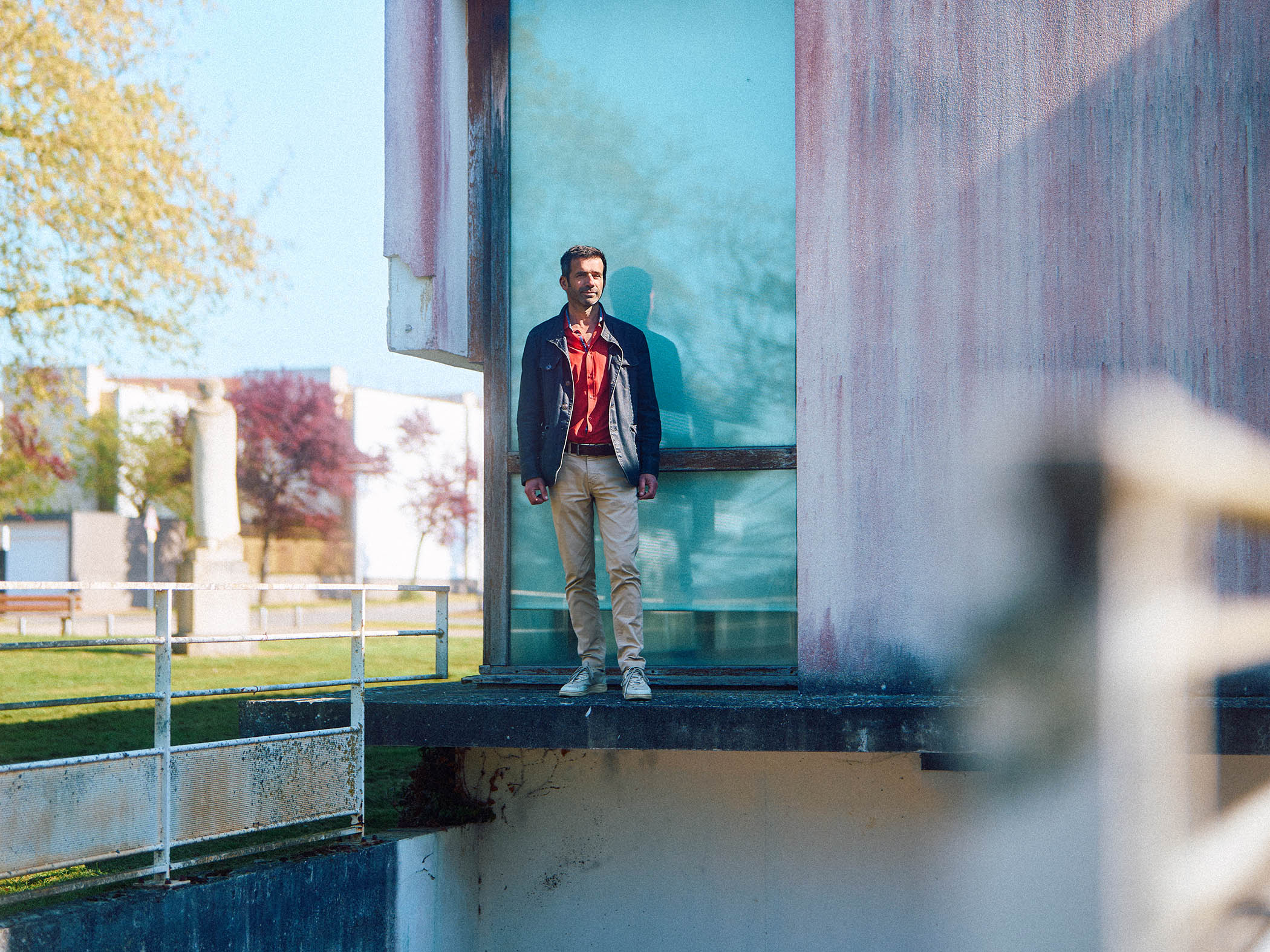
Yannick Champain
The strategy worked. Briffaut was re-elected in 2020 with a first round vote of 53.5%. And even though his party was defeated in March, it cannot necessarily be seen as a repudiation of its time in office. Briffaut decided against a third term, leaving his deputy, Gaëlle Lefevre, to run. She led the first-round vote with 40% and would almost certainly have won the second round had Roussel not formed a “republican bloc” with the centre-right candidate, Cédric Saint-Sulpice.
For Saint-Sulpice, who has north African roots, the campaign became disturbingly personal. Despite Marine Le Pen’s claim to have “de-demonised” and cleaned up her father’s party, he says his RN rivals used his second given name, Karim, and accused him of editing his official photo to look less “Mediterranean”.
“It served as a reminder that these people have no limits,” he says. “The moment you go head-to-head with them their true colours show. All it took was a candidate like me to bring out their racism and xenophobia.”
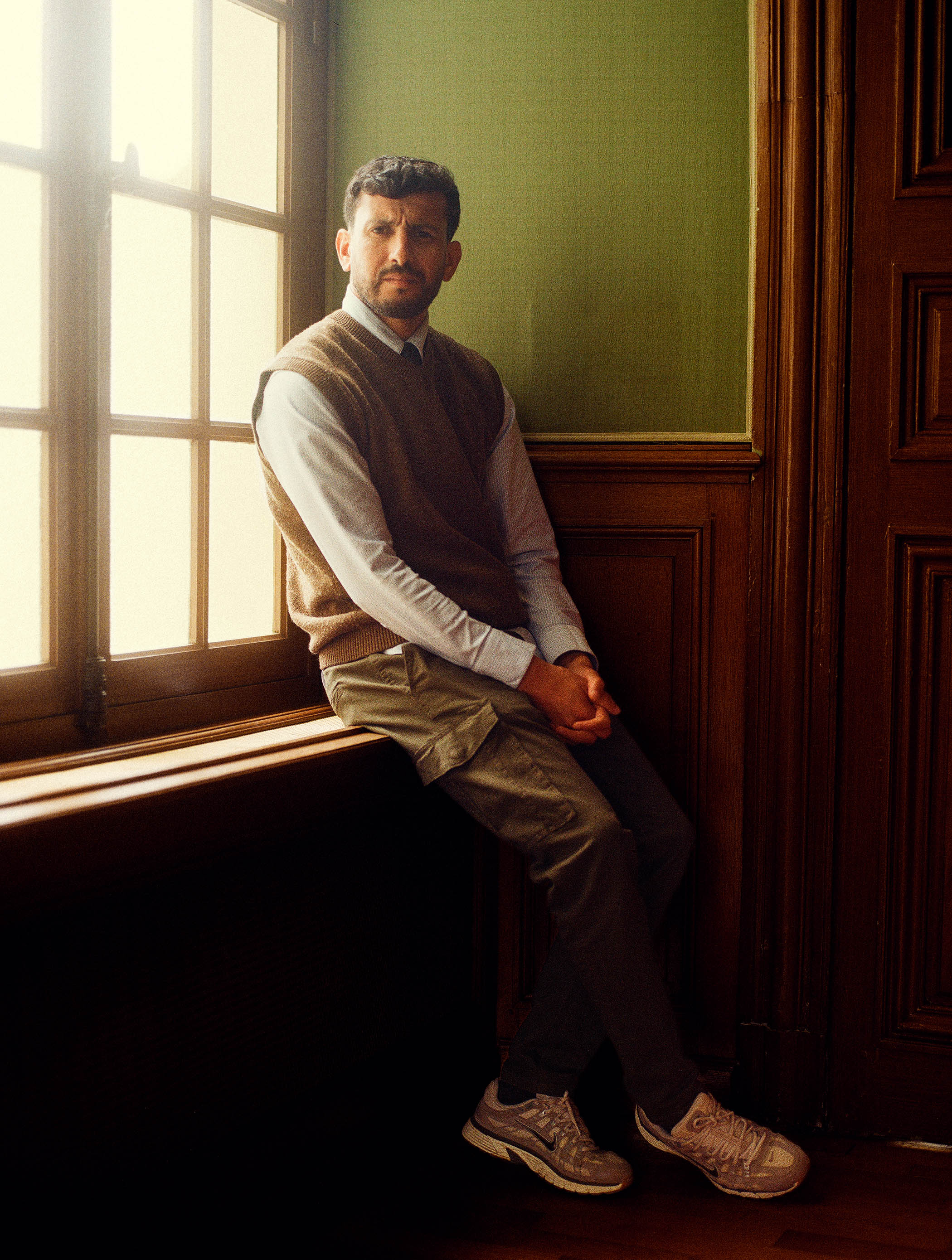
Cédric Saint-Sulpice
By joining forces and “putting our egos aside”, as Saint-Sulpice explains, he and Roussel scraped through with 52% of the vote – just 199 votes more than Lefevre. That divide is on display at Le Rallye, a bar near the station. “People can say what they want but to me, Franck Briffaut was a good mayor,” said Bernard Obe, 76, one of the few prepared to express a view. “He was respected and always there for us.”
Françoise Flambert, 63, a retired industrial cleaner, strongly disagrees. “We have drug problems and a lot of fachos [fascists] here. The vote has divided the town because the racists didn’t expect to lose,” she says.
In an interview with The Observer, Briffaut contested the criticism levelled against him point by point. “In any case, they said I was a disaster before I even did anything,” he says.
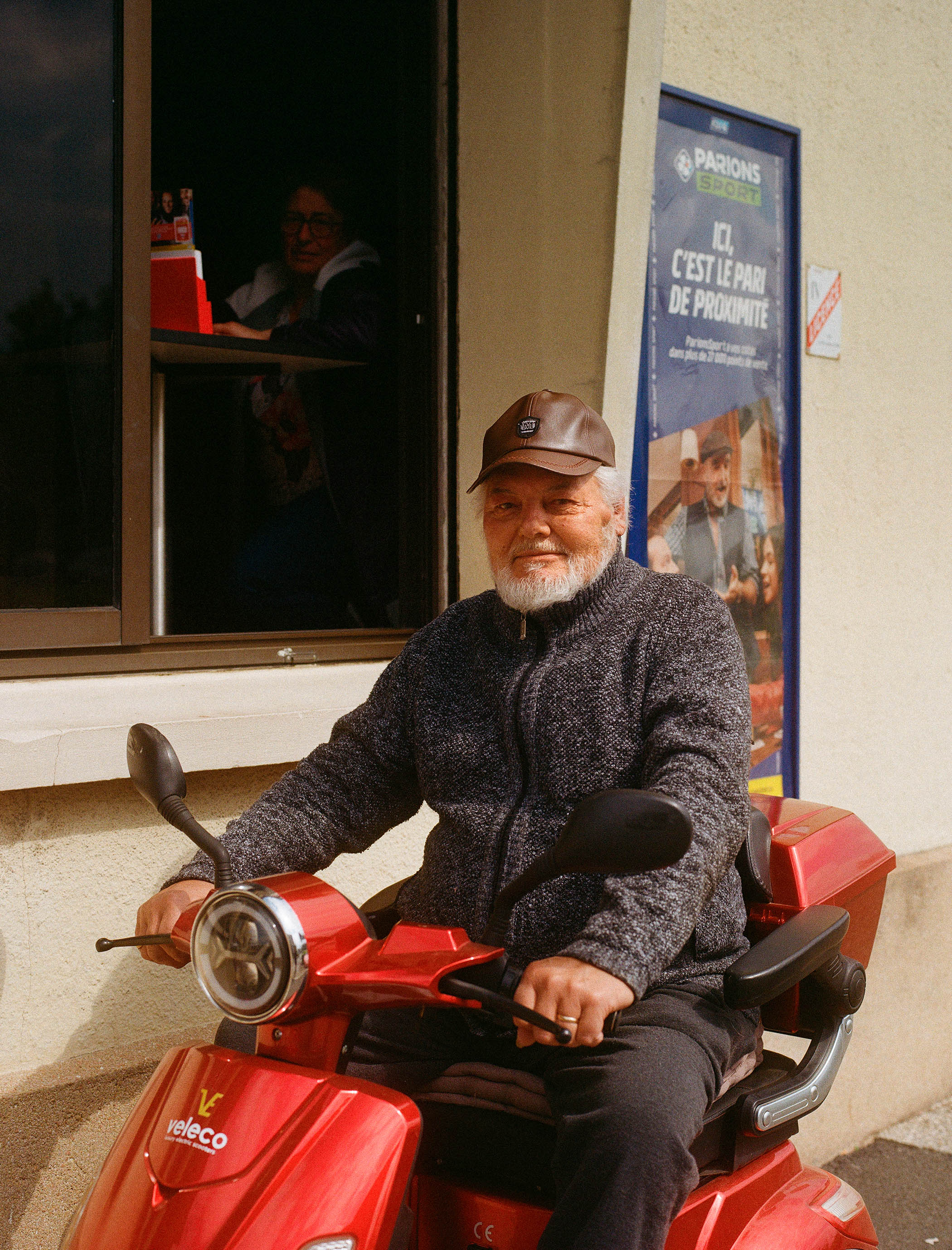
Bernard Obe
“I’m aware of our limitations, including my own. There are certain points open to criticism but to say we haven’t succeeded in anything is a lie.
“They [the opposition] joined forces just to beat us when they don’t agree on anything, so you can hardly say RN support is dropping. The only thing on which they agree is they’re against the RN.”
At a national level, finding common ground will be difficult in 2027. So far 19 candidates have announced they would like to stand in the presidential election and another 15 have let it be known they could be candidates. In the end, close to a dozen are likely to be on the ballot.
Political scientist and far-right specialist Sylvain Crépon says the likelihood of politicians making agreements is not only unfeasible at national level, but could work in the far right’s favour.
“I can’t see leftwing supporters voting for a rightwing candidate except to keep the RN out and vice versa. Besides, it plays into the RN’s victimhood, allowing it to claim that it is alone against all the rest,” Crépon says.
Since Jean-Marie Le Pen shocked France by reaching the second round of the 2002 presidential election, the “republican bloc” has worked to keep the far right out of the Élysée Palace. But over the past 25 years that has become a harder trick to pull off.
Roussel and Saint-Sulpice are convinced unity is the answer to seeing off the far-right.
“People mustn’t think 2027 is inevitable – I refuse to be fatalistic. We managed to beat the RN by bringing together two different and complementary electorates, and I believe it’s possible at national level too,” Roussel says.
“We need to agree on a serious, credible candidate who can bring people together.”
But who? “Good question. I’ve no idea.”