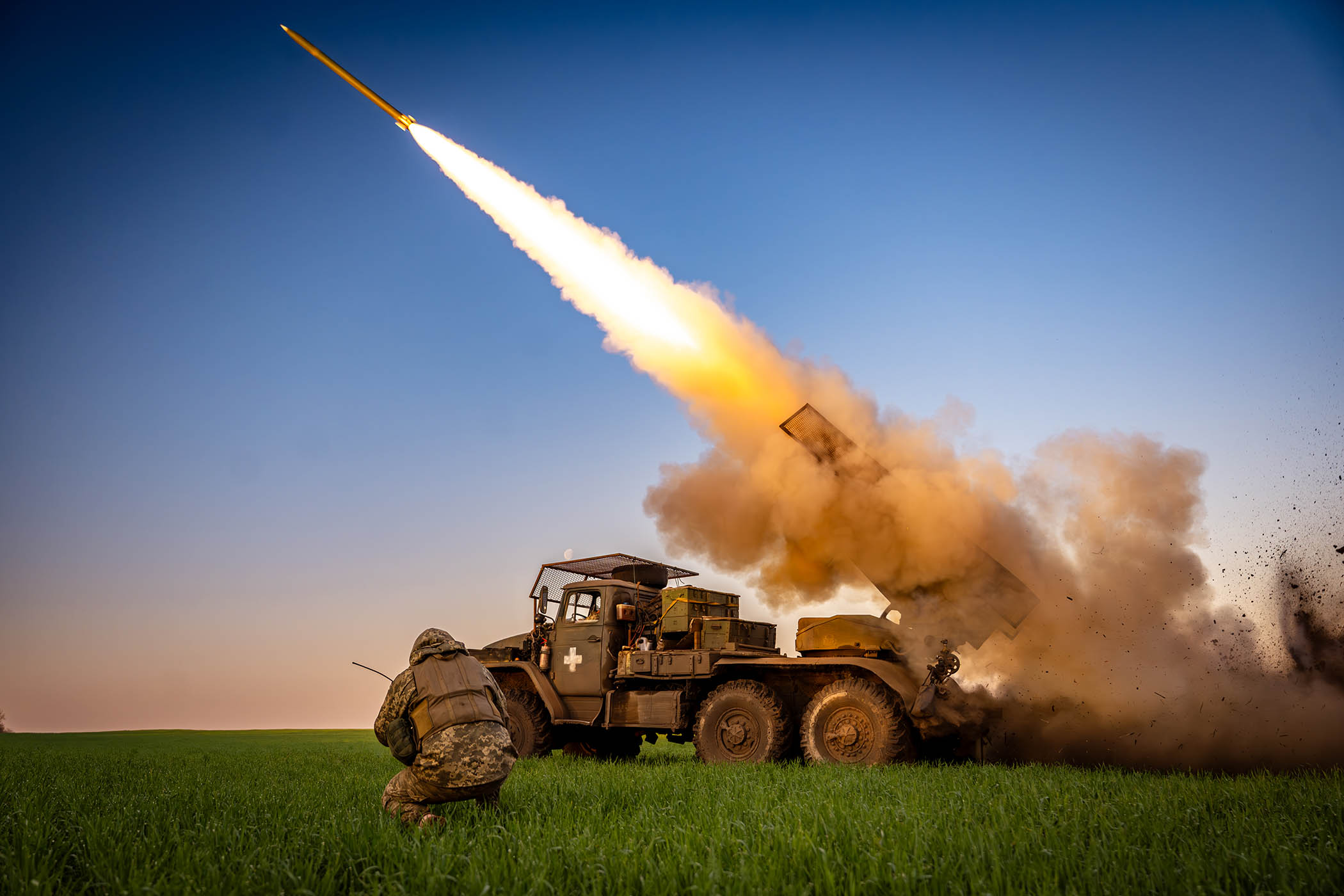

New long-range missiles developed by British defence companies for Ukraine can strike further and be produced more quickly – and at a fraction of the cost. Another main selling point is that they contain no US components.
The UK recently tested prototypes of the weapons as it seeks to boost Ukraine’s firepower while reducing dependence on the US after a year of turmoil in transatlantic relations.
The new missiles are designed to strike targets more than 310 miles (500km) away with a 225kg (almost 500lb) warhead. With a price tag of about £400,000 – excluding the warhead – they are significantly cheaper than the Storm Shadow missiles the UK has supplied to Ukraine in recent years and that, by some estimates, cost approximately £800,000.
And the absence of American components means the missiles can be built, sold and supplied without US consent. “The US will not be able to withdraw supply if they [the Ukrainians] use them for purposes that the US disapproves of,” said Jack Watling, a senior research fellow at the Royal United Services Institute.
It is a part of a broader shift since the early years of the war, when Ukraine and its allies relied on US weapons to fend off Russia’s onslaught. While Kyiv still needs the US for certain capabilities such as air defence interceptors, European allies are providing more armaments, while Ukraine is producing many of its own weapons, including drones designed to inflict damage deep inside Russian territory.
Kyiv last week carried out what is believed to be its biggest attack inside Russian territory since the start of the full-scale invasion in February 2022, targeting the country’s largest oil refinery in Moscow with almost 200 drones. It was the second attack on the refinery, which supplies 40% of the capital’s petrol and about half of its diesel.
“If sufficiently accurate missiles can be delivered this year in relevant quantities, then it would help Ukraine damage Russian revenue generation and military industrial targets,” Watling said.
The UK Ministry of Defence is aiming for the missiles to be ready within a year. The initiative, codenamed Project Brakestop, was launched before Donald Trump returned to office and slashed support for Ukraine. Several British companies won contracts last year worth about £5m each to design and build prototype weapons for testing in seven months.
Prototypes were made by Rotron Aerospace, MBDA UK, which already produces systems including Storm Shadow, and MGI Engineering, an Oxford-based business with more than 25 years of success in Formula One that has won its first defence contract.
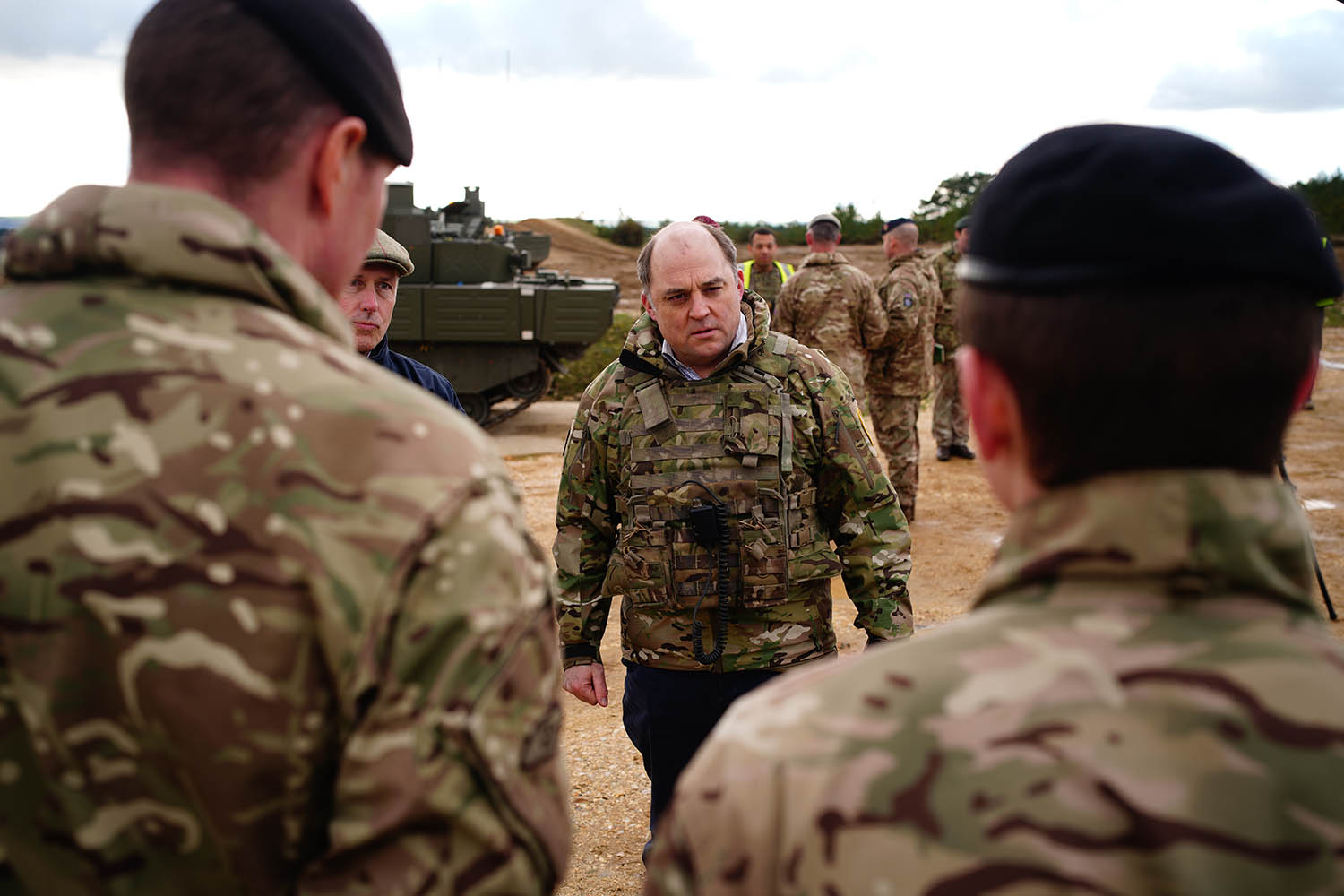
“This is a clear demonstration that Britain has the industrial strength, innovation and determination to meet the challenges of modern warfare and support our allies,” said the new minister for the armed forces, Louise Sandher-Jones, in a statement.
Newsletters
Choose the newsletters you want to receive
View more
For information about how The Observer protects your data, read our Privacy Policy
Photograph by Oxana Chorna/Global Images Ukraine via Getty Images