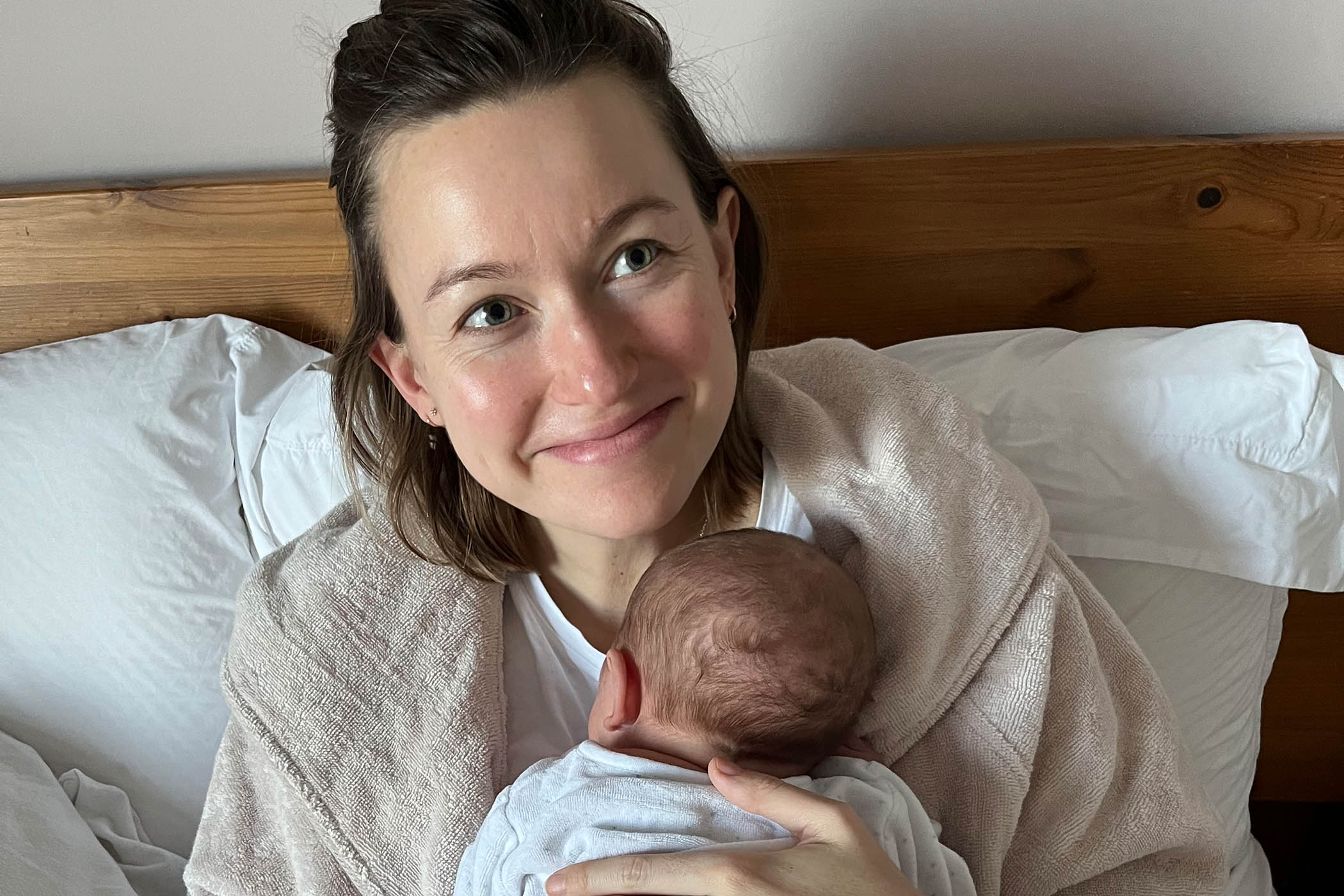
In the final weeks of a pregnancy, a lot of emphasis is put on the birth plan. Some hospitals give you a questionnaire to fill out, others suggest you write it on a piece of paper and hand it to your midwife when you arrive in labour. It is a list of preferences, and a piece of magical thinking. Do you want to give birth in a midwife-led suite or on the ward? What kind of pain relief do you want? Will you allow medical students in the room? I wrote mine on a piece of lined paper and tucked it carefully into my enormous hospital bag, alongside the first outfit I had picked out for my soon-to-be son. Somehow, that neat little birth plan came to feel like a talisman; a form of protection. If I knew what I wanted, and I articulated it – to myself, to my partner, to the midwives – then perhaps everything would be OK.
Fear was the mood music of my pregnancy – I had needed many talismans. Not only because I had suffered miscarriages, and because this was my first child, but because it is impossible to be sentient as a pregnant person in Britain and not learn to fear a system that, at every turn, seems to be buckling under the weight of itself.
When I was six months pregnant, Lucy Letby, a neonatal nurse, had been convicted of murdering seven babies and attempting to murder six others at the Countess of Chester Hospital. (Since then the hospital says it has made “significant changes to our services [so that] every patient who accesses our services can have confidence in the care they will receive”.) Wall-to-wall news coverage ensued. I pored over the details. Why? Some twisted, hormonal logic: if I looked the horrors in the face, perhaps I could ward them off. Then a public row erupted. Was this a safe conviction? Or was one innocent woman being blamed for the failings of an understaffed and underfunded NHS system that was simply no longer able to deliver good care. I found it impossible to navigate, as my belly grew and grew. Who should I be fearing? What should I be protecting myself against?
The situation was made more complex by the fact that the local hospital I was to give birth at, King’s College Hospital in Camberwell, south London, had been at the centre of a scandal. A bright 13-year-old, Martha Mills – the daughter of a friend and former colleague of mine – had died there due to catastrophic failings in her care after she developed sepsis. After her death, the hospital trust had fought fiercely with her parents, and had tried to protect its own consultants and their reputation. A medical tribunal found her care amounted to “gross negligence”.
At every turn, it seemed, the medical world was something to fear, to guard against, to treat with great scepticism. All the while, the messages bombarding me on social media, and via the plethora of birthing books and podcasts I was consuming, was that I should follow my body, I should resist medicalising the beautiful process of birth, I should trust myself and advocate for what I want. Implicit in all of this messaging was the idea that modern birth had failed women, and a return to a simpler, more natural process would help us reclaim it. At the NCT classes I had attended at a freezing church hall near my home, more time was spent on the pros and cons of various types of pain medication than it was on anything that might come after. Like breastfeeding, for example, the single hardest thing a woman is expected to do with her broken body after birth.
When I did finally go into labour, on a December afternoon, all of this cursed knowledge returned to me. As I became more tired, more delirious, it warped my experience. The midwives were bright, cheery; but could they be trusted? The obstetrician who examined me, was he doing unnecessary examinations? Was he stressing my body and my baby?
As evening approached and labour progressed, I was sent up to a birthing suite. A new midwife came on shift, and the atmosphere changed. My contractions had stopped, but the new midwife felt cold, dismissive. She told me: “You’ll need to go on the drip” – a form of induction that would bring on labour forcefully, and quickly. I pointed, feebly, to my hospital bag. “But it’s not on my birth plan,” I told her. She smirked, and I felt pathetic. The plan was meaningless, it turned out, just a cute way of giving me the illusion of control. I feared some malign intent. The paranoia came flooding in. But I kept checking myself. Perhaps the news had got to me.
After waiting for much of the night, the worry of infection increased as my contractions stubbornly refused to return. An anaesthetist finally arrived to conduct an epidural, apologising for the delay – staffing issues, she said. I felt in good hands again. My legs went numb. Then, the drip was inserted and the contractions ramped up. Around seven in the morning, a new midwife entered the room. I’ll call her Helen. The atmosphere changed again. “Right,” she said. “We’re going to have a birthday today.” She opened the curtains. Warmth and light flooded in. She told me I was ready to start pushing. She hollered at me, encouraged me like a touchline coach, and gave me a deadline: “You’ve got one hour before the doctors will want to start meddling with you.” I didn’t need her to tell me about forceps or ventouse – I was well versed in those thanks to my Instagram algorithm. Perhaps Helen knew that the same journalistic tendency that had led me to research every NHS horror was the same one that would make me respond to a deadline: 59 minutes later, my son was born.
Compared with the horrors contained in the Ockenden report – of maternal and neonatal deaths, and a culture of carelessness and toxicity – my experience was a good one. My son was born healthy and I recovered quickly. Thanks to the heroic efforts of Helen, I had a good birth, eventually, and got to experience how a single individual, brimming with kindness, can overwrite fear and paranoia.
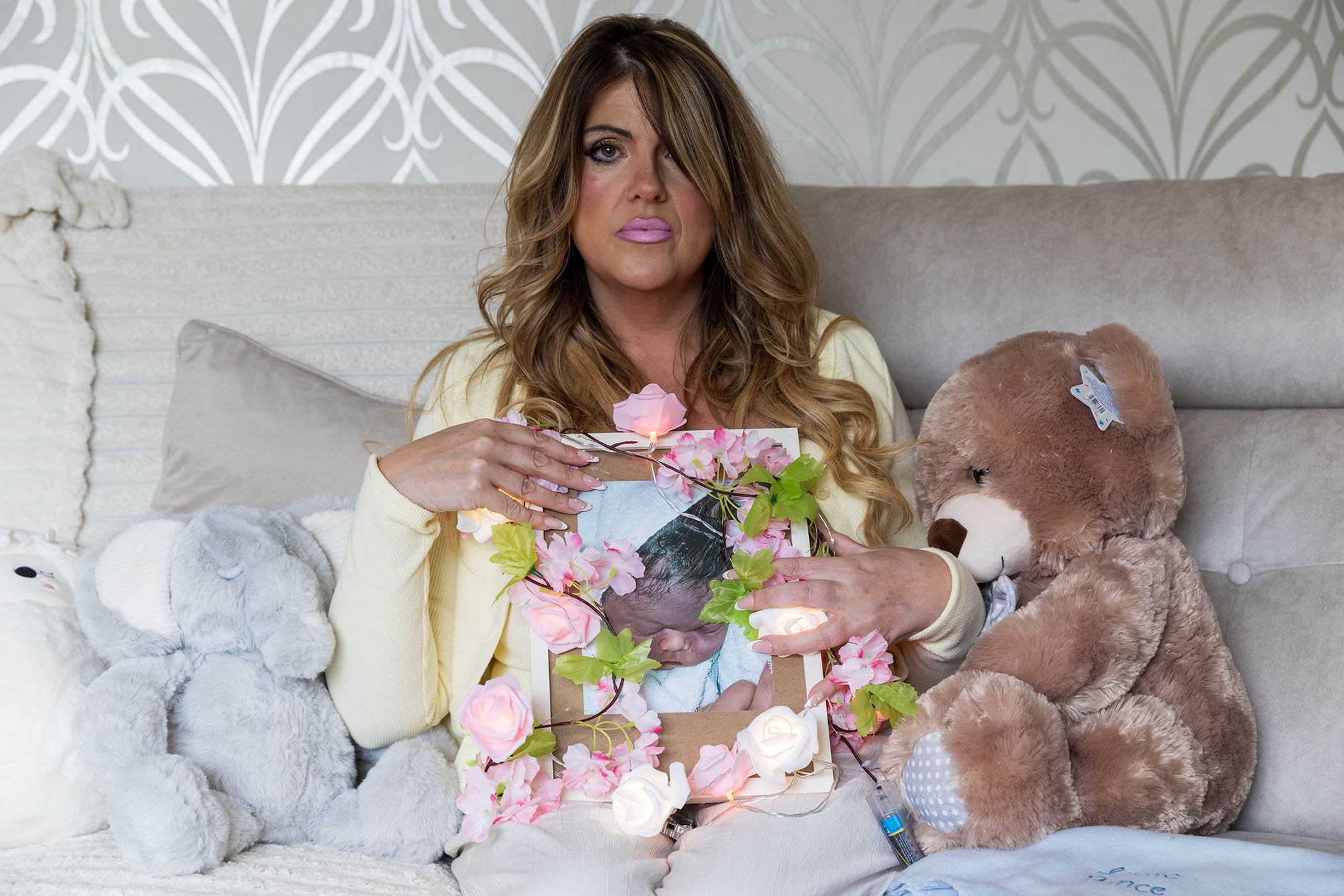
But that feeling of vulnerability to a system in which you and almost everyone around you has lost faith, that continues. There has been a breakdown in trust between women and the system to which they must surrender to give birth. At the moment in a woman’s life when death has never felt so close, the Ockenden report is further evidence of what has long been known: the battles between obstetrics and midwifery, the ideological faultlines between “natural” and “medicalised” births, have left women unmoored and paranoid, and their care no safer.
Newsletters
Choose the newsletters you want to receive
View more
For information about how The Observer protects your data, read our Privacy Policy
As part of a routine questionnaire, midwives now ask second-time mothers how scared they are of giving birth again, on a scale of 1 to 10. If I were to be asked it now, it would be difficult to answer. Scared of the act of giving birth? 5/10. Scared of the state of maternity care? 9/10.