

The UK political system is in danger of falling prey to a shortcut culture. In Italy we know only too well what this means. You think you will gain time and votes, but you end up wasting time and often getting even fewer votes. Why? Because you’ll always have populists and demagogues more capable of offering simplistic solutions and illusions than actually governing. Since 2018, Italy has had two openly populist governments: the coalition between the anti-establishment Five Star Movement (M5S) and the far-right Northern League; then another between M5S and the leftist Democratic Party.
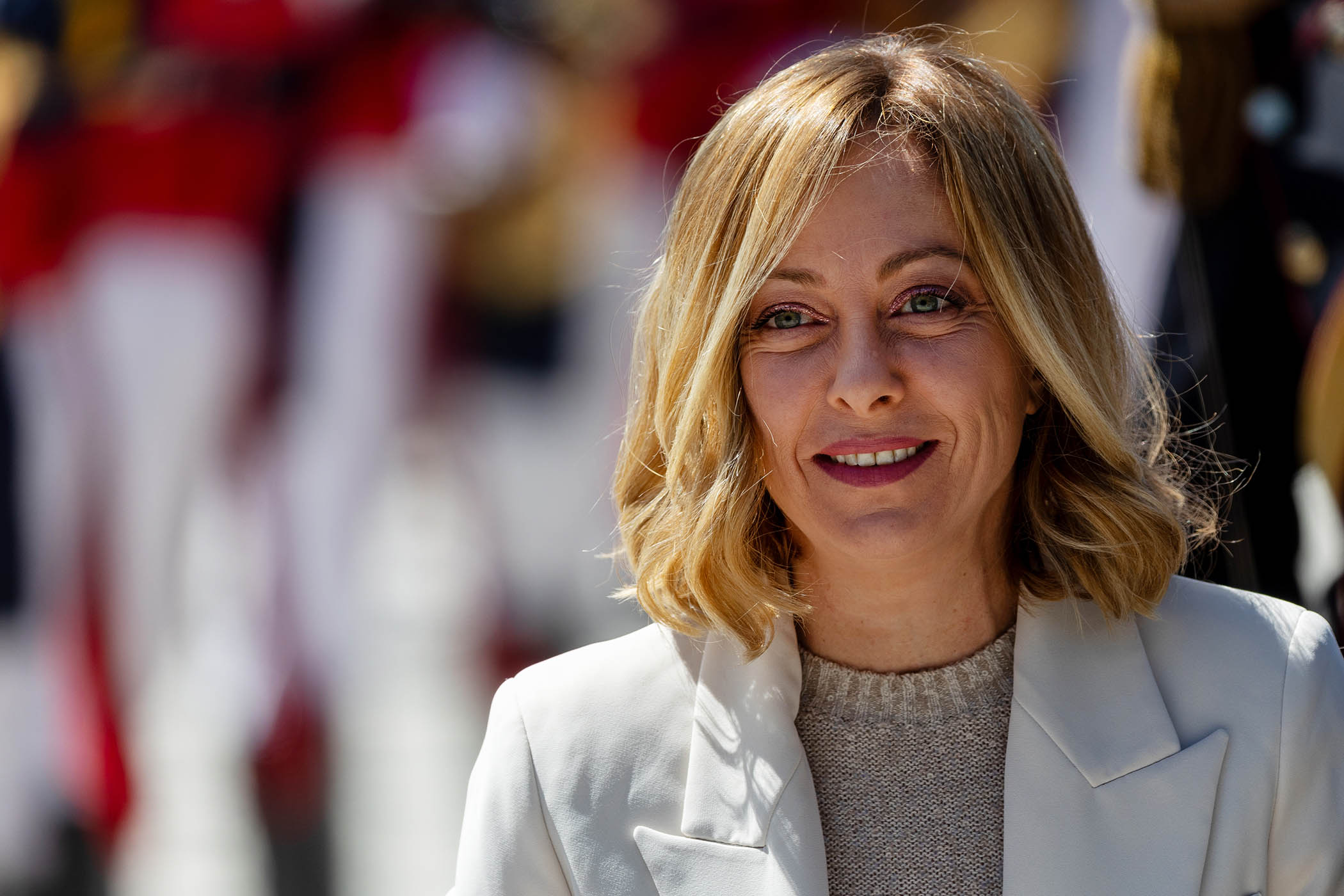
This was a strange kind of opportunism. But the outcome, after the 18-month parenthesis of a national unity experiment with former banker Mario Draghi, was the victory in 2022 of Giorgia Meloni: a rightwing populist who won, while alone and apparently isolated, partly by criticising EU rules. She has since become a supporter of the EU and made the right choice in defending Ukraine against Russia’s invasion. In addition, she mostly kept public debt under control; this was not a given.
It is possible she was trying to make a cultural and political shift towards the moderate centre: an unfinished operation. These days she is hoping to become the longest-serving premier in Italian postwar history – a goal she could achieve in September. But there are growing tensions within the rightist majority, along with the lack of a decent political class and anything resembling a reformist agenda, notwithstanding the huge amount of money she has contributed to Brussels: almost €200bn, which should have been used to make structural reforms and to improve the Italian economy.
But the situation in Italy reflects a broader problem. The end of the cold war did away with the ruling classes, without providing many valid substitutes. The selection, the expertise, the language of politicians changed dramatically, often for the worse. Meloni and most of her adversaries fall into this camp. She has survived so far thanks to her support for Ukraine and because of the right choices made in foreign politics. But the arrival of Donald Trump has paradoxically been a disaster for her and for European populism.
Now, inevitably, the relationship with the White House has soured, while the connection with the EU has been reinforced. But there remains a sense of suspicion from her allies. Her support for Viktor Orbán of Hungary and her tussle with Trump have left a shadow. And her government lost a key referendum on constitutional reform in March, a clear indication that even a popular prime minister cannot change the constitution in a slapdash way.
But Meloni didn’t resign due to the vote, nor was she asked to – a wise decision. The big question now is whether Italy will sacrifice EU financial constraints on the altar of the 2027 elections. The opposition suffers from the same problem: most Italian parties have a populist culture. Now the UK, with Reform and the Greens, is in danger of following suit. Keir Starmer lost local elections and seems destined to be the scapegoat, but the view from Italy is that the British prime minister did well on the international stage with a positive approach to Europe.
One should ask what will happen if the Labour party surrenders to “Conservative syndrome”, firing one leader after another. If the alternative is populism, get ready for a convulsive period of instability. Nigel Farage is well known for his anti-EU, pro-Trump and anti-Ukraine stance. And the UK, along with France, is the only European nuclear power. That’s why the prospect of Farage as PM is so worrying. Shortcuts are illusions, as Italy’s political history demonstrates. The outcome is that we find ourselves close to the bottom of the EU list in terms of economic growth and education – and top when it comes to tax evasion. It’s another record: not an encouraging one, not one to be imitated.
Massimo Franco is a leader writer for Corriere della Sera
Photograph by Tomas Cuesta/Getty Images
Newsletters
Choose the newsletters you want to receive
View more
For information about how The Observer protects your data, read our Privacy Policy