
When Henry Kissinger appeared in a television ad as the business traveller you don’t want to find yourself sitting next to on a flight if you haven’t read the Economist, it summed up the publication’s long-held image as the destination for affluent, globally minded readers.
For almost two centuries, the magazine has endured as the intelligent friend who tells you what to think about the topics du jour, whether it be the Vietnam war (it was for) or Brexit (it was against). George HW Bush was once spotted clutching a copy as he marched across the White House lawn. Microsoft founder Bill Gates has said he doesn’t watch TV because if he did, he wouldn’t have time to read it cover to cover. And perhaps the ultimate validation: Homer Simpson informed Marge about a crisis in Indonesia as he read the Economist after unexpectedly getting bumped up to first class on a flight.
But the British magazine, which still calls itself a newspaper, finds itself in a rare state of turbulence. One of its long-time shareholders is in the throes of selling a significant stake – the first ownership shake-up in a decade. The publication is also facing an identity crisis as its founding ideology to provide a distinctive voice for centrist liberalism is being threatened by rising populism. Adding to that, the all-important editor-in-chief role will soon be up for renewal – a post that will be critical in navigating challenges to its business model as it seeks to expand its readership further and fend off a legion of digital upstarts.
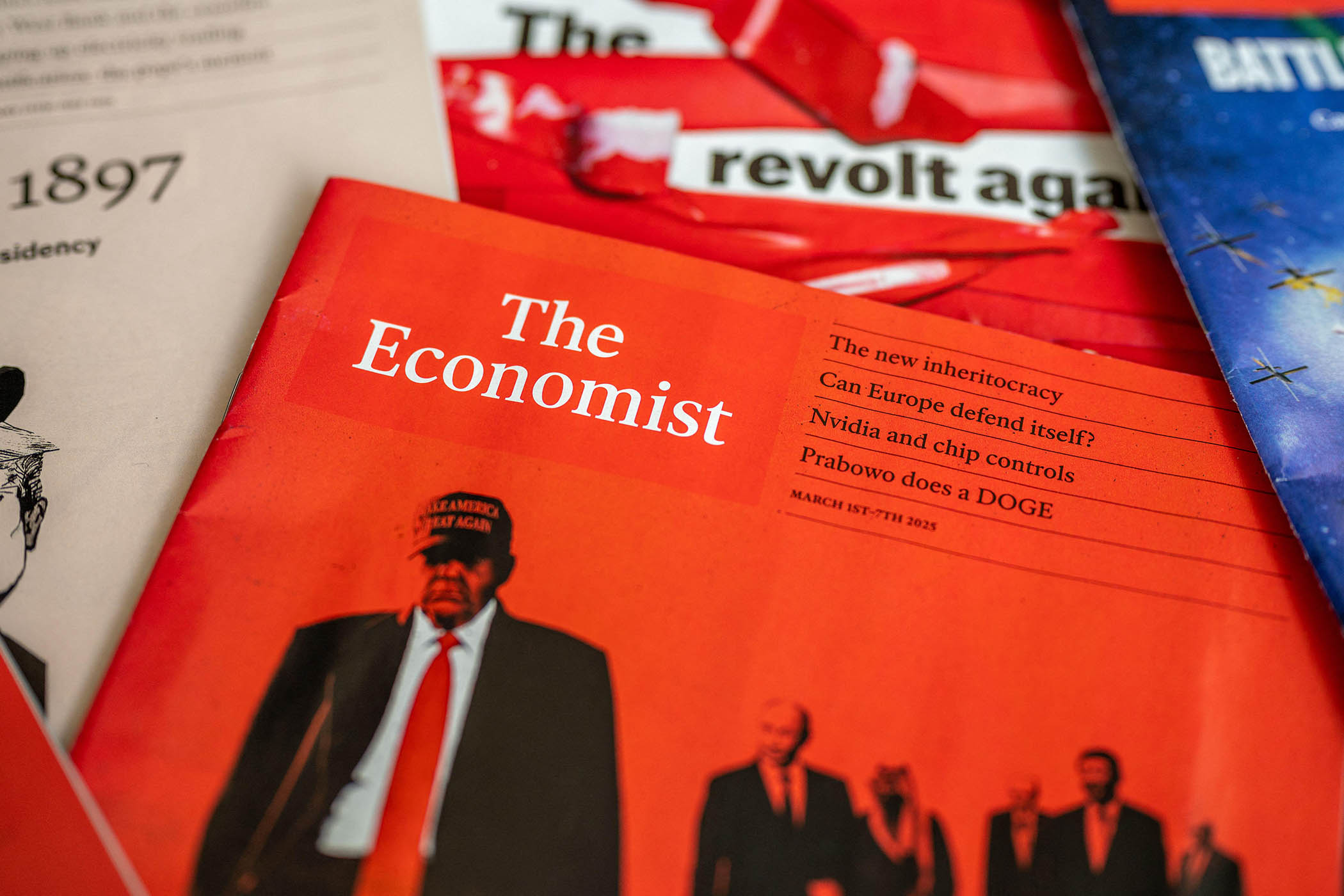
Published in London since being founded in 1843, the Economist has historically been a beacon of stability as the news industry has imploded, delivering steady profits while other news weeklies went into terminal decline. As of 2025, the paper counted 1.25m subscribers; almost 70% digital. A former editor, Bill Emmott, attributes the paper’s success in large part to the fact that it is truly global. “People in Wyoming want to know what’s going on in Tokyo,” he says.
Last week brought news of a changing of the guard in the publisher’s ownership. Canadian Stephen Smith agreed to buy the 26.9% stake in the privately owned Economist Group owned by Lynn Forester de Rothschild, for around £300m. The co-founder of Canada’s First National Financial Corp, Smith has a $6.9bn fortune, according to Forbes, made largely by investing in Canada’s mortgage market.
Little known outside Canada, Smith is the latest billionaire to enter the media fray. He joins some of Europe’s wealthiest families as owners of the Economist, including Italy’s Agnelli dynasty. His unexpected emergence as the buyer of Forester de Rothschild’s stake concluded an eerily quiet sales process for such a prized asset. Big-name media companies including Axel Springer kicked the tyres but quickly retreated after concluding that the inherent lack of control wasn’t for them.
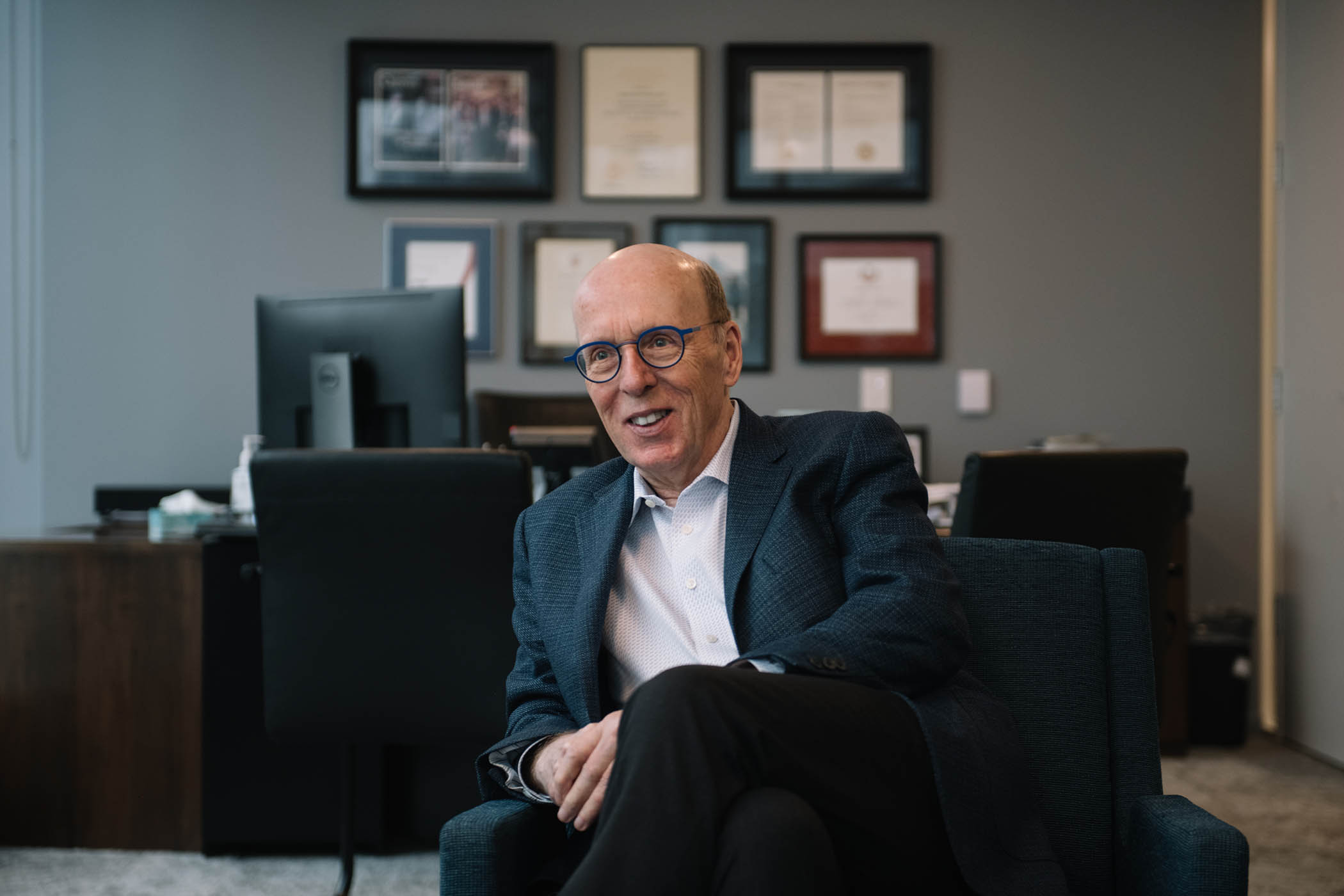
Stephen Smith
When Forester de Rothschild put her stake on the block last autumn, it came as a surprise to many. She had previously said she would never sell it. Why sell now?
Forester de Rothschild, 71, was the third wife of Evelyn de Rothschild, of the banking dynasty, with none other than Kissinger acting as matchmaker. “Isn’t he gorgeous?” she gushed about her husband in an interview with W Magazine.
A confident and intelligent businesswoman from a middle-class New Jersey family, Forester de Rothschild trained as a lawyer and made her fortune in the telecoms business. She moved in high-powered circles and was immersed in Democratic politics, counting the Clintons among her close friends.
Her husband had been a devoted guardian of the stake in the Economist Group after his family helped bail it out in 1928 along with other family dynasties including the Cadburys and the Schroeders. He served 17 years as chairman and put his new wife forward as the family representative on the board in 2002.
Newsletters
Choose the newsletters you want to receive
View more
For information about how The Observer protects your data, read our Privacy Policy
The turn of the 21st century was a heyday for the Economist with then-editor Emmott on a mission to restore the publication’s reputation for radical thinking. The paper came out against the monarchy and for gay marriage. It endorsed Bill Clinton but called for his resignation after his affair with Monica Lewinsky. An issue entitled “Why Silvio Berlusconi is unfit to lead Italy” attacked the Italian premier for his legal problems, conflicts of interest and alleged links to organised crime. Berlusconi sued t he paper and a publication owned by the premier’s brother Paolo branded the Economist “The E-Communist”.
But the board was anything but radical. When Forester de Rothschild joined, she brought her trademark enthusiasm and energy to her role as a director. She was a big voice and frequently challenged the status quo, say former board members. One of her biggest campaigns was a push for the company to pay out higher dividends – a move some board members mused might, at least in part, be driven by her glamorous, high-consumption lifestyle. They noted that the De Rothschilds jetted around the world in a Gulfstream while being vocal about climate change.
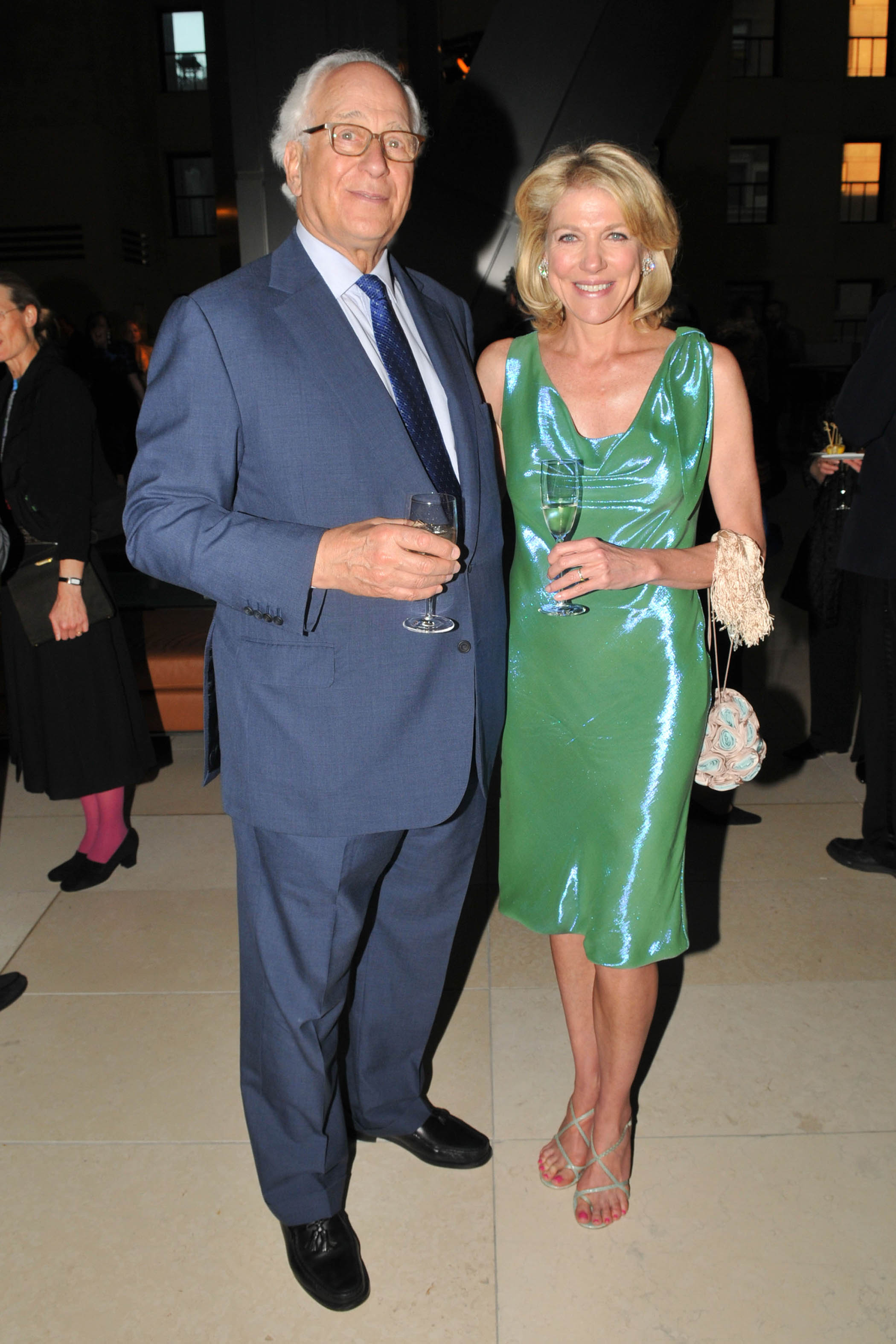
Evelyn de Rothschild and Lynn Forester de Rothschild in 2010
Her style of boardroom politics soon began to grate on some of the other directors. While some felt she was always well prepared and created an atmosphere of vigorous debate, others saw her as overly contrarian and provocative.
“She was punchy, not trying to be a diplomat,” says one former board member. A source close to the board adds: “Her approach didn’t bring out the best in people. There’s a way to pose a question, not batter them.”
The company’s digital transition was one battleground. Forester de Rothschild felt the company should be moving faster. At one point, she agitated to replace a top executive with someone more digitally minded, say sources close to the board. She seeded the idea to people individually but the broader board snuffed out her campaign, they said.
As Forester de Rothschild continued to push for higher dividends, she found herself at odds with fellow director John Elkann, who believed any cash should be reinvested in the business, according to other sources close to the board. Elkann, the heir to the Agnelli family empire, increased his family’s holding to 43% in 2015, becoming the most influential shareholder when he bought most of the stake previously owned by the Financial Times.
Not long after, then-chairman Rupert Pennant-Rea led a charge to reshuffle the board and Forester de Rothschild stepped down. Sources close to the board at the time said she had been “edged out”. The De Rothschilds appointed Eli Goldstein, a new (more diplomatic) representative to the board.
Forester de Rothschild did not respond to requests for comment. The Economist declined to comment.
In 2022, De Rothschild died aged 91 and his wife inherited the stake. Two years later, she had a new partner – Maurice Saatchi, who announced their relationship in a series of interviews about his book Orgasm – and the pair made a failed bid to buy the Telegraph. By last October, she had decided to throw in the towel on the Economist and she started the process to sell her stake.
It had been a torrid year for Forester de Rothschild. Earlier in 2025, the Guardian reported that her late husband had been accused of abusing women at his bank in the 1990s. In a memo to staff, the family’s London-based investment bank NM Rothschild, where he was chairman for more than 20 years, confirmed: “We discovered a single complaint of sexual misconduct in late 2003.” The memo continued: “This case was investigated immediately, dealt with appropriately, with full support for the colleague concerned, and led to Sir Evelyn de Rothschild leaving the group in March 2004.” It added: “We have found no record of any other complaint relating to Sir Evelyn.”
Forester de Rothschild had faced her own fair share of controversy because of her one-time acquaintance with Jeffrey Epstein. The disgraced financier’s lawyer, Alan Dershowitz, testified under oath that Forester de Rothschild had introduced him to Epstein in 1996 at her home in Martha’s Vineyard. In files released by the US Department of Justice in January, Peter Mandelson also describes meeting Epstein at that house. Ghislaine Maxwell meanwhile claimed in a prison interview last July that Andrew Mountbatten-Windsor first met Epstein there, although Forester de Rothschild has denied that and says she cut ties with Epstein in 2000. There is no suggestion of wrongdoing on her part.
There are other changes afoot for the Economist, not least the prospect of a new editor-in-chief in the not-too-distant future. The current editor, Zanny Minton Beddoes, was the first woman in the role (creating a female trifecta with her counterparts at the Financial Times and the Wall Street Journal), and she has been widely praised for steering the magazine at a particularly challenging time, although some question whether it has the same buzz it once had.
According to one source, the board recently asked Minton Beddoes to stay on for another two years. Her extension prompted the sudden resignation of senior editor, Patrick Foulis, who was seen as a strong contender to succeed her.
No doubt foremost on the board’s mind was steadying the ship at a critical juncture with a proven leader who has become the face of a publication known for its journalistic anonymity. That anonymity has historically been the Economist’s lodestar in leveraging all the brains in the room to come up with the best analysis, but it has posed an issue as journalism trends more toward individuals than institutions and readers are heading to platforms like Substack to follow their favourite writers. The Economist has attempted to address that trend with a new video series featuring Minton Beddoes and other top editors. It has also launched a popular range of podcasts.
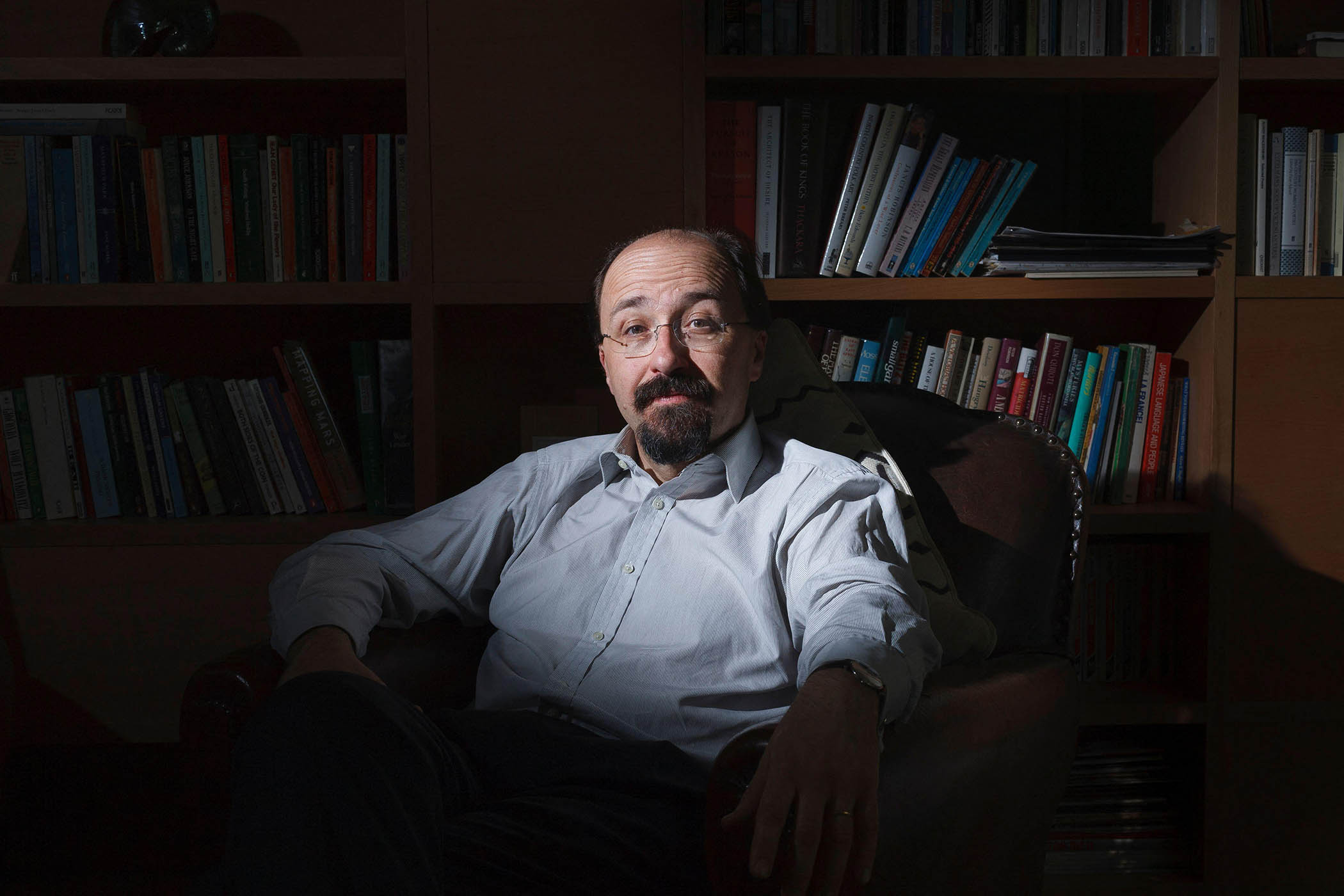
Former Economist editor Bill Emmott
How much more the Economist can expand its readership as a specialist publication is also unclear. The paper did an impressive job of conquering the US, which is now its biggest market, but like many legacy publications, it has struggled to attract younger readers, not least because of the decline in reading for pleasure and the rise of AI which is changing the way people search for news.
Yet the real crisis may lie in its liberalist roots. Founded by a Scottish hat maker to campaign for free trade, the Economist has stuck fiercely to that mission. Alexander Zevin argues in his book Liberalism at Large: The World According to the Economist that the magazine has played such a big role in promoting liberalism that it shaped the world its readers inhabit. But it now finds itself at a crossroads as the modern world turns against liberalism – a trend the Economist has described as “profoundly worrying”.
“When the Economist was founded 175 years ago, our first editor, James Wilson, promised ‘a severe contest between intelligence, which presses forward, and an unworthy, timid ignorance obstructing our progress’,” the Economist wrote in a manifesto to mark its anniversary. It concluded: “We renew our pledge to that contest. And we ask liberals everywhere to join us.”
Forester de Rothschild had no easy task to find a new shareholder for her stake in the magazine. There are strict guardrails put in place to protect the Economist’s independence, leaving shareholders with limited control, so those who do buy into the company are largely seeking the cachet or for philanthropic reasons. Whereas the landscape is littered with billionaires tinkering with media toys.
Smith claims he won’t be one of those tinkerers. The 74-year-old, who is investing through his Smith Financial Corp family holding, said in a statement that he has “full support for the Economist’s longstanding tradition of rigorous editorial independence.” A one-time computer coder and engineering graduate with a keen interest in cycling, Smith has a track record in philanthropy, including donating liberally to universities in his home province. He has yet to be approved by the Economist’s board and the trustees, who have the final say on such changes, but he confirmed the deal last week after a regulatory filing for the deal leaked out.
The value of the deal has not been disclosed but a source said it valued the Economist Group at around £800m. “He appears to be rather like the Economist,” says former board member David Bell. “A little bit right of centre, but not too much.”
Photographs by Bertrand Guay/AFP via Getty Images; Galit Rodan/Bloomberg via Getty Images; Jonathon Ziegler/Patrick McMullan via Getty Images