

Andy Burnham will find his Downing Street in-tray filled with economic and social challenges. We asked eight experts how he should tackle them. In this analysis, Greg Jackson looks at energy. Click here for the rest of the series
The new prime minister has an energy dilemma: either slash bills or continue towards net zero. That is false framing. The current path is expensive, relentlessly increasing costs for families and businesses. It doesn’t have to be like this.
The government has used sticking plasters rather than cutting underlying costs. Whether it be through schemes to lower electricity bills for 10,000 “energy intensive” businesses or mechanisms such as the warm home discount and winter fuel allowance, little has been done to address the fundamental problems.
Visiting China is eye-opening: 37% of new trucks, including 49-tonners, are electric, as are all two-wheelers, city taxis, buses and, increasingly, private cars. China’s economy is roughly 33% electrified and growing. Ours is 22% and electricity consumption has declined by a fifth in 20 years. China is switching coal for cheap wind and solar. They are responsible for nearly 70% of all solar and wind power projects being built globally. Not for the climate, but for cost and security. Electric cars are no longer toys for rich people.
The future is electric, but UK electricity is so expensive that manufacturers are fleeing or closing, data centres are skipping us and households are struggling. Economic growth requires our goods and services to outcompete those of other countries. But high energy costs make this difficult. One leader told me his company’s electricity costs had been on parity with the US 20 years ago but are now four times higher.
A new government can cut costs with solutions shown to work elsewhere. Reform of the wholesale market would save £6bn a year by 2040 and could reduce bills by 10-20% by putting more wind and solar to use at lower cost, rather than paying it to switch off on windy and sunny days. Incumbents threatened the last government that they’d stop investing if the reform was introduced, but locational models are the norm in the OECD and the same companies happily invest in those countries.
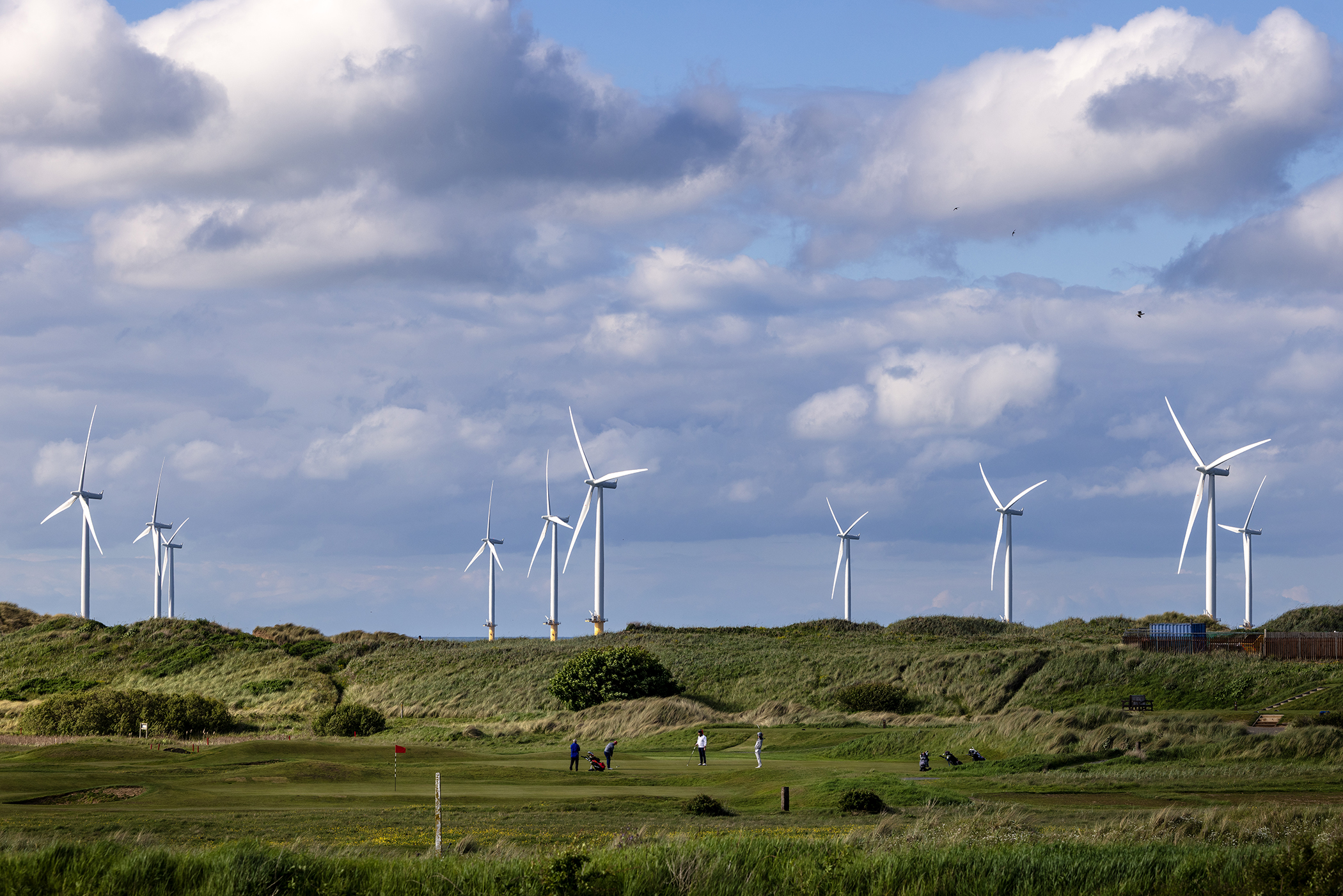
Britons love clean energy if it brings down bills. Australians in several states now enjoy three hours a day of free electricity. Octopus’s Fan Club, which gives 50% off electricity from local wind farms on windy days, saw 36,000 communities ask for wind farms. Onshore wind and solar are our cheapest method of generation.
Allowing Chinese companies to make wind turbines here could save £30bn, create thousands of jobs and transfer world-leading technology to the UK. Such plans were blocked previously after intense lobbying but we seem OK with Chinese cars, solar panels and phones.
Intelligently automating EV charging, heat pumps and home batteries will enable us to accommodate vastly more electricity in our networks without having to build much more capacity. An urgent review of all grid and network build plans will save tens of billions, currently destined to keep pushing up electricity prices for decades.
This “smart grid” technology cuts costs but also frees up capacity for data centres, manufacturing and housing. The technology works, but UK regulation and grid-management rules are so out of date we barely use it. Instead, we just keep planning to build more and more bloated infrastructure. With smart grid and regulatory overhaul we could accommodate so much more while building vastly less.
Newsletters
Choose the newsletters you want to receive
View more
For information about how The Observer protects your data, read our Privacy Policy
Finally we need to stop using energy bills as a dumping ground. We need to slash subsidies for dead-end technologies such as carbon capture for gas plants, and hydrogen for heating, which really served to “compensate” the fossil fuel industry.
Instead, let’s use the North Sea. Primarily, we should reduce gas dependency (it has cost us dearly, perhaps as much as £150bn across the Ukraine and Middle East conflicts, and local sourcing wouldn’t stop that), but for as long as we need to it is indefensible to ship more gas around the world than necessary. It creates higher emissions, pays taxes to foreign governments and maintains jobs overseas instead of here.
A clean future can be a cheaper one but we can’t just wish it into place. It needs a major overhaul. Getting this right will deliver relief to families and businesses but getting it wrong will consign Britain to a decade or more of sclerotic growth.
Greg Jackson is founder and CEO of Octopus Energy
Photograph by Gary Calton for The Observer
______________________________
Other articles in this series: