
Andy Burnham will find his Downing Street in-tray filled with economic and social challenges. We asked eight experts how he should tackle them. In this analysis, Sam Freedman looks at higher education. Click here for the rest of the series
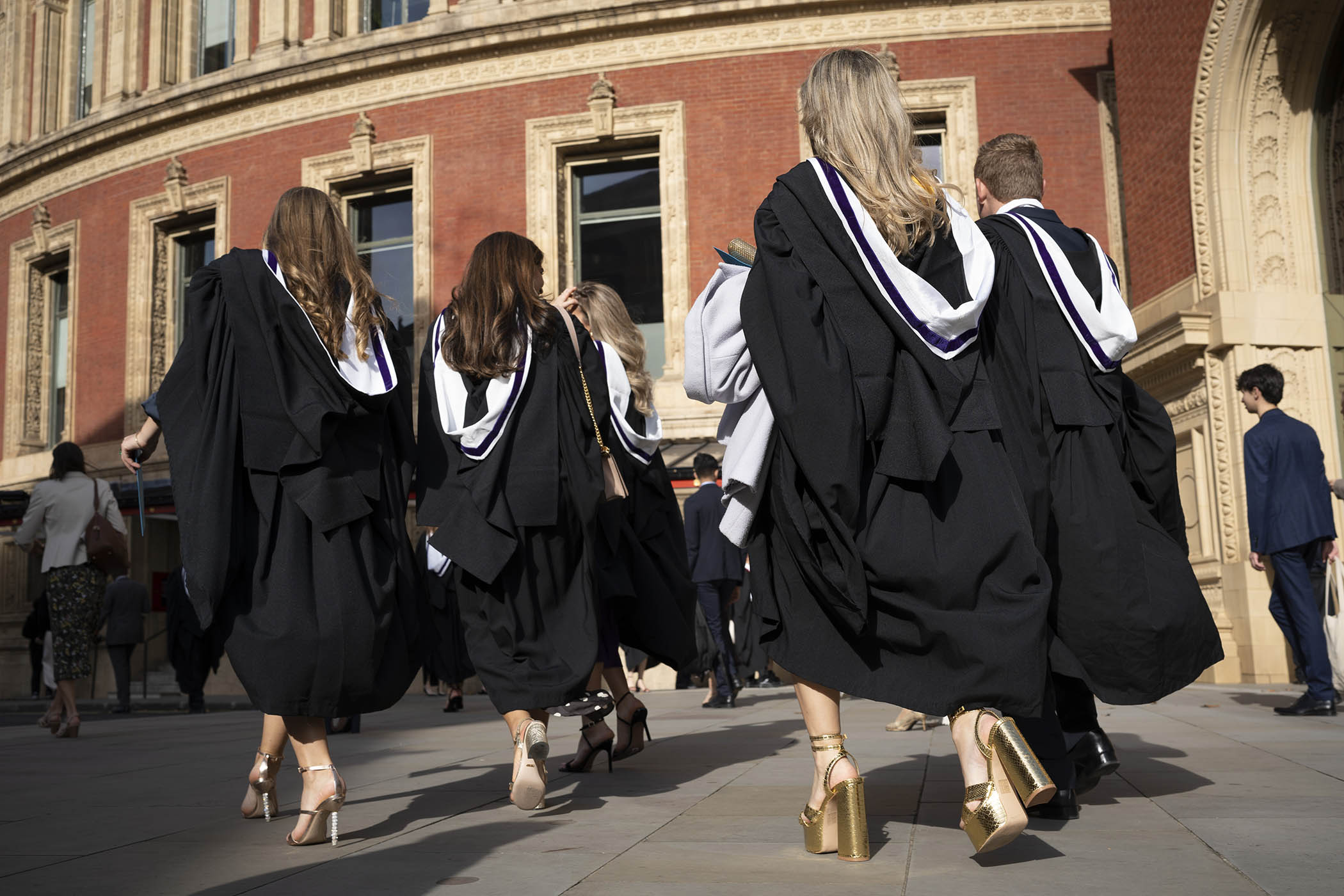
One of the most persistent ideas in British politics is that too many young people go to university when they should be doing apprenticeships. Politicians love saying it because it taps into nostalgia about an imagined industrial past, while also picking up on growing frustrations with higher education.
It’s true that there are too many poor-quality degrees, the marketisation of HE hasn’t worked, there has been too much reliance on international students, and university management is often weak and focused on the wrong things. But to think the answer is trashing the sector even more thoroughly is profoundly wrong-headed.
A recent report from the thinktank Policy Exchange, endorsed by both the Tories and Reform, proposed slashing university numbers by 30% over five years. That would force numerous institutions to close and create a financial crisis as lenders withdraw from the sector. More importantly, it would mean the 200,000 school leavers in every cohort no longer going to university have nowhere to go.
It’s easy to talk about creating more apprenticeships but hard to do, especially at a higher level, because they rely on employers being willing to accommodate trainees. Even if regulatory requirements were reduced and more funding offered by government, there is a hard limit to availability. Last year there were only 7,000 18-year-olds doing higher-level apprenticeships. They’re also often poor quality – with only about 60% completed (much lower than even the most troubled degree courses).
Countries such as Switzerland and Germany whose education systems are built around apprenticeships have completely different labour markets to us, with far more skilled technical jobs in sectors with long-established training models that all employers buy into. We are much more dependent on graduate jobs in services.
The lack of good apprenticeships means that, in practice, closing universities would push young people into lower level qualifications that tend to have poor outcomes. Most good jobs in both professional services, and the industrial sectors where we are globally competitive, now require qualifications at degree level or just below.
So the Policy Exchange proposal would mean closing dozens of universities that have a strong local reputation and are major employers in their area, while leaving young people worse off on average. There’s a reason why no other country has embarked on a policy to eviscerate its higher education sector, even though in many of them far more young people study to degree level.
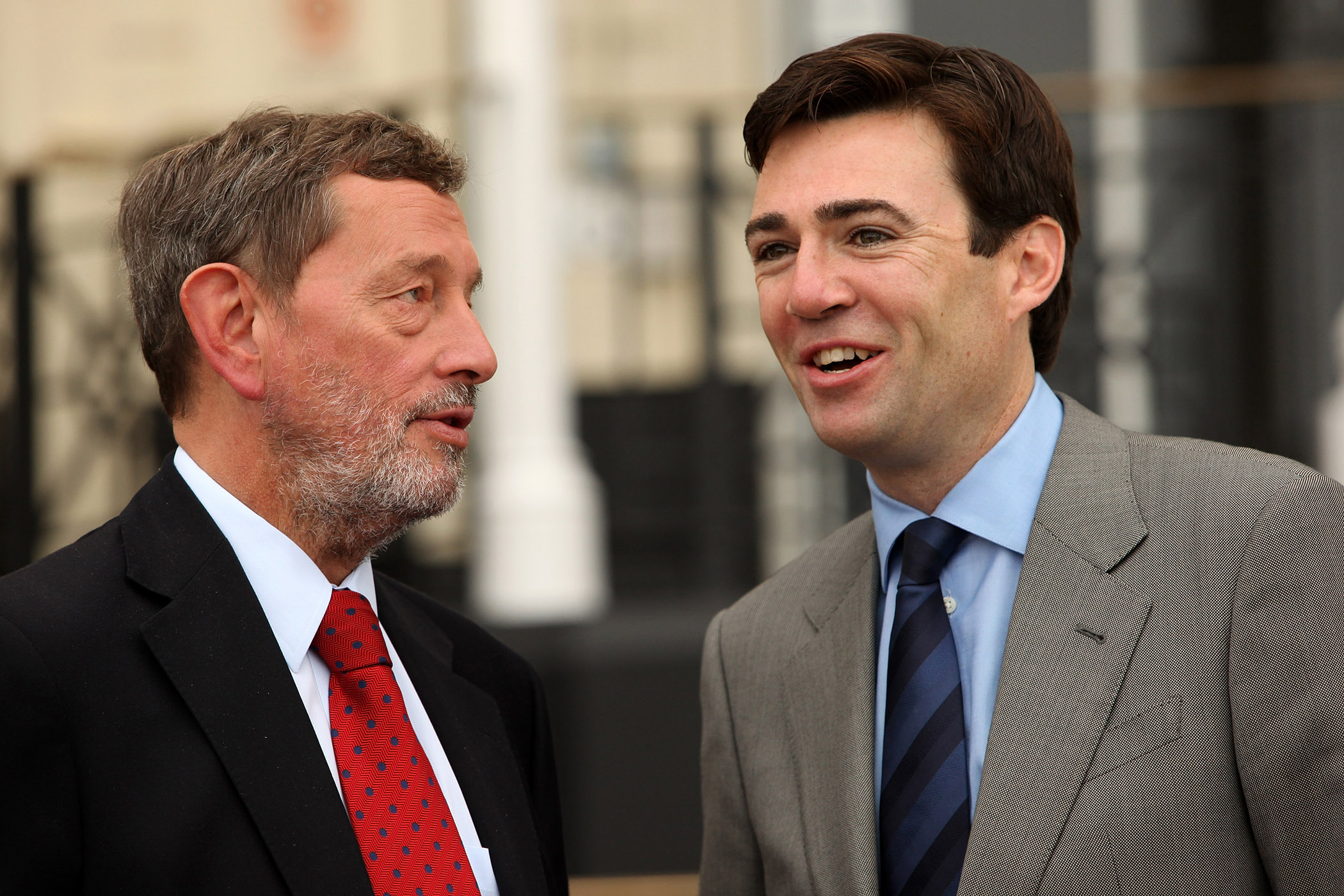
A much better answer is to use universities, which already have a high status, to provide a wider range of training that suits more young people, and works for the economy we actually have. Andy Burnham sometimes lapses into the tired university versus vocational dichotomy, but he understands how integral they are to their local economy given his experience in Greater Manchester. He’s also appointed a chief of staff, James Purnell, who ran the University of the Arts London (UAL) from 2021-2024. UAL is well known for its focus on employability, offering numerous degrees with heavy vocational content and input from relevant companies. There’s enough experience in No 10 to understand the way forward.
What might that look like? We could start by making universities central to devolution, and have them work more closely with mayors and local employers to support education across their region. They could be encouraged to join forces with local further education colleges, creating more institutions that look like University College Birmingham, which offers everything from GCSEs to postgraduate degrees. They could also be incentivised to offer a wider range of degree models outside of the standard three-year undergraduate programme.
Newsletters
Choose the newsletters you want to receive
View more
For information about how The Observer protects your data, read our Privacy Policy
In many ways this would be a return to the pre-1992 model where polytechnics were local authority controlled and offered a full range of courses, but without the unnecessary binary split between universities and “polys”, and with mayors able to operate more strategically than LAs were able given their wider economic remit.
This would all require significant regulatory and funding reform but it would be an approach that suited our labour market and built on the status of universities instead of undermining them. Rather than having fewer young people go to university we should have far more, but doing a wider range of courses that better suit our future needs.
Sam Freedman is a senior fellow at the Institute for Government
What are your thoughts on this? Send us a letter to letters@observer.co.uk
Photograph by Richard Baker / In Pictures via Getty Images
______________________________
Other articles in this series: