

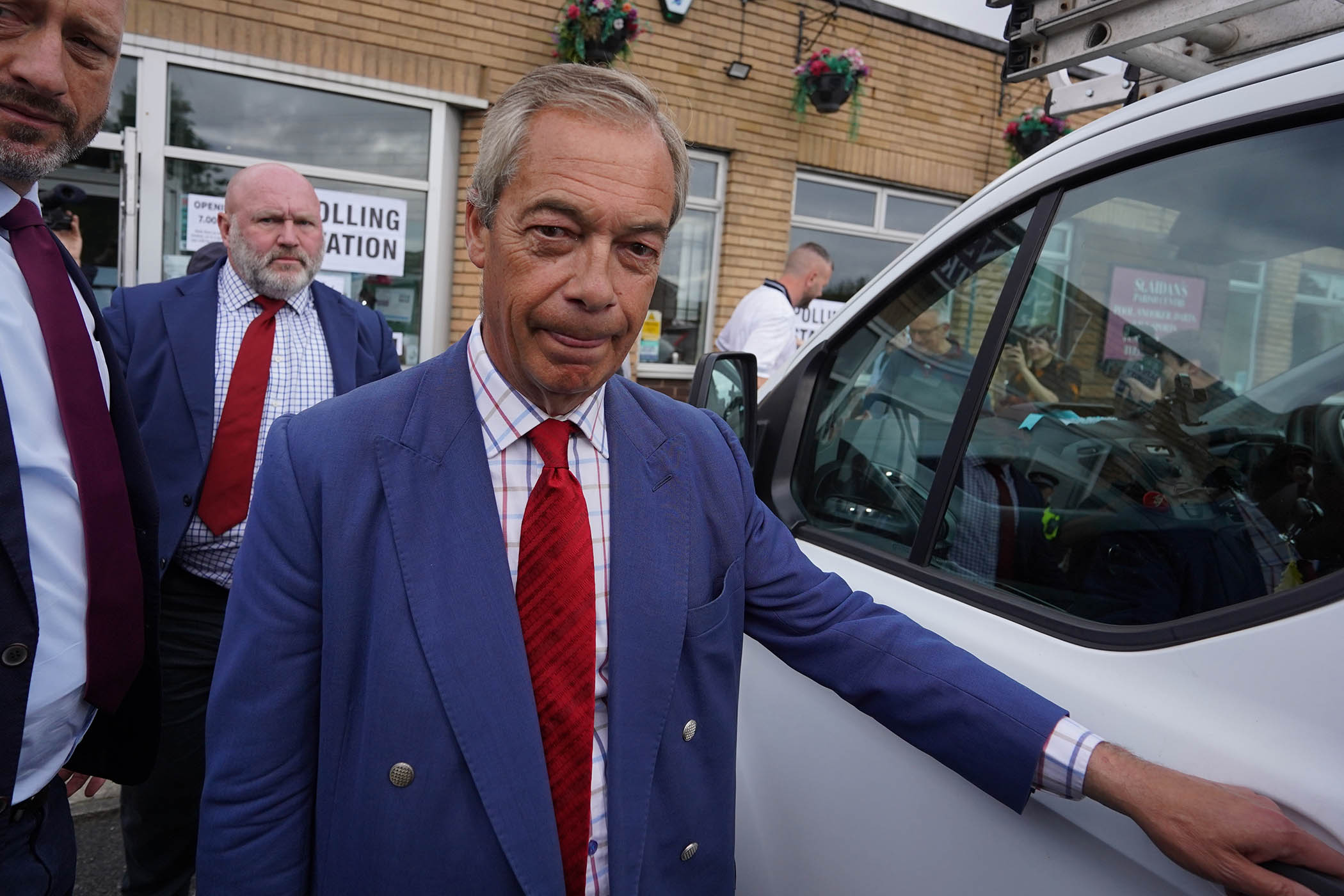
Three weeks after the US and Israel launched strikes against Iran, the Reform UK leader Nigel Farage is still struggling to formulate policy on a war which has caused confusion and division in senior party ranks.
While Keir Starmer has won praise for a firm position and refusing to support offensive operations in a war without “a viable thought-through plan”, Farage and senior Reform figures have zigzagged in their positions on an almost daily basis.
Two days after the first missiles struck, Farage was in a belligerent mood, suggesting at a London press conference that the UK should row in behind the US.
“The gloves need to come off,” he said. “We need to accept that we're part of this with the Americans.” He said he supported regime change.
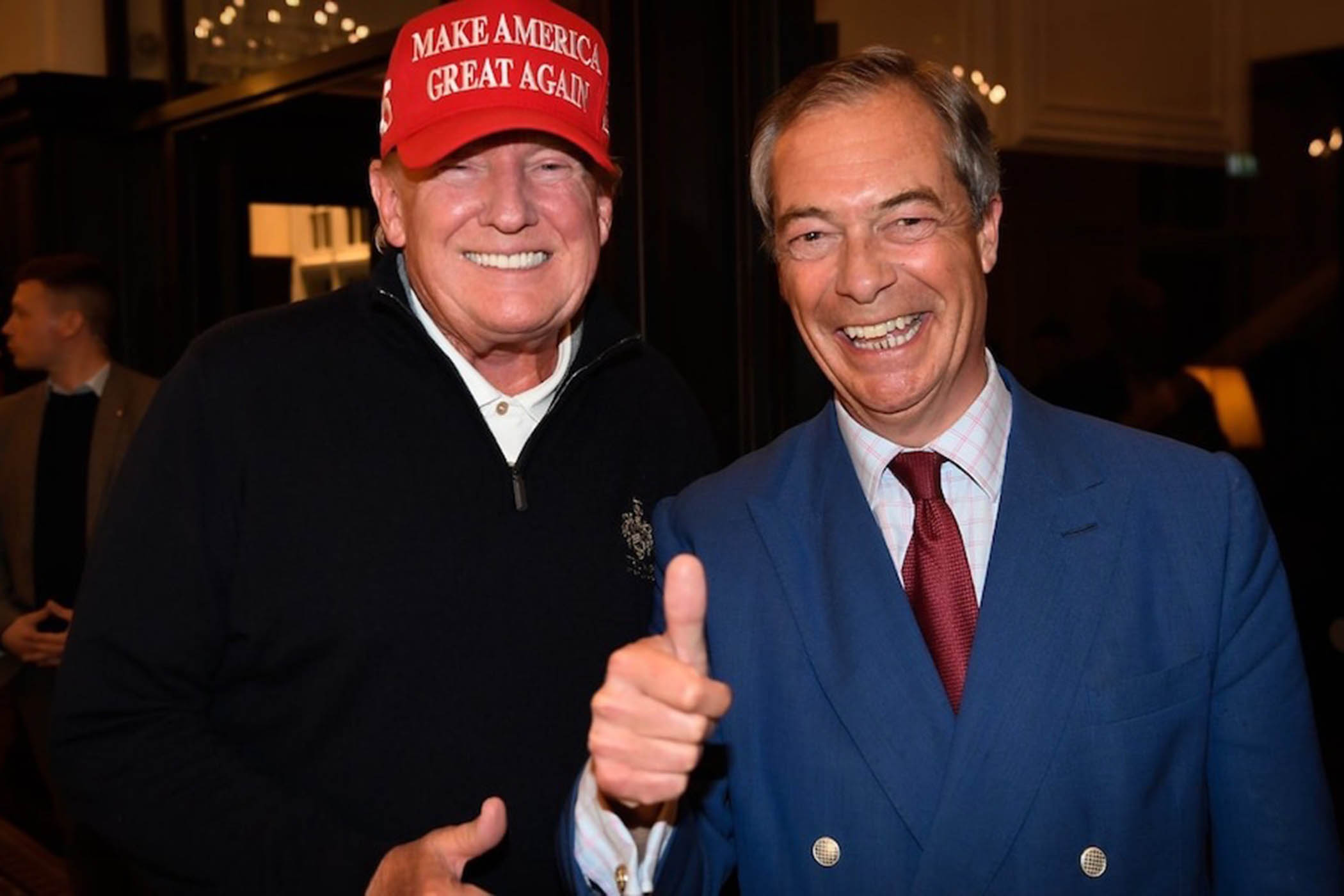
In the first week of the war, Farage headed to Donald Trump’s Mar-a-Lago club in Florida, hoping for a dinner with the president. But Farage missed out after Trump changed his itinerary, with Reform sources suggesting the relationship between the two populist politicians had cooled.
Richard Tice, the party’s deputy leader, was even more bellicose in the early days of the war in an interview with Saudi news channel Al Arabiya English. In response to a question on whether a Reform administration would have used the RAF to bomb Iran, he said: “We would be helping the Americans and Israelis in any way they saw appropriate. If requests were made, we would have been saying ‘yes, we’re pleased to help’.”
Tice said the conflict would cause a “short-term bump” but the medium and long-term opportunities were “potentially very good for everybody”.
On 6 March, as Tice was explaining the potential upsides of a Middle East war, the price of Brent crude oil was surging towards $100 a barrel. On the same day, UN secretary general António Guterres warned that “unlawful attacks” in the Middle East were harming civilians and posed a “grave risk to the global economy”.
An Ipsos poll conducted in early March found more than four out of five (83%) of Britons were concerned about the impact of the conflict on the UK economy, and specifically fuel prices and energy bills. More than half of Britons (56%) said they disapproved of military strikes against Iran.
On 9 March, Robert Jenrick, a former Tory shadow minister who defected to Reform in January, staked out a new party position more in line with public opinion. The party’s position was simple, he said. Reform was a party for working people and “not drawn-out wars in faraway places”, he said.
Newsletters
Choose the newsletters you want to receive
View more
For information about how The Observer protects your data, read our Privacy Policy
He wrote: “We are still reeling from the eye-wateringly high inflation triggered by the war in Ukraine and this is only going to prolong the pain. That’s why Nigel Farage immediately ruled out suggestions that the UK might deploy boots on the ground. Nor do we see why British aircraft should become involved in offensive action.”
Farage attempted to clarify Reform’s position in media interviews in Buxton, Derbyshire, the next day, saying “There are differing opinions as to whether we should physically join the attack. If we can’t even defend Cyprus, let’s not get ourselves involved in another foreign war.”
On Question Time on Thursday evening, James Orr, Reform’s head of policy, tried to draw together the various positions on the Iran war. He said Farage had been clear the UK should permit use of its bases and claimed Starmer “came around to our position”.
Orr described the US objectives for the war as “clearly muddy” and lacking clarity. It was a verdict that could just as well be applied to Reform’s response to the Middle East crisis, which for once has been out of step with many of its supporters.
Starmer has said the UK will only permit the use of UK bases for defensive operations. Downing Street said on Friday it would allow the UK to use its bases for strikes on Iranian sites targeting the Strait of Hormuz, still on the basis of collective self-defence.