
Franklin D Roosevelt asked voters to “judge me by the enemies I have made”. Successful political leaders have always defined themselves as much by who they are against as who they are for.
Margaret Thatcher branded the leaders of the miners’ strike the “enemy within” and later set herself up in opposition to Europe, declaring “no, no, no” to the European Commission president Jacques Delors. Tony Blair differentiated New Labour from old by scrapping the socialist clause IV, then lamented the “scars on my back” caused by reactionary forces in Whitehall. The populists have no trouble finding people to blame for all the country’s troubles, whether immigrants for the right or billionaires for the left.
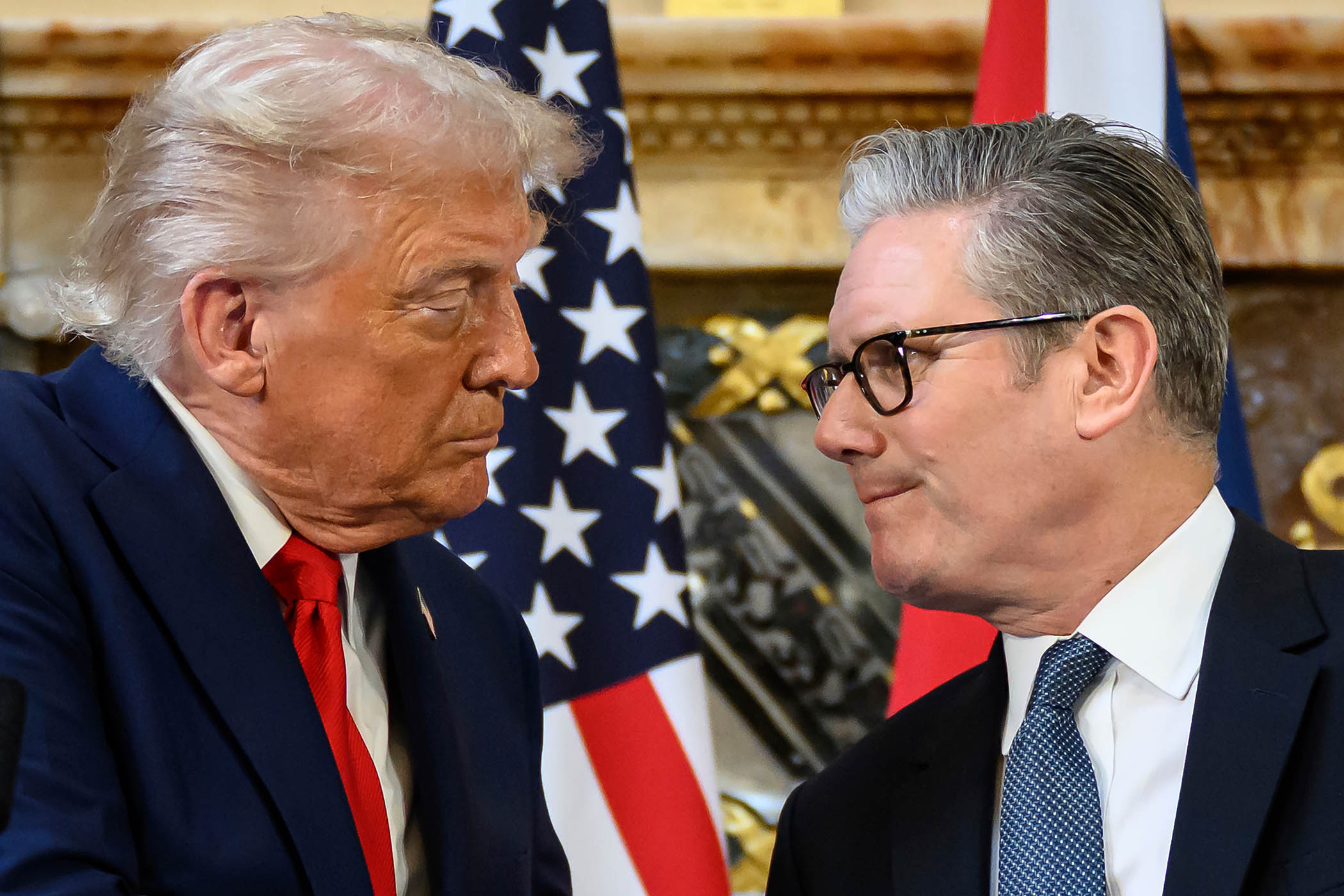
Now Keir Starmer is getting a powerful new enemy in the White House – and it could be the making of him. The jibes have been coming thick and fast since Donald Trump suggested that the prime minister was “not Winston Churchill”, and instead of trying to smooth things over, No 10 seems to be relishing the fight.
In his latest attack this week, the US president said he was “not very happy with the UK” and accused Starmer of “terrible” leadership for refusing to send warships to the Middle East. Yet the prime minister held his ground, insisting Britain would not “be drawn into the wider war” and vowing to “stand firm” in the face of pressure from Washington. “Hanging onto President Trump’s latest words is not the special relationship in action,” he said earlier this month.
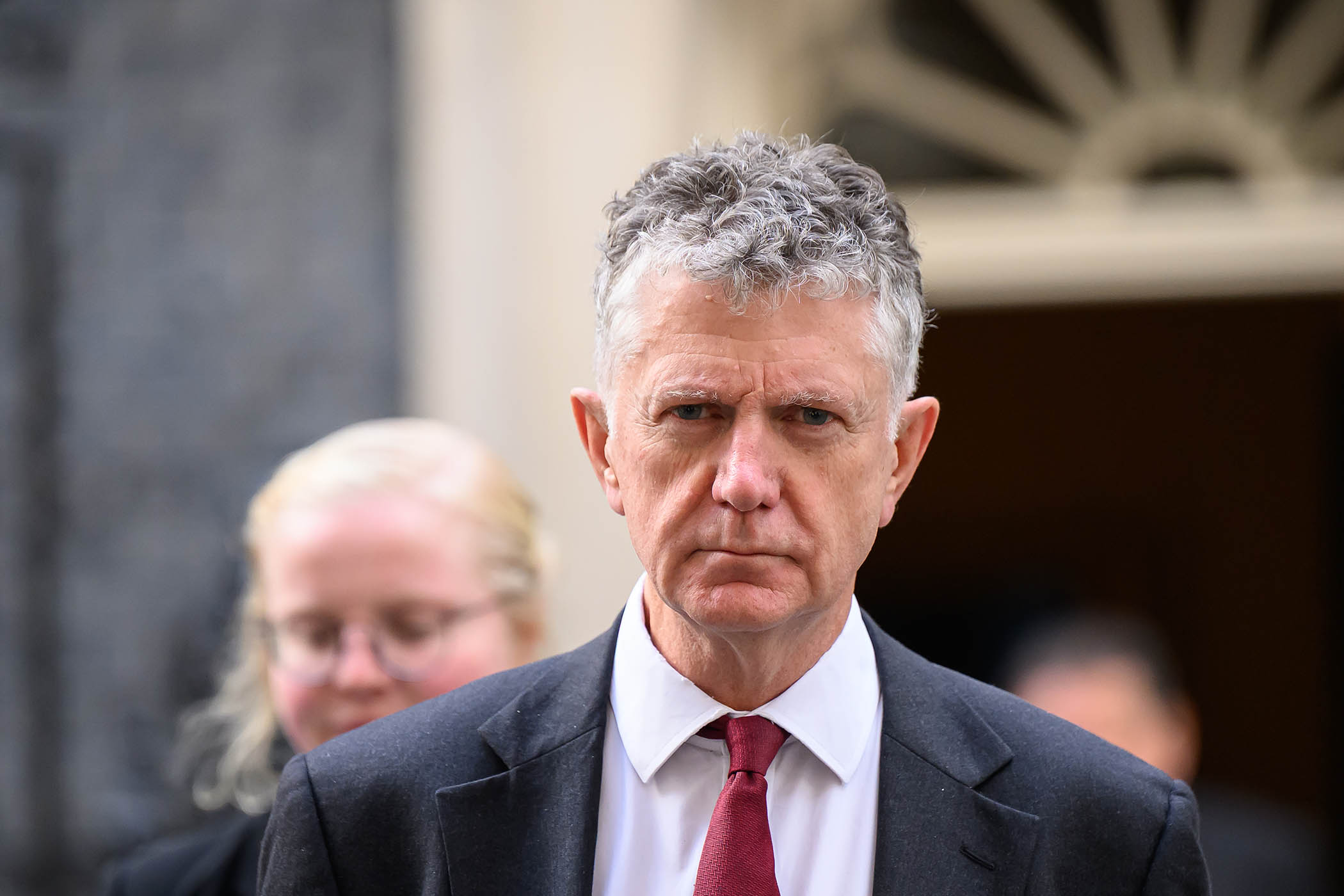
Jonathan Powell believed a peace deal with Iran was possible
The revelation that Jonathan Powell, Starmer’s national security adviser, was at talks between the US and Iran in Geneva and believed that a deal was possible - just days before the negotiations were blown up by air strikes on Tehran - has demolished Trump’s accusation that Britain did not want to be “involved” in the Middle East. The UK was involved at the highest level right from the start, but in an attempt to bring peace – not war – to the region. This may be one reason the prime minister seems so confident in his position even if it puts him in conflict with Trump.
It is not a fight that Starmer ever wanted, but it is working for him. There is something authentic about the former human rights lawyer’s determination to defend international law and the rules-based world order against a president who believes that “might is right”. The prime minister’s personal ratings are slowly but surely improving as voters see him standing up to a bully. The latest Opinium survey for The Observer found a 7% boost in his ratings. On Mumsnet, seen as a bellwether of political opinion in middle England, one of the most popular recent posts read: “The impossible has happened – Trump has made me a Keir Starmer supporter!” In a survey of 1,036 people, 73% of respondents said this support was “not being unreasonable”.
Even Kemi Badenoch, leader of the Conservatives, felt obliged to stand up for Starmer this week, accusing the president of “childish” behaviour and saying she found the words coming from the White House “quite shocking”. Deborah Mattinson, the Labour peer and Starmer’s former director of strategy, says: “Keir resists what he sees as the conceit of the ‘ism’. But, nevertheless, Starmerism is starting to emerge. It derives in part from his calm, thoughtful modus operandi, but real definition comes, as it always has, from which battles he chooses to fight and which he resists. He has made Britain’s place in the world a priority and is now able to clearly demonstrate how this is inextricably linked to domestic challenges such as the cost of living crisis.”
The prime minister is not going out of his way to be rude to Trump – that is not his style – but he does not need to, because the president is creating the tension between them. Around the world leaders including Mark Carney, Anthony Albanese and Mette Frederiksen have benefited from distancing themselves from Trump. Now Starmer is gaining from the president’s reverse Midas touch too.
Trump has made a career out of defining himself by his enemies – the judiciary, the media, the universities, immigrants, Europe and Nato have been among his many targets. But strong leaders also need friends. Yesterday, the president said “we don’t need help” from allies to escort ships through the Strait of Hormuz. He also lost Joe Kent, his National Counterterrorism Center director, who said Iran had posed "no imminent threat" to the US. There is no satisfactory end of the war in sight. “The last thing you can be as a powerful leader is isolated, because if you’re isolated you look weak,” one senior Labour figure says. “And right now Trump looks very isolated indeed.”
Photographs by Leon Neal/Pool Photo via AP, Leon Neal/Getty Images
Newsletters
Choose the newsletters you want to receive
View more
For information about how The Observer protects your data, read our Privacy Policy